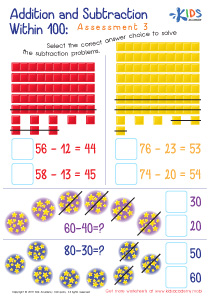
Understanding sequencing Easy Numbers 0–10 Worksheets for Ages 5-8
3 filtered results
-
From - To
Discover the perfect resources to help young learners grasp number sequencing with our "Understanding Sequencing Easy Numbers 0–10" worksheets. Tailored for ages 5-8, these engaging and educational printables pave the way for foundational math skills. Through fun activities that encourage logical order and number recognition, children will boost their confidence in counting and basic arithmetic. Each worksheet is designed to be accessible yet challenging, ensuring a smooth and enjoyable learning experience. Empower your child's mathematical journey today with our expertly crafted tools that make learning sequences both easy and fun!
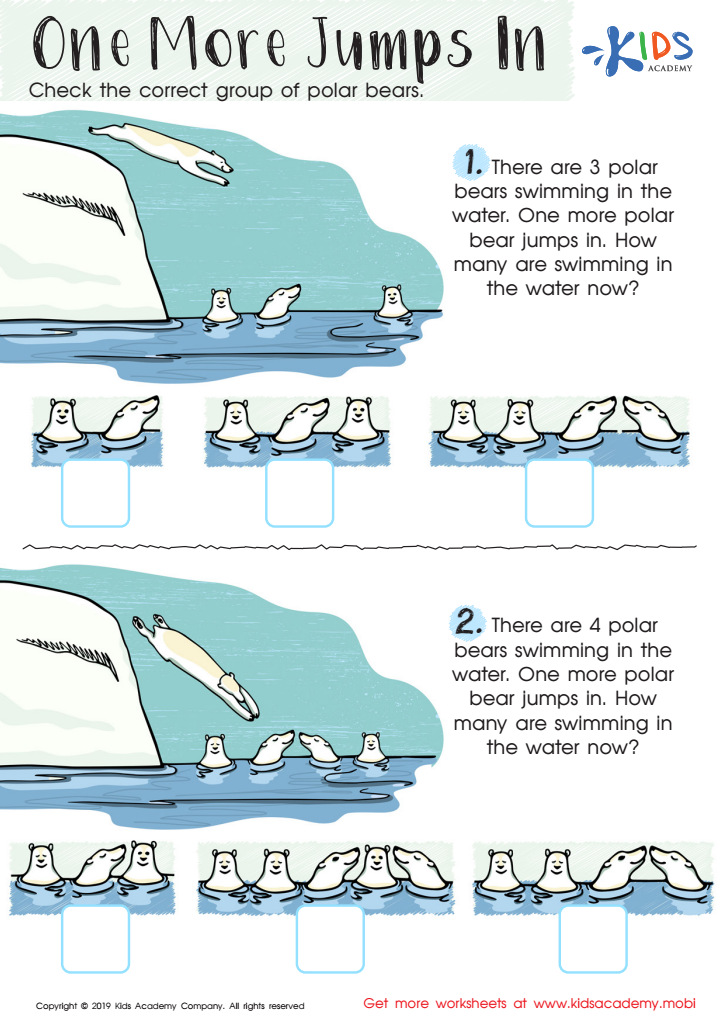
One More Jumps In Worksheet
 Assign to My Students
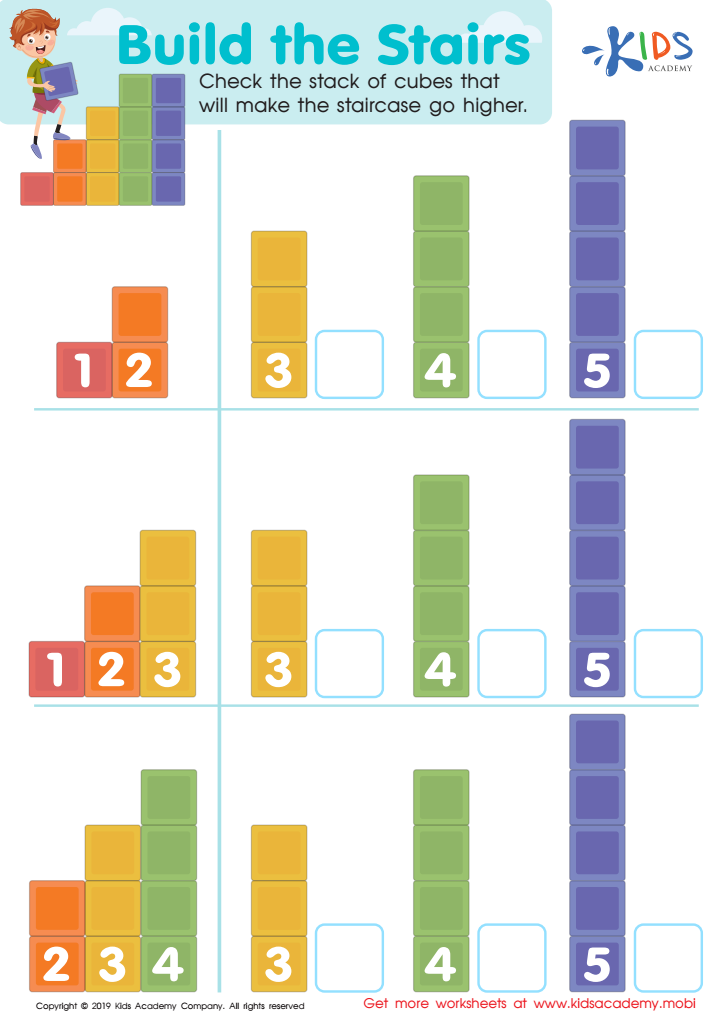
Build the Stairs Worksheet
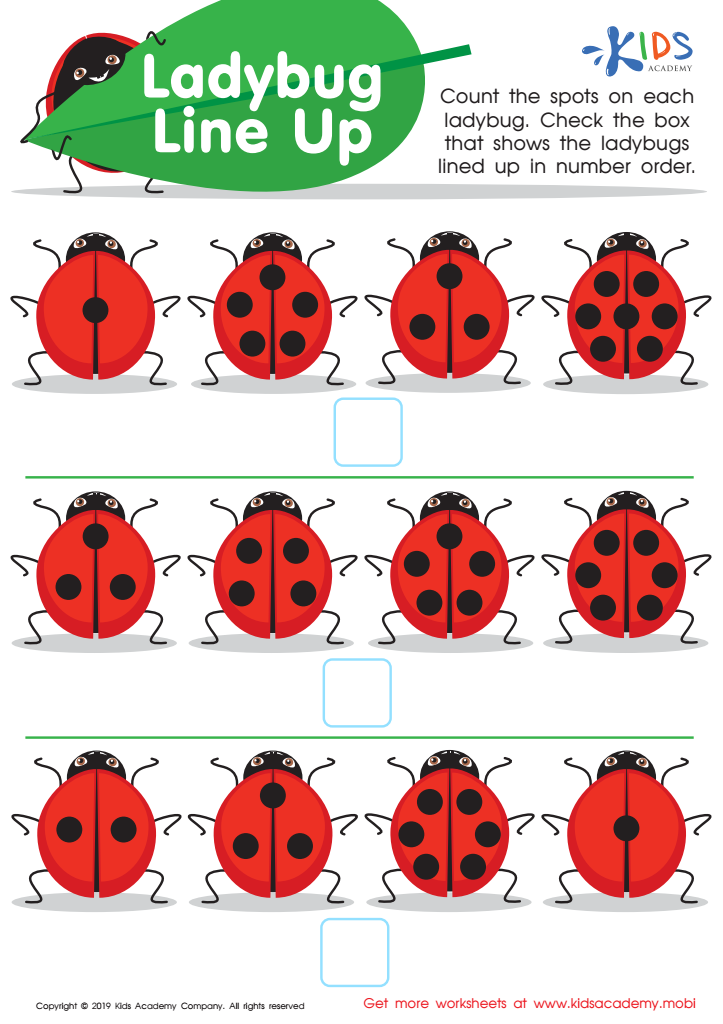
Ladybug Line Up Worksheet








Understanding sequencing and the basic order of numbers from 0 to 10 is fundamental for children aged 5-8, both for cognitive development and practical skills. At this early age, recognizing sequential order forms the foundation for arithmetic concepts like addition and subtraction. Sequencing numbers helps children comprehend that numbers follow a specific, predictable pattern, crucial for future math proficiency.
Parents and teachers should prioritize this skill because it enhances logical thinking and problem-solving abilities. When children learn that 3 comes after 2 and before 4, they start to grasp concepts like "greater than" and "less than", which are pivotal for higher-level math.
Additionally, sequencing supports broader educational strategies, such as recognizing patterns, organizing thoughts, and understanding routines, all of which are essential life skills. It not only applies to math but also enhances reading skills through better story comprehension, as children learn that events in a story occur in a particular order.
Practically, engaging young learners with sequencing can involve interactive and playful activities like number lines, counting games, or storytelling, making learning both effective and enjoyable. By valuing this early mathematical concept, parents and teachers can foster a positive attitude toward math, laying a strong foundation for future academic success.