Fine Motor Skills Easy Numbers 11–20 Worksheets for Ages 5-8
4 filtered results
-
From - To
Introduce your young learners, aged 5-8, to numbers 11-20 while enhancing their fine motor skills with our expertly designed worksheets. Each activity focuses on boosting hand-eye coordination and pencil control, crucial for early learning. Carefully crafted exercises engage students with tracing, counting, and coloring tasks that make learning numbers fun and rewarding. Perfect for both classroom and home settings, our worksheets support foundational math and motor skills, setting the stage for future academic success. Bright and engaging visuals keep children motivated and eager to learn, ensuring they master numbers 11-20 with ease and confidence.
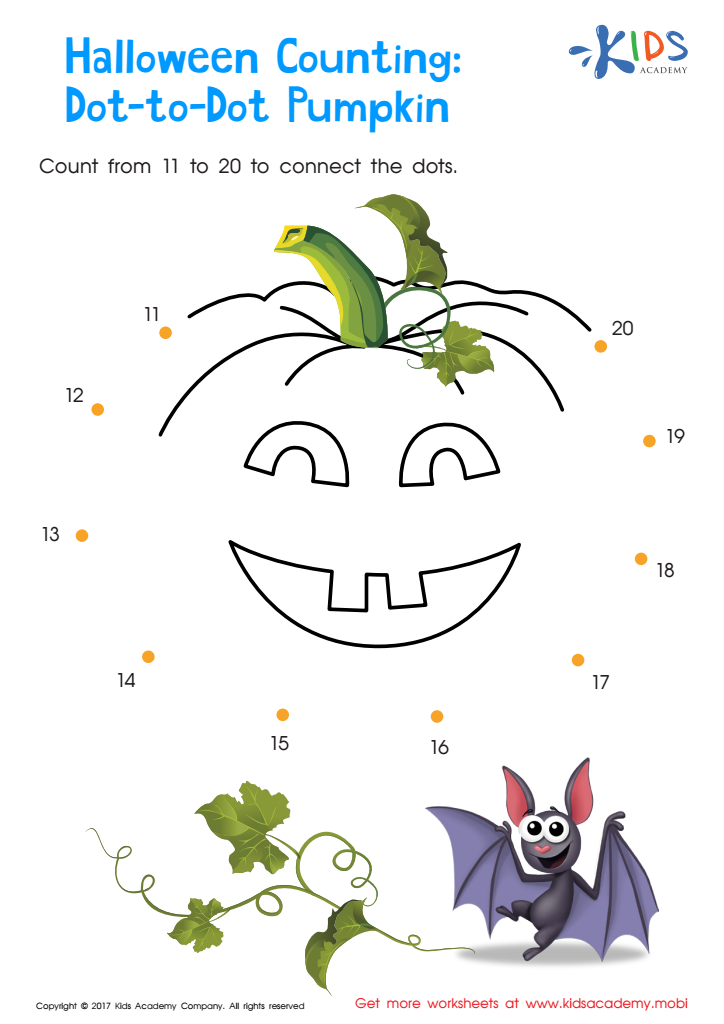
Ordering 11–20: Halloween Counting Worksheet
 Assign to My Students
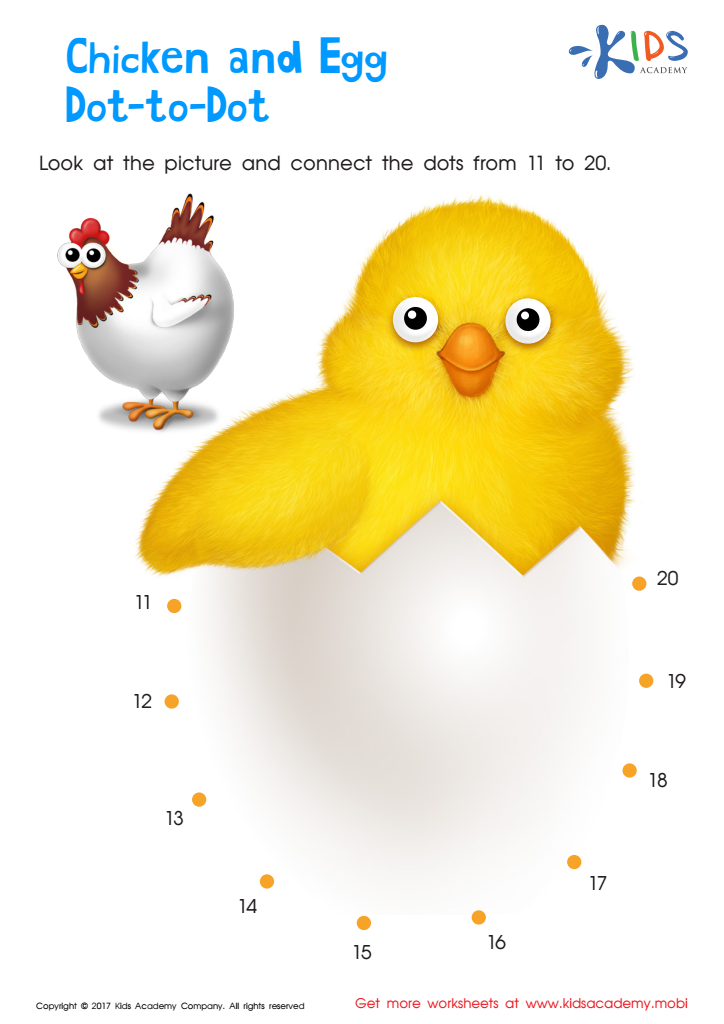
Ordering 11–20: Chicken & Egg Dot–to–dot Worksheet
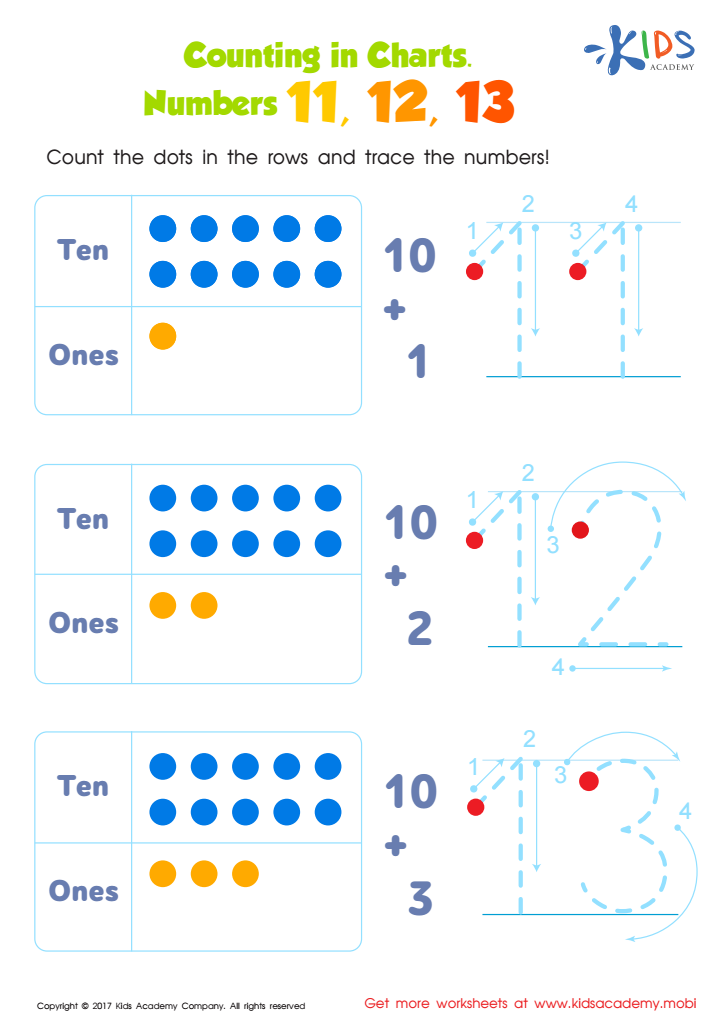
Number Tracing Worksheet For Kindergarten
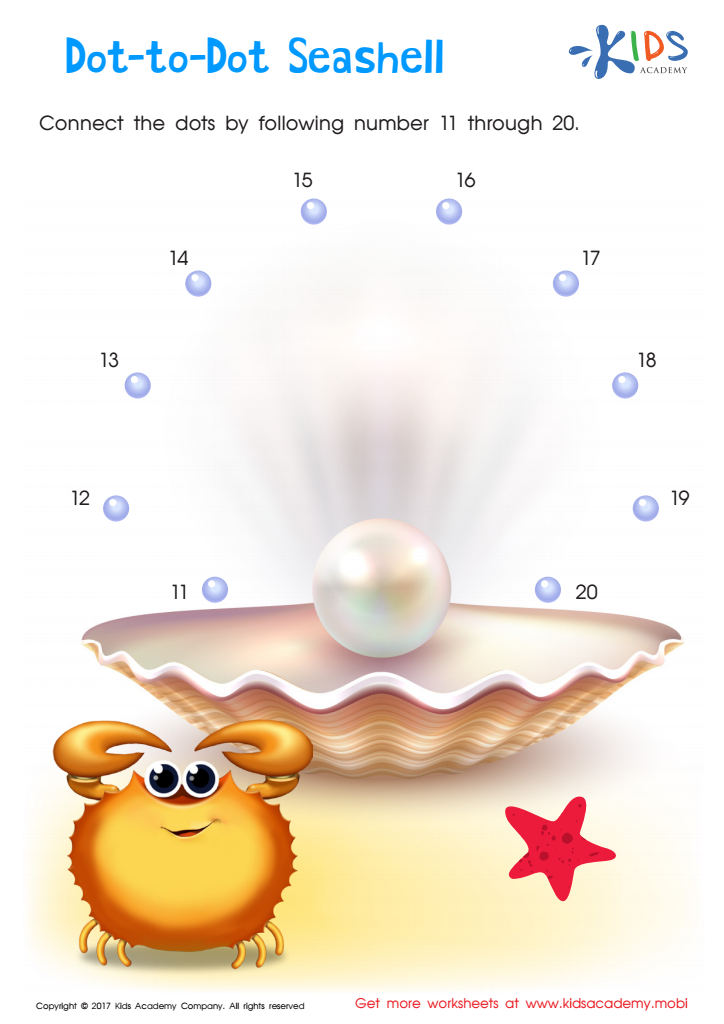
Ordering 11–20: Dot–to–dot Seashell Printable



Fine motor skills are essential for young children's overall development, especially between the ages of 5-8. These skills involve the use of small muscles in the hands and fingers, crucial for performing everyday tasks. The Fine Motor Skills Easy Numbers 11–20 can be an excellent tool for aiding in this aspect of development.
First and foremost, fine motor skills are foundational for academic success. Young children with well-developed fine motor skills are better equipped to write, draw, and use cutting tools effectively. When focused on numbers 11-20, children practice specific skills like number recognition, counting, and writing, which are pivotal components of early math education.
Additionally, engaging with fine motor skill activities enhances hand-eye coordination and concentration. When children manipulate small objects or complete activities requiring precision, such as tracing numbers or aligning blocks, they sharpen their focus and attention to detail, skills that transfer over to reading and problem-solving tasks.
Furthermore, such exercises foster independence and self-confidence. As children become more adept at completing tasks that require precision, they feel a sense of accomplishment, boosting their self-esteem. This progress fosters a positive attitude toward learning and challenges in general. Teachers and parents should prioritize these activities to support their children’s academic readiness and overall growth.