Hand-eye Coordination Easy Numbers 11–20 Worksheets for Ages 5-8
3 filtered results
-
From - To
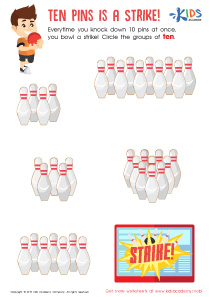
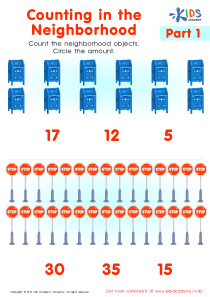
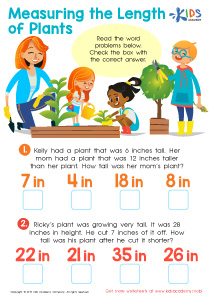
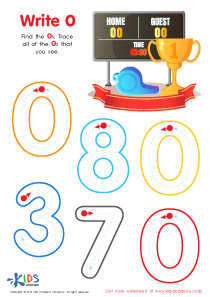
Boost your child's hand-eye coordination while exploring numbers 11–20 with our engaging worksheets designed for ages 5-8. These easy-to-follow, printable activities encourage children to practice number recognition and fine motor skills through fun exercises. From tracing numbers to interactive games, each worksheet promises an enjoyable learning experience. Kids will not only enhance their mathematical skills but also develop essential coordination and dexterity. The colorful, age-appropriate layouts capture their interest and promote independent learning. Perfect for home or classroom use, our Easy Numbers 11–20 worksheets are an effective way to integrate hand-eye coordination practice into foundational math education. Get started now!
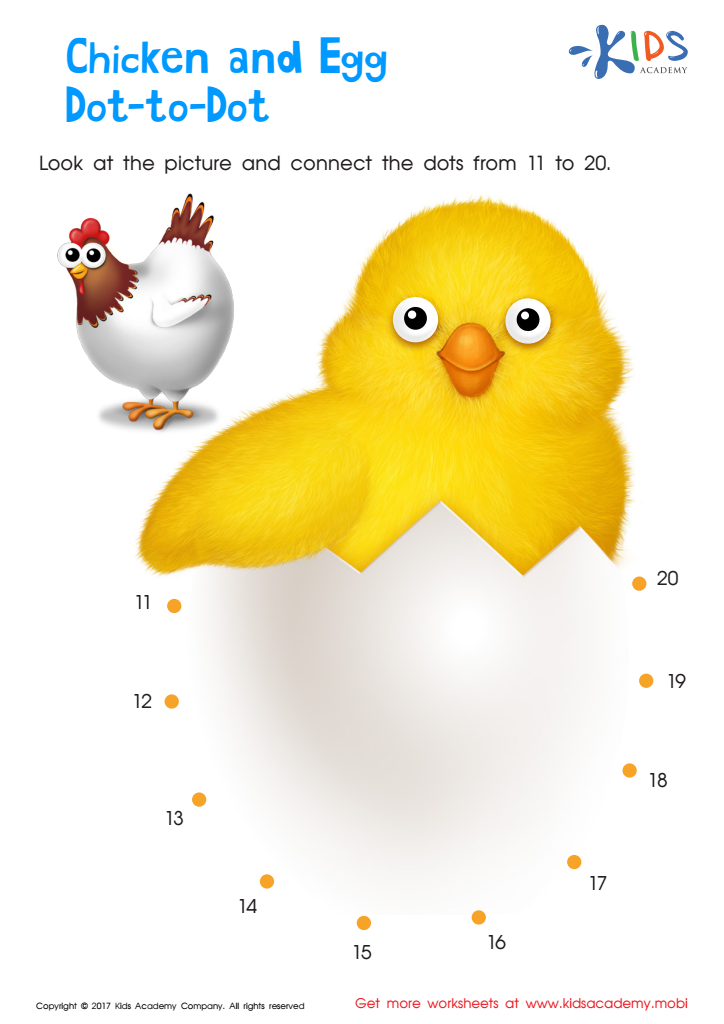
Ordering 11–20: Chicken & Egg Dot–to–dot Worksheet
 Assign to My Students
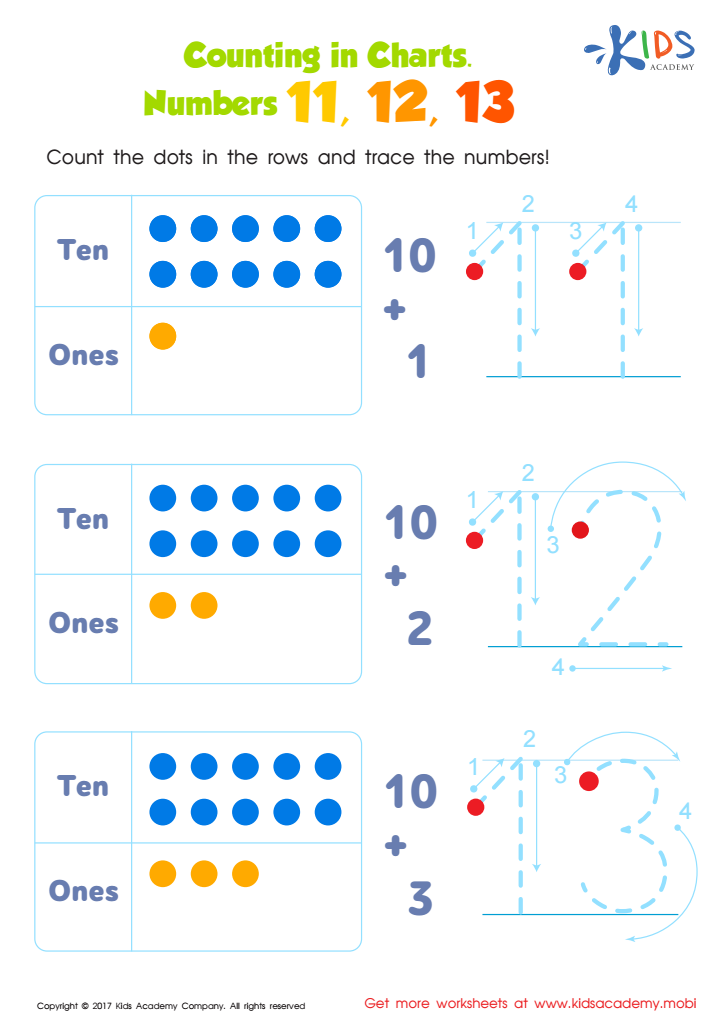
Number Tracing Worksheet For Kindergarten
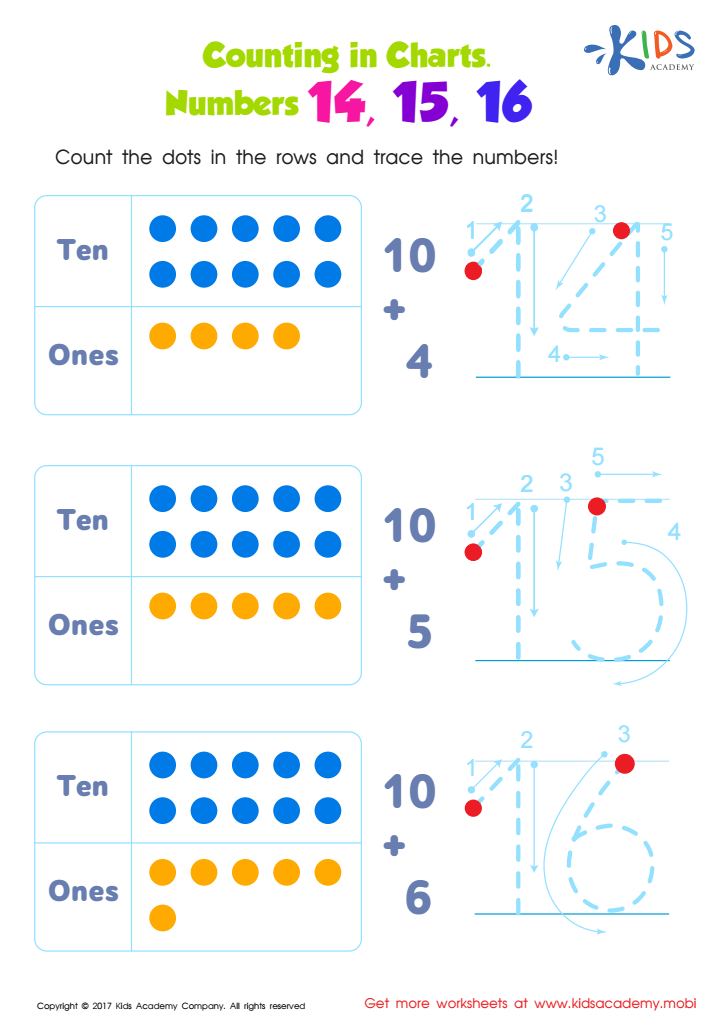
Number Tracing Worksheet



Hand-eye coordination is a crucial skill for children aged 5-8, especially when learning numbers from 11 to 20. This range marks a pivotal point in mathematical comprehension, where children begin to understand quantities beyond ten, laying the groundwork for more advanced mathematics. By honing hand-eye coordination, children improve their ability to accurately engage in tasks such as counting, arranging, or identifying numbers, which are fundamental skills they will rely on for years to come.
Parents and teachers should care about developing hand-eye coordination in this age group because it supports overall cognitive development, fine motor skills, and spatial awareness. When children are able to physically manipulate objects or engage with educational tools (like sorting tiles with numbers), they not only enhance their numeric understanding but also gain confidence in their abilities. Additionally, strong hand-eye coordination can lead to better engagement in activities such as writing, drawing, and using technology.
Investing time in play and activities focused on hand-eye coordination, such as stacking blocks, threading beads, or playing interactive games, enriches learning experiences. These activities can turn abstract concepts, like numbers 11-20, into tangible experiences, making learning enjoyable and effective. Ultimately, fostering these skills creates a solid foundation for children's future academic success.