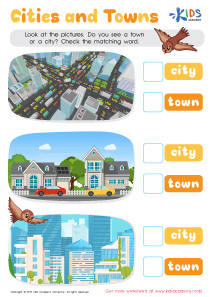
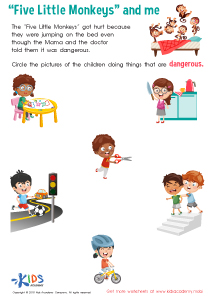
Number Recognition Easy Reading Worksheets for Ages 5-8
5 filtered results
-
From - To
Introduce your child to the world of numbers with our engaging Number Recognition Easy Reading Worksheets designed for ages 5-8. Perfect for early learners, these fun and interactive activities help kids recognize and understand numbers effortlessly. From identifying digits to solving simple problems, each worksheet focuses on building foundational math skills through colorful illustrations and enjoyable exercises. Our expertly crafted resources not only promote number literacy but also boost confidence and academic proficiency. Ideal for home or classroom settings, these worksheets make learning numbers an enjoyable journey. Start your child's math adventure today with our easy-to-use, printable worksheets!
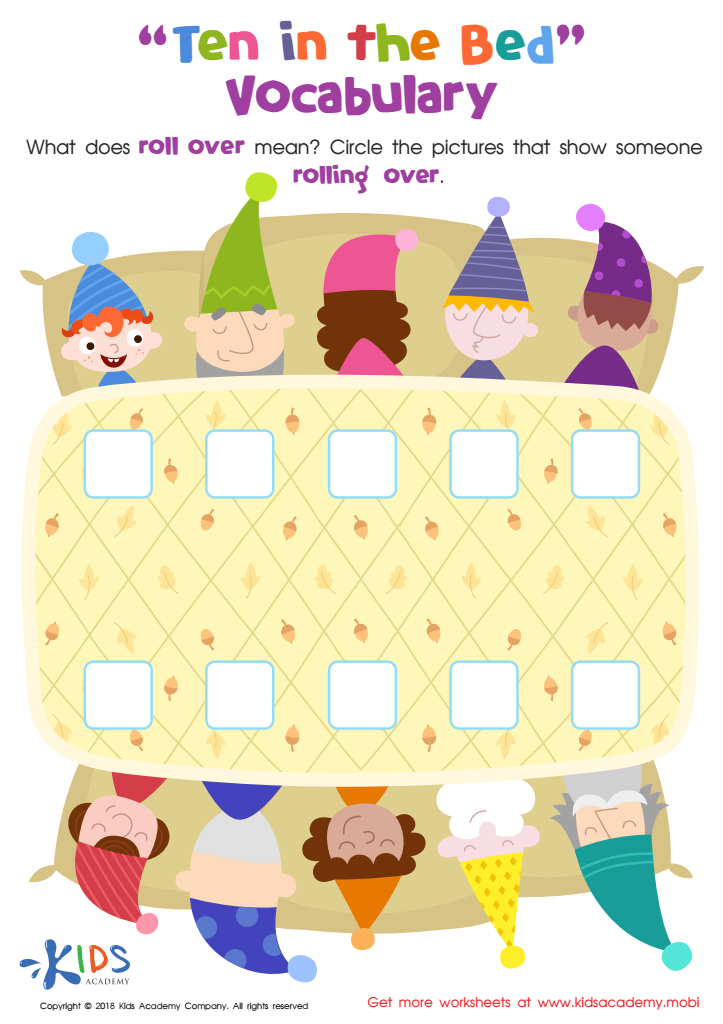
Ten in the Bed: Vocabulary Worksheet
 Assign to My Students
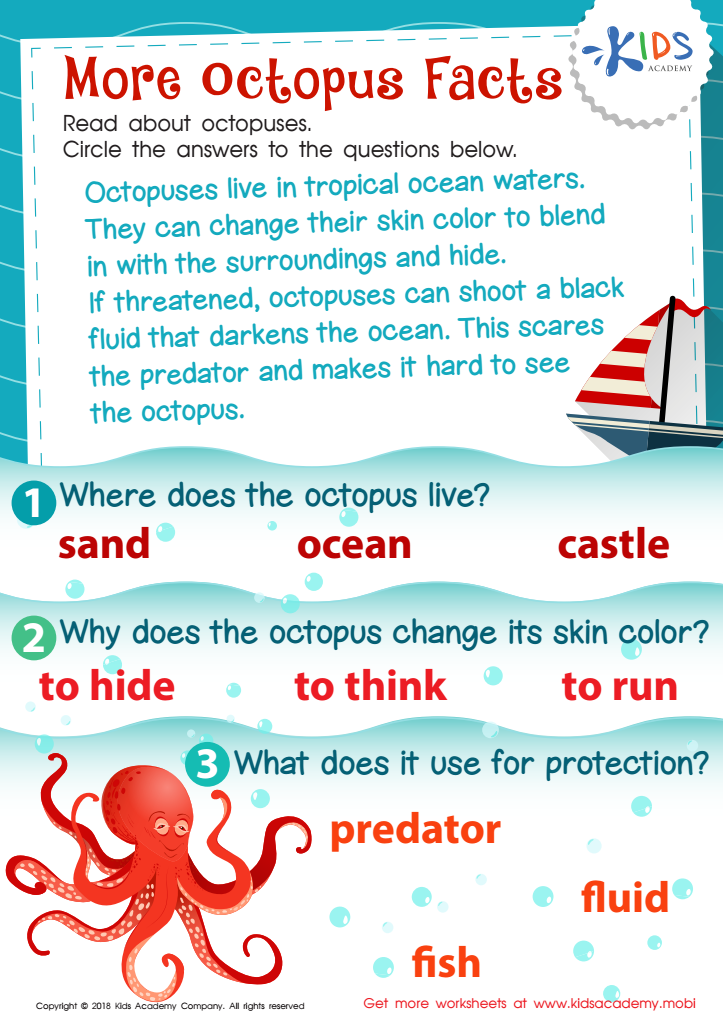
More Octopus Facts Worksheet
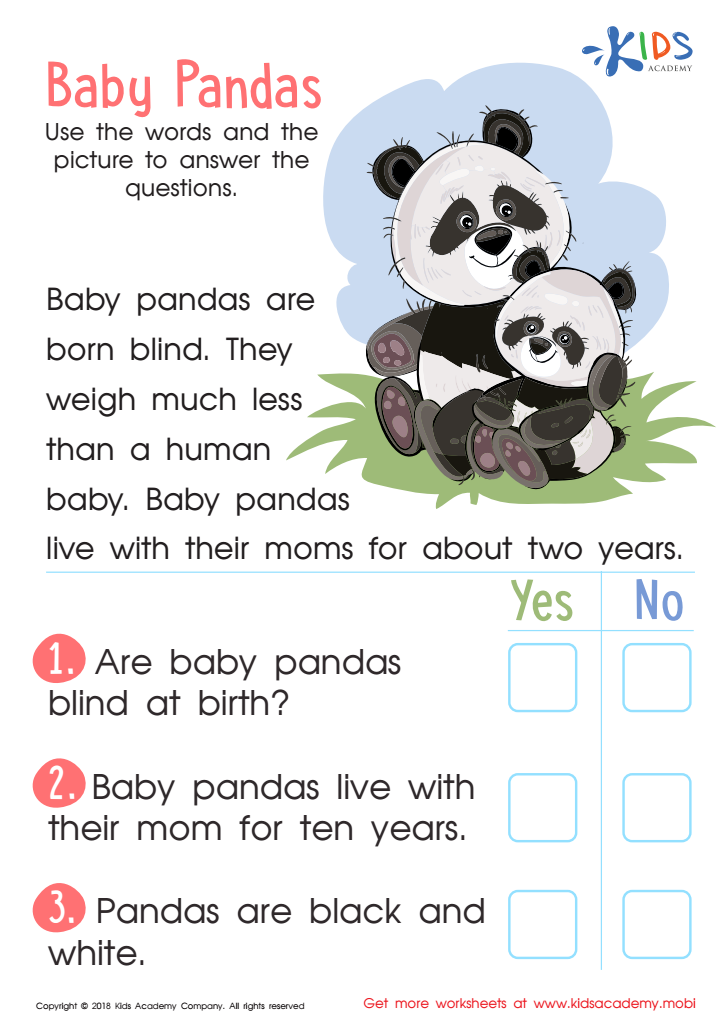
Baby Pandas Worksheet
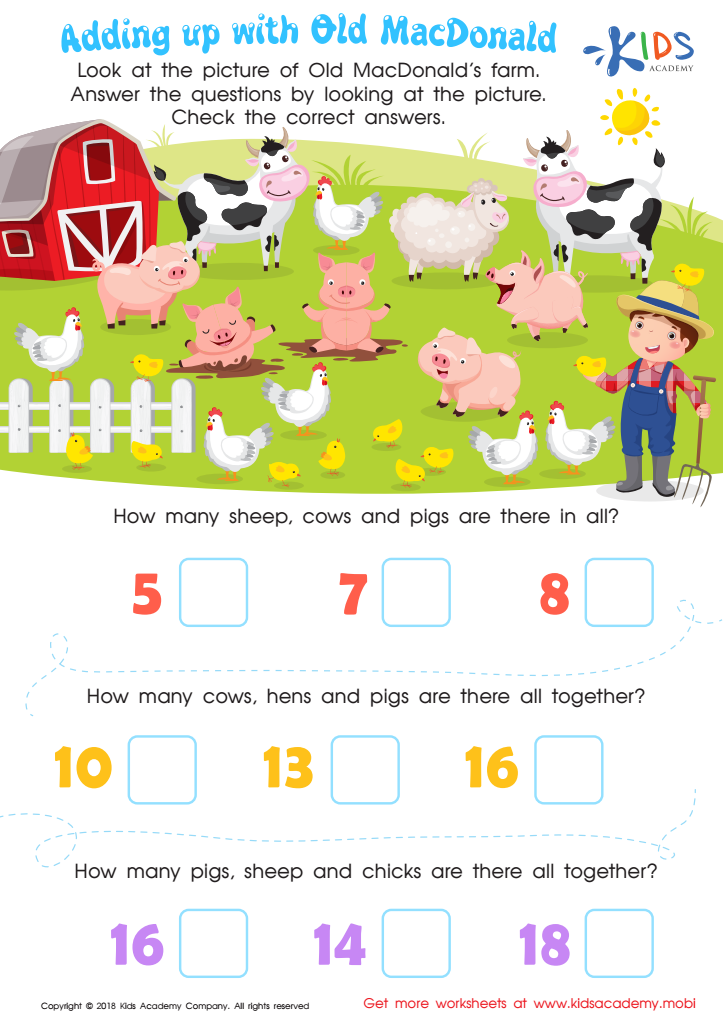
Adding Up with Old MacDonald Worksheet
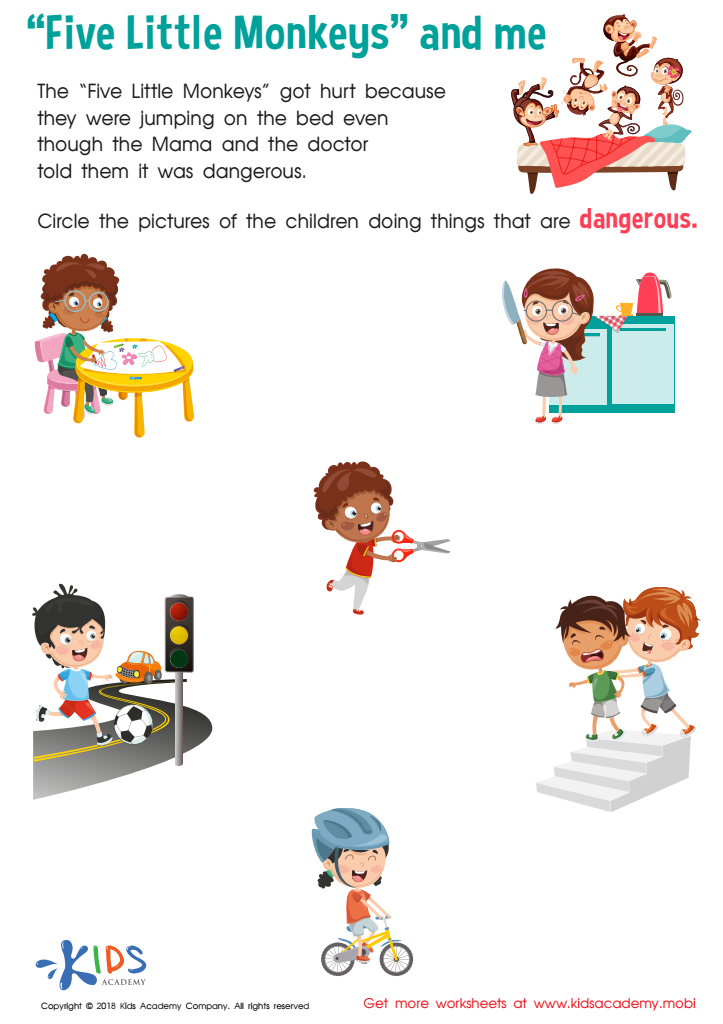
Five Little Monkeys and Me Worksheet








Number recognition is a foundational skill critical for the cognitive development of children aged 5-8. It sets the stage for more advanced mathematical concepts, fostering not only their numerical acuity but also their logical reasoning abilities. When children are able to recognize numbers with ease, they build confidence necessary to tackle further arithmetic challenges, such as addition, subtraction, multiplication, and division. This competence isn’t limited to the classroom — it permeates everyday situations such as telling time, managing money, or understanding measurements, thus broadening their ability to interact effectively with the world around them.
Moreover, early number recognition aids in developing their memory, attention, and concentration. As teachers and parents invest in easy number reading strategies like interactive games, hands-on activities, or engaging storybooks, children are more likely to enjoy the learning process and become lifelong learners.
In addition, mastery of number recognition lays a pathway for the development of problem-solving skills. Children learn to approach problems methodically, break them down into manageable parts, and work towards a solution logically.
Ultimately, prioritizing number recognition builds a firm educational foundation, contributing to overall academic success and boosting children's self-esteem in their mathematical abilities, which can have a lasting positive impact on their future schooling and careers.