Critical Thinking Easy Plants and Animals Worksheets for Ages 5-8
4 filtered results
-
From - To
Enhance your child's science skills with our "Critical Thinking Easy Plants and Animals Worksheets" tailored for ages 5-8. These engaging and educational worksheets by Kids Academy help develop analytical abilities through age-appropriate activities focused on the natural world. With vivid illustrations and interactive tasks, young learners explore essential concepts about plants and animals while honing their observation, reasoning, and decision-making skills. Perfect for both classroom use and homeschooling, these printables make science learning fun and effective. Nurture a love for science and critical thinking in your child with our expertly designed resources.
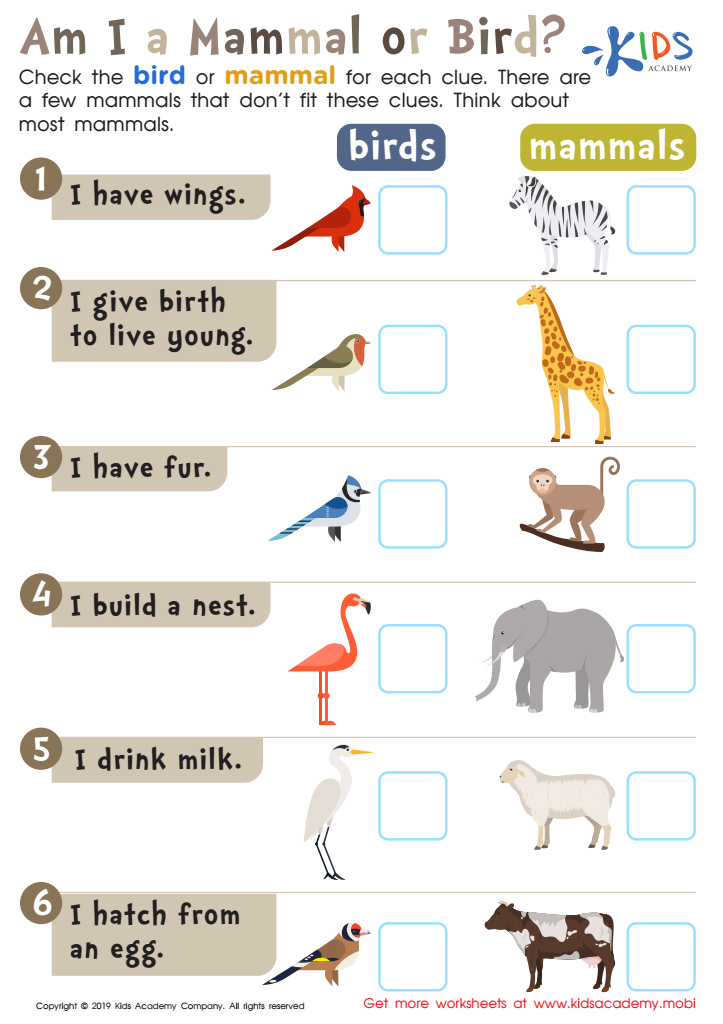
Am I a Mammal or Bird? Worksheet
 Assign to My Students

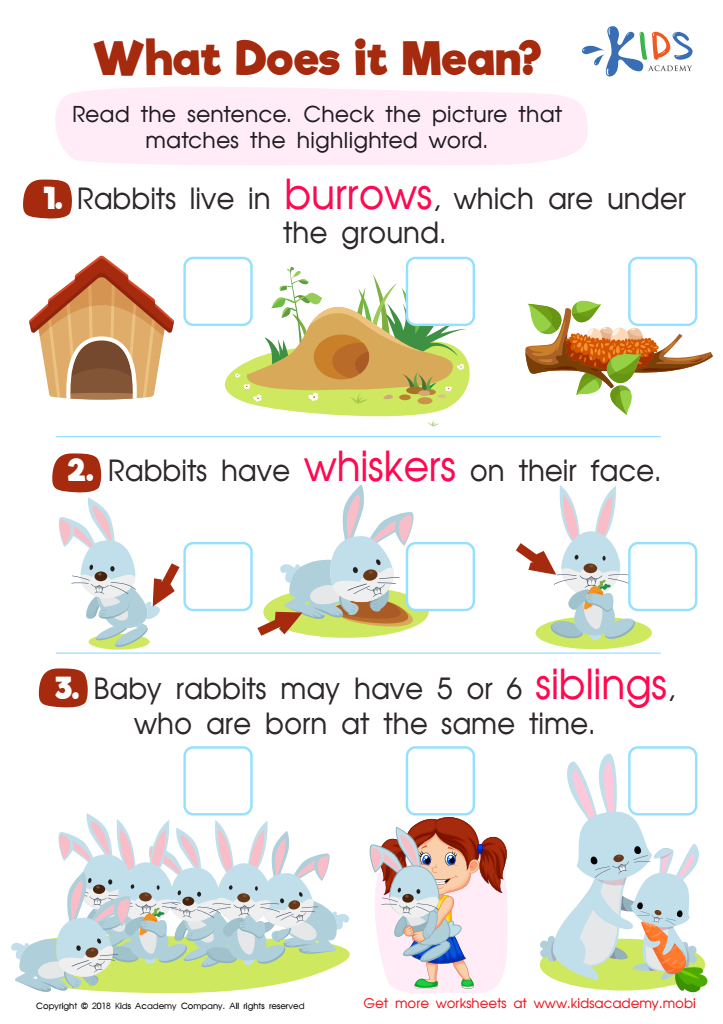
What Does It Mean? Worksheet
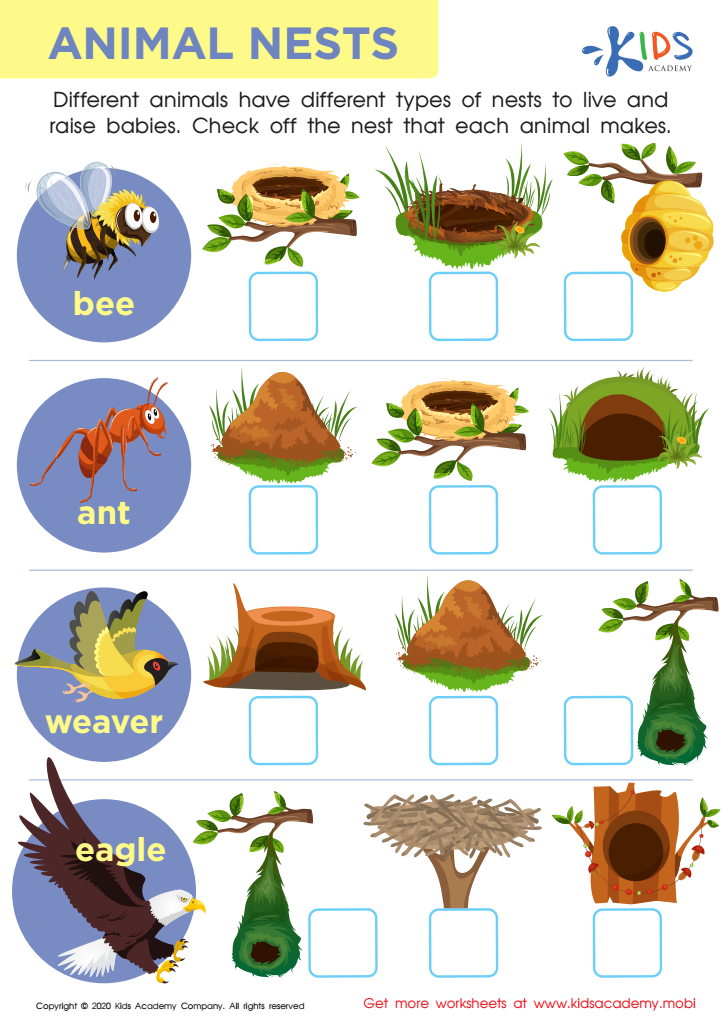
Animal Nests Worksheet
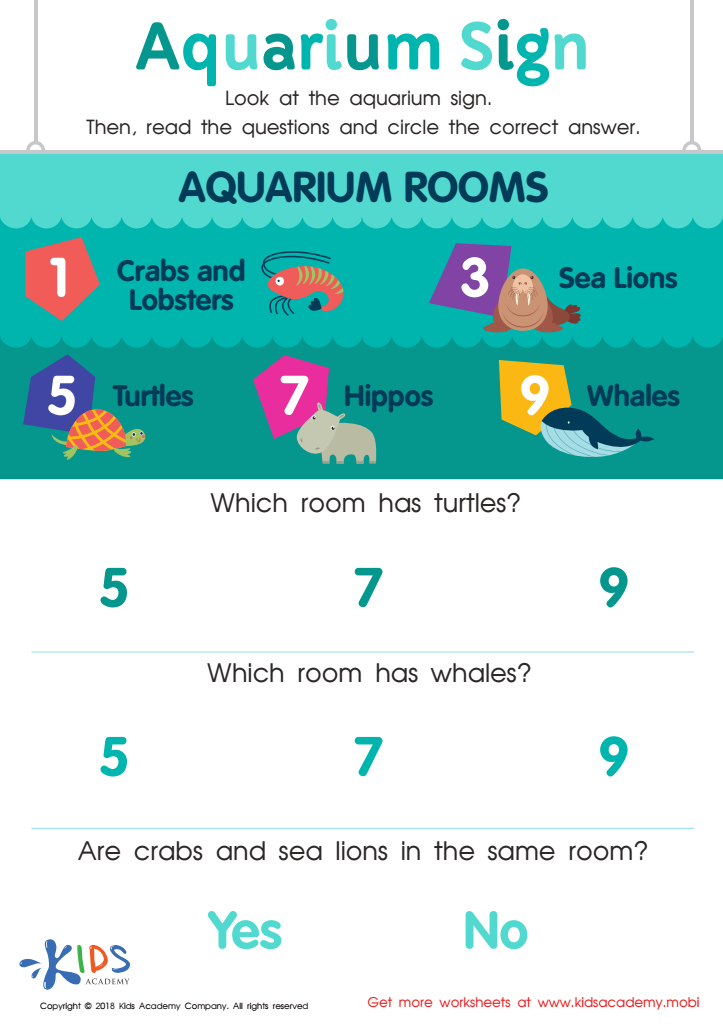
Assessment: Aquarium Sign Worksheet








Parents and teachers should prioritize Critical Thinking Easy Plants and Animals for children aged 5-8 because it lays a foundational understanding of the natural world while fostering essential cognitive skills. Why does a frog live in wet places? How do plants grow? Exploring these topics through critical thinking sparks curiosity and promotes inquiry-based learning, engaging children in questions and discovery that extend beyond rote memorization.
Early exposure to tasks that involve observation, reasoning, and prediction can enhance problem-solving abilities and encourage independent thinking. For instance, asking "Why do you think this plant needs sunlight?" prompts children to connect knowledge about their environment, boosting both academic learning and life skills. This independent thinking is crucial for future educational success across disciplines.
Additionally, engaging with plants and animals helps cultivate empathy and environmental awareness from a young age. When children understand how everything in an ecosystem interacts and depends on each other, they are more likely to grow into conscientious and responsible individuals.
Thus, integrating critical thinking with biology not only imbues children with scientific knowledge but also nurtures a holistic set of skills—rational thought, curiosity, empathy, and responsibility—that benefit their overall development. Presenting them through activities and discussions tailored to young minds ensures both effective learning and meaningful engagement.