Fine Motor Skills Easy Social Studies Worksheets for Ages 5-8
3 filtered results
Difficulty Level
Grade
Age
-
From - To
Subject
Activity
Standards
Discover engaging and educational Fine Motor Skills Easy Social Studies worksheets designed specifically for children ages 5-8. These fun, hands-on activities seamlessly combine foundational social studies concepts with important fine motor skill practice. From tracing maps to cutting out historical figures, each worksheet helps young learners build hand-eye coordination, dexterity, and spatial awareness while exploring the basics of geography, history, and culture. Perfect for classroom use or home enrichment, our printable resources support educators and parents in nurturing both academic and developmental growth in a fun and interactive way. Unlock your child's potential today!
Favorites
With answer key
Interactive

Happy Diwali Printable
Explore India this Diwali! Learn about India's most significant holiday, Diwali, with this fun-filled printable activity for kids. Your child can gain an appreciation for Indian culture with this Diwali dot to dot worksheet.
Happy Diwali Printable
Worksheet


Globe Coloring Page Worksheet
Kids love coloring! Save yourself stress by giving them coloring sheets instead of letting them color on furniture and walls. This worksheet has a fun activity that engages their hands and mind - ask them to color the globe picture, and help them pick the colors.
Download (PDF)
 Assign to My Students
Assign to My Students
Globe Coloring Page Worksheet
Worksheet
Join Kids Academy for Free
Who is primarily going to use this learning content?




.jpg)

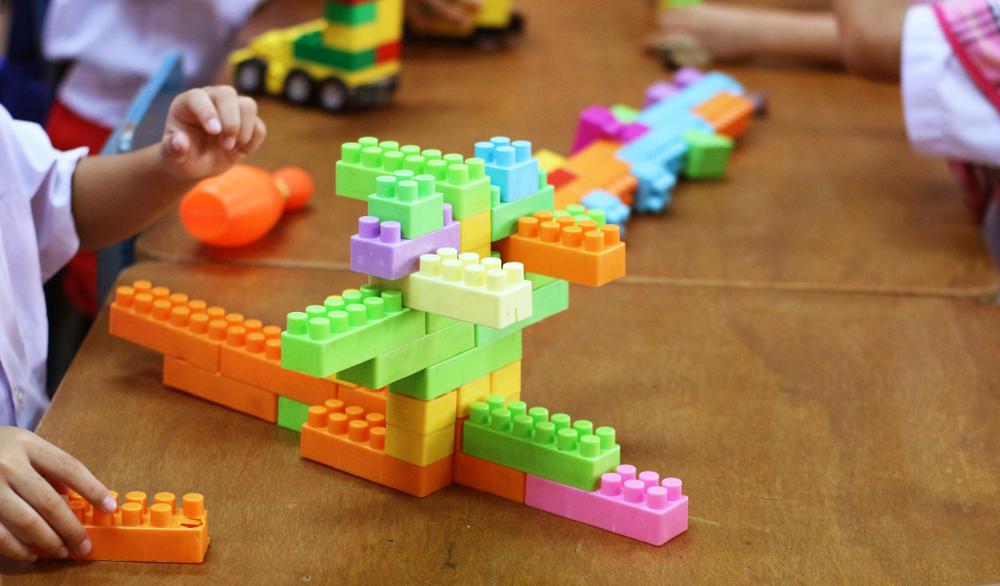
Developing fine motor skills and an introductory understanding of social studies are crucial for children aged 5-8, laying the groundwork for future academic and social success. Fine motor skills involve the coordination of small muscles, particularly in the hands and fingers, enabling children to perform tasks such as writing, cutting with scissors, buttoning clothing, and manipulating small objects. Strengthening these skills improves hand-eye coordination, promotes independence, and supports cognitive development. Early social studies introduce children to the basics of society, history, geography, and cultural concepts, fostering an awareness of the world around them. This foundation encourages curiosity, critical thinking, and empathy by helping children understand diverse perspectives and social dynamics.
Caring about both fine motor skills and introductory social studies doesn't just prepare children for academic demands; it enriches their overall development. Fine motor skills practice through art projects or playful activities simultaneously enhances dexterity and creativity. Social studies lessons, through stories, maps, and simple discussions, teach children about community roles, national symbols, and historical figures. Integrating these subjects in engaging ways ensures children develop a love for learning. By prioritizing these areas, parents and teachers play a vital role in cultivating well-rounded, confident, and informed young individuals capable of navigating and thriving in a complex world.