Sorting skills Easy Worksheets for Ages 5-9
6 filtered results
-
From - To
Discover our engaging "Sorting Skills Easy Worksheets" tailored for children ages 5-9! These worksheets help young learners develop essential sorting skills through fun and interactive activities. By categorizing items based on various attributes such as size, color, and shape, children enhance their critical thinking and problem-solving abilities. Each worksheet is designed to be easy to understand, ensuring a seamless learning experience. Perfect for classroom use or at-home practice, these resources will keep kids entertained while promoting cognitive development. Help your child master sorting skills with our enjoyable worksheets today! Visit our site to explore the full range of educational materials.
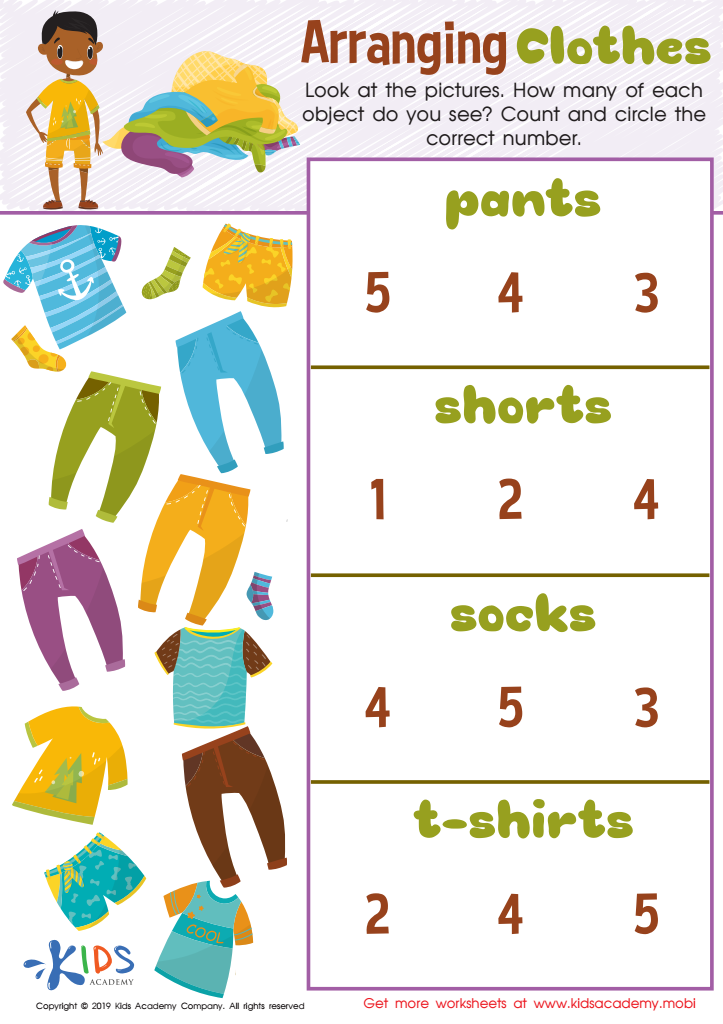
Arranging Clothes Worksheet
 Assign to My Students
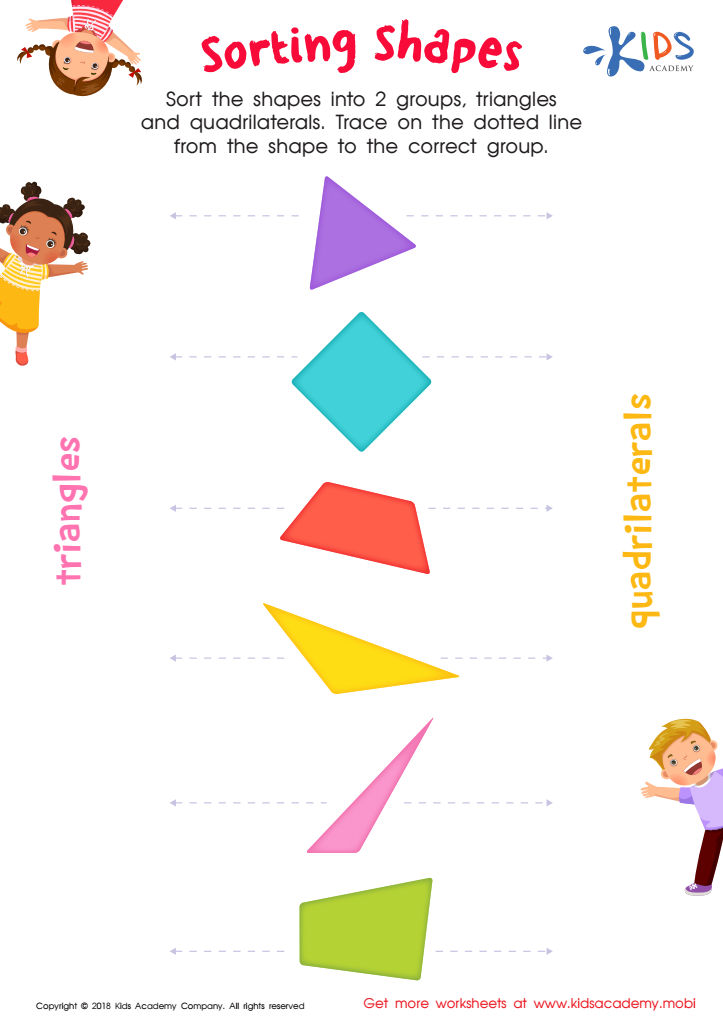
Sorting Shapes Worksheet
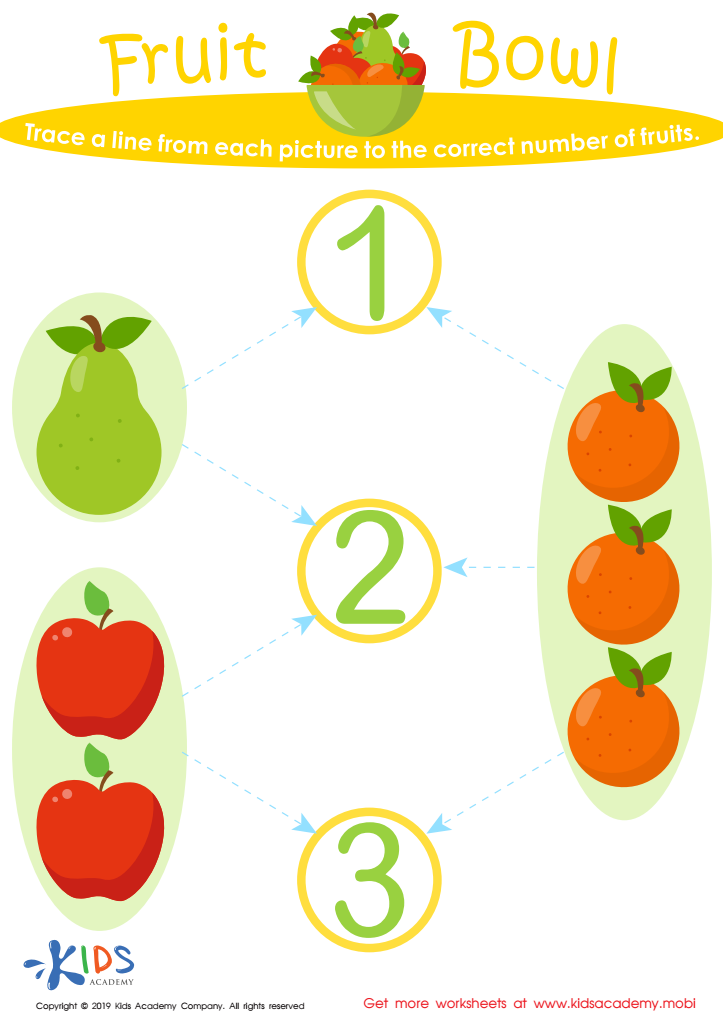
Fruit Bowl Worksheet
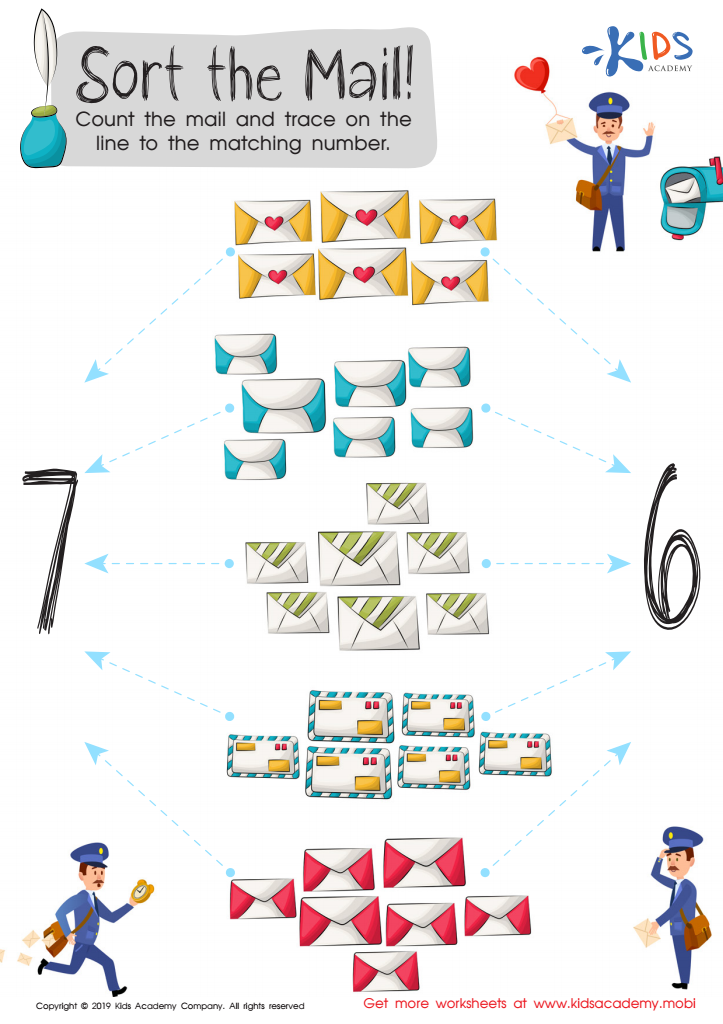
Sort the Mail Worksheet
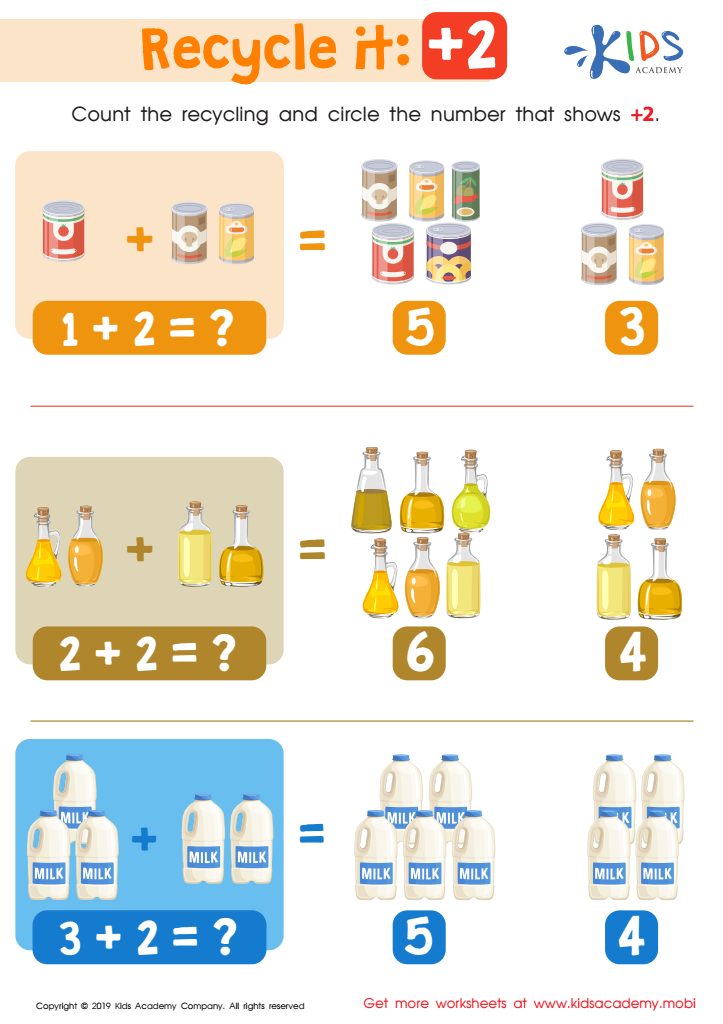
Recycle It: +2 Worksheet
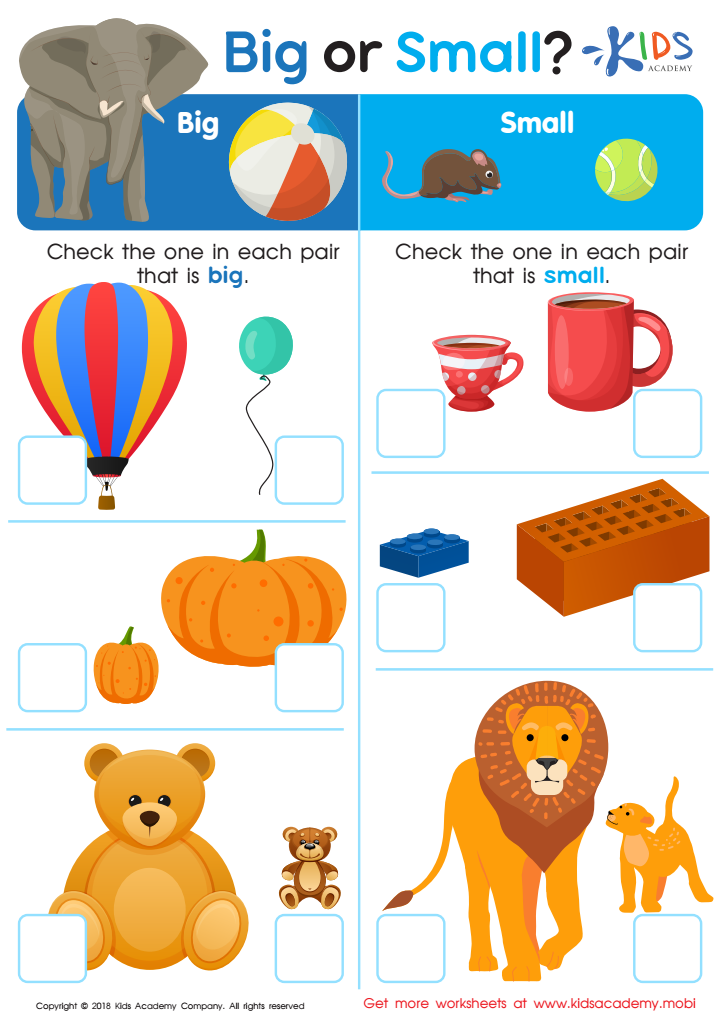
Big or Small? Worksheet







Sorting skills are essential for young children between the ages of 5 and 9, and parents and teachers should prioritize their development for several reasons. First, sorting is a foundational cognitive skill that helps children understand categories, relationships, and attributes. By learning to group objects based on size, color, shape, or other characteristics, children enhance their critical thinking and problem-solving abilities.
Moreover, sorting activities promote early mathematical concepts. As children sort, they practice counting, comparing quantities, and recognizing patterns, laying the groundwork for more complex mathematical ideas later on. For instance, sorting provides practical exposure to concepts like greater than or less than, even before they formally learn these terms.
Additionally, sorting fosters language development. As children describe their sorting criteria, they expand their vocabulary and improve communication skills. This early expression of thoughts aids in social interaction and cooperation when they work together with peers.
Finally, sorting activities can be engaging and fun. They can improve fine motor skills and concentration while providing opportunities for parents and teachers to participate actively, fostering positive relationships through shared play and learning experiences. Supporting sorting skills in ages 5-9 ultimately prepares children for future academic success and social development.








