Visual discrimination Easy Worksheets for Ages 5-9
5 filtered results
-
From - To
Enhance your child’s visual discrimination skills with our engaging Easy Worksheets for Ages 5-9. Designed to promote observation and attention to detail, these worksheets incorporate fun activities that help young learners identify similarities and differences between objects. Suitable for early learners, our thoughtfully created worksheets provide clear visuals and encourage critical thinking, making learning both enjoyable and effective. Ideal for parents and teachers alike, these resources support cognitive development in a playful manner. Explore our collection today and watch your child build essential visual discrimination skills that are vital for academic success! Perfect for at-home practice or classroom use.
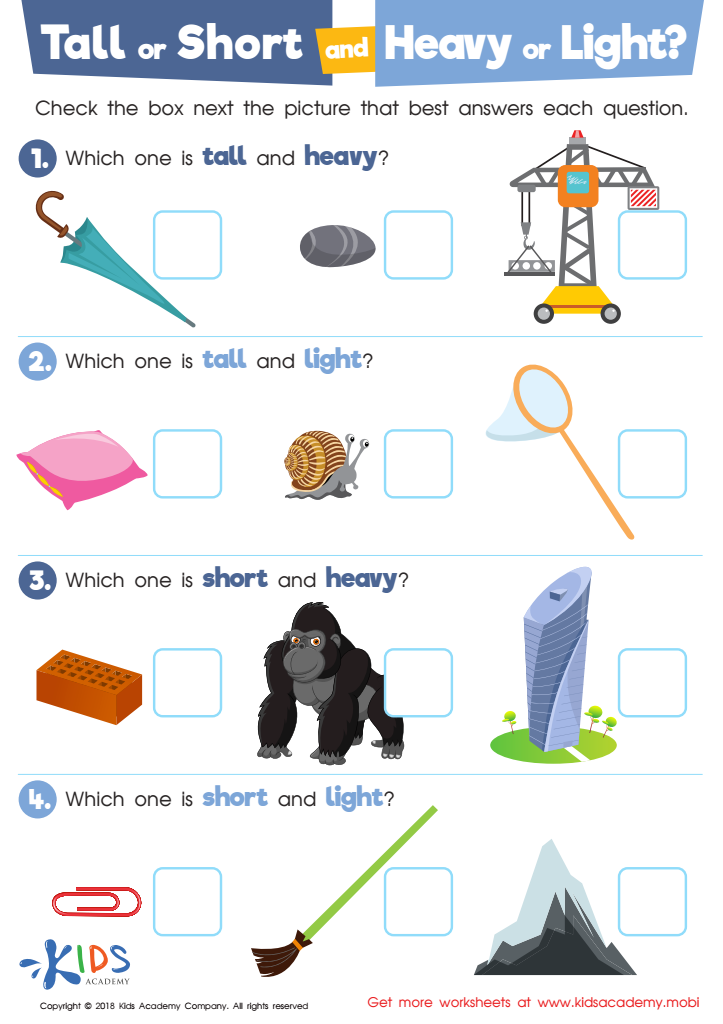
Tall or Short and Heavy or Light? Worksheet
 Assign to My Students
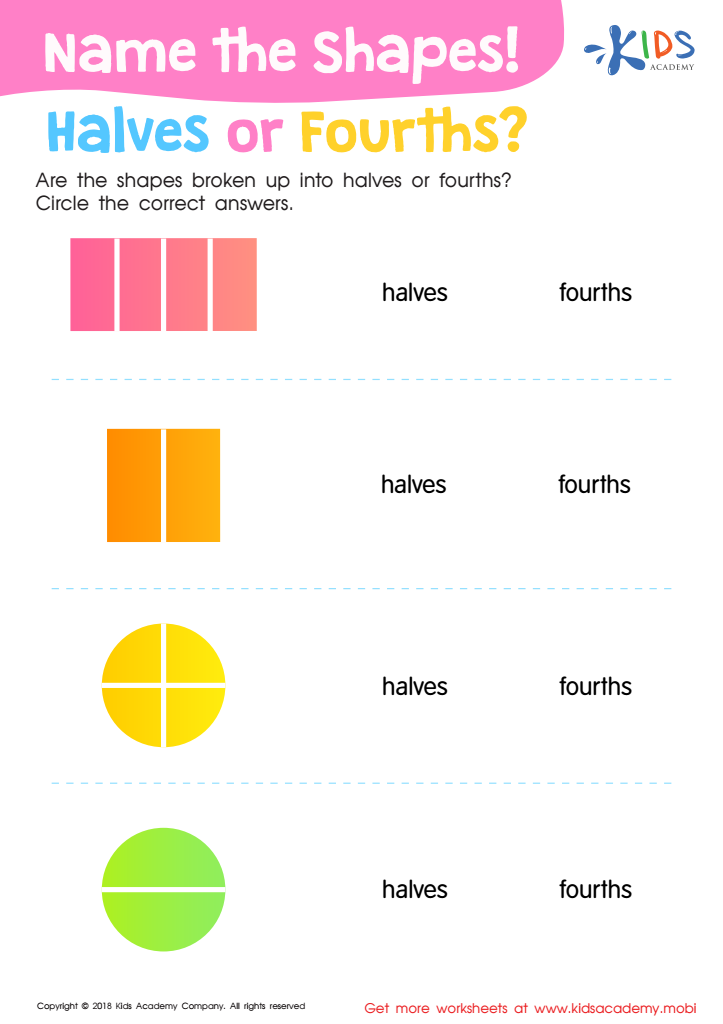
Name the Shapes Halves or Fourths? Worksheet
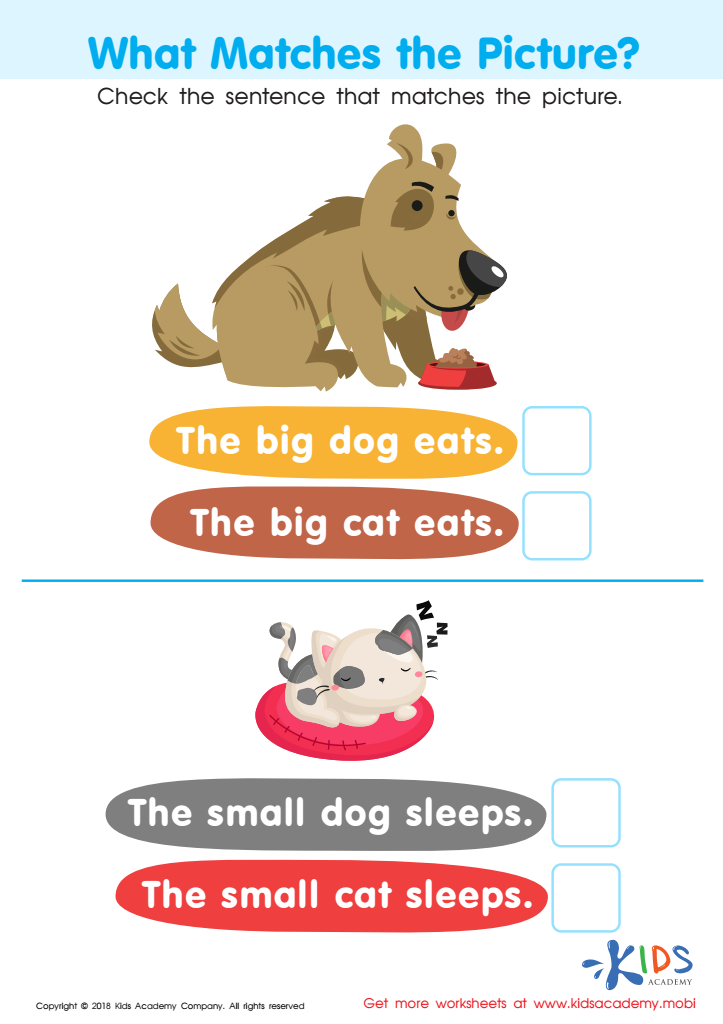
What Matches the Picture? Worksheet
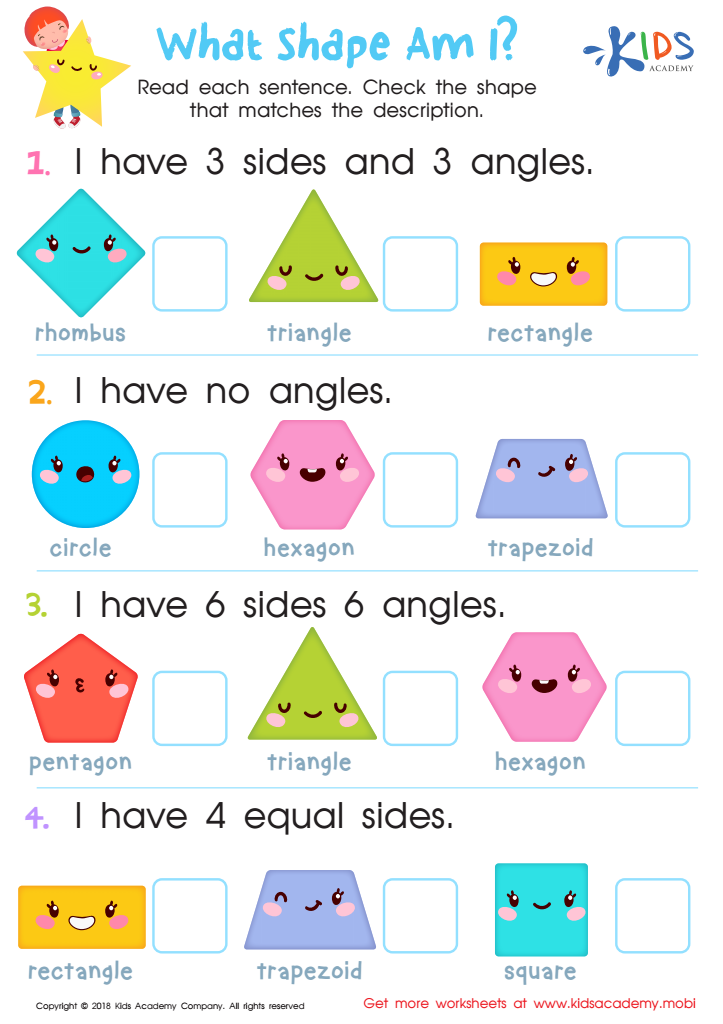
What Shape Am I? Worksheet
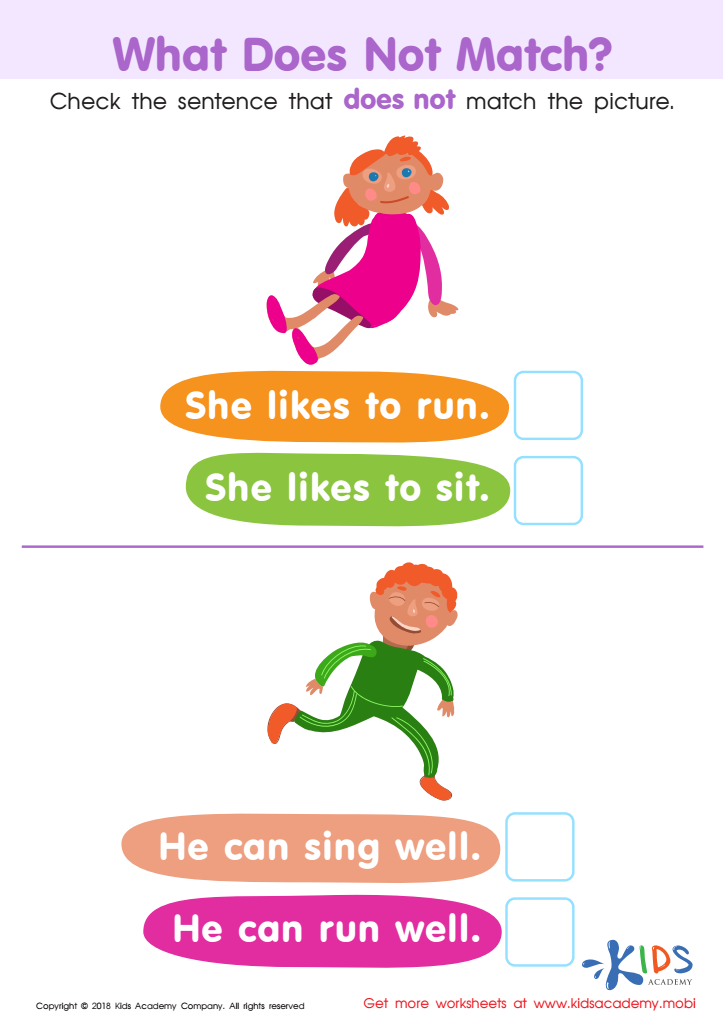
What Does Not Match? Worksheet



.jpg)
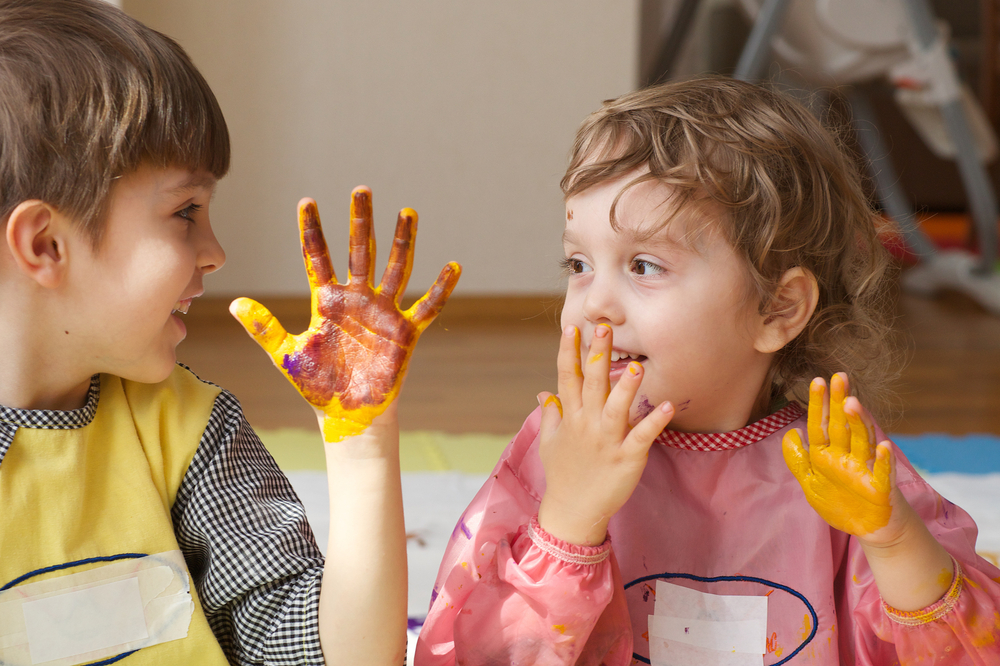


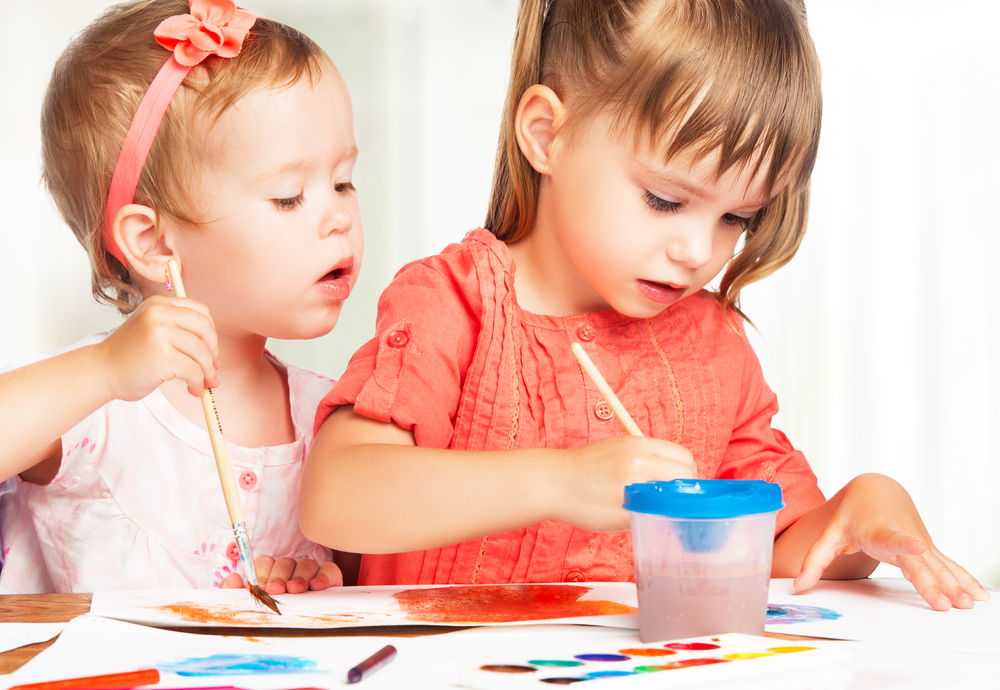
Visual discrimination is a vital skill for children aged 5-9, and it's important for both parents and teachers to pay attention to it. This ability helps kids notice differences and similarities between objects, letters, and shapes. Strong visual discrimination aids reading and writing by enabling children to identify letters accurately, understand their sounds, and develop overall literacy skills. For example, recognizing the difference between the letters 'b' and 'd' can prevent confusion when learning to read and write.
Moreover, visual discrimination supports math skills, as it helps children compare numbers, shapes, and patterns. When parents and teachers encourage activities that refine this skill, such as puzzles, matching games, and drawing, children enhance their attention to detail and improve problem-solving abilities.
If kids struggle with visual discrimination, they may feel frustrated or fall behind, affecting their confidence and performance in school. Therefore, by fostering visual discrimination through fun and engaging activities, parents and teachers contribute to a child's overall learning success and help build a strong foundation for their future education. Thus, caring about visual discrimination is essential for promoting not just academic success, but also a child's lifelong love for learning!








