Categorization skills Easy Numbers Worksheets for Ages 5-9
4 filtered results
-
From - To
Discover our engaging "Categorization Skills Easy Numbers Worksheets" designed specifically for children aged 5-9! These worksheets help young learners enhance their ability to group and classify objects through fun, interactive activities. By building foundational math skills, children will easily learn to recognize patterns and make connections between different categories. Each worksheet is tailored to capture their interest, featuring vibrant visuals and relatable themes that encourage hands-on learning. Perfect for parents and educators, these resources promote critical thinking and prepare students for future mathematical concepts. Explore our collection today and watch your child develop essential categorization skills while having fun!
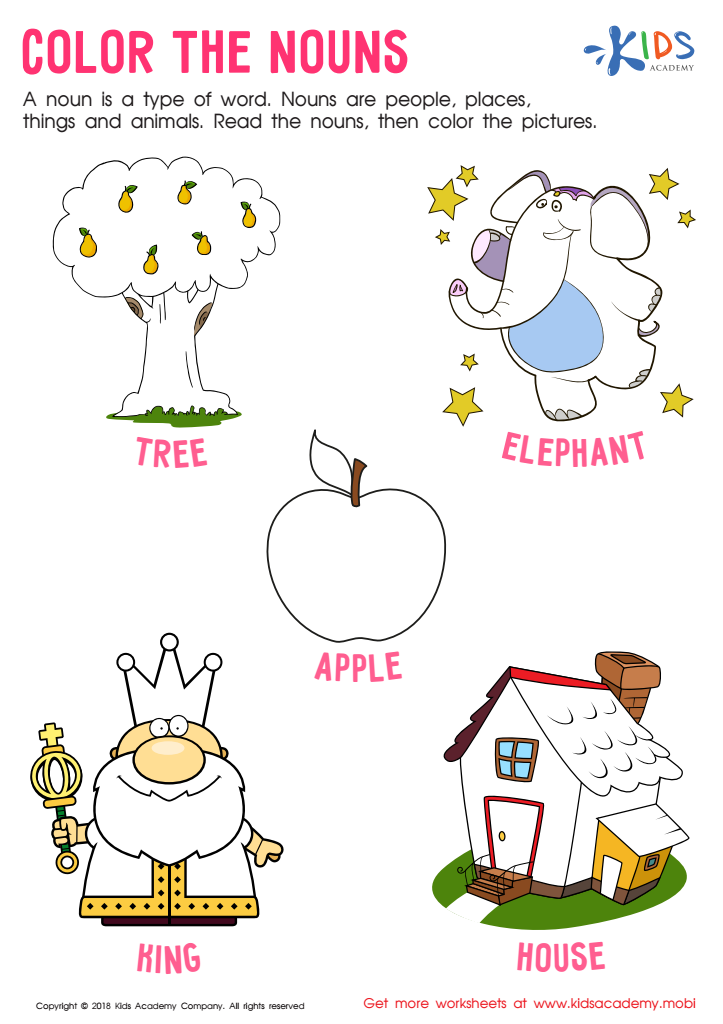
Color the Nouns Worksheet
 Assign to My Students
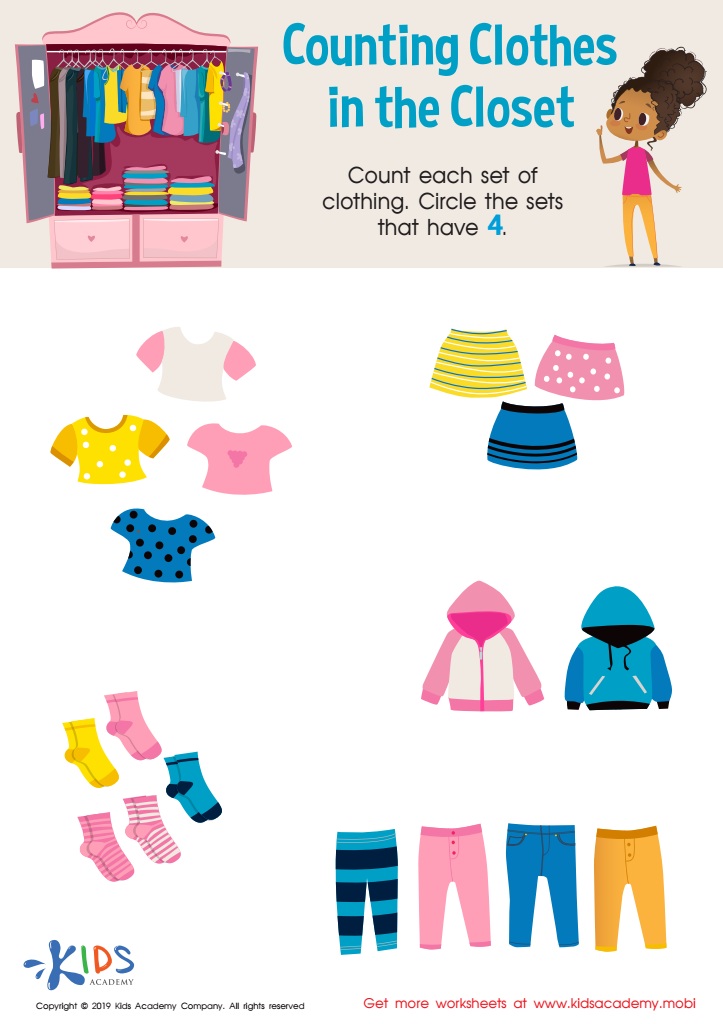
Counting Clothes Worksheet
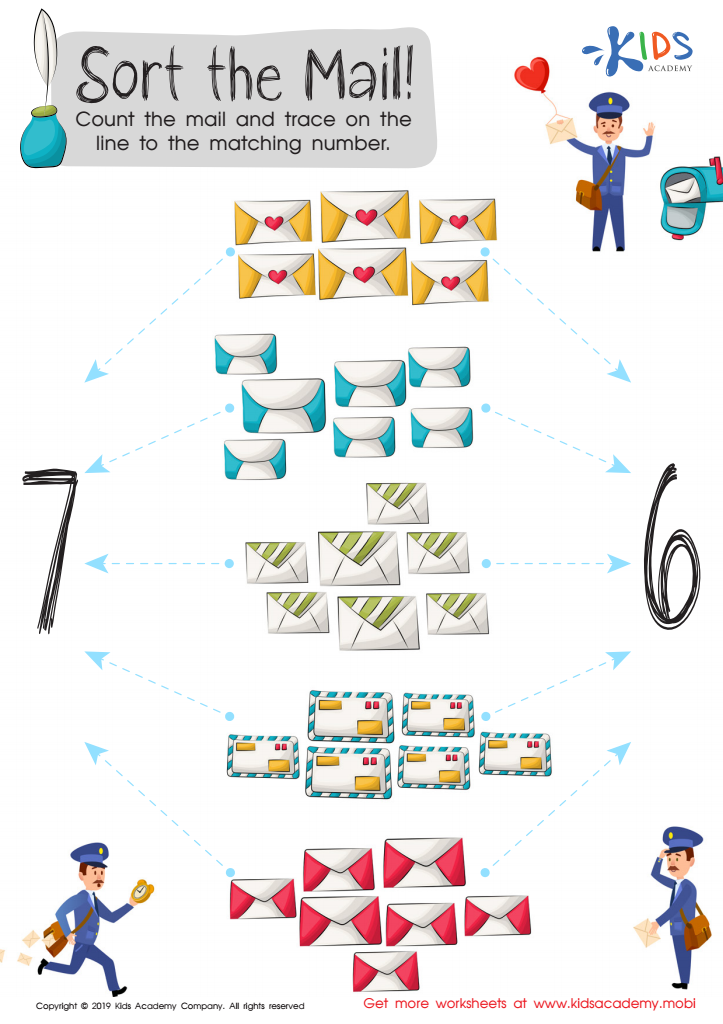
Sort the Mail Worksheet
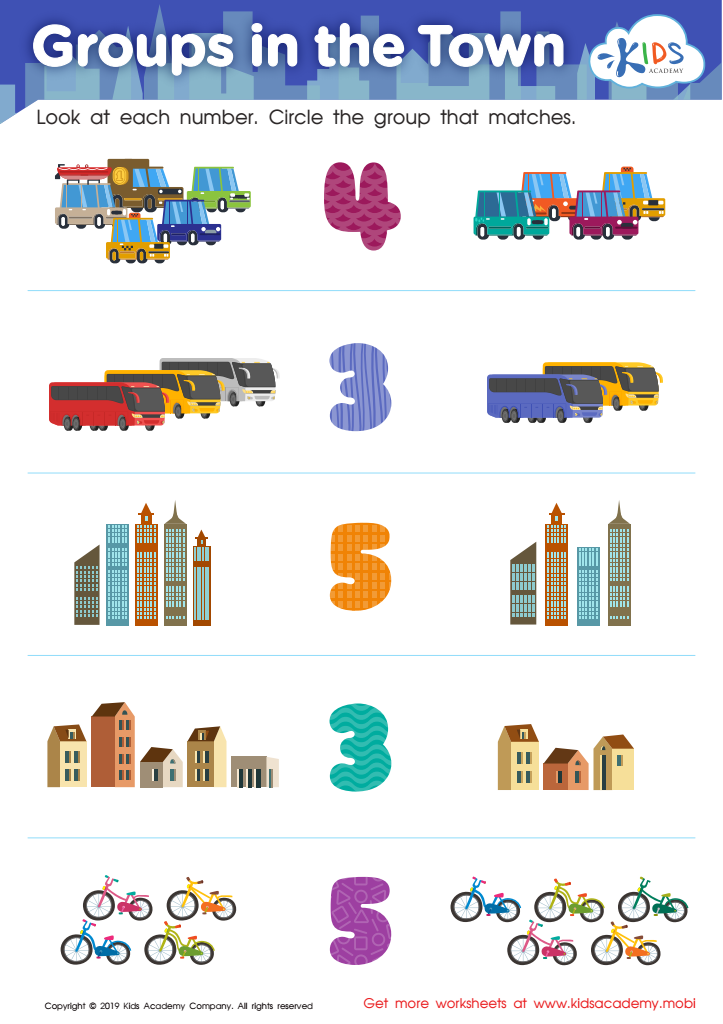
Groups in the Town Worksheet








Parents and teachers should care about categorization skills, particularly in the context of easy numbers for ages 5-9, because these skills lay the foundation for mathematical understanding and cognitive development. Categorization helps children organize information, differentiate between groups, and identify patterns, which are essential skills not only in math but across all subjects.
When children learn to categorize numbers, such as sorting them by size, even or odd status, or grouping similar patterns, they develop critical thinking and problem-solving abilities. These skills also enhance their theoretical understanding of numbers, promoting number sense and paving the way for more complex mathematical concepts like addition, subtraction, and even algebra in later years.
Moreover, categorization fosters effective communication and collaboration as children learn to express their reasoning and engage in discussions about their classifications. It builds a sense of structure and order in their thinking, encouraging independence in learning.
By nurturing these skills in young learners, parents and teachers can boost students' confidence and promote a solid mathematical foundation, thereby preparing them for academic success and lifelong learning. Ultimately, supporting categorization skills can lead to a more engaged, analytical, and enthusiastic approach to mathematics and learning altogether.








