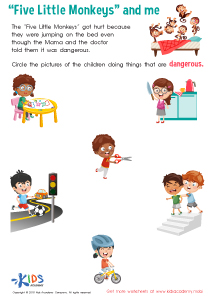
Cognitive Development Easy Building Vocabulary Worksheets for Ages 5-9
4 filtered results
-
From - To
Enhance your child's cognitive development with our easy building vocabulary worksheets, specifically designed for ages 5-9. These engaging activities promote language skills while fostering critical thinking and comprehension. Our worksheets are carefully crafted to introduce new words, encourage sentence formation, and develop a love for reading. Children will enjoy fun and interactive tasks that stimulate their minds, allowing them to build their vocabulary effortlessly. Perfect for homeschooling or supplementary learning, these worksheets provide a valuable resource for parents and educators alike. Dive into a world of words and watch your child thrive as they learn and grow!
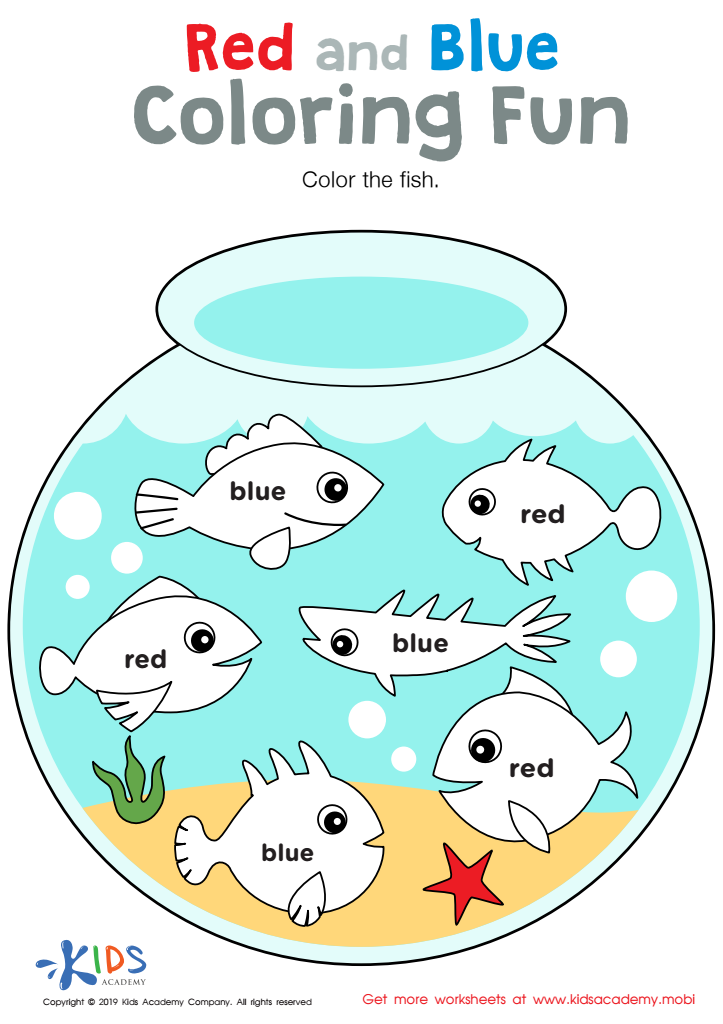
Red and Blue Coloring Fun Worksheet
 Assign to My Students











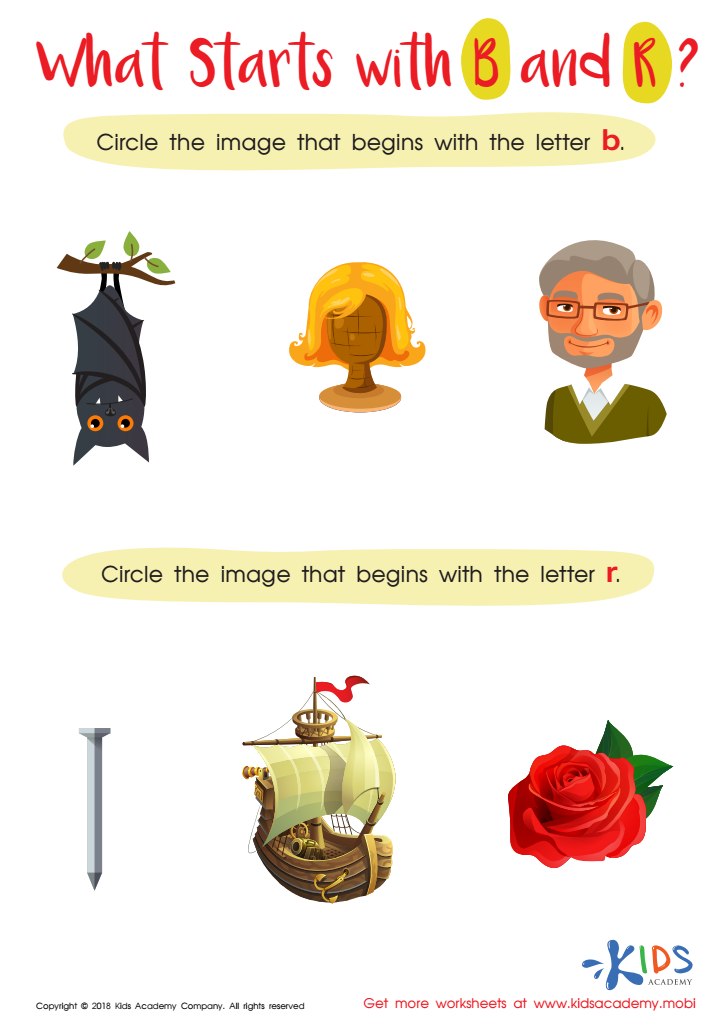
What Starts with B and R? Worksheet
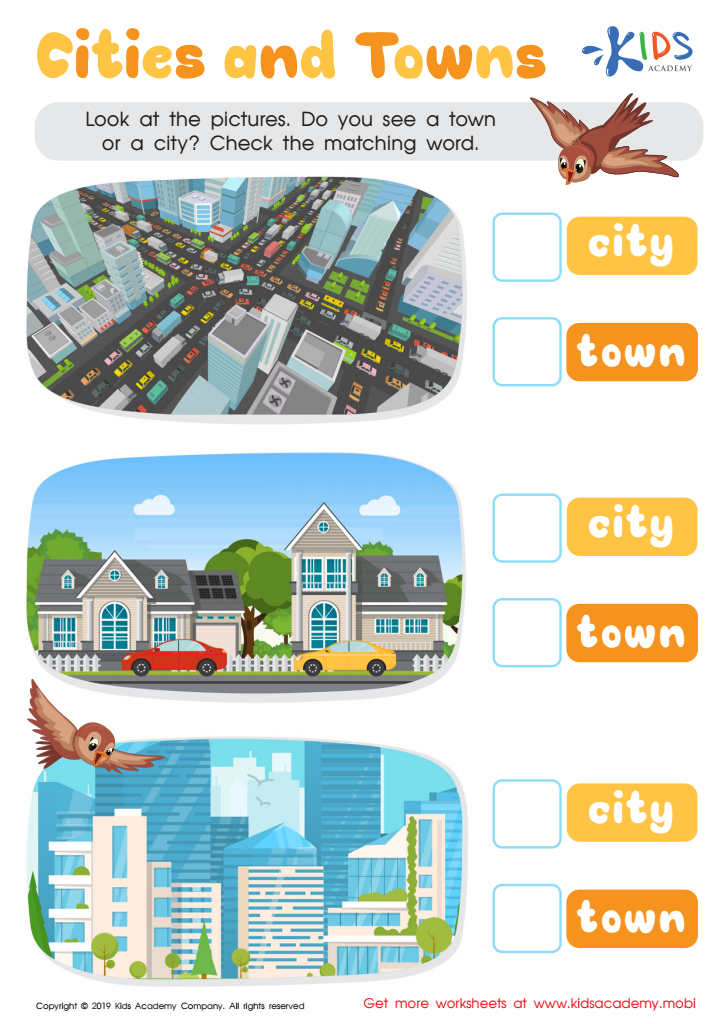
Cities and Towns Worksheet
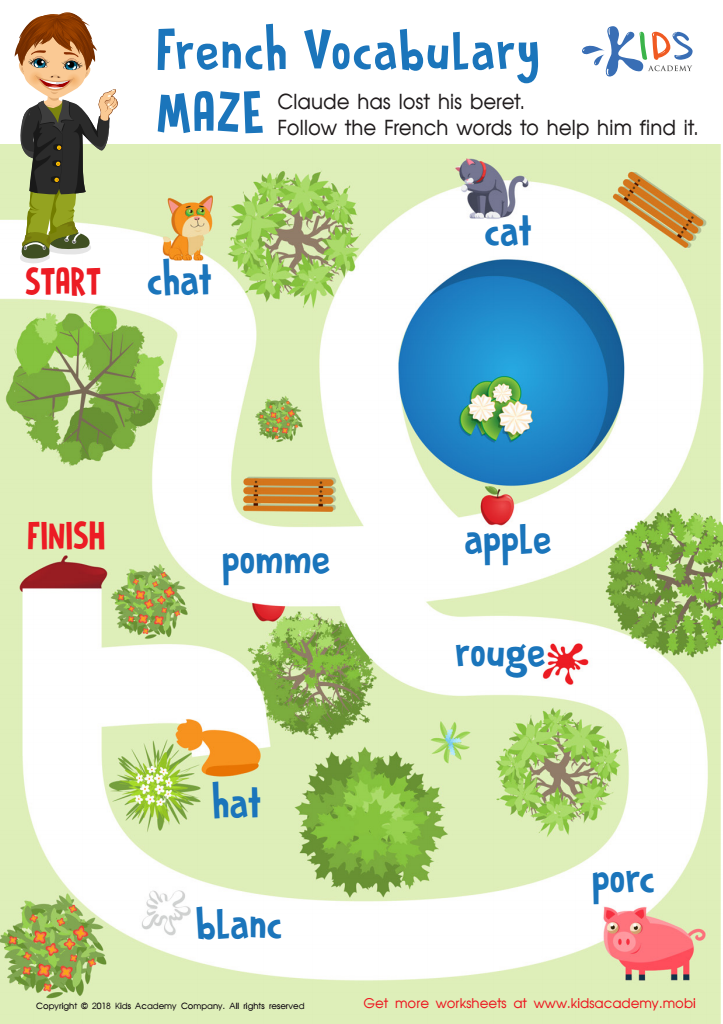
French Vocabulary Maze Worksheet








Cognitive development is crucial during the ages of 5-9, as this is a key period for building essential language skills and vocabulary. Parents and teachers should care about supporting this development because a strong vocabulary lays the foundation for effective communication, which is vital for academic success and social interactions. Children who have a rich vocabulary can express their thoughts clearly, understand instructions better, and engage in meaningful conversations.
Moreover, early vocabulary building enhances literacy skills, making reading comprehension easier as children progress in school. When children encounter new words in context, they develop critical thinking and problem-solving skills, enhancing their overall cognitive abilities. Furthermore, fostering an environment enriched with language—through storytelling, conversations, and reading—can make a significant difference in how children articulate themselves and connect ideas.
Engaging with children in conversations, asking open-ended questions, and encouraging them to describe their thoughts and feelings can greatly enhance their vocabulary development. This investment in early language skills not only sets the stage for future academic achievement but also promotes emotional intelligence and empathy. Overall, prioritizing cognitive development and vocabulary building during these formative years is essential for equipping children with the tools they need to thrive.