Fine Motor Skills Easy Building Vocabulary Worksheets for 5-Year-Olds
3 filtered results
Difficulty Level
Grade
Age
-
From - To
Subject
Activity
Standards
"Fine Motor Skills Easy Building Vocabulary Worksheets for 5-Year-Olds" are designed to enhance your child’s learning experience by combining vocabulary development with fine motor skills practice. Tailored for young learners, these engaging worksheets offer a fun, hands-on way to build essential language and writing skills. Each activity focuses on boosting hand-eye coordination, pencil control, and letter formation, all while expanding your child's vocabulary. Ideal for kindergarten students, these worksheets make learning interactive and enjoyable, ensuring your child gains confidence in both their motor abilities and literacy skills. Explore our collection to support your child’s educational journey today!
Favorites
With answer key
Interactive
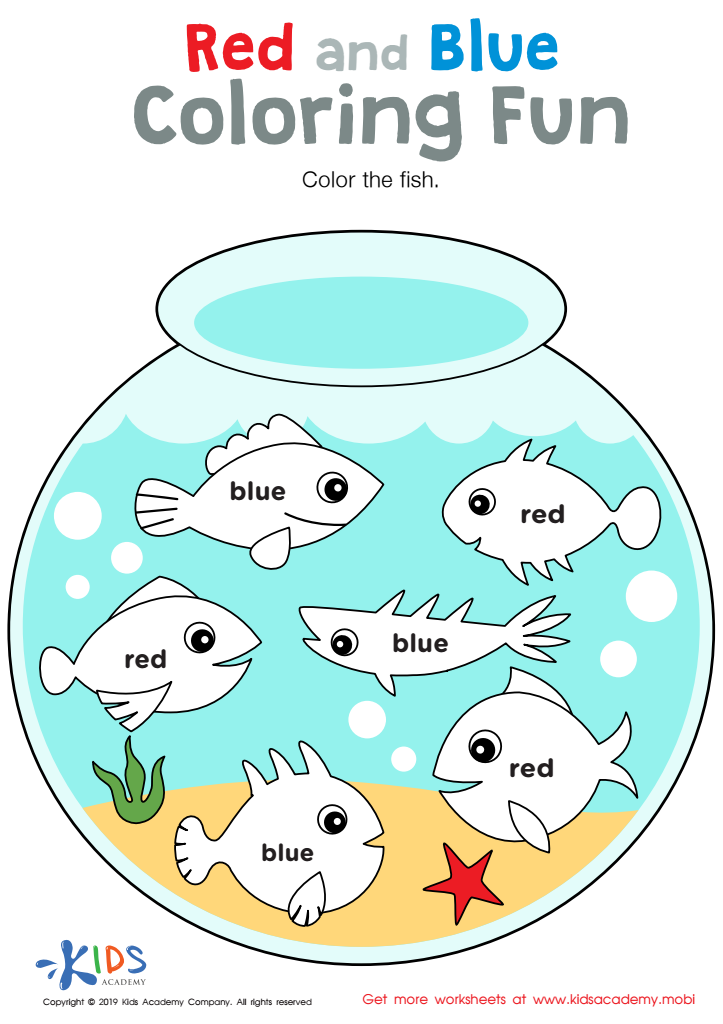
Red and Blue Coloring Fun Worksheet
Kids know colors like red and blue. But can they read these words? Give them practice with this fun fish bowl coloring sheet. They'll look at the fish, then color them the corresponding hue. Home or classroom, they'll be sure to get a kick out of learning colors in this creative way!
Download (PDF)
 Assign to My Students
Assign to My Students
Red and Blue Coloring Fun Worksheet
Worksheet











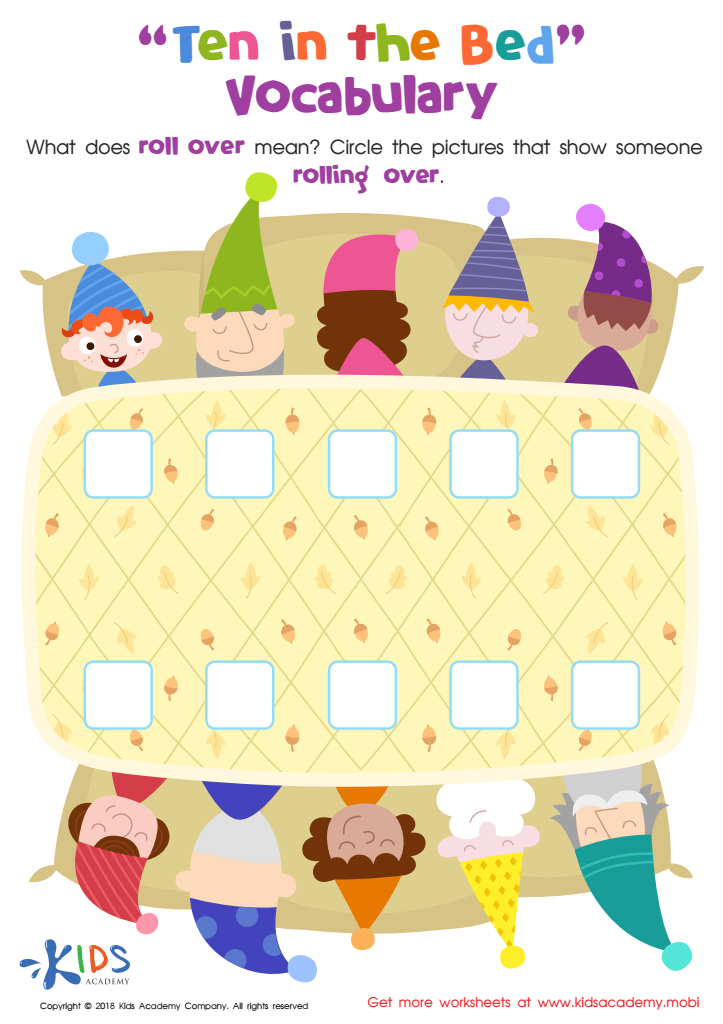
Ten in the Bed: Vocabulary Worksheet
It's essential for emerging readers to be proficient in positional and directional words. This worksheet uses cheerful faces to help students identify who has "rolled over". Knowing these words is an essential part of reading and writing for pre-K and Kindergarteners. It also helps them to follow directions and use precise language.
Ten in the Bed: Vocabulary Worksheet
Worksheet
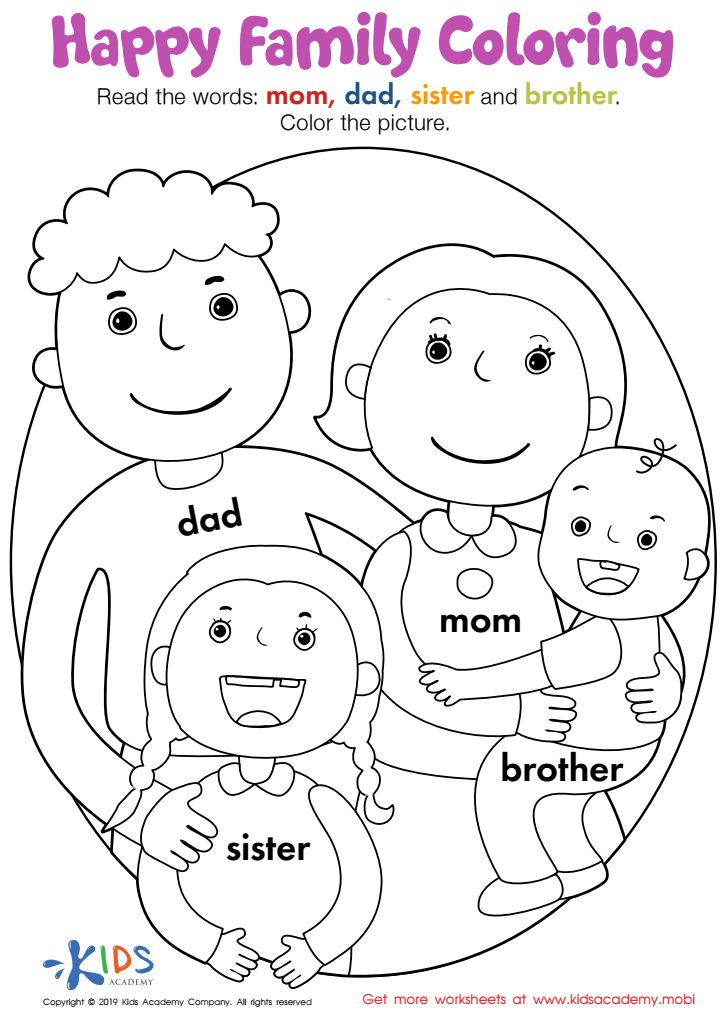
Happy Family Coloring Worksheet
Help your students gain confidence in family vocabulary with this worksheet. Labelled images of a family (dad, mom, sister, brother) are featured, along with an accompanying activity to colour in the picture. Your students will feel a sense of accomplishment after reading and completing the printable.
Download (PDF)
Assign to My Students
Assign to My Students
Happy Family Coloring Worksheet
Worksheet
Join Kids Academy for Free
Who is primarily going to use this learning content?








Parents and teachers should care about fine motor skills and building vocabulary for 5-year-olds because these foundational abilities are critical for successful learning and development. Fine motor skills involve the coordination of small muscles in hands and fingers, which are essential for tasks like writing, cutting with scissors, and buttoning clothing. By developing these skills early on, children enhance their hand-eye coordination, dexterity, and ability to focus on tasks. This proficiency makes learning in school easier and more enjoyable, helping children to engage more fully in classroom activities.
Building a robust vocabulary at this age is equally important. A strong vocabulary enables children to express themselves more clearly, understand instructions, and engage in richer conversations. This linguistic foundation supports reading comprehension, as children will be better able to decode and understand new words they encounter in texts. Additionally, a broad vocabulary fosters critical thinking and creativity, giving children the tools to explore and articulate ideas more effectively.
Together, strong fine motor skills and an expansive vocabulary arm children with the necessary skills to navigate their educational journey with confidence and curiosity. These competencies not only contribute to academic success but also support social and emotional development, making it easier for children to collaborate, solve problems, and build relationships.