Counting practice Easy Worksheets for Ages 6-7 - Page 2
27 filtered results
-
From - To
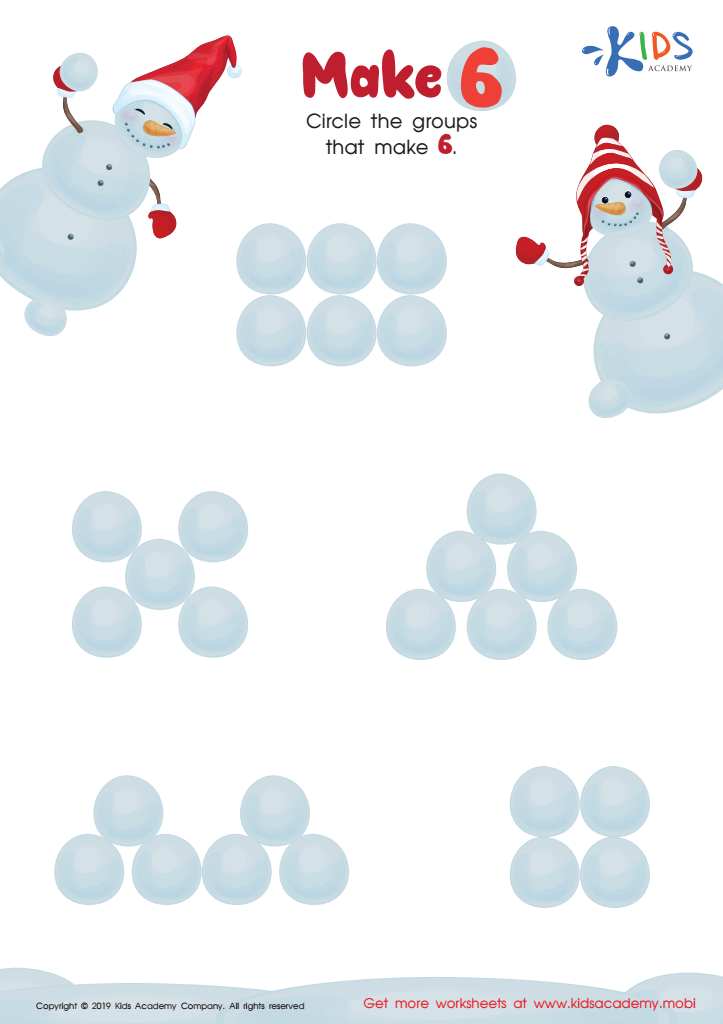
Make 6 Worksheet
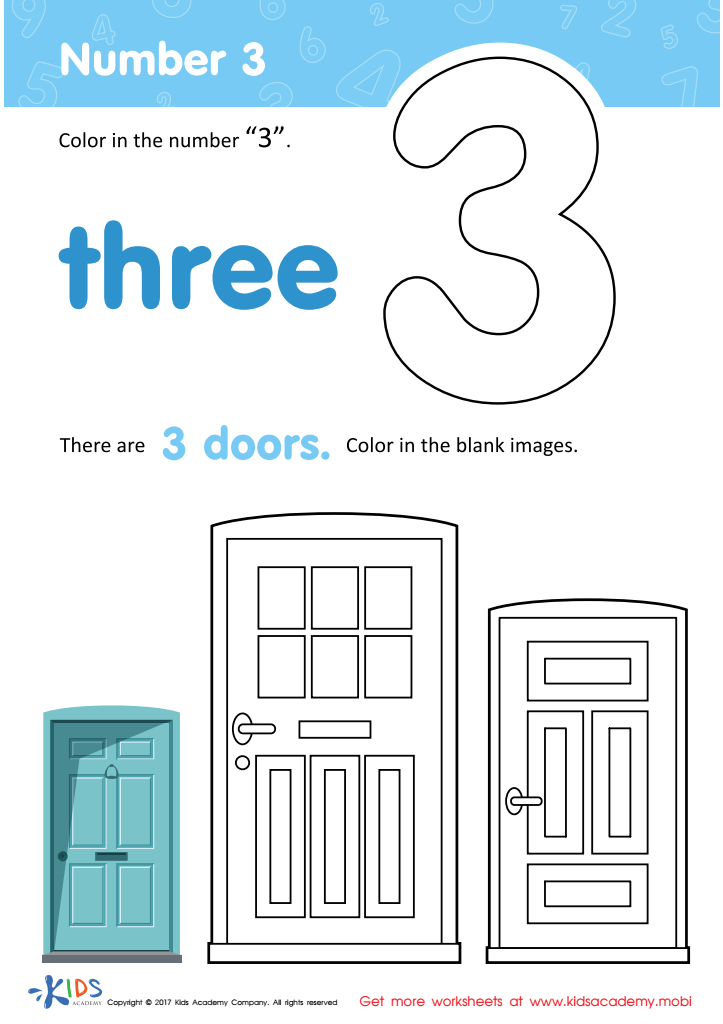
Number 3 Worksheet
 Assign to My Students
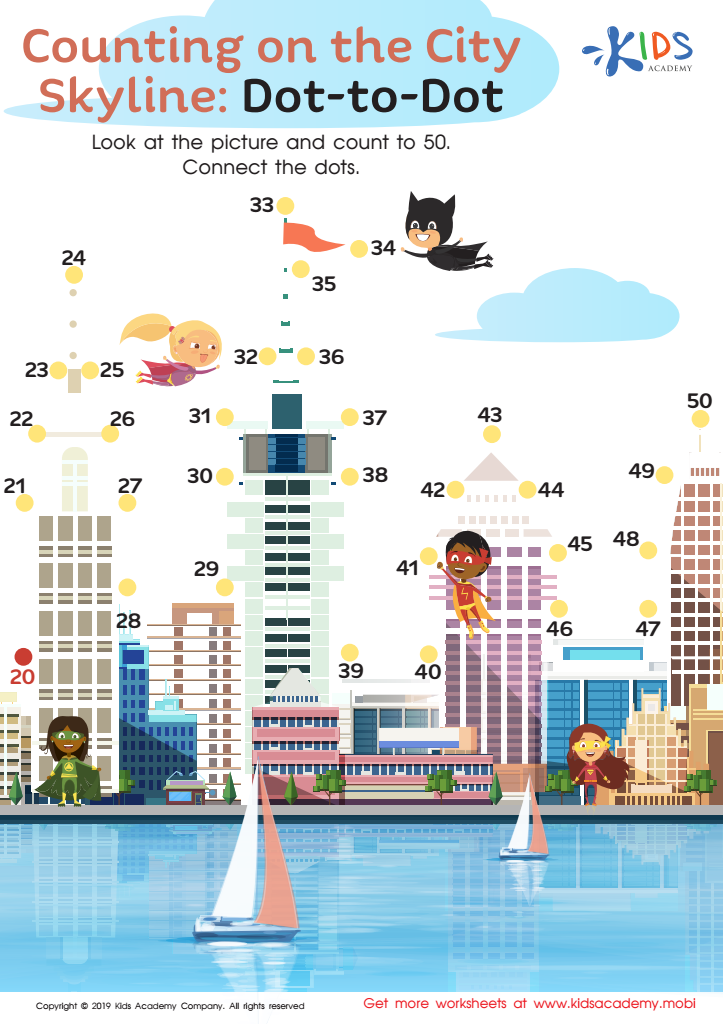
Counting on the City Skyline: Dot-to-Dot Worksheet





.jpg)
Counting practice is a fundamental skill for children ages 6-7, serving as a cornerstone for future mathematical learning. During these formative years, children are developing their number sense—the ability to understand, relate, and connect numbers. Counting is not just about reciting numbers in order; it helps kids grasp the concepts of addition, subtraction, and the very basics of multiplication and division. These form the foundation for more complex mathematical operations they will encounter in later grades.
Incorporating counting practice in early education also enhances cognitive skills, such as memory, concentration, and problem-solving abilities. Children learn to recognize patterns, understand sequencing, and make logical connections, which are crucial skills not only in mathematics but in other subjects and everyday tasks.
Moreover, early success in counting can significantly boost a child's confidence in their ability to tackle more challenging tasks. Positive early math experiences can lead to a lasting interest and enthusiasm for the subject, reducing anxiety and self-doubt later on.
Parents and teachers can integrate counting practices through engaging activities like games, songs, and hands-on tasks, making learning enjoyable. This solid foundation in counting sets the stage for academic success and builds essential life skills, highlighting why it deserves special attention for children ages 6-7.








