Improving counting skills Easy Worksheets for Ages 6-7
6 filtered results
-
From - To
Boost your child's counting skills with our engaging and easy worksheets designed specifically for ages 6-7. These resources help young learners develop a solid foundation in numbers through fun activities that promote counting, addition, and subtractions. Each worksheet is carefully crafted to align with early math standards, offering a variety of exercises that ensure kids stay motivated and enthusiastic. From counting objects to solving simple math problems, our printable worksheets make learning enjoyable and effective. Help your child build confidence in their math abilities today with our interactive counting activities, available for download on our website. Explore and watch them thrive!
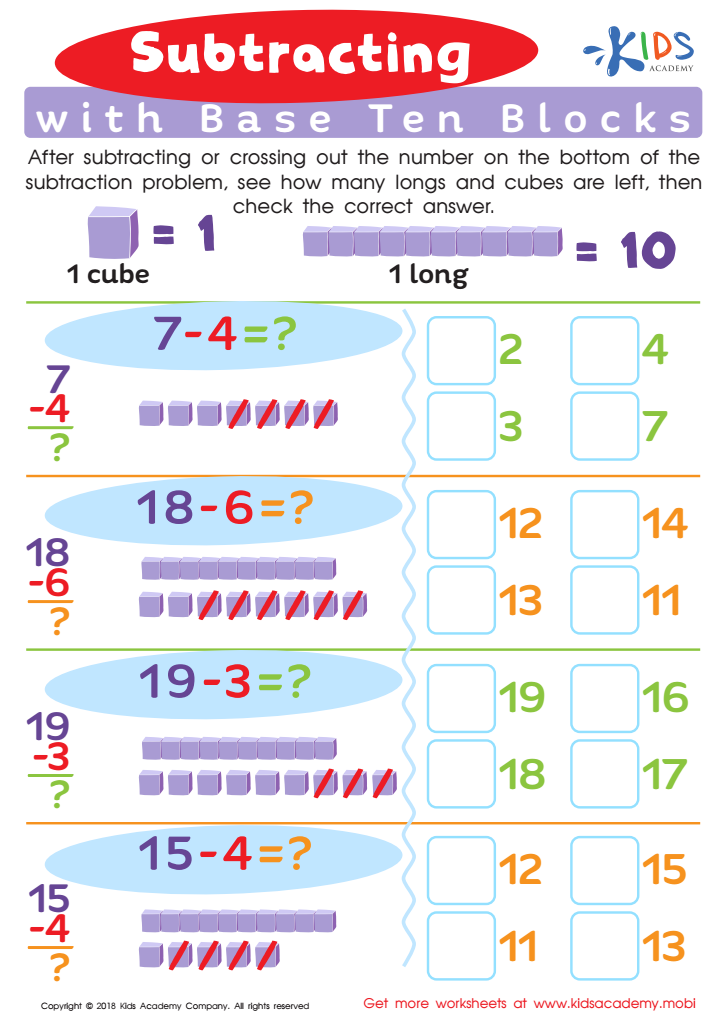
Subtracting With Base 10 Blocks Worksheet
 Assign to My Students
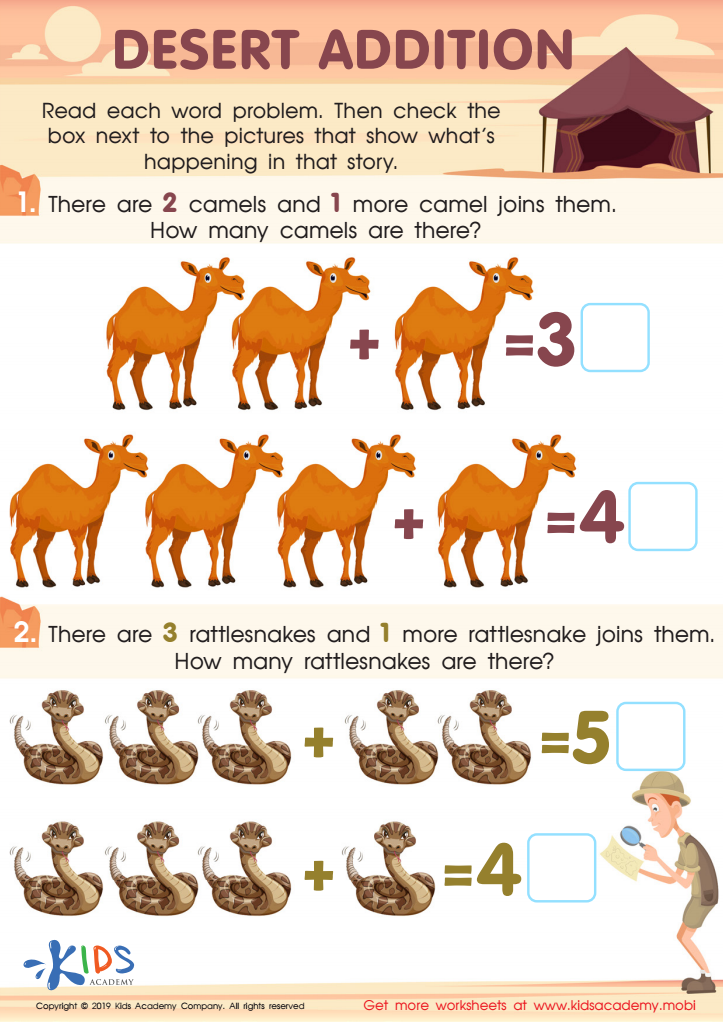
Desert Addition Worksheet
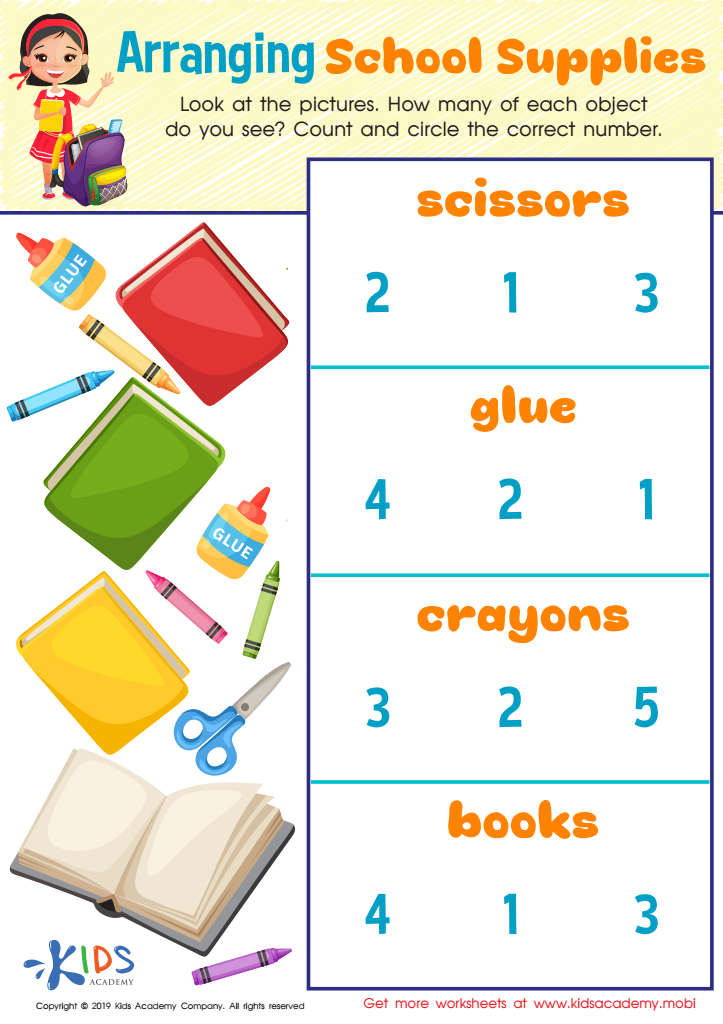
Arranging School Supplies Worksheet
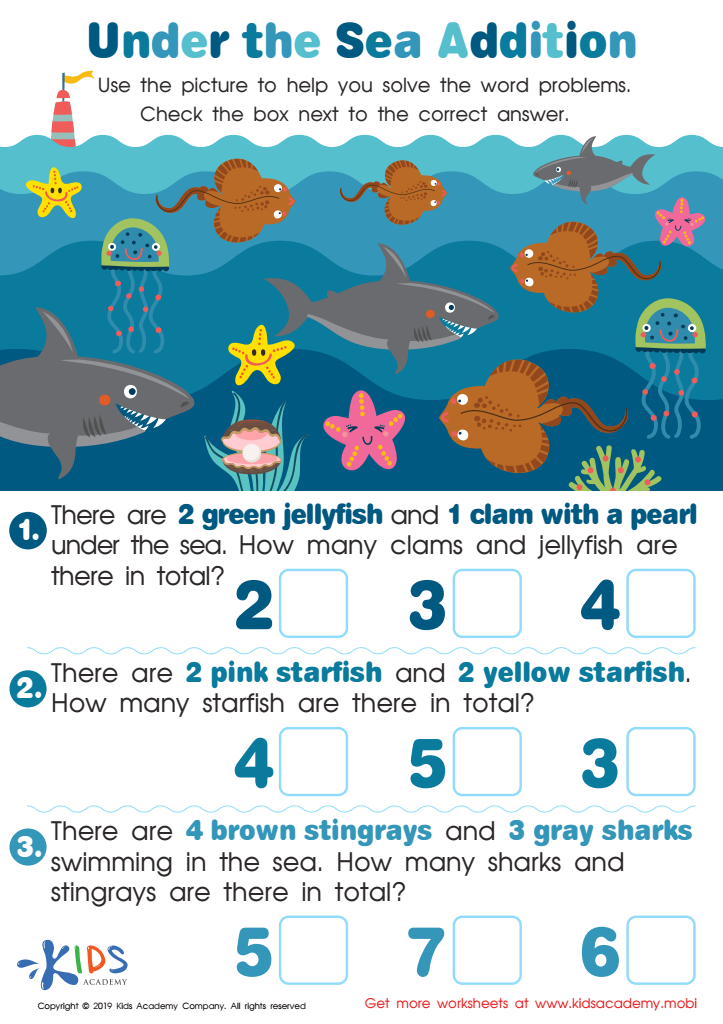
Under the Sea Addition Worksheet
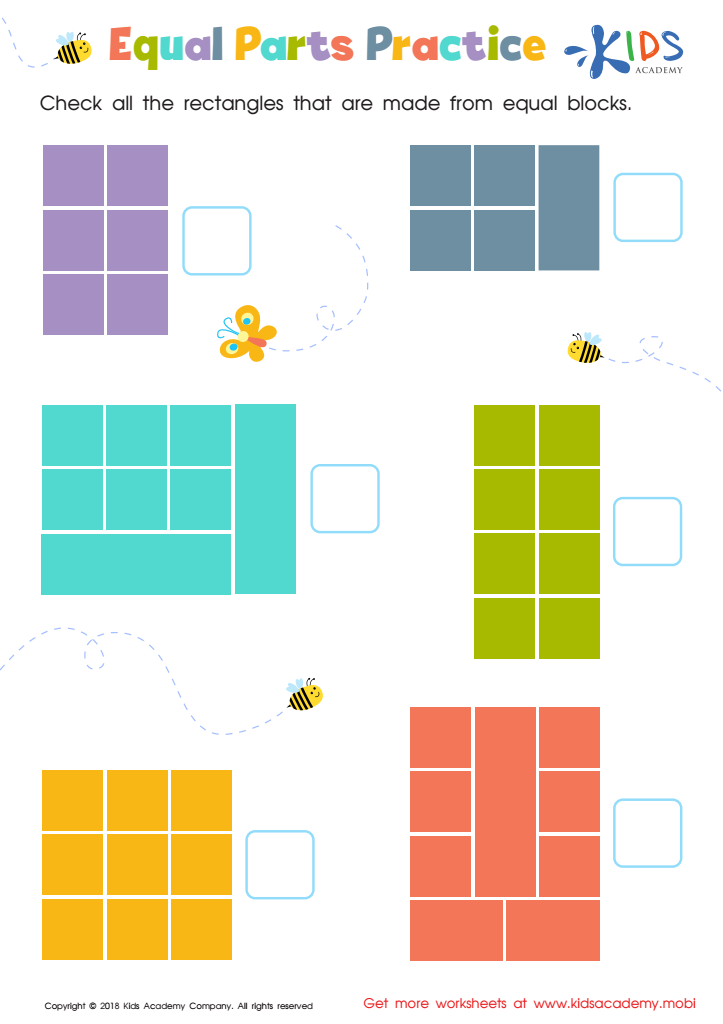
Equal Parts Practice Worksheet
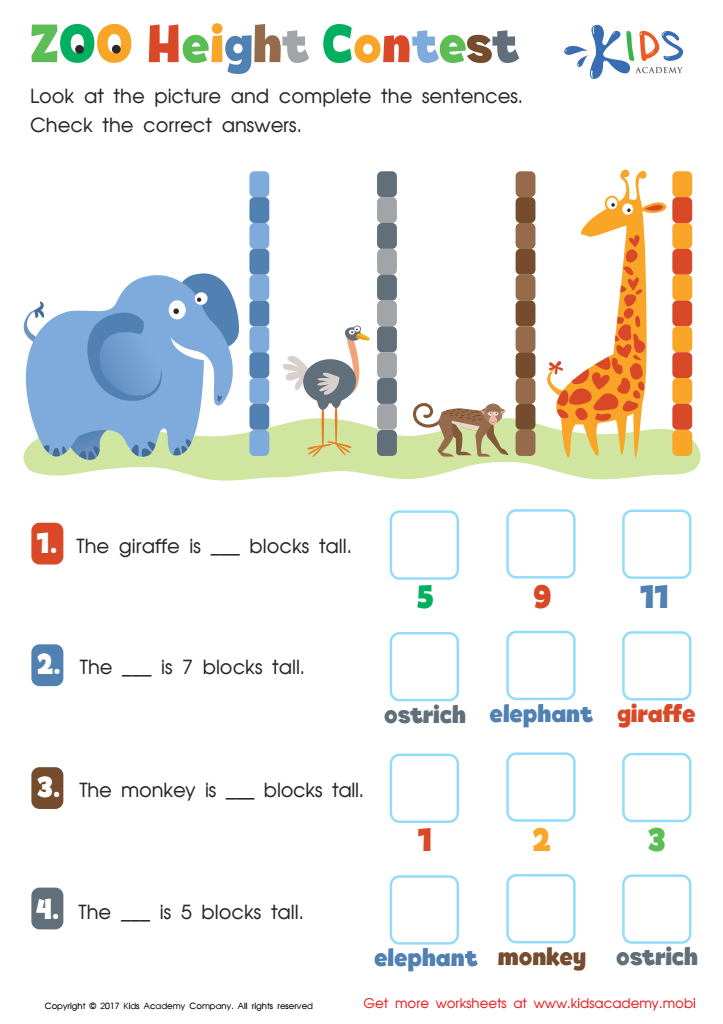
Zoo Height Contest Worksheet



.jpg)



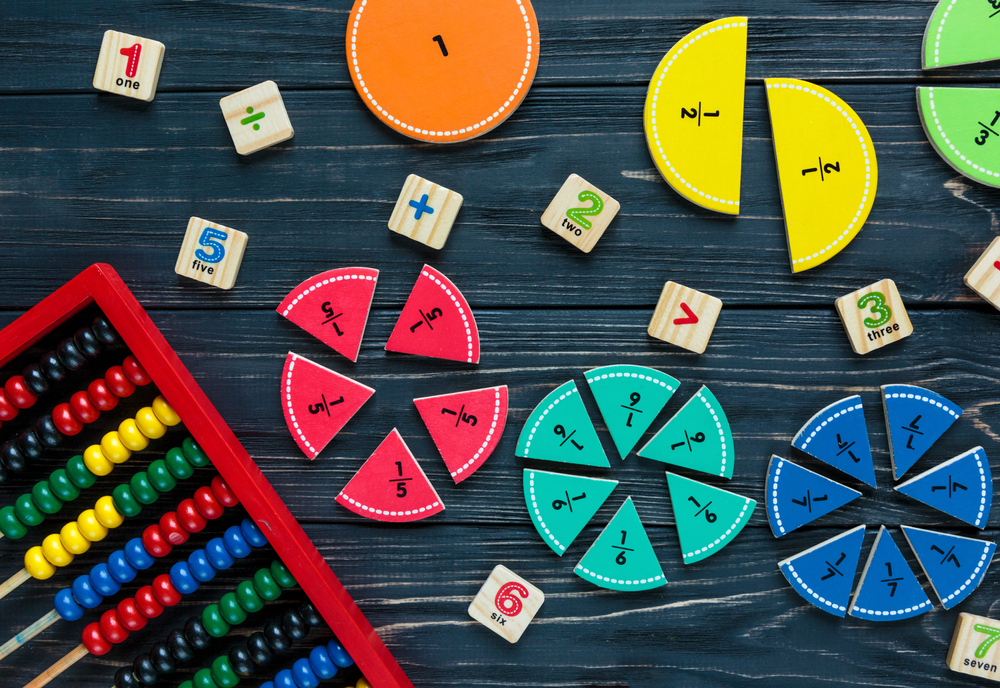
Improving counting skills in children aged 6-7 is crucial for their overall development and future learning. At this age, children are building foundational math skills that will serve them throughout their education. Strong counting abilities help children understand basic mathematical concepts, such as addition and subtraction, which are essential for more complex problem-solving in later grades.
Furthermore, counting skills boost cognitive development by enhancing memory and critical thinking. It also builds self-confidence; when children master counting, they feel a sense of achievement that motivates them to engage more in learning. Additionally, counting is not just a math skill; it intersects with various daily life activities, such as measuring ingredients in cooking, understanding time, or even managing money, helping children relate academics to real-world experiences.
Teachers and parents play a vital role in fostering counting skills through engaging games and everyday experiences. Simple activities like counting toys, clapping hands, or playing number-based board games can make learning fun and effective. By prioritizing counting skills, parents and teachers actively contribute to a child's academic success and help lay a robust foundation for future learning. Investing in these skills early ensures children are better equipped for the challenges of more advanced mathematics.








