Shape identification Easy Worksheets for Ages 6-7
6 filtered results
-
From - To
Unlock the power of learning with our "Shape Identification Easy Worksheets for Ages 6-7." These carefully designed worksheets simplify the learning process, making it fun and engaging for young minds. Perfect for first graders, each worksheet combines vibrant imagery with interactive tasks to help kids recognize and name basic shapes like circles, squares, triangles, and more. These exercises build strong foundational skills in geometry and enhance critical thinking abilities. Ideal for classroom or home use, our printable worksheets provide a stress-free introduction to shapes, ensuring children develop essential visual and cognitive skills. Download now for free, and transform learning into a playful adventure!
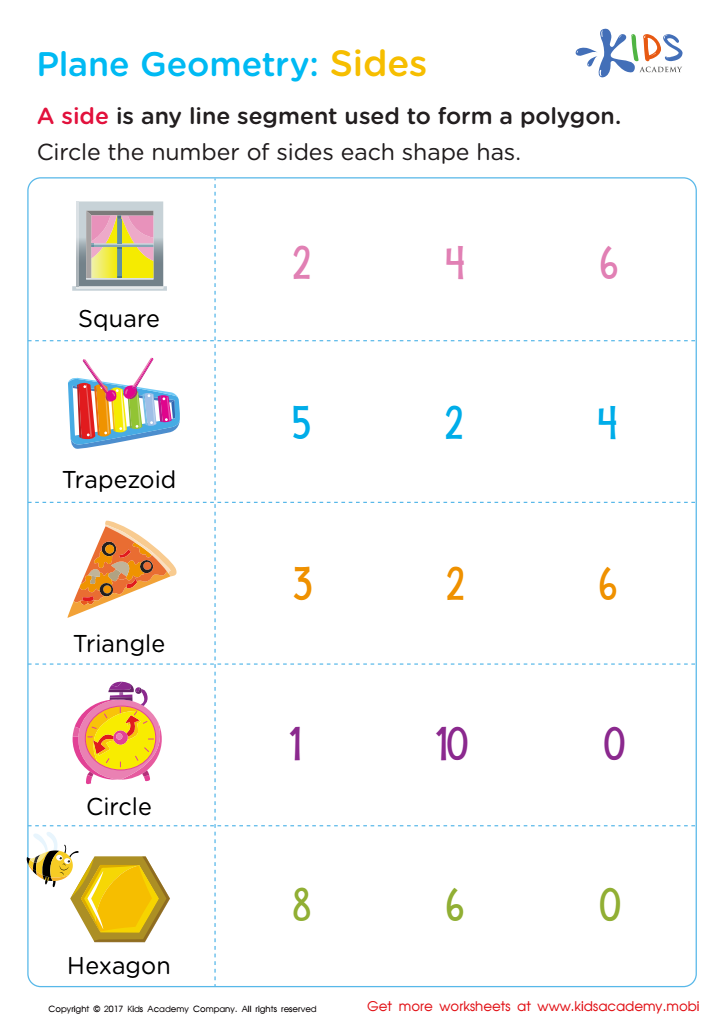
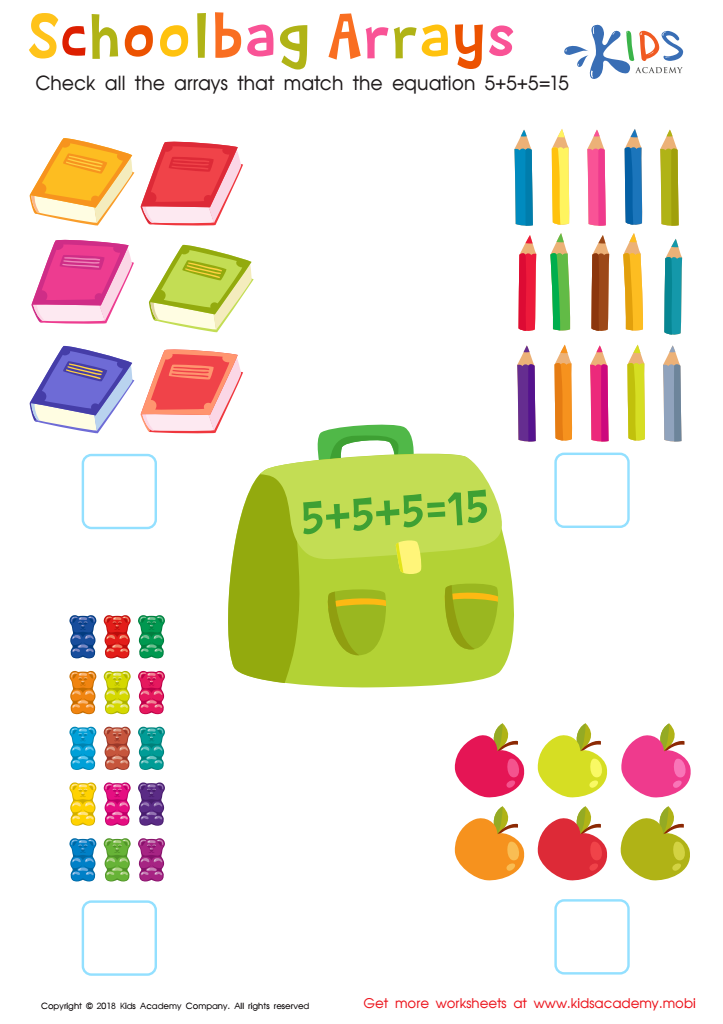
Schoolbag Arrays Worksheet
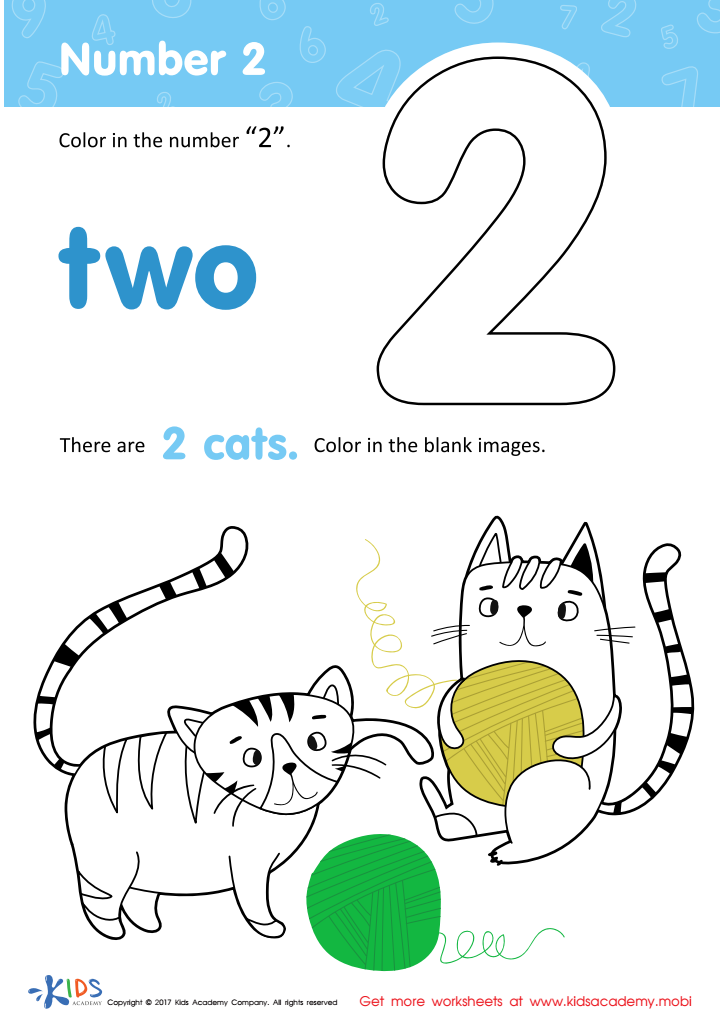
Number 2 Printable
 Assign to My Students
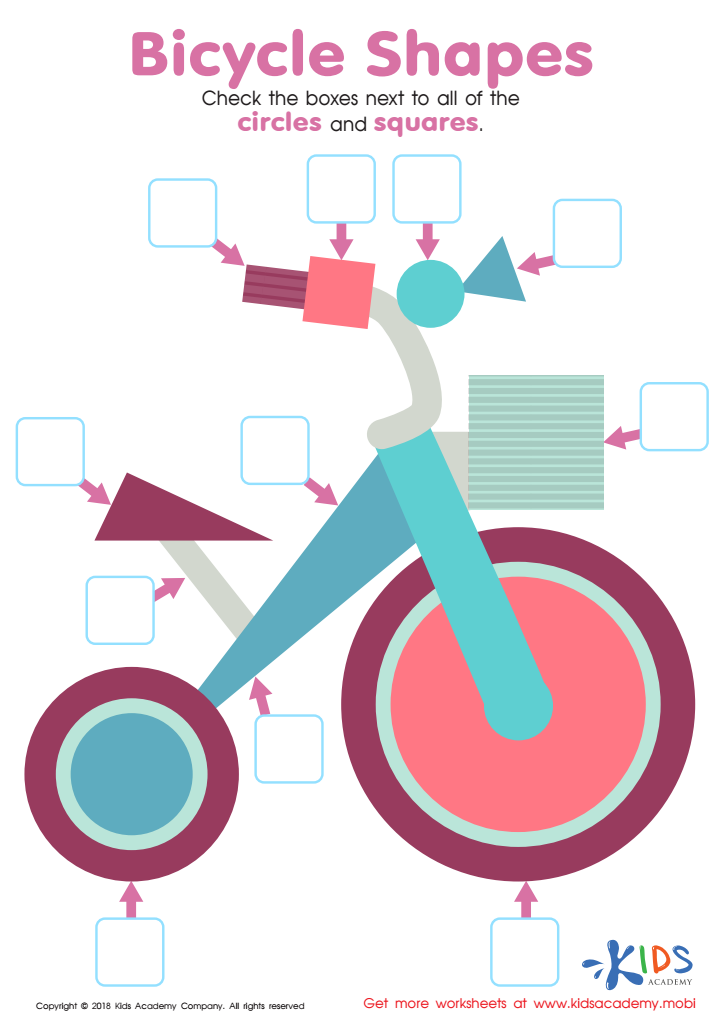
Bicycle Shapes Worksheet
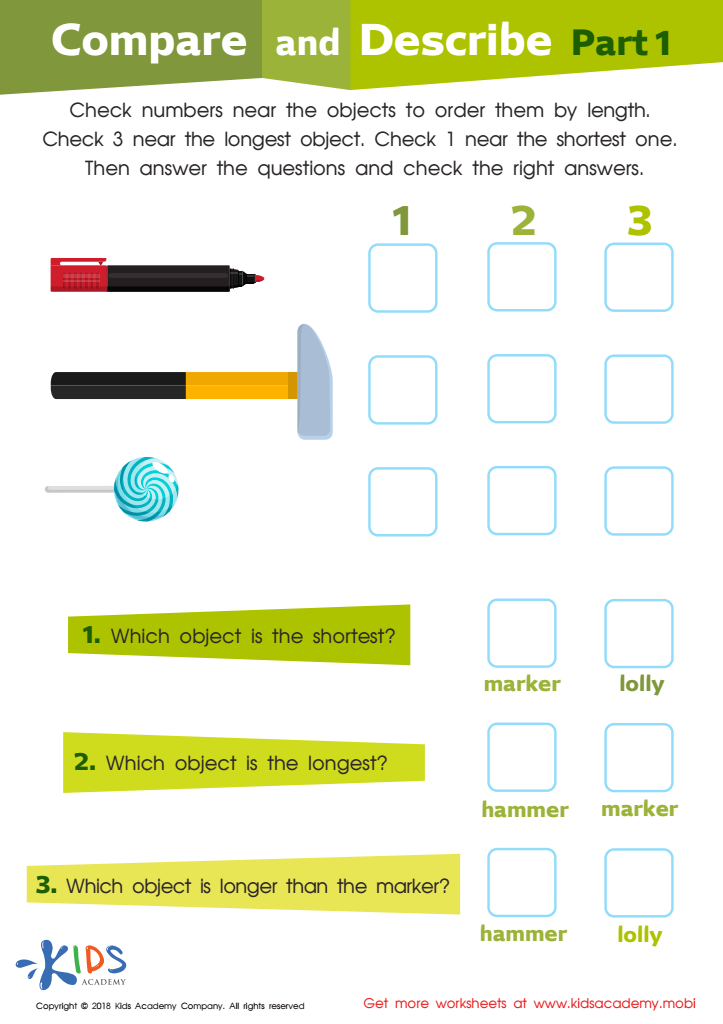
Compare and Describe: Part 1 Worksheet
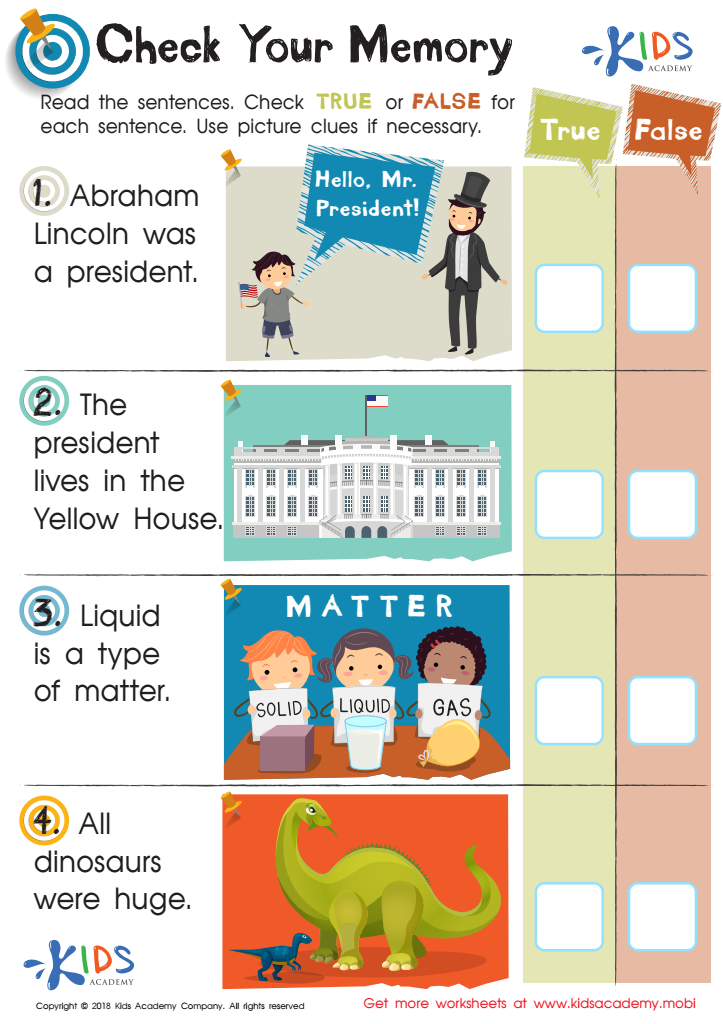
Check Memory Worksheet



.jpg)




Shape identification is a fundamental skill that significantly benefits children ages 6-7, serving as a building block for both cognitive development and future academic success. At this stage, children are developing critical thinking and problem-solving abilities, and recognizing different shapes enhances these essential skills. By identifying shapes, children learn to categorize and organize the world around them, which helps improve their attention to detail and observational skills.
Moreover, shape recognition is closely linked to early math skills. Understanding geometric shapes forms the basis of geometry— a core component of math curricula in later years. Shapes also lay the groundwork for understanding more complex concepts like symmetry, spatial reasoning, and even fractions.
Literacy skills are another area positively impacted by shape identification. Many letters and numbers have distinct shapes, and the ability to differentiate these shapes can significantly boost reading and writing proficiency.
Furthermore, recognizing shapes aids in physical coordination and motor skills. Activities that involve cutting, drawing, or assembling shapes enhance fine motor skills, preparing children for writing tasks.
Ultimately, shape identification fosters a comprehensive set of skills that contribute to overall learning and development, making it crucial for parents and teachers to support and encourage this at an early age.








