Understanding Sequences Easy Worksheets for Ages 6-7
4 filtered results
-
From - To
Welcome to our "Understanding Sequences Easy Worksheets" tailored for children aged 6-7! These engaging worksheets are designed to help young learners grasp the concept of sequences in a fun and interactive way. Through colorful visuals and simple exercises, kids will develop critical thinking skills by identifying patterns and ordering events. Our carefully crafted worksheets not only enhance math readiness but also boost cognitive skills essential for early learning. Perfect for home or classroom use, these resources make learning sequences enjoyable and effective. Dive into a world of exploration and watch your child thrive in understanding the beauty of patterns and sequences!
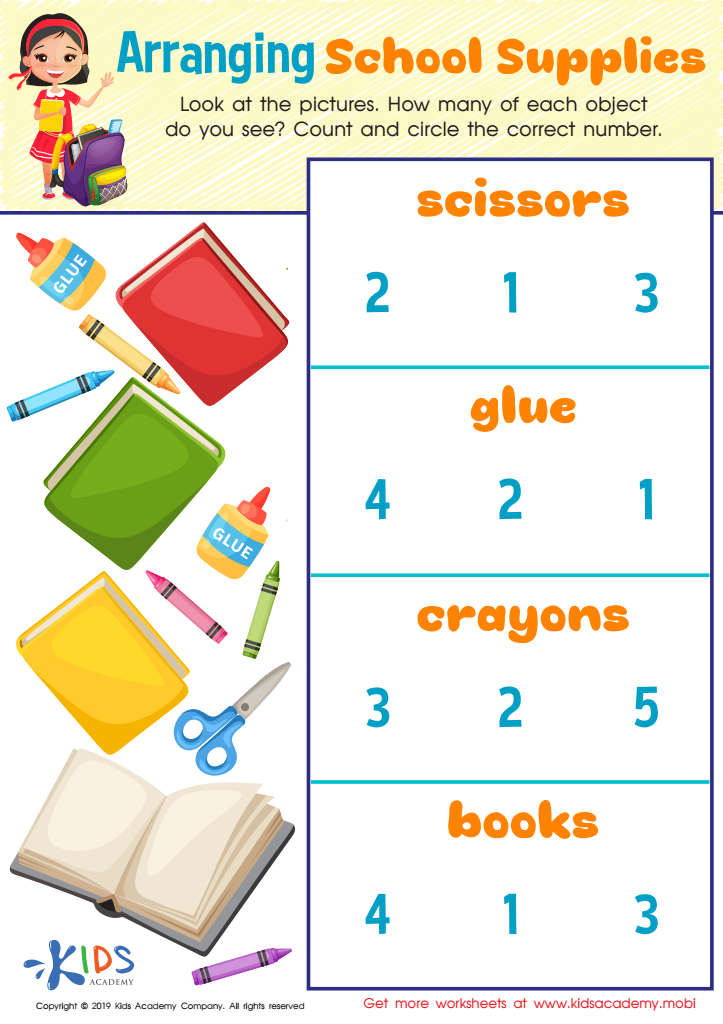
Arranging School Supplies Worksheet
 Assign to My Students
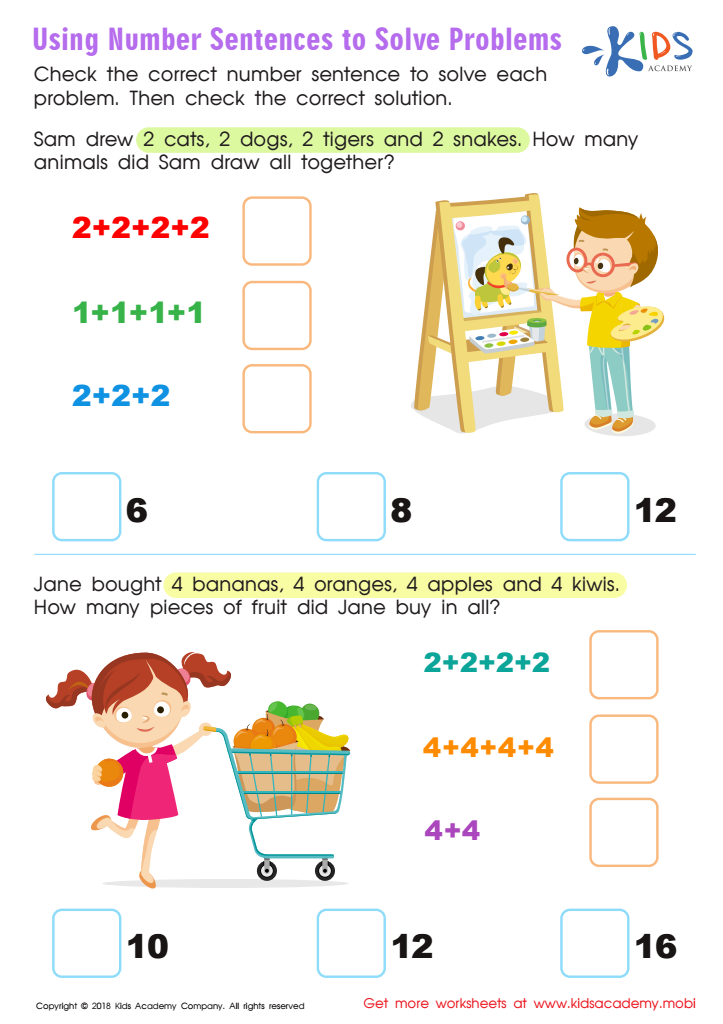
Using Number Sentences to Solve Problems Worksheet
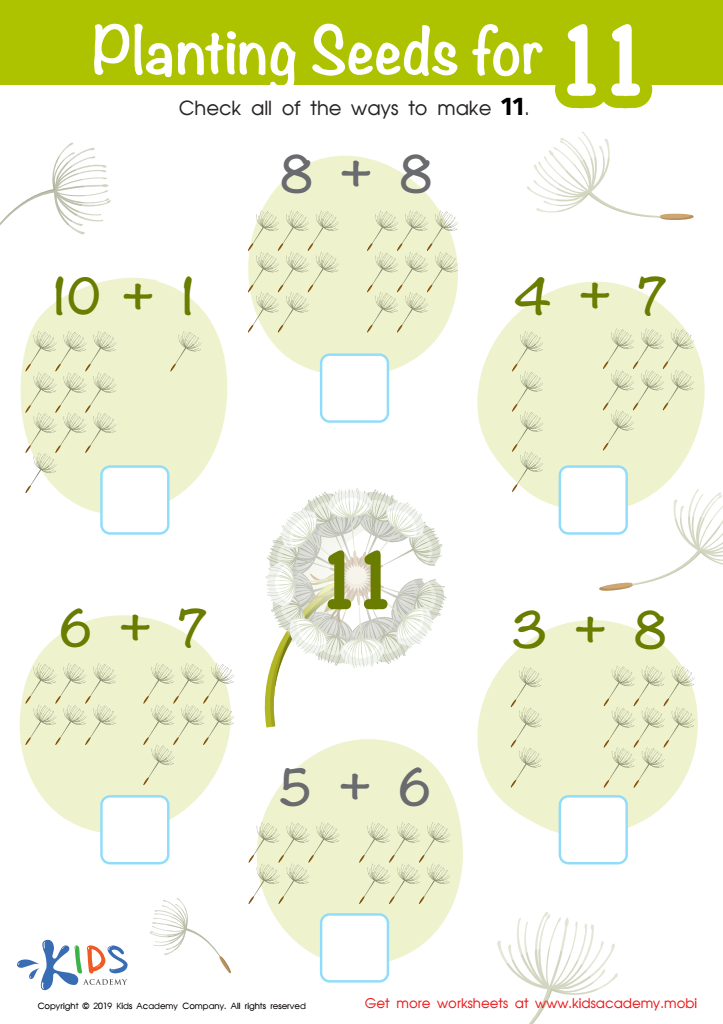
Planting Seeds for 11 Worksheet
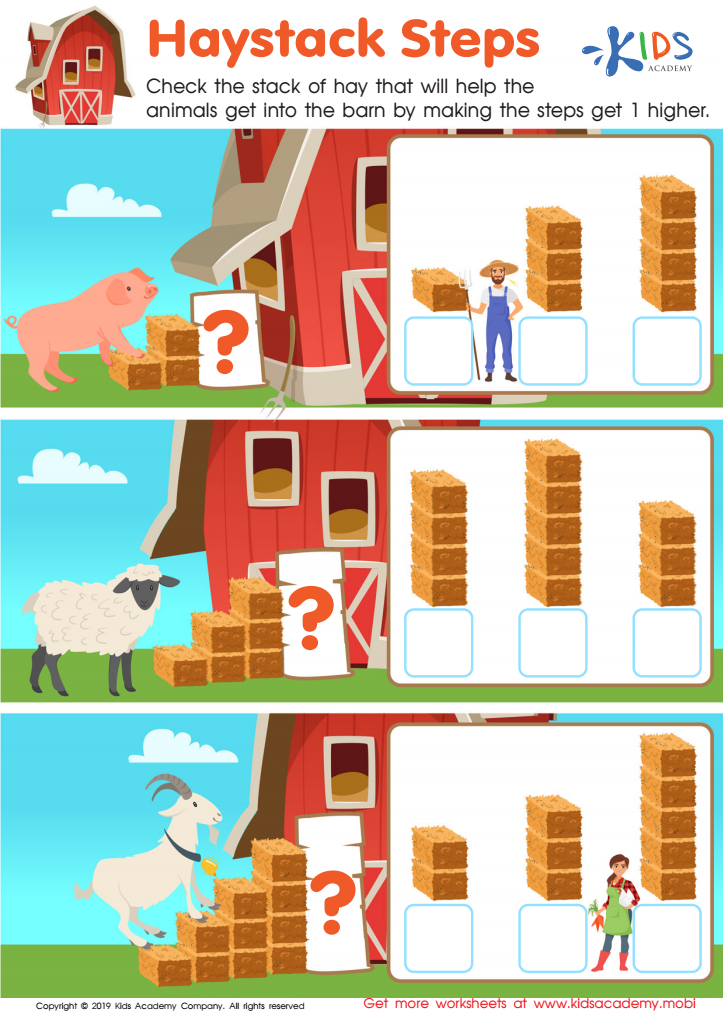
Haystack Steps Worksheet







Understanding sequences is a foundational skill for children ages 6-7, significantly influencing their cognitive and mathematical development. Parents and teachers should care about this skill because it serves as a building block for later learning in mathematics and problem-solving. Sequences help children grasp patterns, which are essential for understanding more complex concepts such as addition, multiplication, and even algebra as they progress in school.
By recognizing and creating sequences, children learn to think critically and develop logical reasoning skills. These abilities are not just pertinent to math; they are crucial for everyday decision-making and scientific reasoning. Additionally, understanding sequences engages young learners, making math fun and relatable.
This foundational skill also enhances language development, as children articulate patterns and relationships in their everyday lives. Furthermore, working on sequences promotes attention and persistence, valuable traits for academic success.
Ultimately, a strong grasp of sequences empowers children to tackle greater challenges with confidence and curiosity. Thus, it is essential for parents and educators to prioritize this skill in curricula and home learning, fostering a love for math and a solid educational foundation for future growth.








