Fine Motor Skills Easy Fractions of Shapes Worksheets for Ages 6-7
4 filtered results
-
From - To
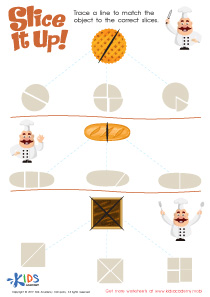
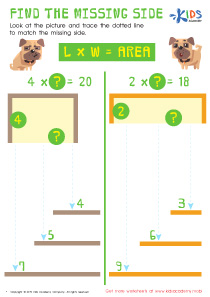
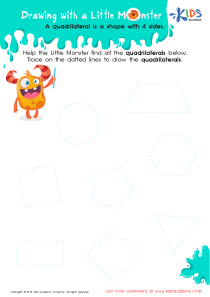
Unlock your child's potential with our "Fine Motor Skills Easy Fractions of Shapes Worksheets" tailored for ages 6-7. These engaging worksheets combine essential fraction concepts with fun activities designed to enhance fine motor skills. Your child will learn to identify and color fractions of various shapes, improving their hand-eye coordination and pencil control. Perfect for home or classroom use, these worksheets make learning fractions interactive and enjoyable. Transform math practice into an exciting adventure, fostering early math confidence and fine motor precision. Visit our webpage and start building a strong educational foundation today!
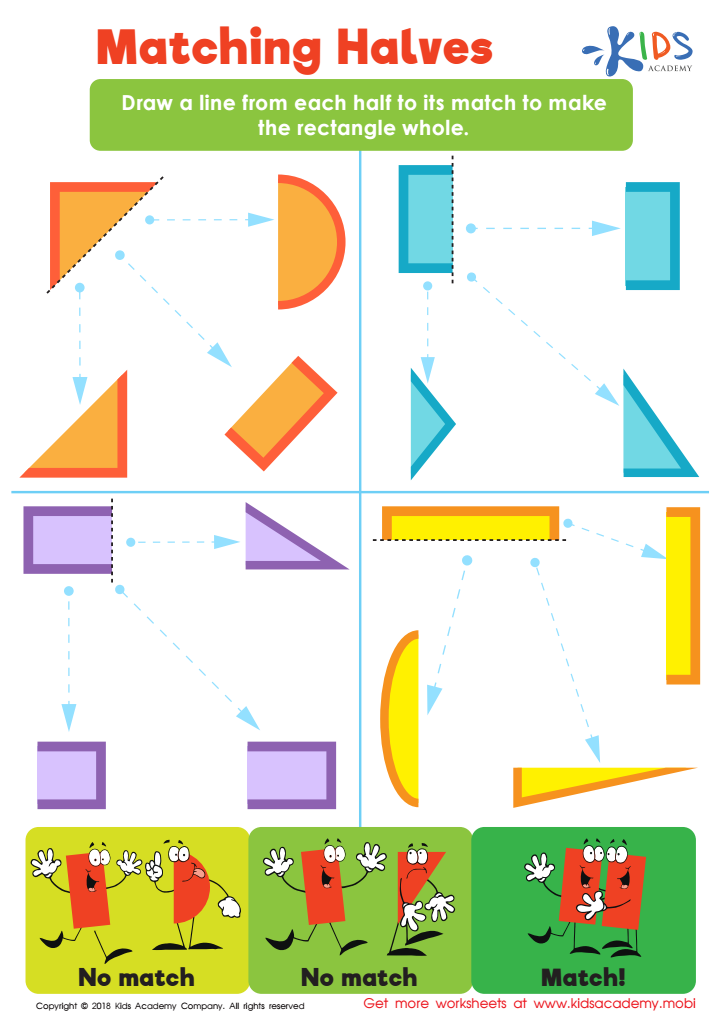
Matching Halves Worksheet
 Assign to My Students
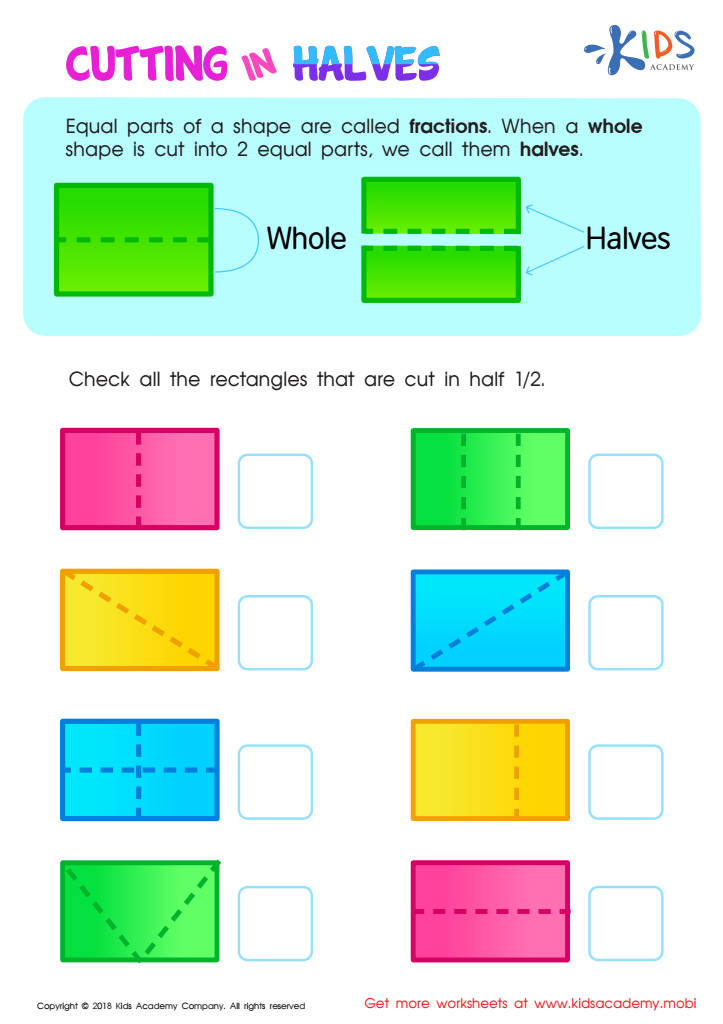
Cutting in Halves Worksheet
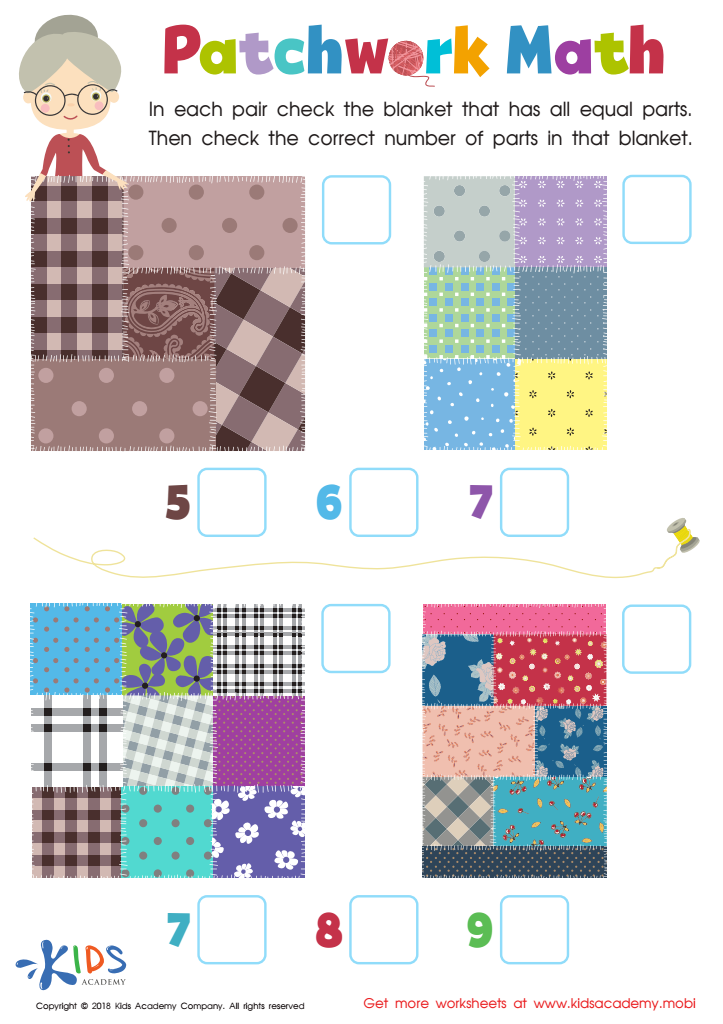
Patchwork Math Worksheet
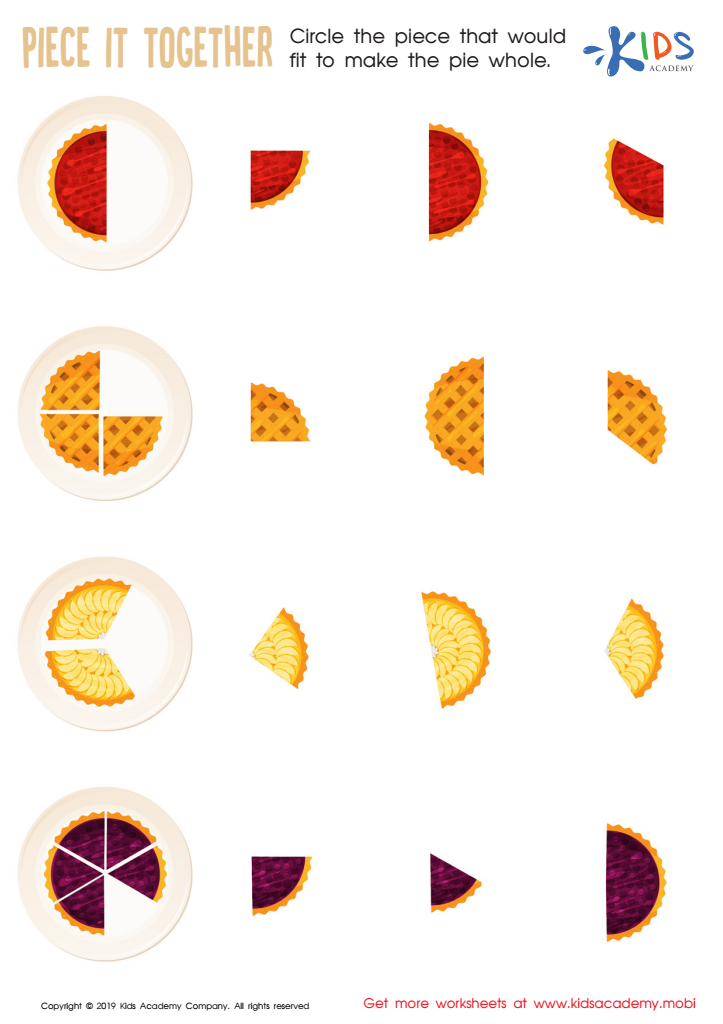
Piece it together Worksheet








Fine motor skills and early understanding of fractions are both critical for the development of children aged 6-7, serving as foundational blocks for more complex tasks and concepts. Fine motor skills involve the coordination of small muscles in activities like writing, cutting with scissors, or manipulating small objects. These skills are crucial for children’s academic success and daily activities. For instance, improved dexterity aids in legible handwriting, better control during art and craft activities, and precision in using school tools, leading to greater confidence and independence.
Simultaneously, introducing fractions using shapes at this age paves the way for mathematical literacy. Fractions might seem advanced, but using shapes simplifies the concept, making it relatable and easier to grasp. Children start recognizing parts of a whole, enhancing their spatial reasoning and problem-solving abilities. Understanding basic fractions through engaging, hands-on activities also lays the groundwork for more complicated math topics they will encounter later.
Combining the two — fine motor skills and fractions — can be particularly effective. For example, cutting shapes into fractions or coloring segments of shapes involves fine motor tasks while teaching math concepts. This integrative approach enriches their learning experience, supports cognitive development, and prepares children for future academic challenges. Therefore, parents and teachers should prioritize both areas to promote well-rounded educational and developmental growth.