Color recognition Easy Math Worksheets for Ages 6-7
6 filtered results
-
From - To
Discover engaging and educational Color Recognition Easy Math Worksheets designed for ages 6-7. These vibrant activities seamlessly blend math and color identification to enhance learning. Ideal for young learners, each worksheet focuses on fundamental math concepts, such as counting, addition, and subtraction, while reinforcing color recognition skills. Our expertly-crafted worksheets ensure a fun and interactive experience for children, helping to build a strong foundation in both math and visual differentiation. Unlock your child's potential with resources that make learning exciting and effective. Perfect for use at home or in the classroom. Visit Kids Academy for endless learning possibilities.
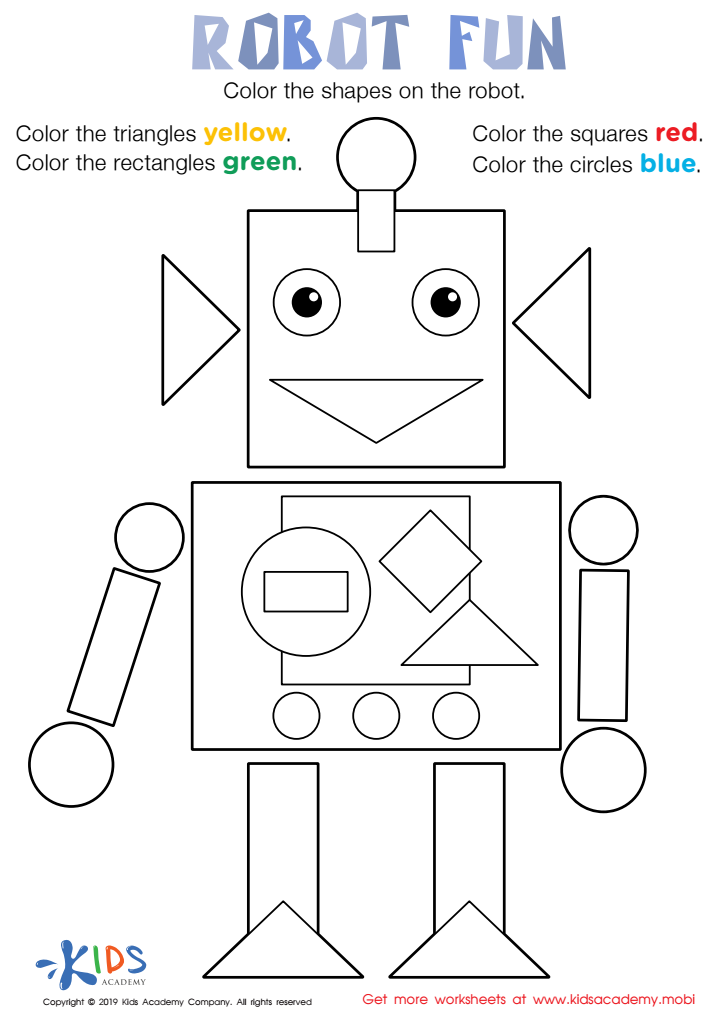
Robot Fun Worksheet
 Assign to My Students
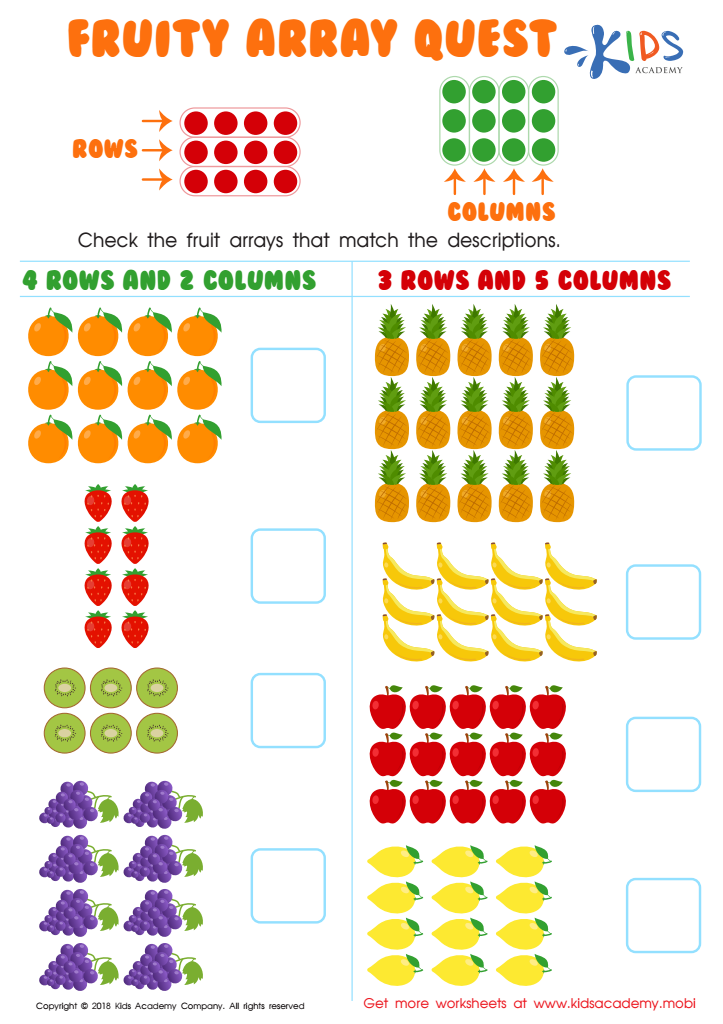
Fruity Array Quest Worksheet
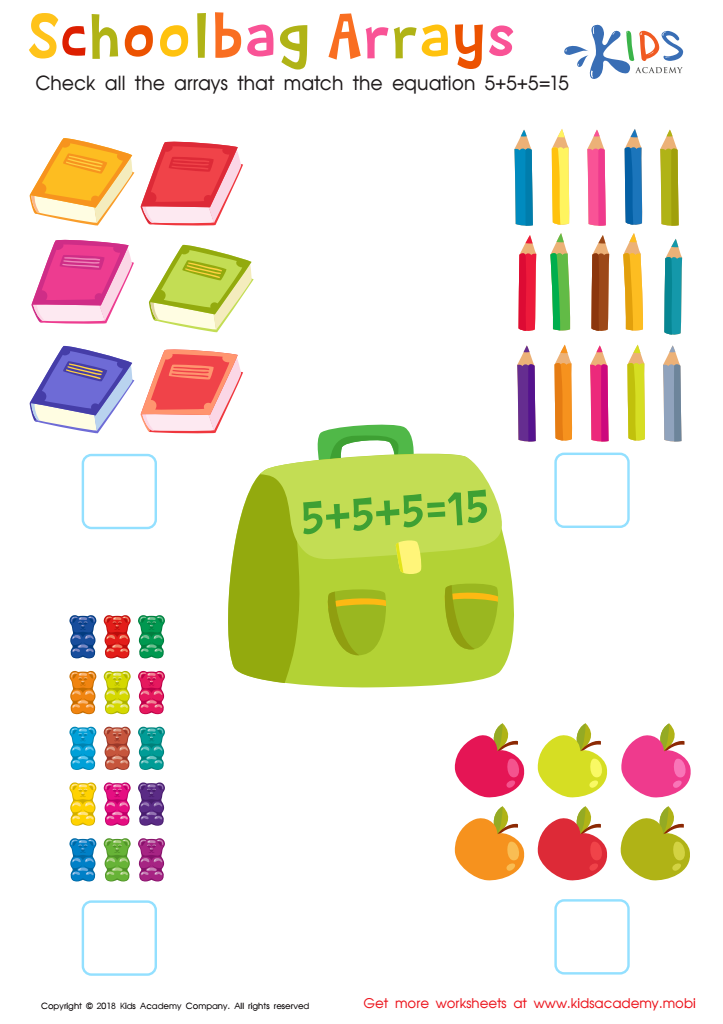
Schoolbag Arrays Worksheet
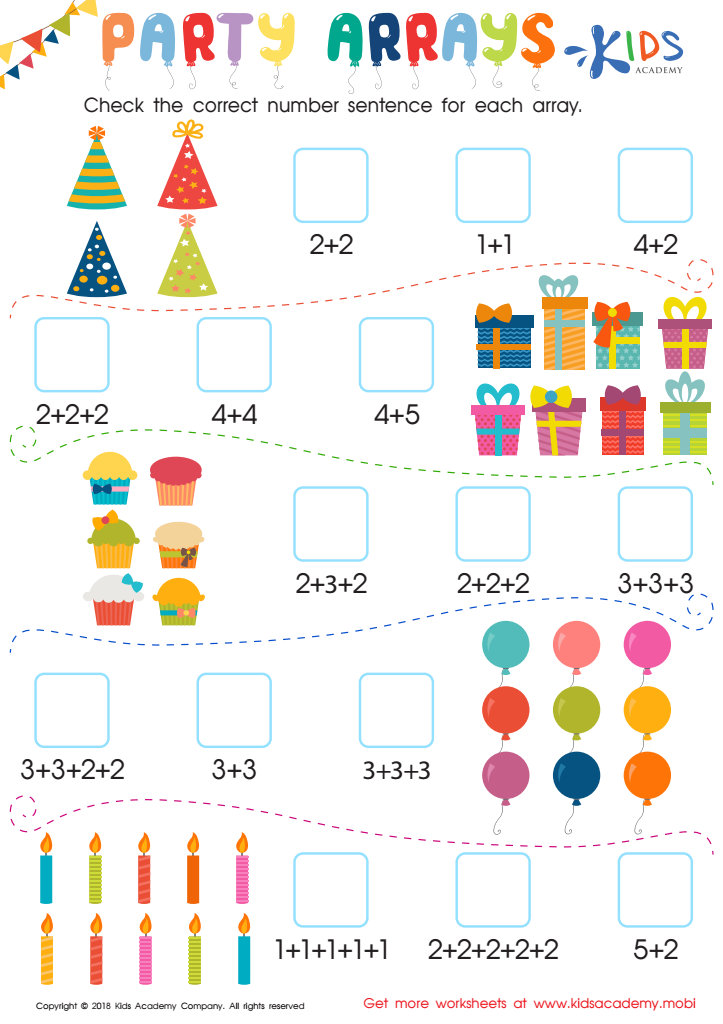
Party Arrays Worksheet
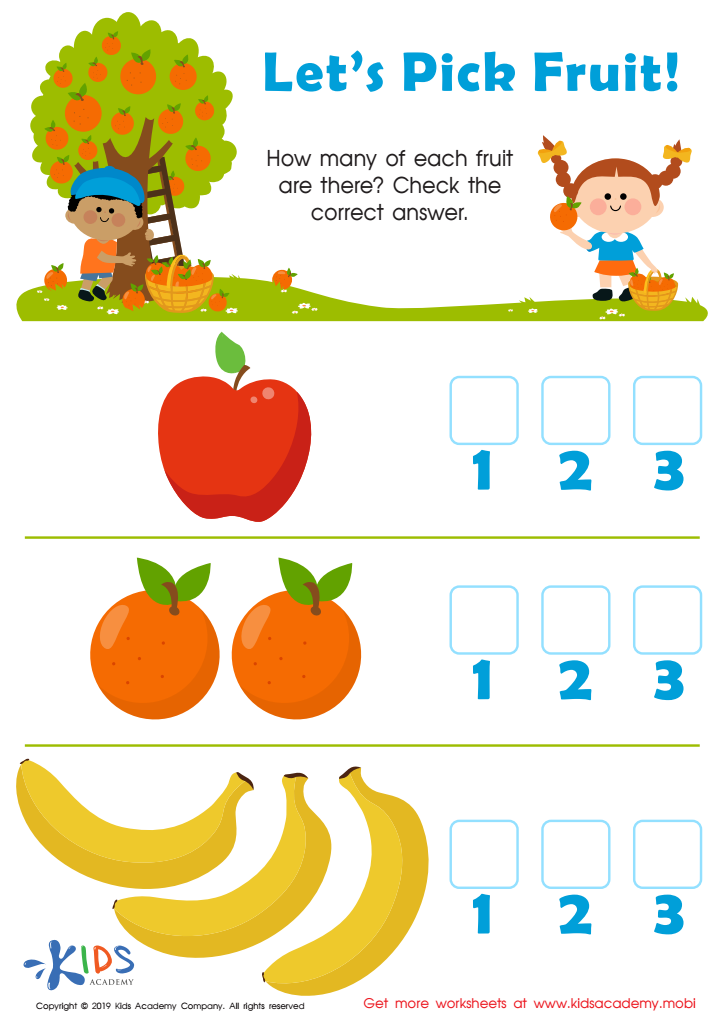
Let's Pick Fruit Worksheet
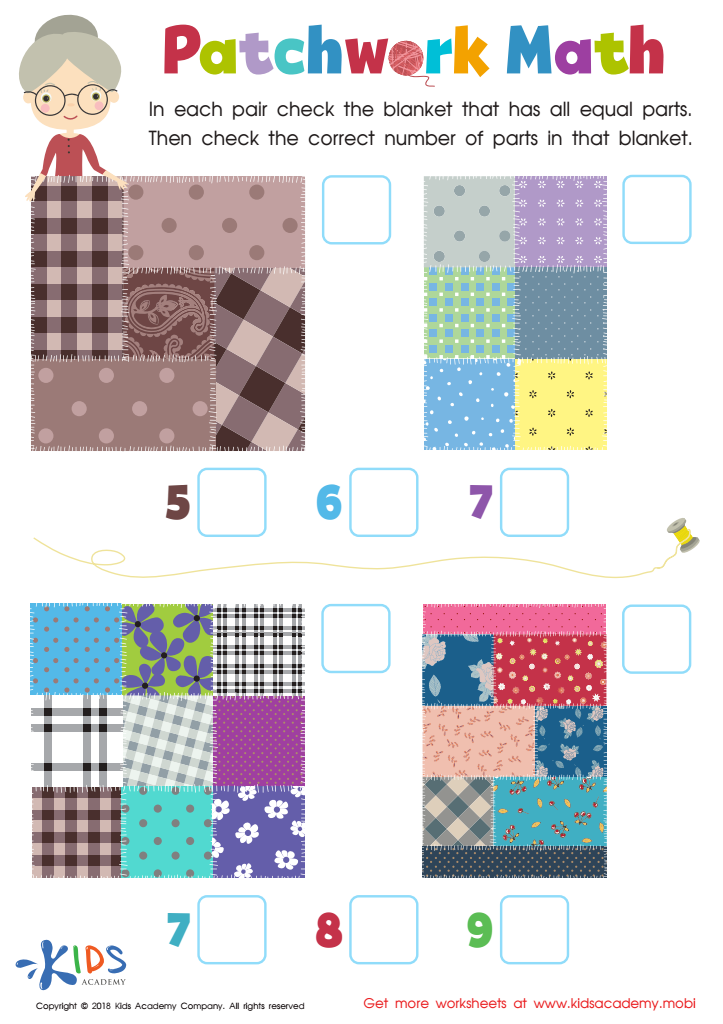
Patchwork Math Worksheet







Parents and teachers should care about color recognition and easy math for ages 6-7 because these foundational skills are crucial for a child's cognitive and academic development. At this early stage, children are in the critical period of developing their visual and conceptual understanding, which directly impacts their overall learning trajectory. Color recognition is essential as it enhances visual differentiation, helping children to categorize and compare objects effectively. This ability is not just important for art but also for understanding signs, safety signals, and organizing information, which are all daily life skills.
Easy math skills, such as basic arithmetic and number sense, are equally important at this age as they lay the groundwork for future mathematical learning. Early mastery in math concepts like simple addition and subtraction fosters a positive attitude towards math, encourages logical thinking, problem-solving, and analytical skills. By integrating both color recognition and easy math into early education, children have a greater chance of engaging multiple areas of the brain simultaneously, enhancing overall cognitive function.
Furthermore, engaging activities that combine colors and math (e.g., counting colored objects, sorting by color) can make learning fun and relatable, keeping children motivated and curious. This positive reinforcement is key for sustained academic interest and success in later years.








