Fraction visualization Easy Math Worksheets for Ages 6-7
4 filtered results
-
From - To
Discover an engaging way to teach fractions with our "Fraction Visualization Easy Math Worksheets" designed for young learners aged 6-7. These worksheets help children grasp fractional concepts through interactive activities and vibrant visuals. By using simple illustrations and relatable examples, kids can easily understand the relationship between numbers, parts, and wholes. Our thoughtfully designed materials foster creativity while reinforcing essential math skills, making learning enjoyable and effective. Perfect for classroom use or at-home practice, these worksheets promote confidence in young mathematicians. Start your child's math journey today with these fun fraction visualization exercises to enhance understanding and boost their academic success!
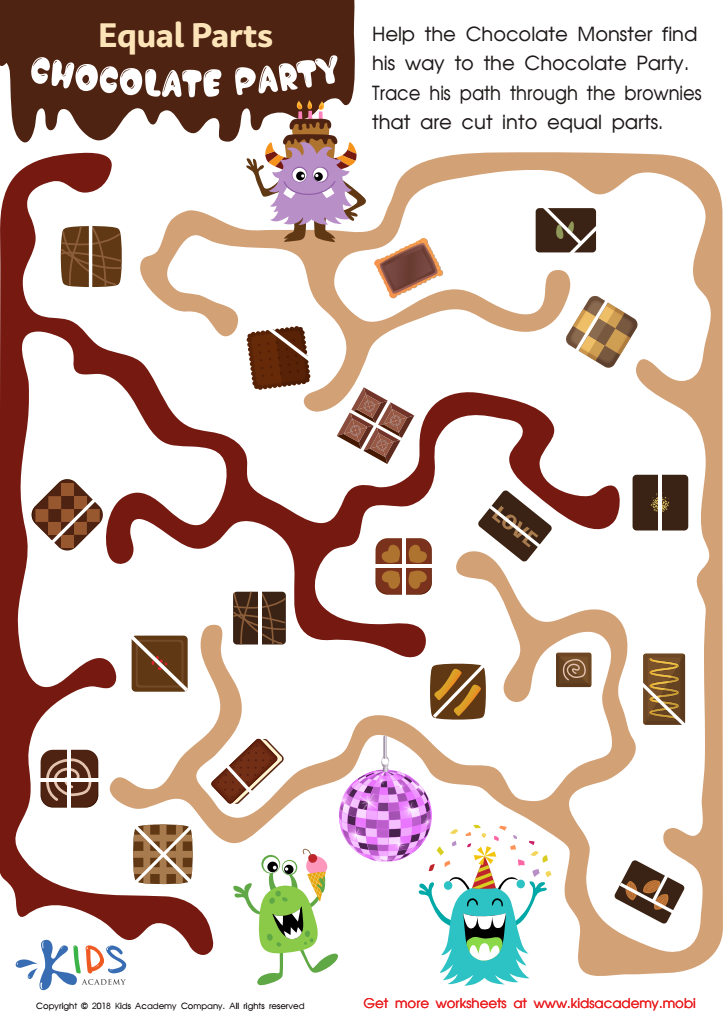
Equal Parts: Chocolate Party Worksheet
 Assign to My Students
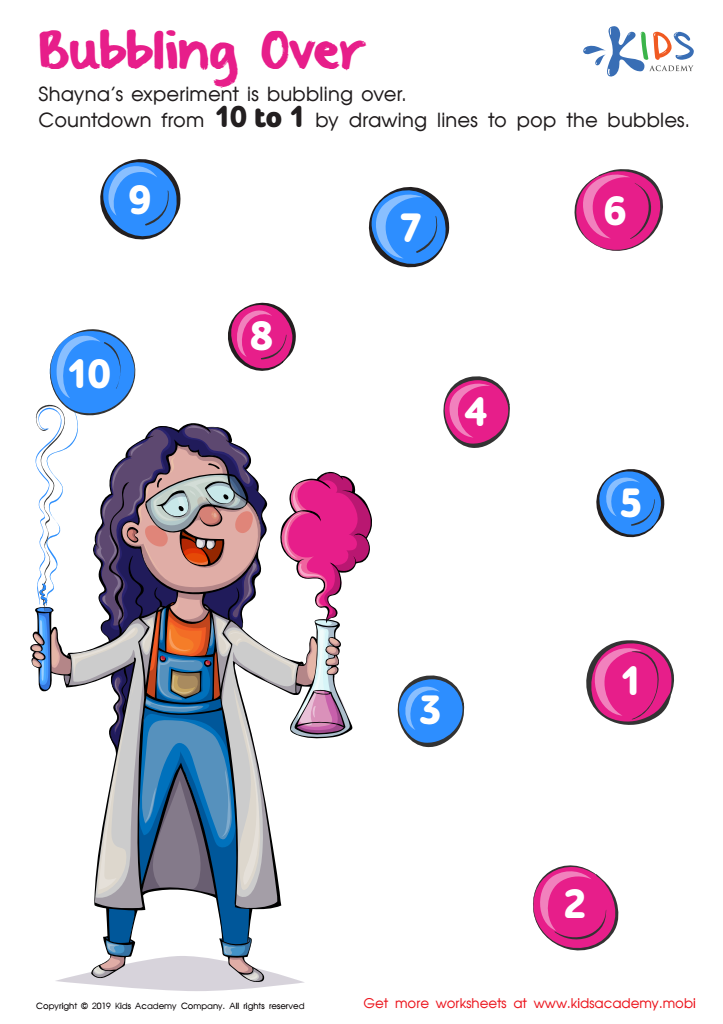
Bubbling Over Worksheet
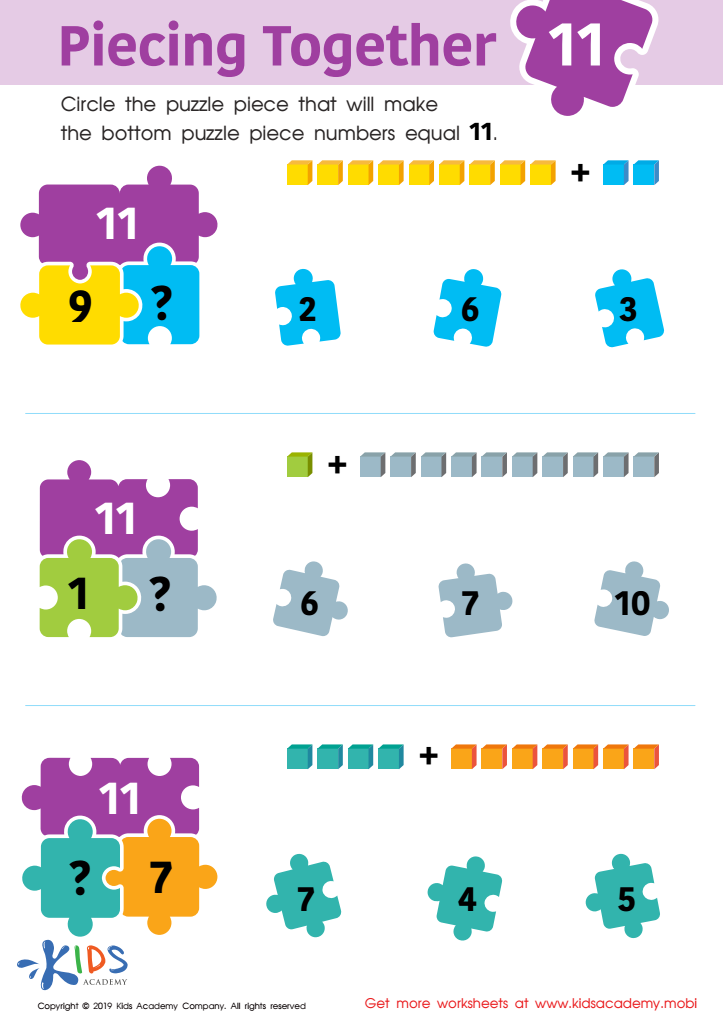
Piecing Together 11 Worksheet
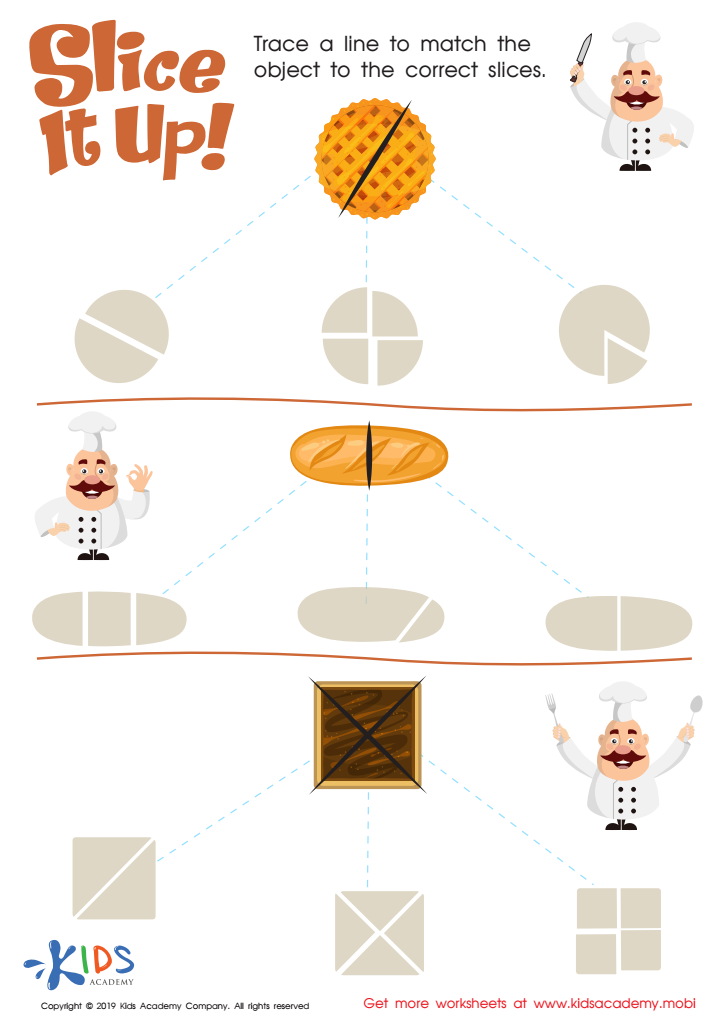
Slice It Up Worksheet






Understanding fractions is a foundational skill in mathematics that significantly impacts a child's overall mathematical development. For children aged 6-7, who are beginning to grasp numerical concepts, visualization plays a crucial role. Fraction visualization through methods like visual aids or manipulatives helps children comprehend the idea of parts of a whole, making abstract concepts more concrete.
Parents and teachers should prioritize fraction visualization because it fosters a strong mathematical foundation. By engaging with visual representations, children can easily relate fractions to real-life situations, such as sharing pizza or dividing a chocolate bar, thereby making math fun and relatable. This hands-on approach builds confidence and encourages exploration, nurturing a positive attitude towards math.
Moreover, mastery of fractions is essential as it paves the way for understanding more complex concepts in the future, such as ratios, decimals, and percentages. A solid grasp of fractions contributes to better problem-solving skills and critical thinking, essential competencies in today’s world.
In short, focusing on fraction visualization empowers young learners, promotes active learning, facilitates comprehension, and prepares them for future mathematical challenges, making it an essential focus for parents and educators alike.








