Hand-eye Coordination Easy Numbers 0–10 Worksheets for Ages 6-7
10 filtered results
-
From - To
Enhance your child's hand-eye coordination and number skills with our engaging worksheets designed for ages 6-7. Focused on numbers 0-10, these worksheets help young learners develop fine motor control while recognizing and writing numerals. Perfect for kindergarteners and first graders, our carefully crafted activities include tracing, matching, and counting exercises that transform learning into a fun adventure. Your child will build confidence in their numerical knowledge and hand-eye accuracy, setting the foundation for future academic success. Explore our worksheets today to support your child's early math journey in an enjoyable and effective way.
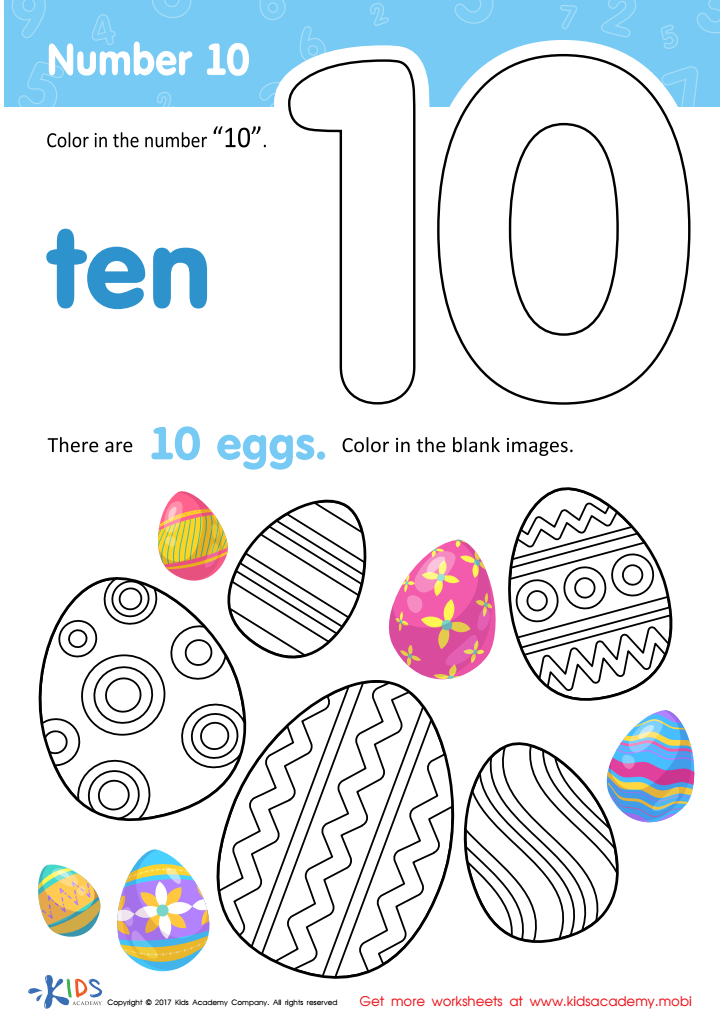
Number 10 Printable
 Assign to My Students
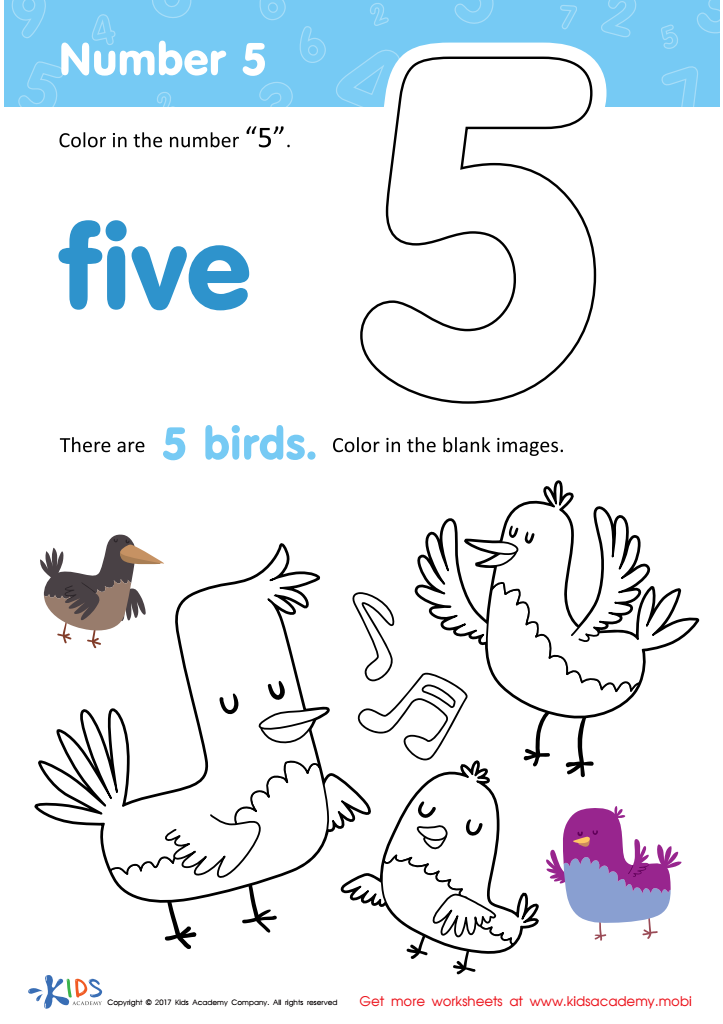
Number 5 Printable
Assign to My Students
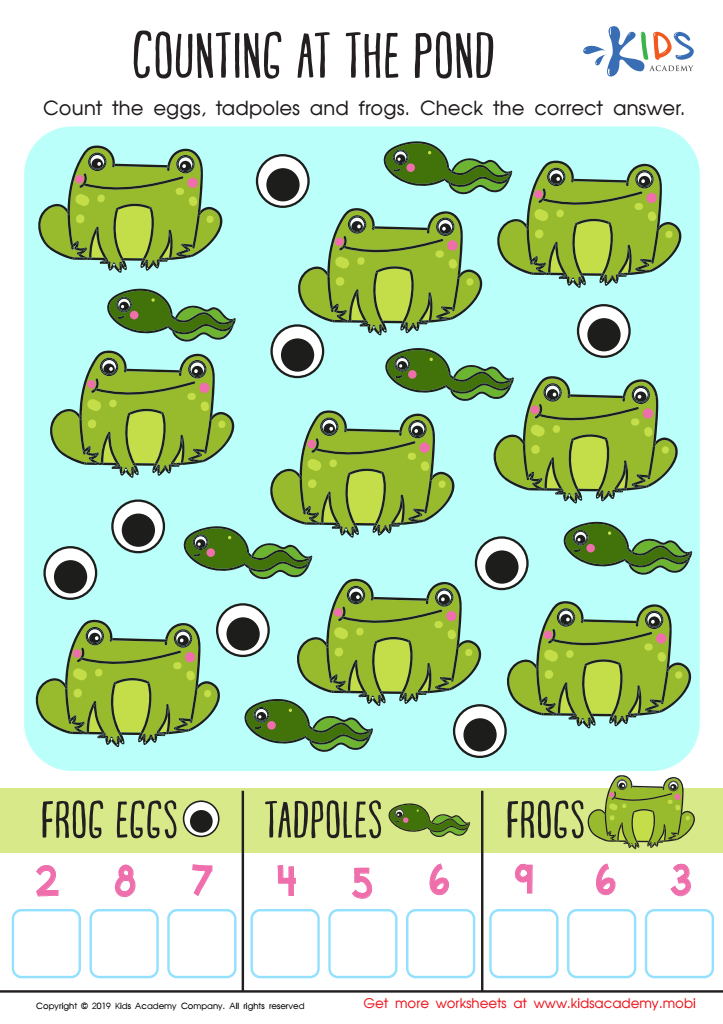
Counting at the Pond Worksheet
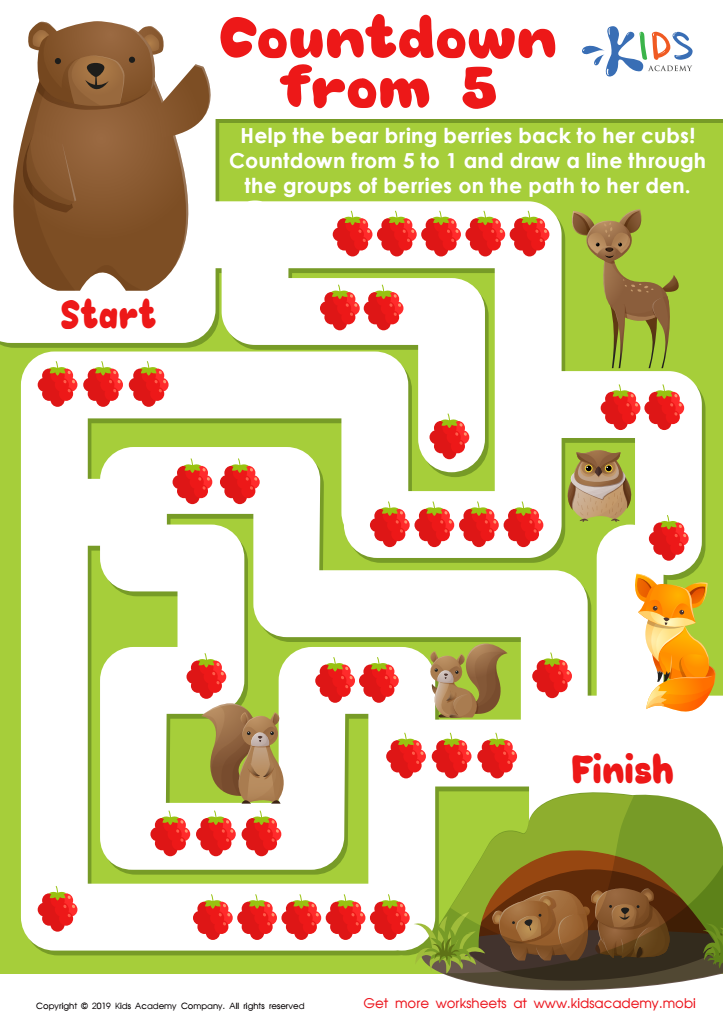
Countdown from 5 Worksheet
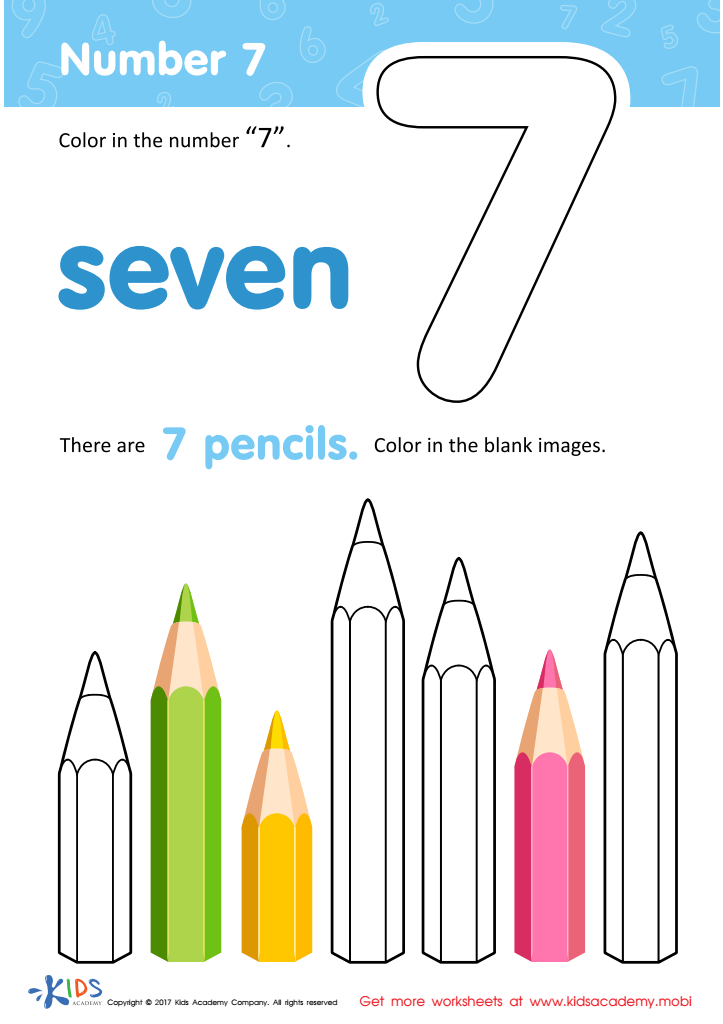
Number 7 Worksheet
Assign to My Students
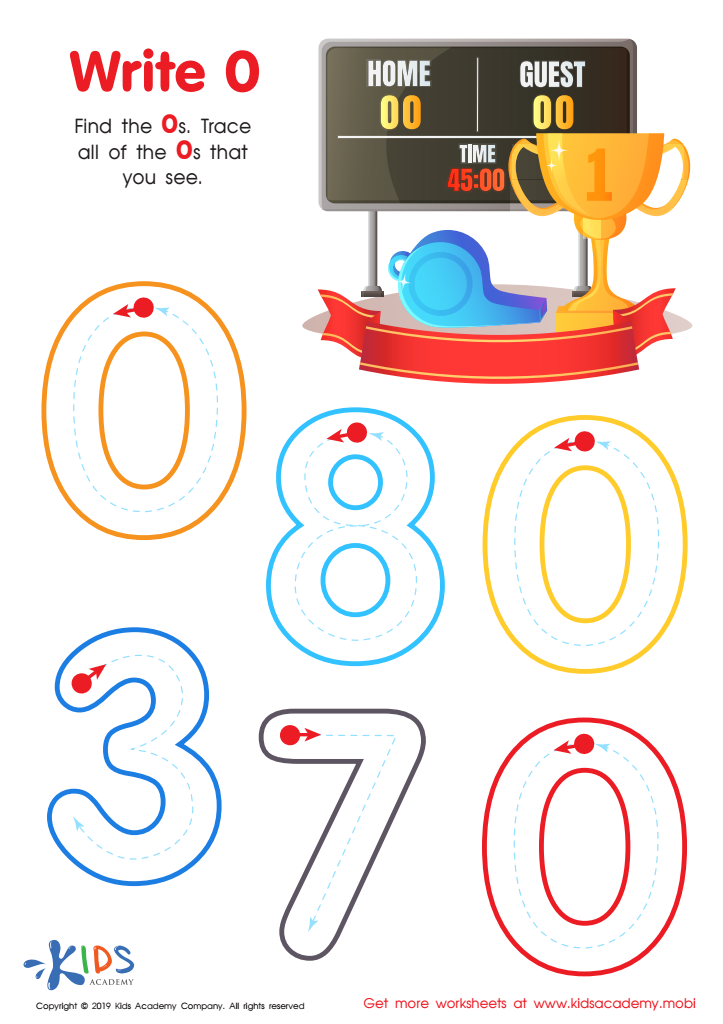
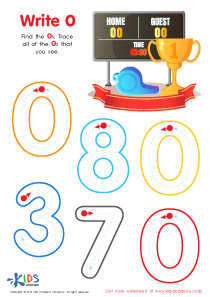
Write 0 Worksheet
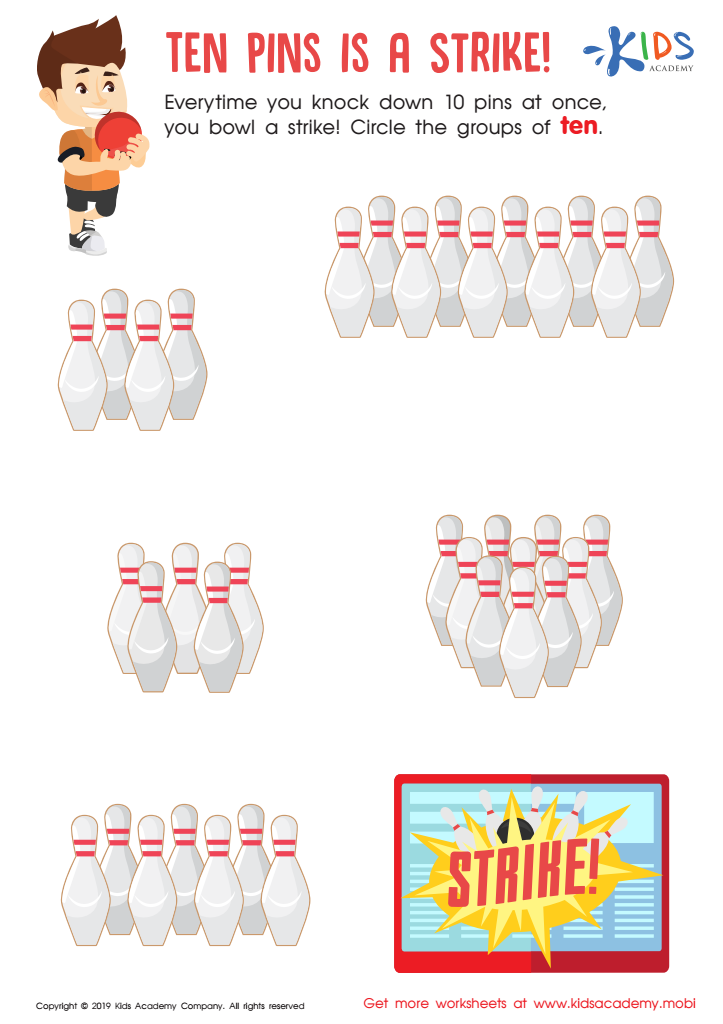
Ten Pins is a Strike Worksheet
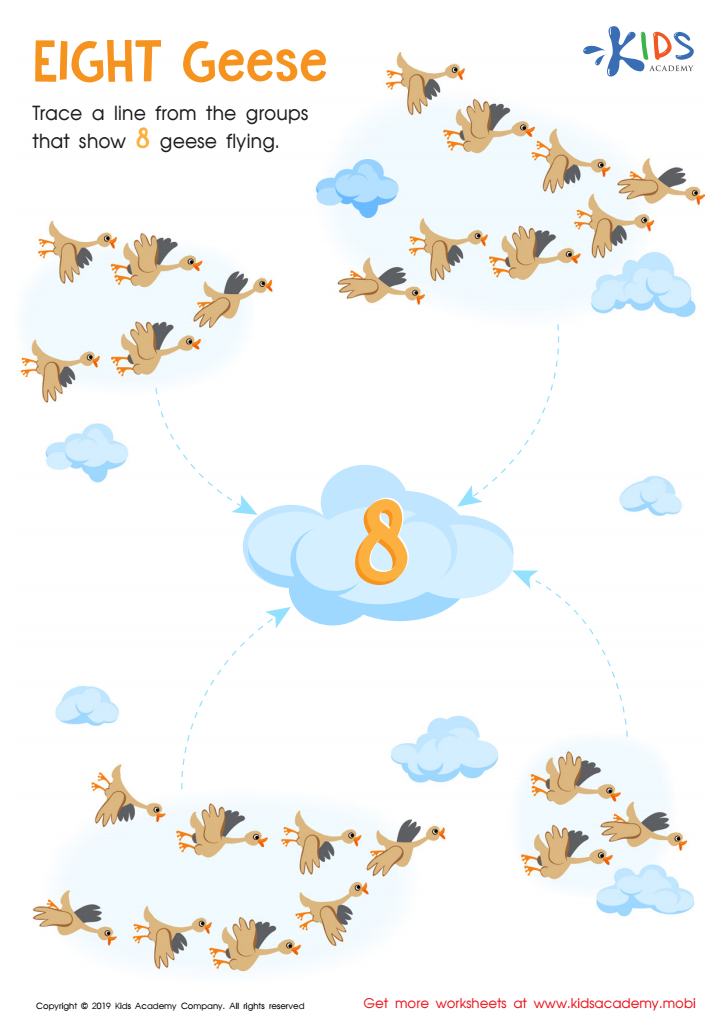
Eight Geese Worksheet
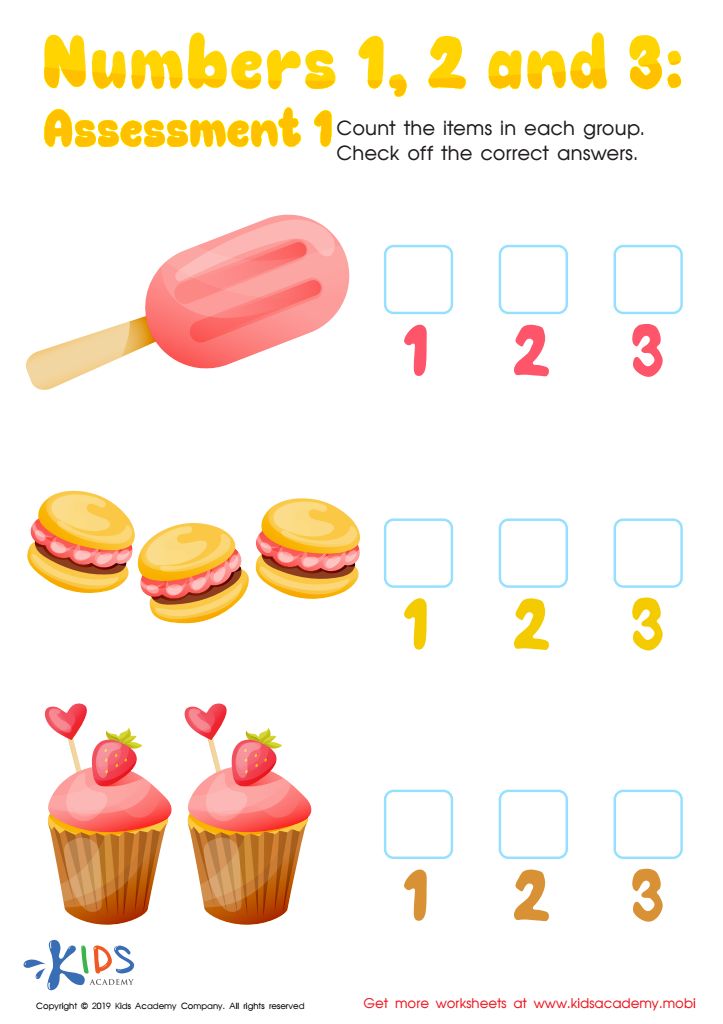
Numbers 1, 2 and 3: Assessment 1 Worksheet
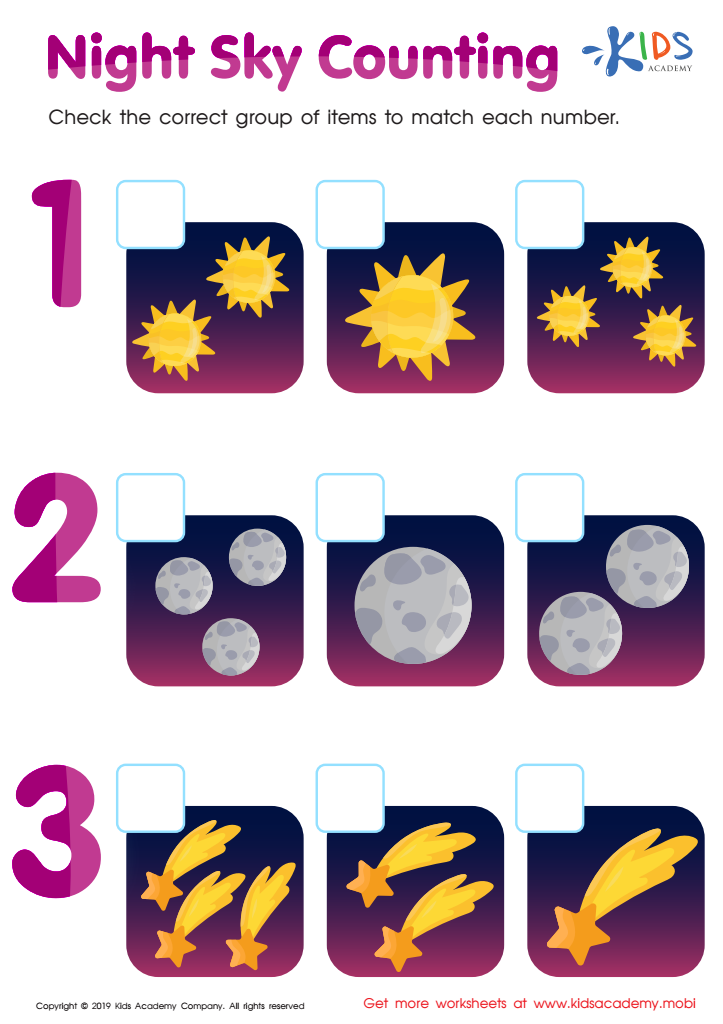
Night Sky Counting Worksheet








Hand-eye coordination is a fundamental skill for young children, setting the stage for success in many areas of life. For children aged 6-7, enhancing hand-eye coordination through activities involving easy numbers 0–10 has significant benefits. First, it directly supports academic achievement. As children learn to write numbers correctly, they also develop the fine motor skills necessary for writing letters and words, improving their overall literacy.
Second, integrating numbers within physical activities—like tracing or manipulating objects—solidifies their understanding of basic math concepts. This playful yet structured approach makes math more engaging, helping children grasp fundamental principles that form the foundation for more advanced topics later.
Moreover, improved hand-eye coordination boosts children's confidence and encourages perseverance. When they successfully complete tasks like drawing numbers or counting objects, they're building a sense of capability and accomplishment which motivates them to tackle more challenging activities.
Parents and teachers should foster hand-eye coordination in young learners because it intertwines physical, cognitive, and emotional development. Providing engaging, number-focused activities ensures children gain essential skills while making learning interactive and fun. This holistic approach prepares children not only for academic success but also for a range of daily activities, from sports to simple tasks like tying shoelaces.