Fine Motor Skills Easy Science Worksheets for Ages 6-7
4 filtered results
Difficulty Level
Grade
Age
-
From - To
Subject
Activity
Standards
Explore our “Fine Motor Skills Easy Science Worksheets” designed specifically for children aged 6-7. These engaging worksheets aim to develop essential fine motor skills through fun and interactive science activities. Your little learners will enhance their hand-eye coordination, dexterity, and concentration while exploring fascinating scientific concepts. Each worksheet is crafted to inspire curiosity and creativity, ensuring an enjoyable learning experience. Perfect for classrooms or home learning, these worksheets provide a blend of education and entertainment, making science accessible and exciting. Encourage your child's development and foster a love for learning with our easy-to-use fine motor skills worksheets. Start exploring today!
Favorites
With answer key
Interactive
More Octopus Facts Worksheet
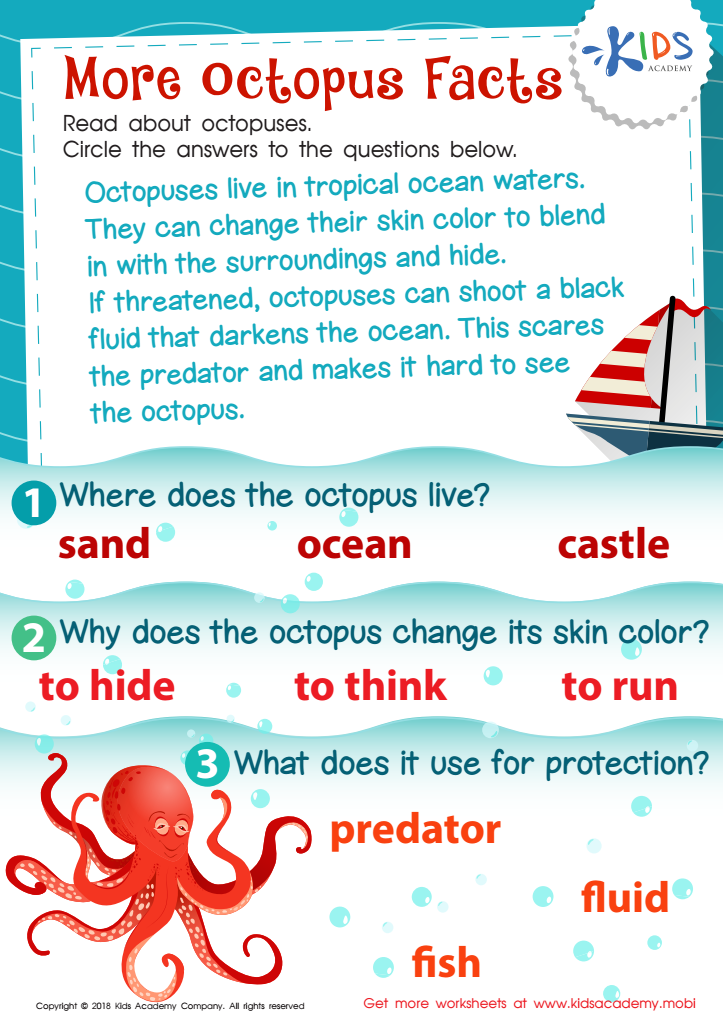
This worksheet will help your kids learn about the Octopus. Read the text carefully and have kids read with you. Now, ask them questions based on it and help them answer them by circling the right choices. Teaching your kids facts about animals will help them in the long run.
 Assign to My Students
More Octopus Facts Worksheet
Worksheet
Horses Worksheet
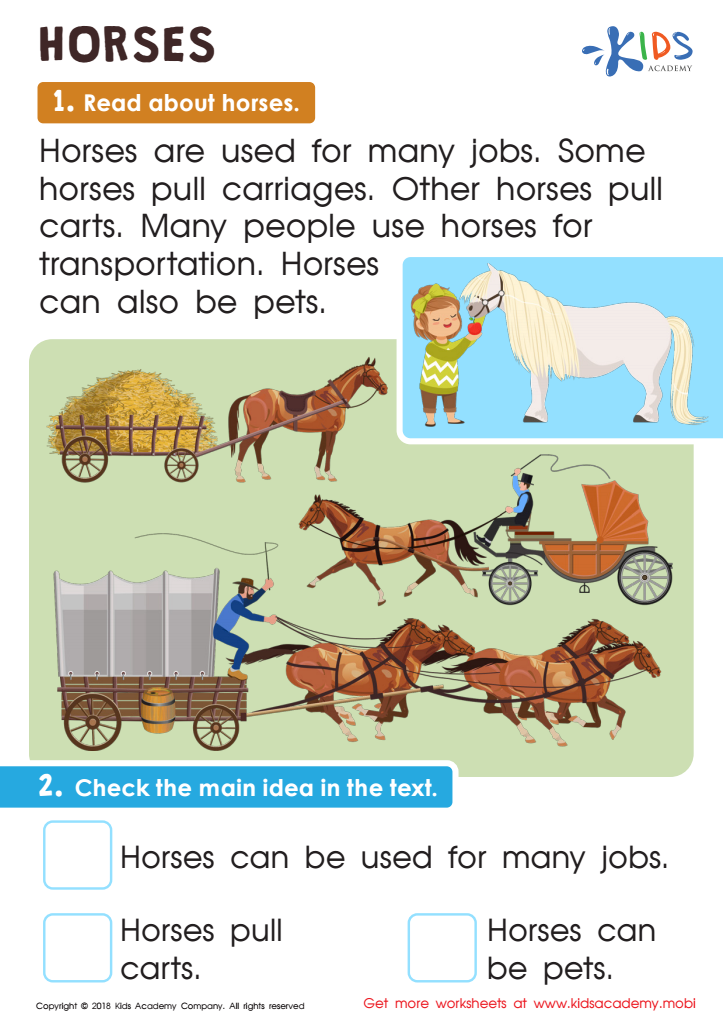
Help your little reader differentiate between details and the main idea with this fun worksheet about horses. Kids will be excited to learn about the different roles horses play. To ensure they understand the overall concept, discuss it before having them choose the right statement at the end.
Horses Worksheet
Worksheet
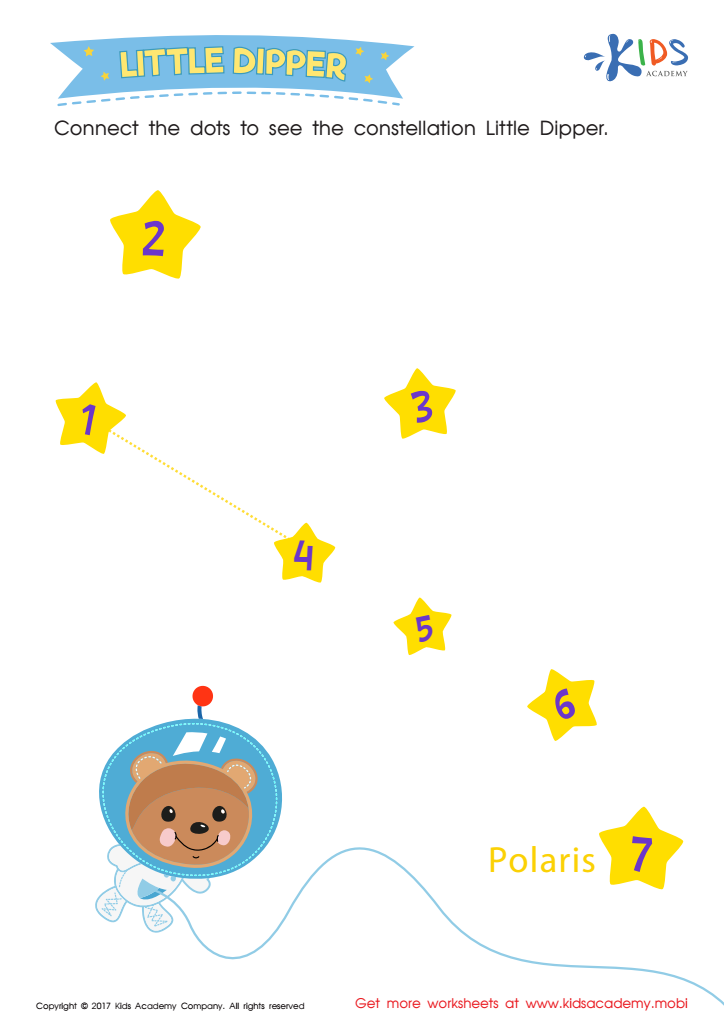
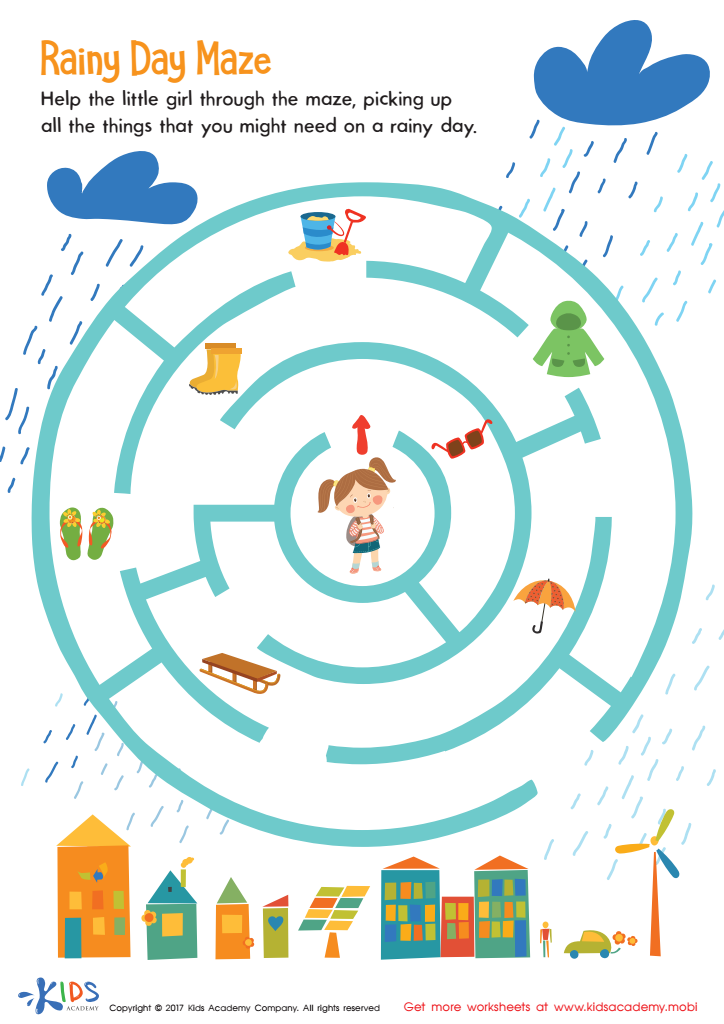
Rainy Day Maze Worksheet
Help your child use critical and problem solving skills to choose the right items! With this fun rainy day worksheet, they'll have a blast helping the character in the maze while learning about weather. Let’s get started!
Rainy Day Maze Worksheet
Worksheet
Join Kids Academy for Free
Who is primarily going to use this learning content?






%20(1).jpg)
Fine motor skills are essential for children aged 6-7 as they impact various facets of development and daily life. These skills refer to the coordination of small muscles in the hands and fingers, which are crucial for tasks such as writing, tying shoelaces, and using utensils. As children begin to engage in more complex activities, the development of fine motor skills equips them with necessary tools for academic success and self-reliance.
For parents and teachers, nurturing fine motor skills fosters confidence and independence in children. A child who can write neatly, manipulate small objects, or complete crafts experiences a sense of achievement, which builds self-esteem and encourages further exploration. Additionally, honing these skills can lead to improved academic performance, particularly in areas such as literacy and math, where precision is key.
Incorporating fun, easy science activities such as simple experiments with building blocks, crafting projects, or nature explorations can significantly develop fine motor abilities. Such engaging experiences not only enhance skill development but also foster curiosity and critical thinking. Ultimately, by prioritizing fine motor skills, parents and teachers can support children’s overall growth, ensuring they are better prepared for future learning challenges and life experiences.