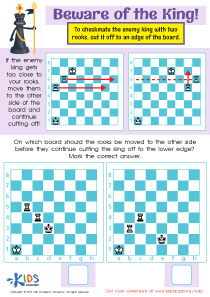
Chess strategy understanding Easy Chess Worksheets for Ages 6-8
3 filtered results
-
From - To
Introduce your child to the fascinating world of chess with our "Easy Chess Worksheets for Ages 6-8". Designed to enhance strategic thinking and problem-solving skills, these worksheets simplify chess concepts to make learning engaging and fun. Your young learner will explore basic openings, piece movement, and fundamental strategies through colorful illustrations and easy-to-follow activities. Each worksheet encourages critical thinking and practice, perfect for developing a strong foundation in chess. Whether your child is a beginner or looking to improve, these resources promote cognitive development while fostering a love for this timeless game. Get started today and watch them grow into strategic thinkers!
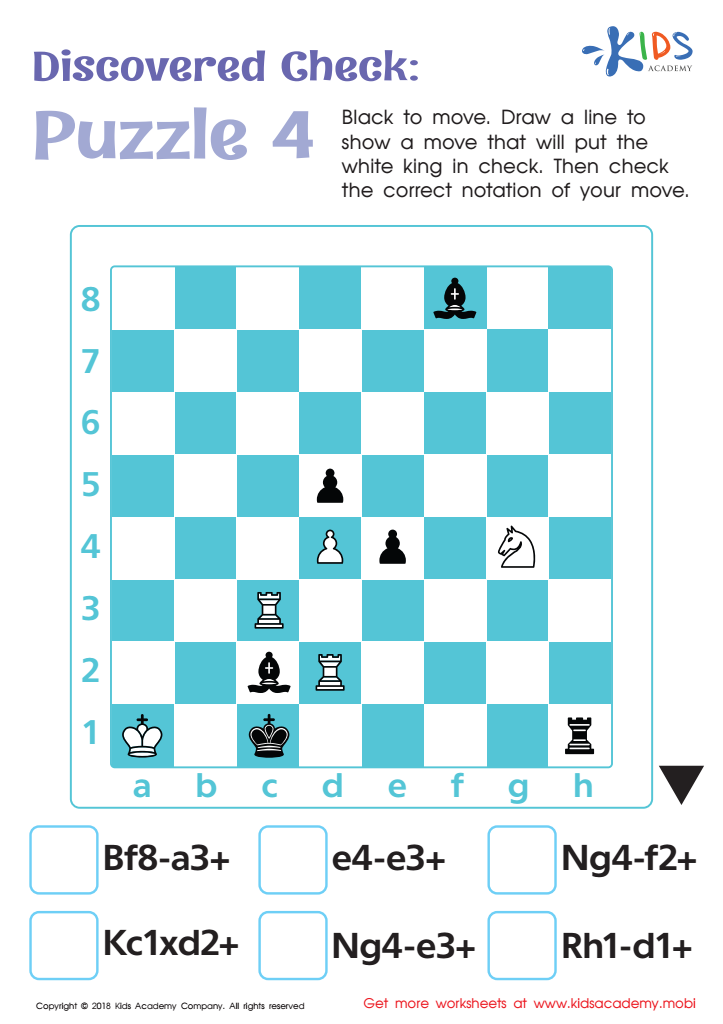
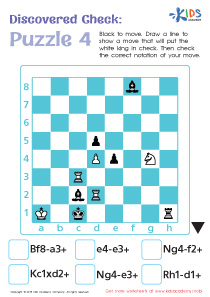
Discovered Check: Puzzle 4 Worksheet

Discovered Check: Puzzle 2 Worksheet
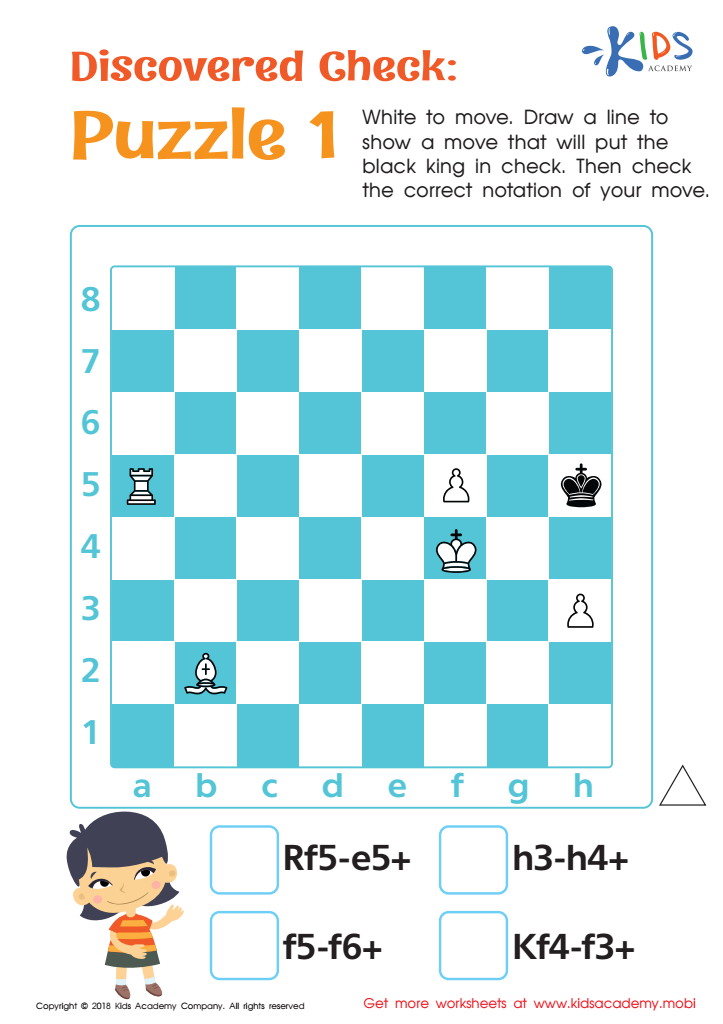
Discovered Check: Puzzle 1 Worksheet



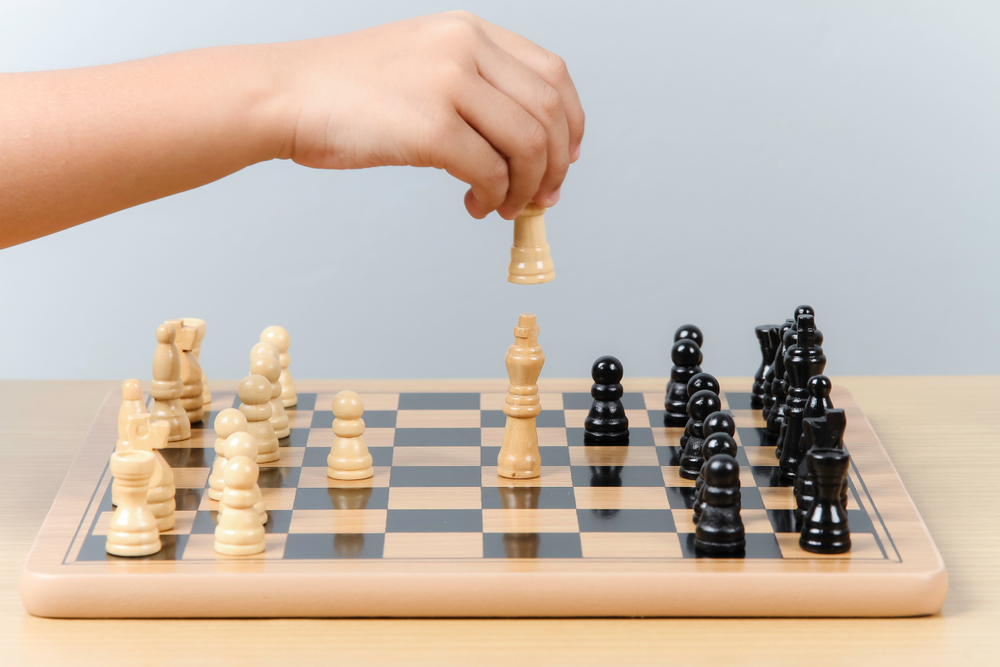

Understanding chess strategy, especially through "Easy Chess", is crucial for parents and teachers working with children aged 6-8, as it encourages critical thinking, problem-solving, and strategic planning skills. At this young age, kids possess an incredible capacity for learning and grasping new concepts. Introducing them to chess provides an interactive way to enhance cognitive development and reinforce mathematical ideas such as patterns, sequences, and logical reasoning.
Moreover, chess teaches patience and discipline, as players must think ahead and consider various possible outcomes before making a move. It fosters emotional intelligence, offering children a safe space to experience winning and losing gracefully, thereby developing resilience and sportsmanship.
Additionally, chess is a social game that can promote collaboration and communication skills when played in groups. Encouraging participation in chess can also instill a sense of accomplishment and build self-esteem as children improve their gameplay.
By supporting chess strategy understanding, parents and teachers equip children with vital skills applicable in school and beyond, making it an engaging, educational tool to ensure holistic development during these formative years. Whether for fun or competition, integrating chess into activities can enrich children's overall learning experience.