Easy Feelings and Emotions Worksheets for Ages 6-8
4 filtered results
Difficulty Level
Grade
Age
-
From - To
Subject
Activity
Standards
Discover our "Easy Feelings and Emotions Worksheets for Ages 6-8," designed to help young learners identify and express their emotions in a fun and engaging way. These printable worksheets feature colorful activities, including coloring pages, matching games, and simple prompts that encourage children to recognize and articulate their feelings. Ideal for classrooms or home learning, these resources enhance social-emotional learning by fostering emotional intelligence and awareness. As children navigate various emotions, our worksheets provide a supportive foundation to develop empathy and communication skills. Download today and empower your kids to understand and express their feelings with confidence!
Favorites
With answer key
Interactive
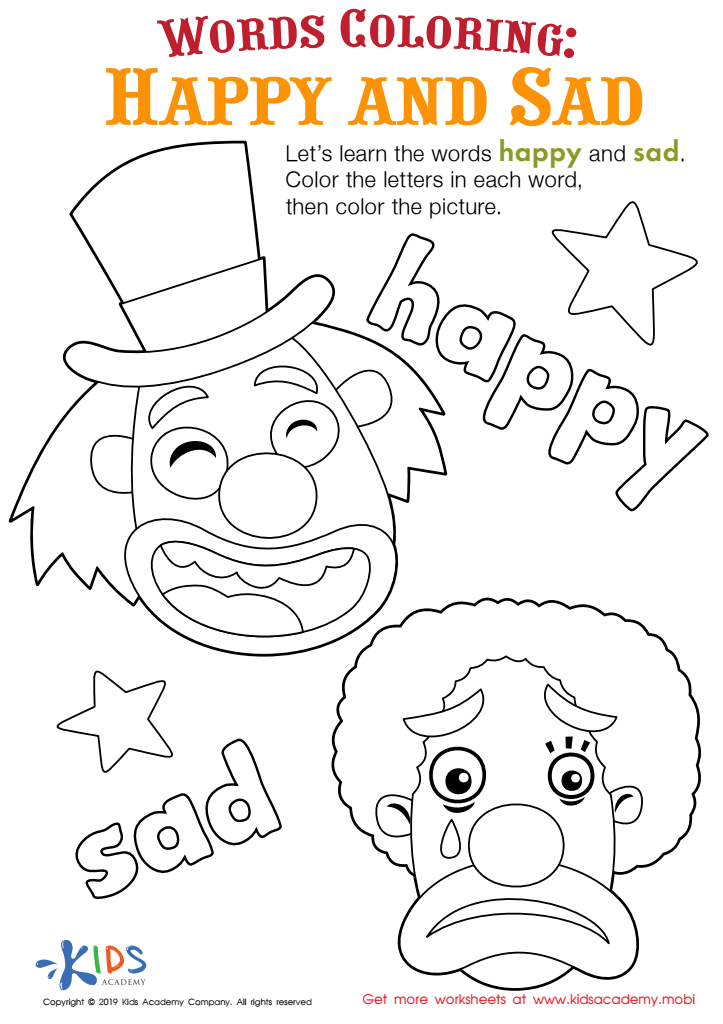
Happy and Sad Words Coloring Worksheet
Help students understand emotions by using this fun worksheet. It features smiling and sad clowns and the words 'happy' and 'sad'. Read the words with your students, then have them color the clowns and the emotion words. This PDF is an effective way to teach kids how to express how they feel.
Download (PDF)
 Assign to My Students
Assign to My Students
Happy and Sad Words Coloring Worksheet
Worksheet
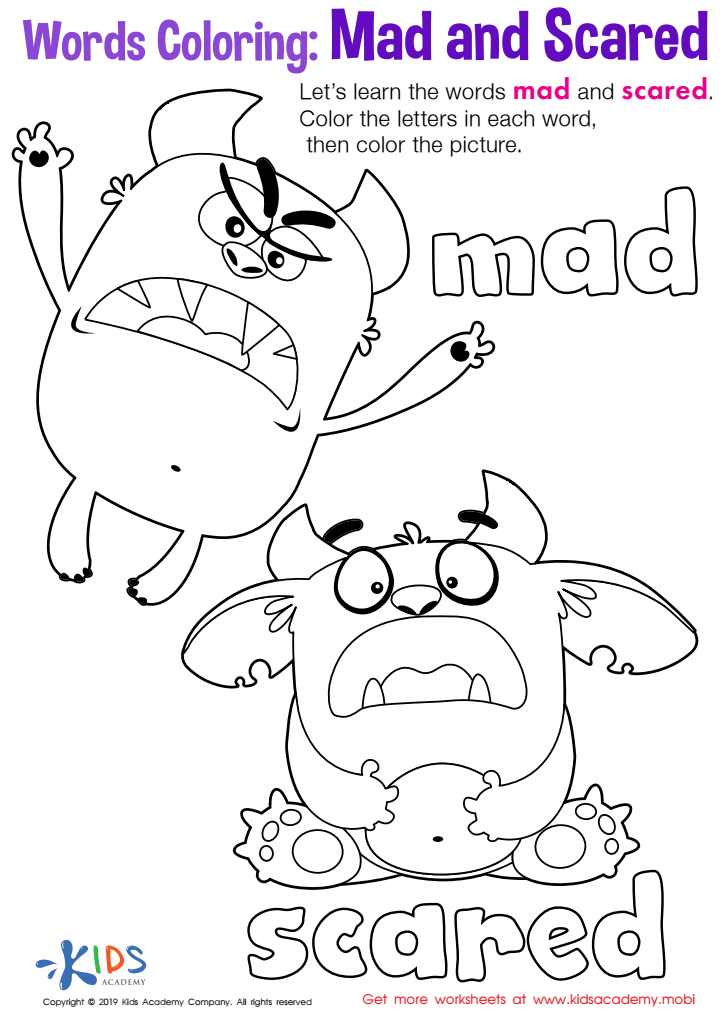
Mad and Scared Words Coloring Worksheet
This worksheet teaches "mad" and "scared" with fun monster pictures to color. Helping students learn by sight, it encourages sharing what makes them feel those strong emotions. Perfect for social studies, it expands student's vocabulary in an entertaining way.
Download (PDF)
Assign to My Students
Assign to My Students
Mad and Scared Words Coloring Worksheet
Worksheet
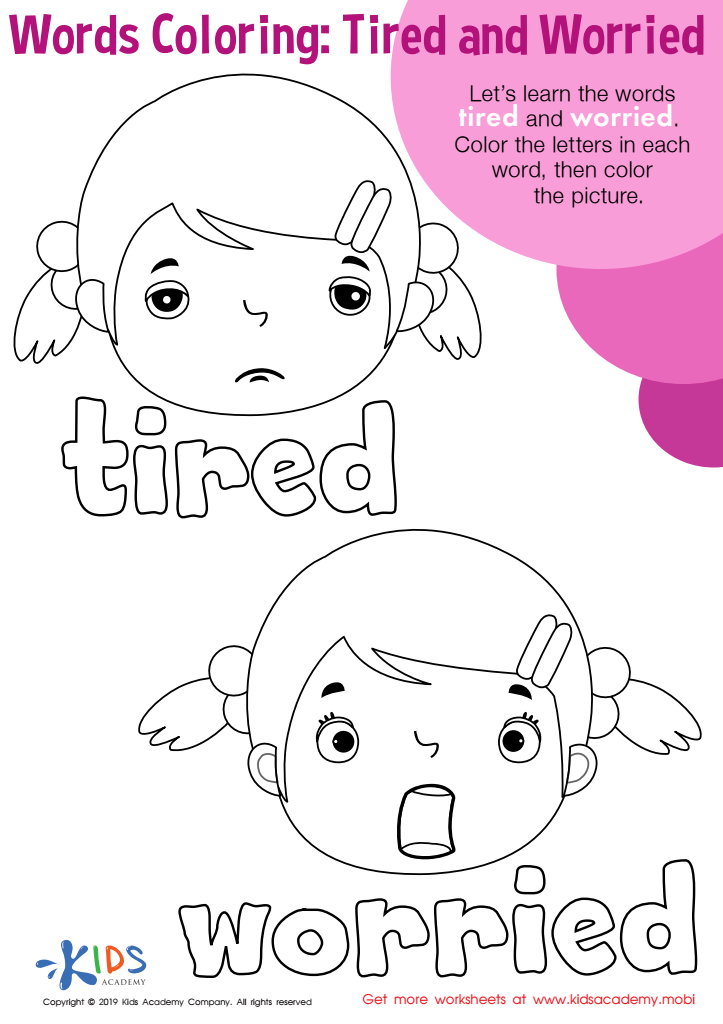
Tired and Worried Words Coloring Worksheet
Teach your students about "tired" and "worried" with this worksheet. Have them read and color the emotion words, then color the pictures of a tired girl and a worried girl. Discuss what makes them tired and worried. Expand their vocabulary with this fun coloring activity!
Download (PDF)
Assign to My Students
Assign to My Students
Tired and Worried Words Coloring Worksheet
Worksheet
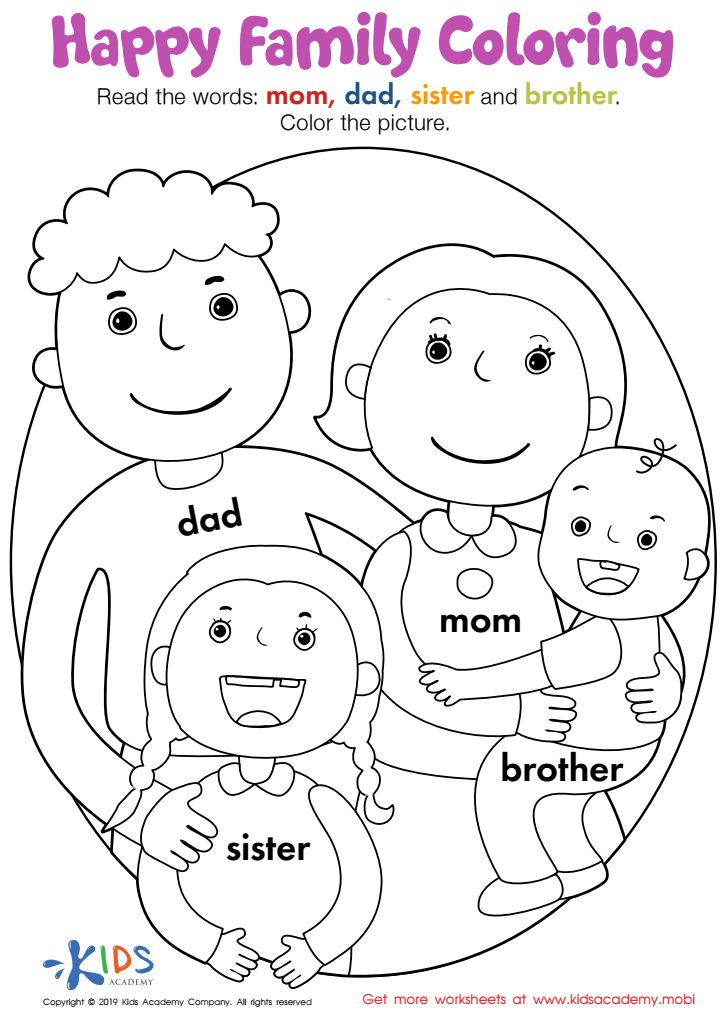
Happy Family Coloring Worksheet
Help your students gain confidence in family vocabulary with this worksheet. Labelled images of a family (dad, mom, sister, brother) are featured, along with an accompanying activity to colour in the picture. Your students will feel a sense of accomplishment after reading and completing the printable.
Download (PDF)
Assign to My Students
Assign to My Students
Happy Family Coloring Worksheet
Worksheet
Join Kids Academy for Free
Who is primarily going to use this learning content?


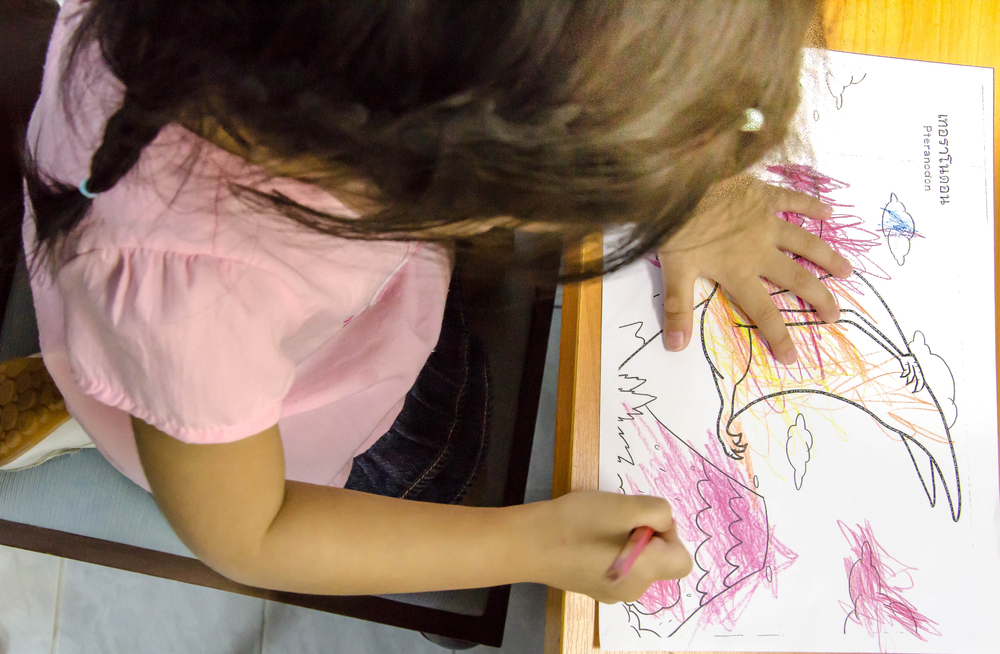

Parents and teachers should prioritize resources like "Easy Feelings and Emotions" for children aged 6-8 because social and emotional skills are foundational to overall development. At this age, children begin to navigate complex emotions and social interactions. By integrating emotional literacy into their education, we empower children to recognize, understand, and express their feelings effectively.
With better emotional awareness, kids can enhance their interpersonal relationships, reducing conflicts and misunderstandings. They develop empathy, learning to appreciate diverse perspectives, which cultivates a positive classroom and family environment. Moreover, teaching children to manage their emotions can lead to improved mental health, promoting resilience and coping strategies for future challenges.
Educational materials targeting this age group can provide engaging, age-appropriate activities that make learning about feelings fun and relatable. Also, when adults demonstrate a supportive approach to emotional discussions, it fosters a safe space, encouraging children to share their experiences and feelings openly. Ultimately, understanding feelings is essential for academic success, personal growth, and long-term well-being. By investing in emotional education, parents and teachers lay the groundwork for a more compassionate, understanding, and effective learning environment.