Critical Thinking Easy Coloring Pages Worksheets for Ages 6-8
3 filtered results
-
From - To
Unlock your child's potential with our "Critical Thinking Easy Coloring Pages Worksheets" designed specifically for ages 6-8! These engaging and interactive coloring pages not only provide a creative outlet but also enhance critical thinking skills. Each worksheet encourages children to analyze, visualize, and interpret various scenarios while sparking their imagination. Perfect for home or classroom use, these worksheets promote independent thinking and problem-solving through a fun and artistic medium. Whether they are coloring shapes, solving puzzles, or engaging in imaginative scenes, kids will develop essential cognitive abilities while enjoying hours of creative fun. Explore our collection and inspire confident thinkers today!
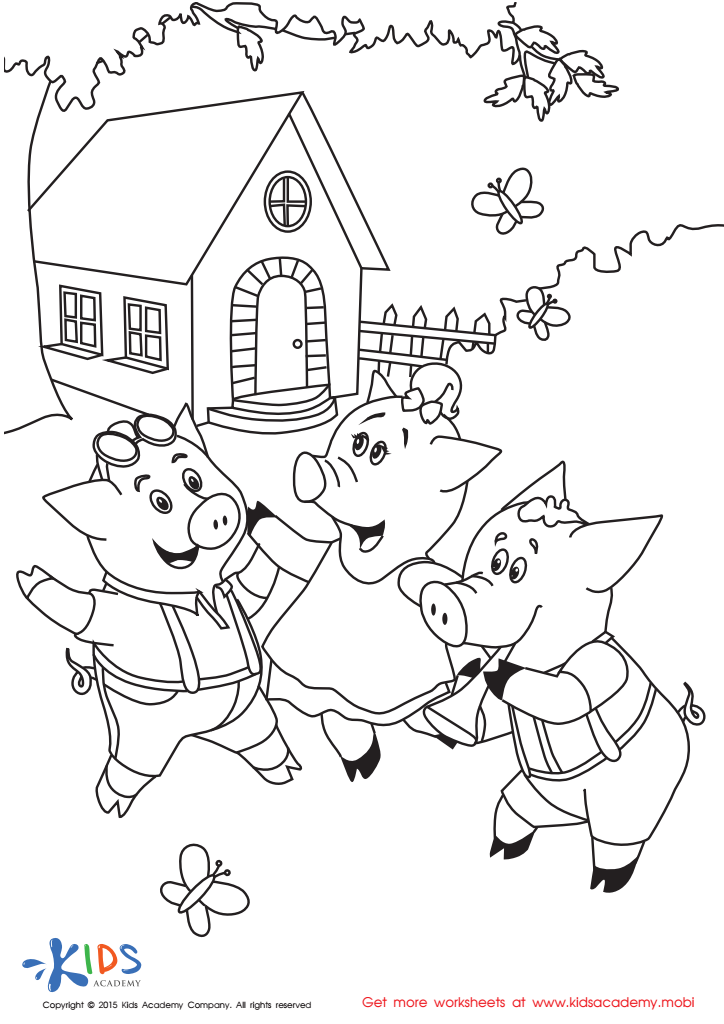
Folktales Printable PDF Worksheet: The 3 Little Pigs
 Assign to My Students








.jpg)
Critical thinking is a crucial skill that children need to develop for success in school and life. Integrating fun activities like coloring pages designed for ages 6-8 allows parents and teachers to engage children in a way that promotes creativity while encouraging mental processes. Coloring pages specifically focusing on themes that challenge children to think critically help them become more observant, analytical, and confident in their ability to solve problems.
As children color and interact with illustrations, they engage with prompts that require them to make decisions, predict outcomes, and assess information. This dual emphasis on artistic expression and cognitive development lays a foundation for higher-order thinking. Moreover, the enjoyment derived from coloring helps build positive associations with learning, making children more eager to engage in educational activities.
Furthermore, coloring activities can stimulate discussions among peers and between parents or teachers and children. These conversations can enhance language skills, foster teamwork, and encourage the sharing of diverse viewpoints. Thus, investing time in critical thinking through creative activities is an effective way for parents and teachers to nurture a child’s intellectual growth while making learning fun and interactive.