Basic Math Skills Easy Worksheets for Ages 6-8 - Page 2
30 filtered results
-
From - To
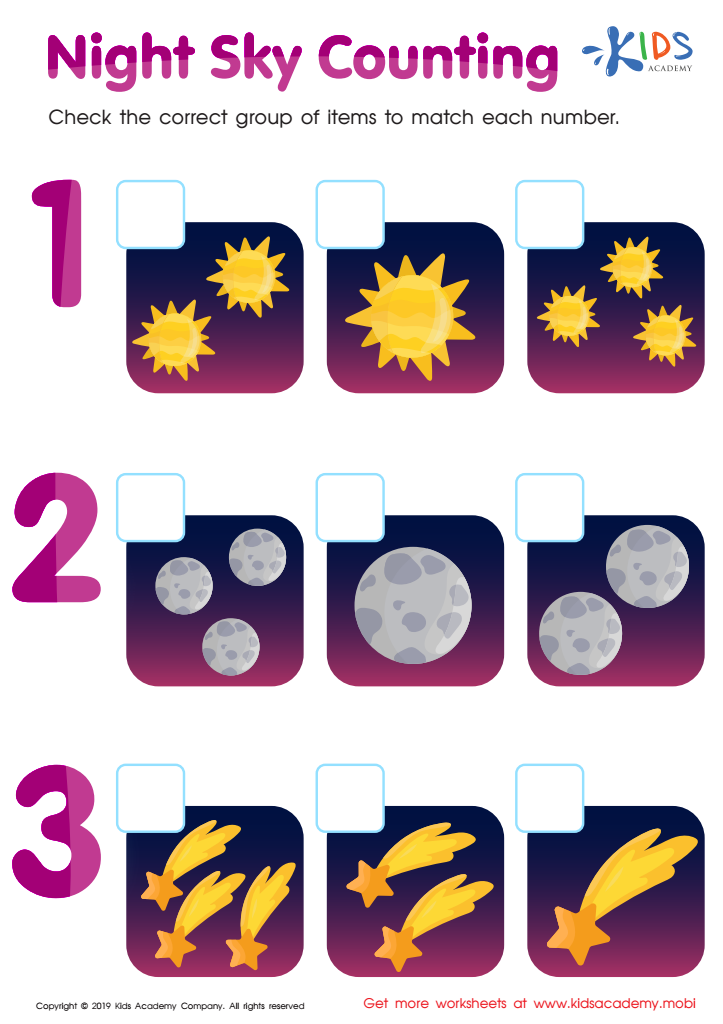
Night Sky Counting Worksheet
 Assign to My Students
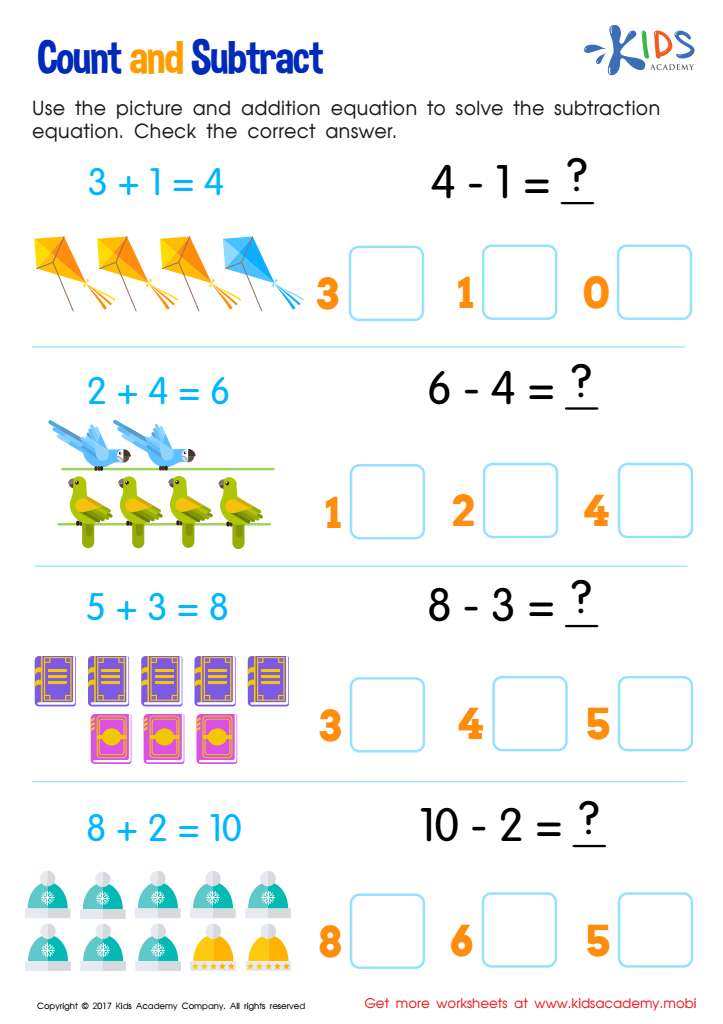
Count and Subtract Worksheet
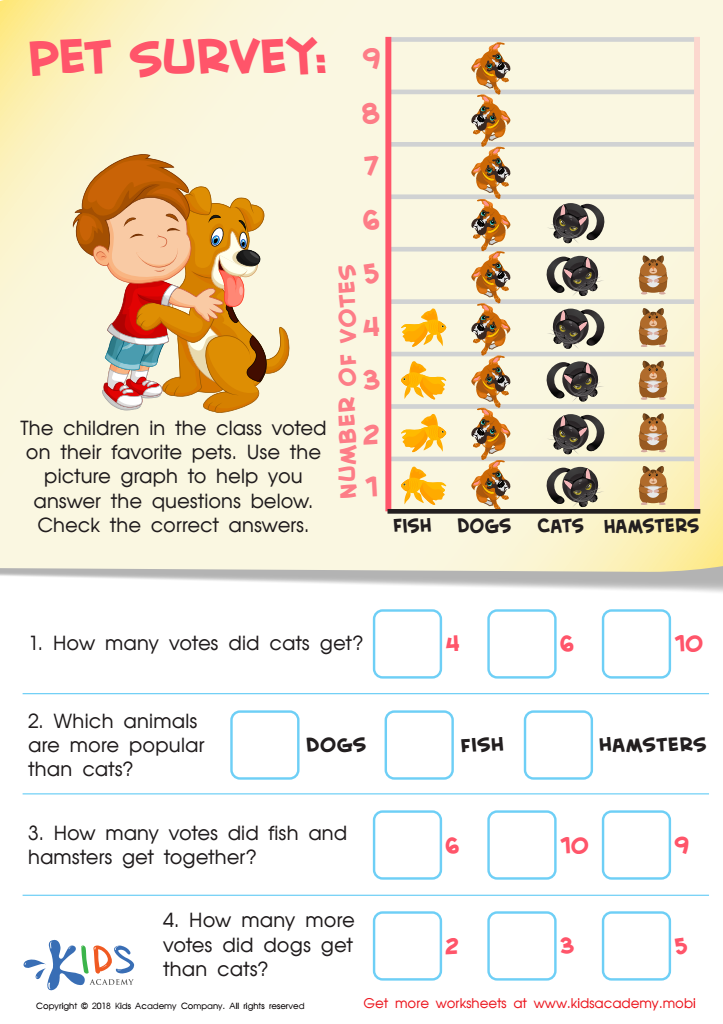
Pet Survey Worksheet
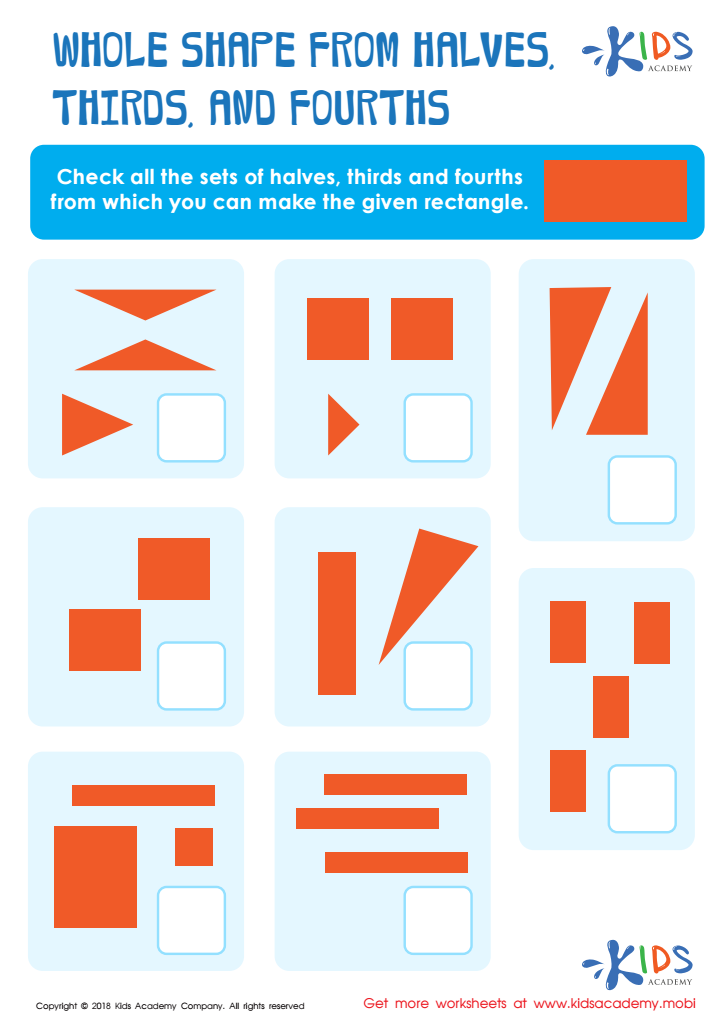
Whole Shape from Halves, Thirds and Fourths Worksheet
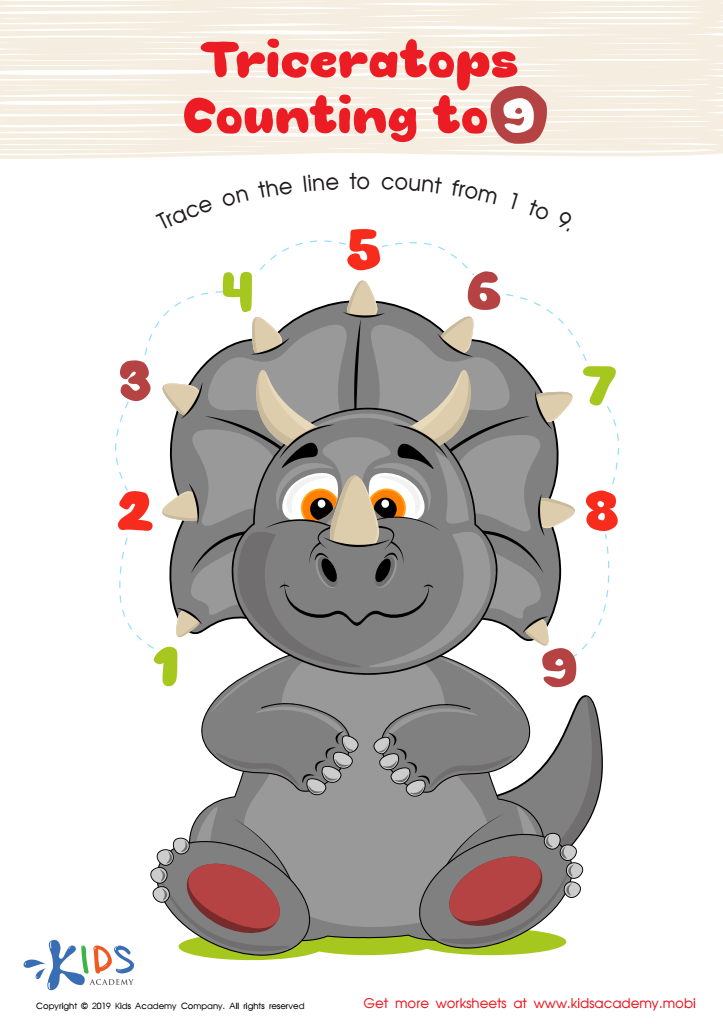
Triceratops Counting to 9 Worksheet
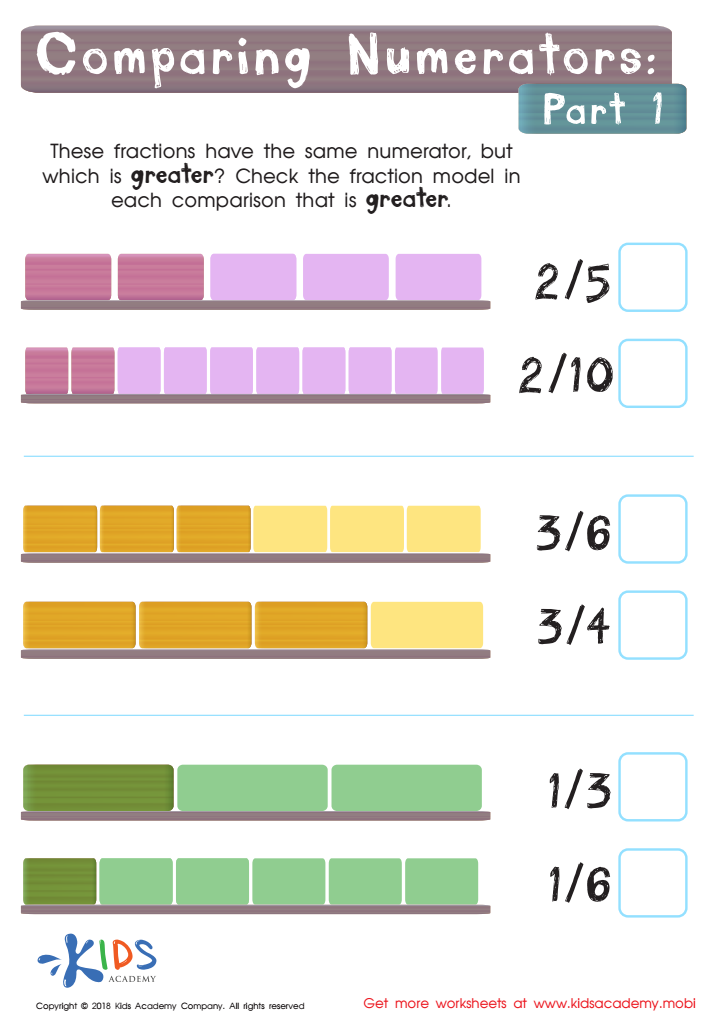
Comparing Numerators Part 1 Worksheet







Ensuring that children ages 6-8 acquire basic math skills is essential for their cognitive development and academic success. This foundational period, often covering concepts such as addition, subtraction, multiplication, and understanding shapes and spaces, sets the stage for more complex mathematical reasoning in later grades.
Engaging with these basic math skills at an early age fosters a sense of confidence and enjoyment in the subject, elements critical for ongoing enthusiasm and success. When parents and teachers emphasize math proficiency, children are more likely to grasp the importance of numeracy in daily life, from counting money and telling time to problem-solving and logical reasoning.
Moreover, young children develop crucial skills like attention to detail, patience, and perseverance through math activities. For example, solving simple arithmetic problems helps in honing analytical skills and enhances their ability to approach challenges methodically.
Recognizing the importance of early math proficiency also puts a spotlight on educational equity. By supporting all children, regardless of background, in achieving these skills, parents and teachers can help bridge gaps that often widen in later years. Consequently, a strong foundation in basic math not only boosts a child’s self-esteem and preparedness but also fosters a lifelong love for learning and critical thinking.








