Number Recognition Easy Addition and Subtraction Word Problems Worksheets for Ages 6-8
9 filtered results
-
From - To
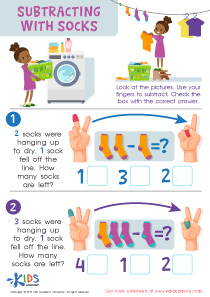
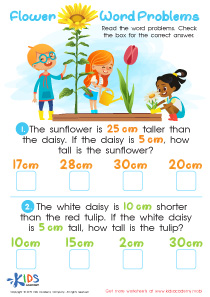
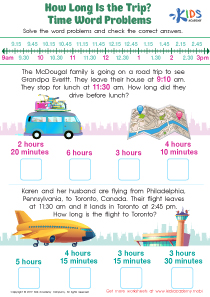
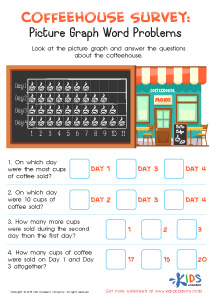
Discover our engaging "Number Recognition Easy Addition and Subtraction Word Problems Worksheets" designed for children aged 6-8. These worksheets provide a fun yet educational way for young learners to enhance their number recognition skills while solving real-world math problems. Each worksheet features age-appropriate word problems that encourage children to practice basic addition and subtraction, promoting critical thinking and problem-solving abilities. Ideal for classroom learning or at-home practice, our resources help students build a solid foundation in mathematics. Empower your child with the skills they need to excel in math through interactive exercises that make learning enjoyable!
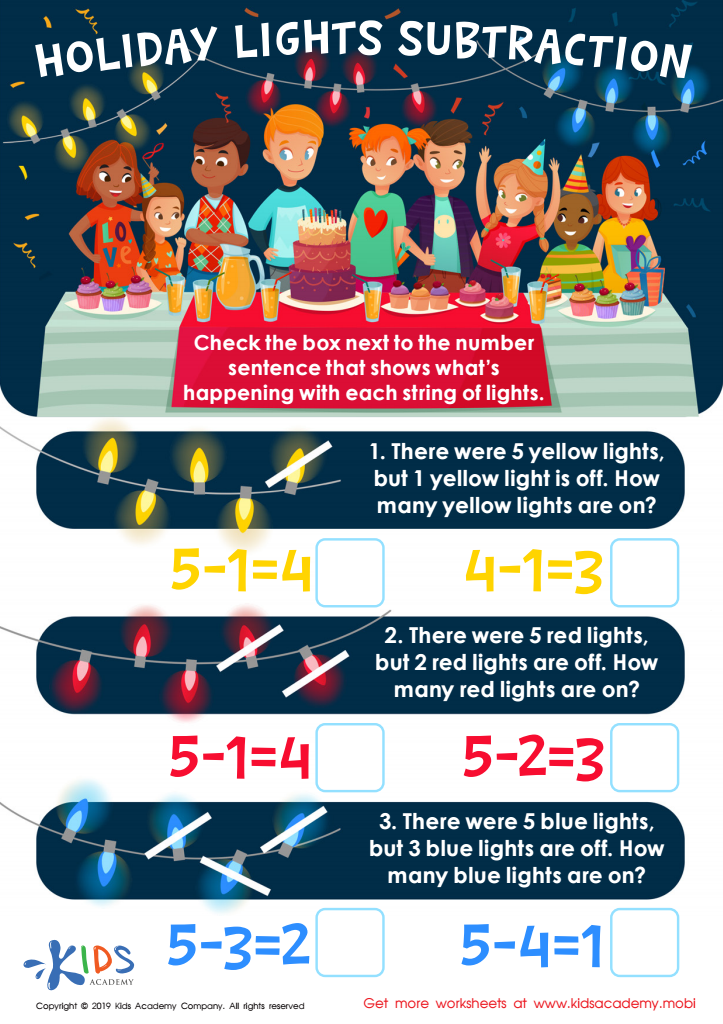
Holiday Lights Subtraction Worksheet
 Assign to My Students
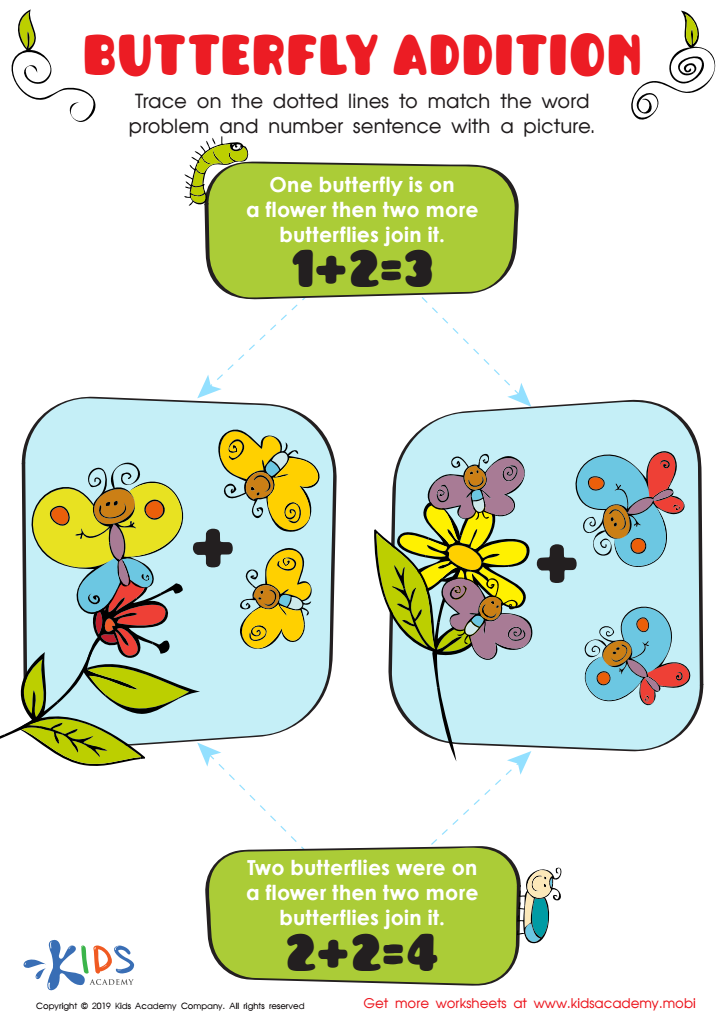
Butterfly Addition Worksheet
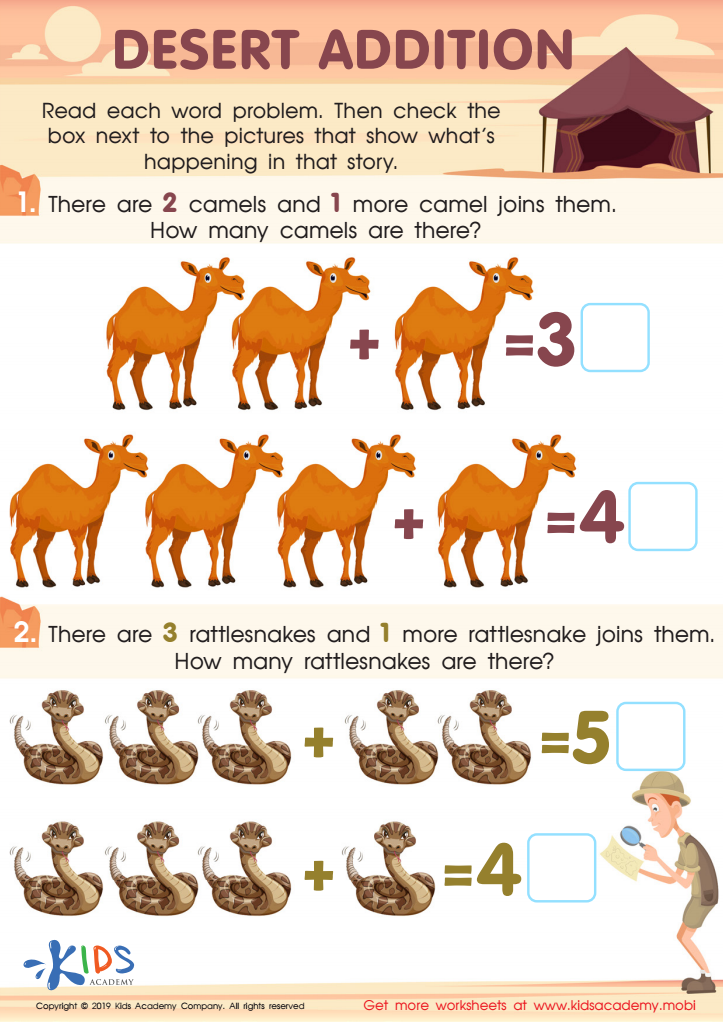
Desert Addition Worksheet
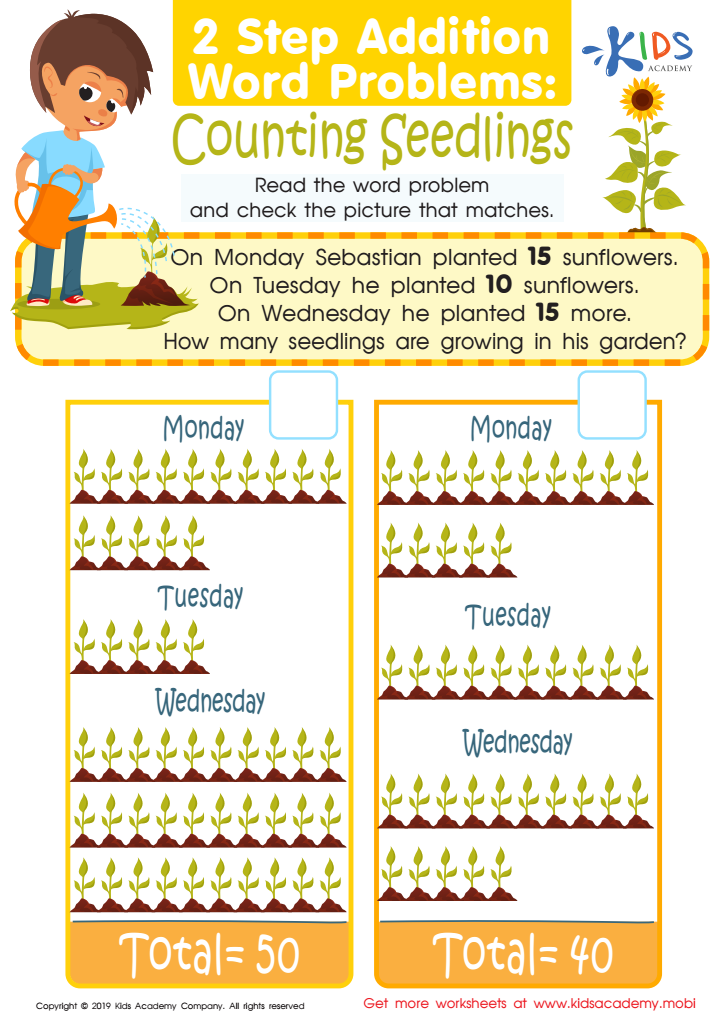
Counting Seedlings Worksheet
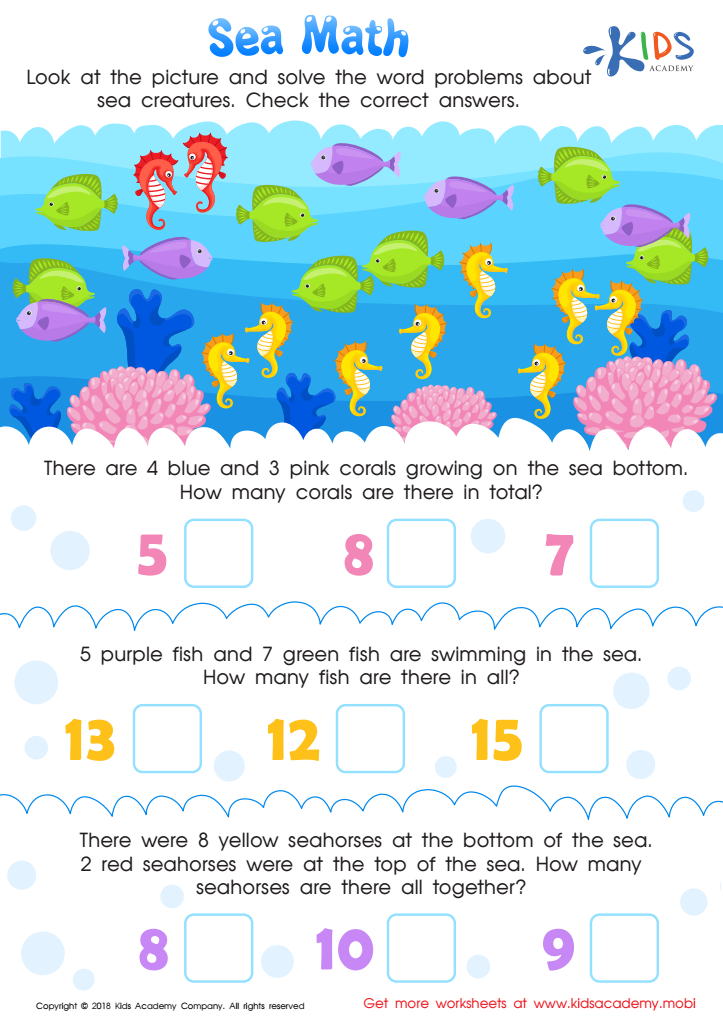
Sea Math Worksheet
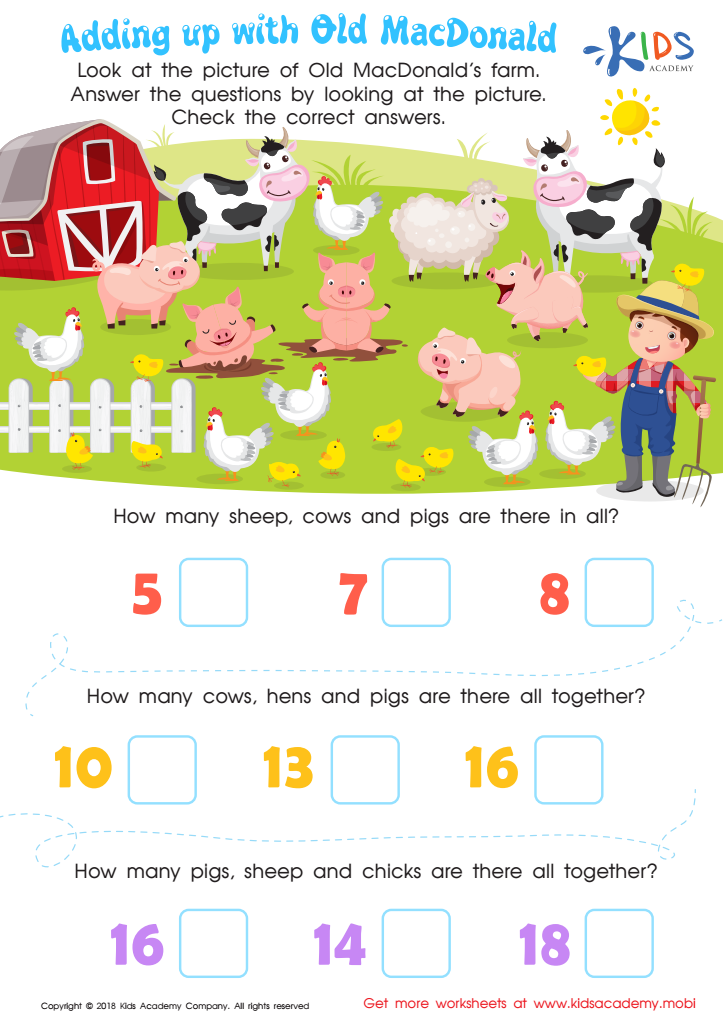
Adding Up with Old MacDonald Worksheet
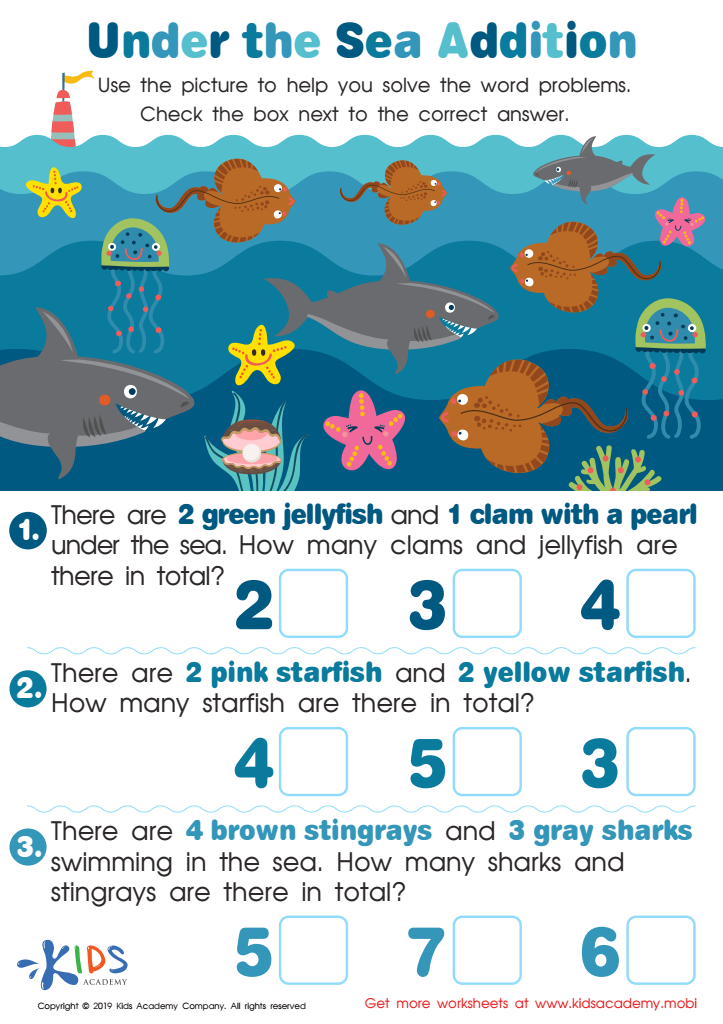
Under the Sea Addition Worksheet
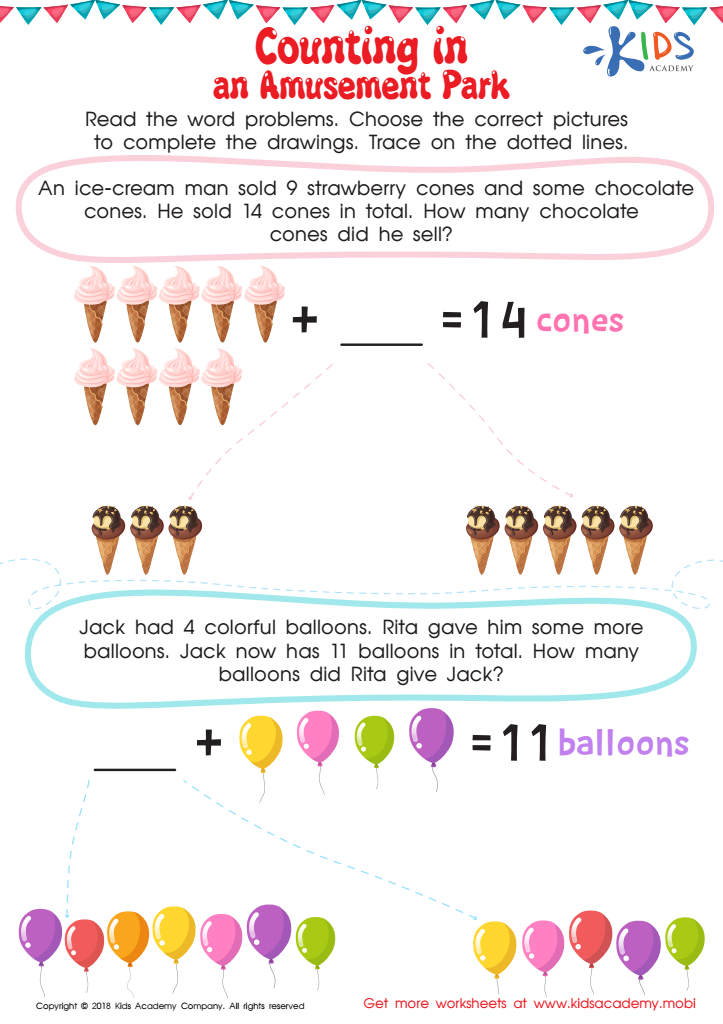
Counting in an Amusement Park Worksheet
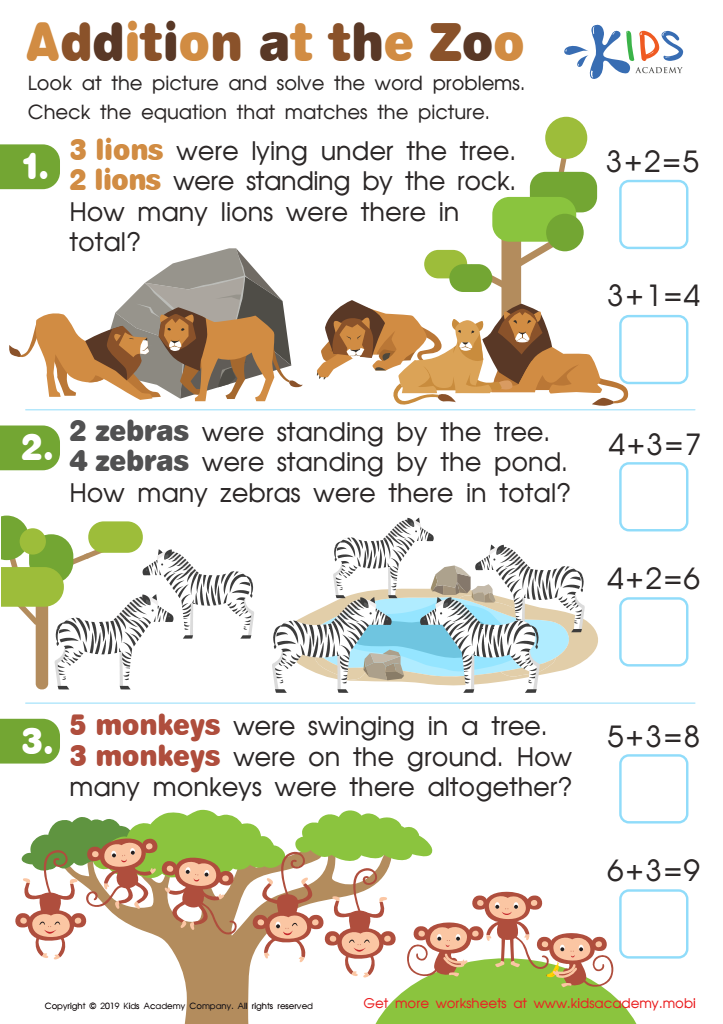
Addition at the Zoo Worksheet








Number recognition, along with easy addition and subtraction word problems, is crucial for children aged 6-8 as it lays the foundation for their mathematical skills. At this stage, children are developing essential cognitive abilities that enable them to understand numbers and their relationships. Mastering number recognition helps them identify numerical values and fosters confidence when engaging with math-related tasks.
Teachers and parents should take an active role in facilitating this learning process because solid arithmetic skills significantly contribute to academic success in higher grades. Simple word problems enhance critical thinking by requiring children to interpret, analyze, and solve math in real-life contexts. This not only builds computational skills but also encourages strategic thinking and problem-solving capabilities.
Furthermore, early mastery of these basic concepts can spark enthusiasm for learning and encourage a positive attitude toward mathematics. It can prevent frustration with more complex math later on. Engaging with number recognition activities and word problems together also strengthens the parent-child or teacher-student bond, reinforcing the importance of collaboration in education. In summary, number recognition and simple word problems are indispensable skills that significantly impact children's overall learning trajectory.