Number comparison Easy Numbers Worksheets for Ages 6-8
4 filtered results
-
From - To
Explore our engaging Number Comparison Easy Numbers Worksheets, ideal for children aged 6-8! These interactive worksheets are designed to enhance your child's number recognition and comparison skills through fun and colorful activities. Perfect for early learners, our resources help kids practice comparing quantities, understanding greater than/less than concepts, and developing essential math foundations. Each worksheet encourages critical thinking and boosts confidence in their numerical abilities. Whether at home or in the classroom, these worksheets provide a valuable learning experience tailored for young minds. Dive into a world of math fun and watch your child's skills flourish with our beautifully crafted worksheets!
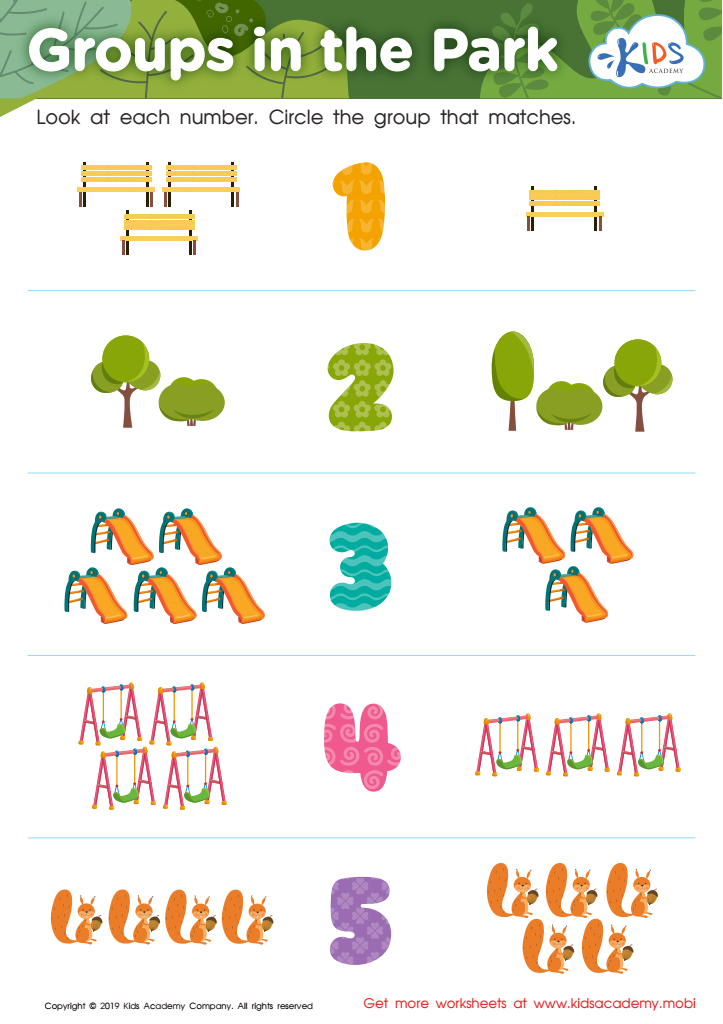
Groups in the Park Worksheet
 Assign to My Students
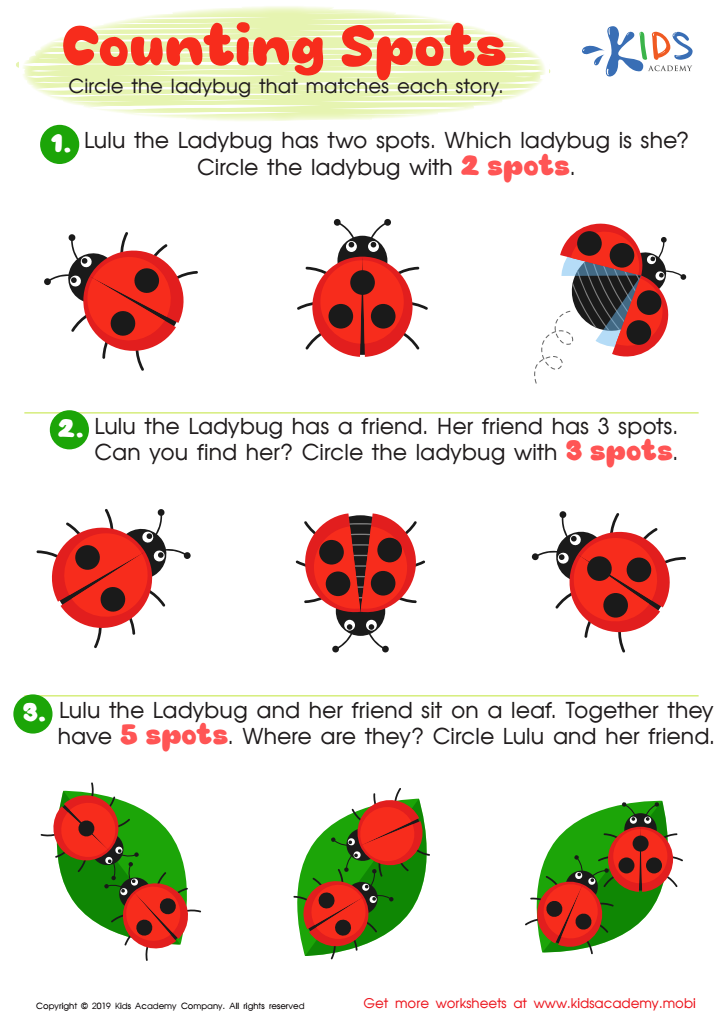
Counting Spots Worksheet
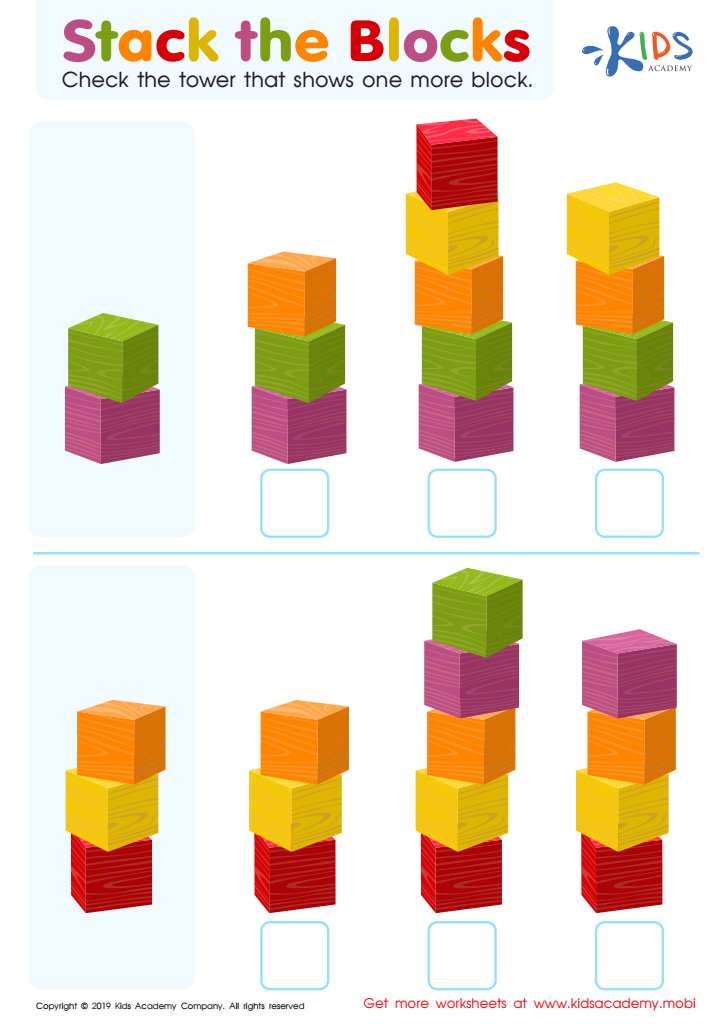
Stack the Blocks Worksheet
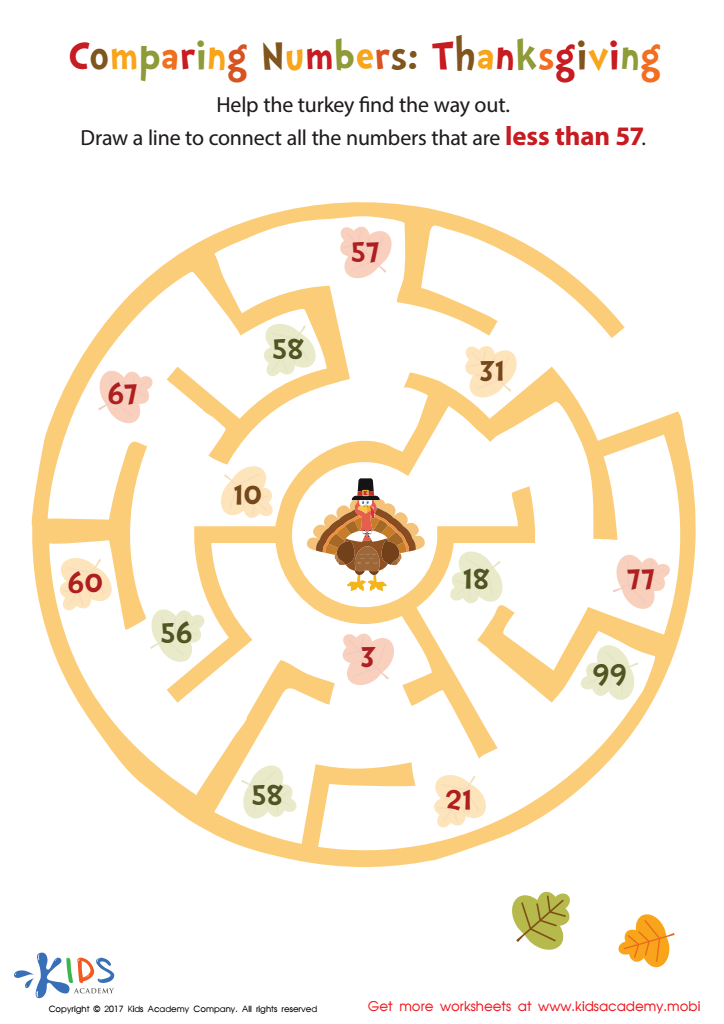
Comparing Numbers Printable







Number comparison is a foundational skill in early math education, particularly for children aged 6-8. As parents and teachers, understanding the significance of this skill is essential for several reasons.
Firstly, number comparison enhances numeracy skills, helping children develop a sense of number magnitude and value. By comparing numbers, children learn to identify which is larger or smaller, fostering critical thinking and problem-solving abilities. This lays the groundwork for more complex mathematical concepts later on.
Secondly, number comparison supports cognitive development. As children engage with comparisons, they exercise their analytical skills, improving both their logical reasoning and mental agility. It encourages an understanding of relationships between numbers, which is fundamental in mastering addition, subtraction, and even real-world applications like measuring objects or understanding time.
Moreover, mastering comparison boosts confidence in math, which can impact a child's overall attitude towards learning. When children feel successful in their math abilities, they are more likely to embrace new challenges. Therefore, attentiveness to developing number comparison skills is crucial for parents and teachers to ensure that children thrive in mathematics and develop a positive disposition towards learning in general.








