Shape Recognition Easy Numbers Worksheets for Ages 6-8
3 filtered results
-
From - To
Discover our engaging Shape Recognition Easy Numbers Worksheets for kids aged 6-8! Designed to enhance visual differentiation and cognitive skills, these worksheets help young learners identify and understand various shapes while integrating numbers. Each activity is crafted to be fun and educational, making it easier for children to associate shapes with numerical concepts. With colorful illustrations and diverse exercises, your child will develop essential math skills and boost their confidence. Perfect for classroom use or at home, these worksheets support early education in a captivating way. Explore our resources today and watch your child excel in shape and number recognition!
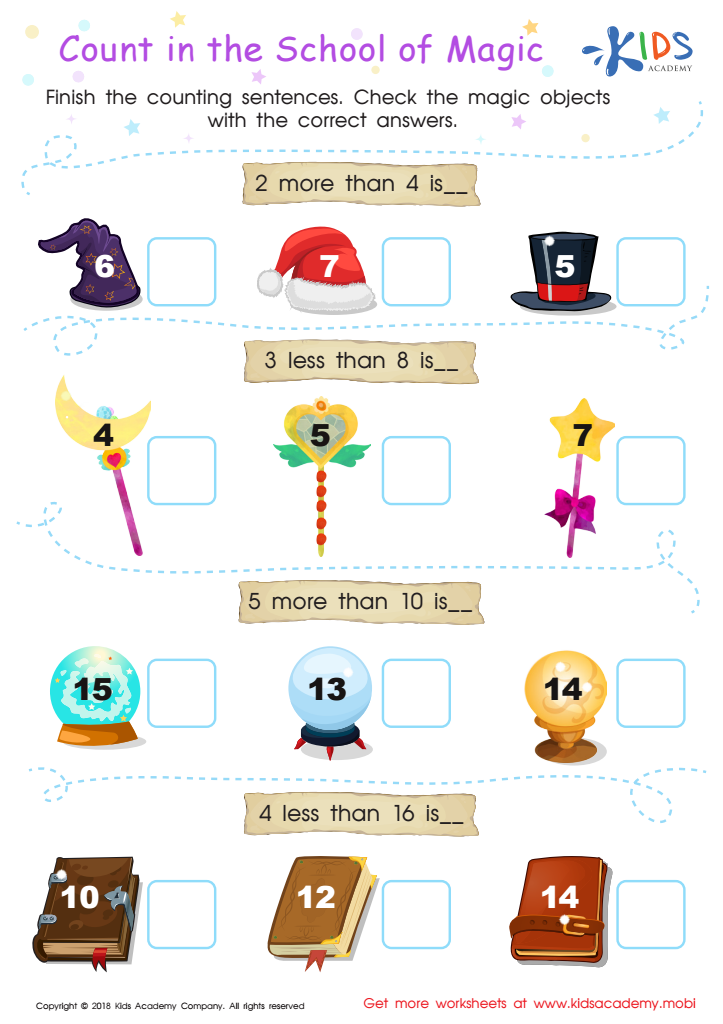
Count in the School of Magic Worksheet
 Assign to My Students
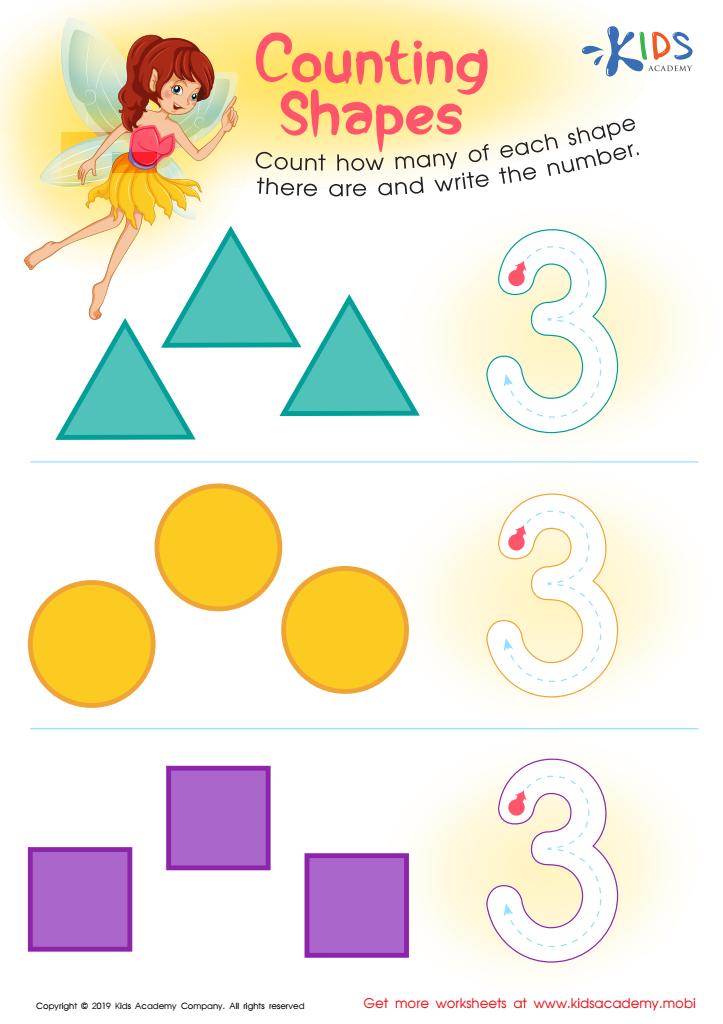
Counting Shapes Worksheet
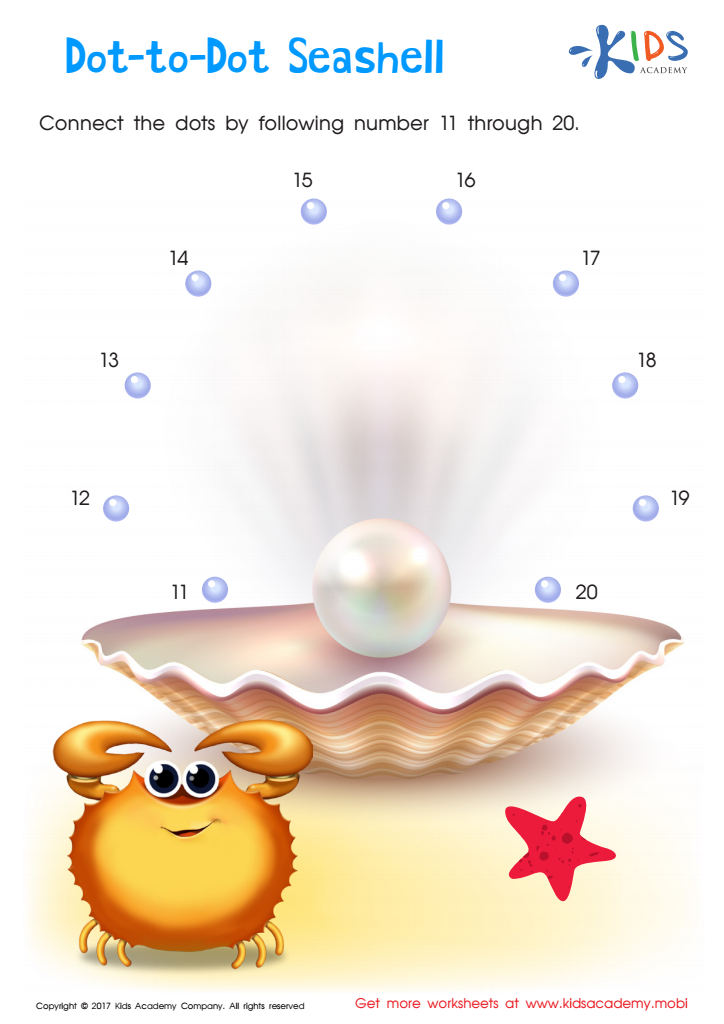
Ordering 11–20: Dot–to–dot Seashell Printable






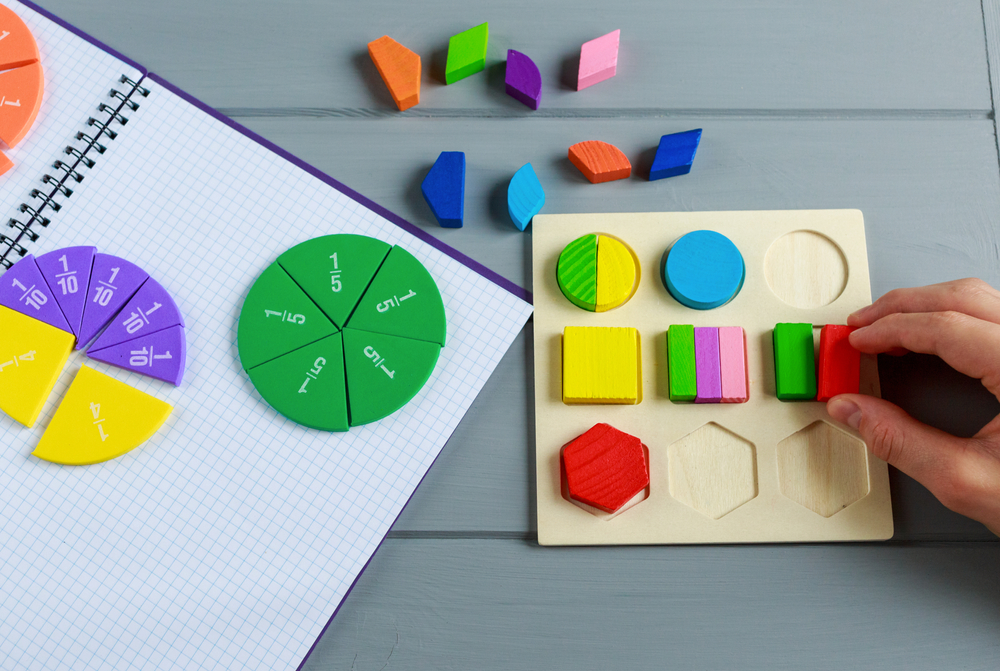

Shape recognition and an understanding of easy numbers are crucial for children ages 6-8, as they lay the foundation for essential cognitive skills. For parents and teachers, fostering these abilities offers numerous benefits that extend beyond mere academic achievement.
Firstly, shape recognition enhances spatial awareness and visual perception, enabling kids to understand their environment better. This skill is vital for subjects like geometry later in their education. In everyday life, recognizing shapes supports tasks like sorting, categorizing, and understanding patterns—all of which promote critical thinking.
Secondly, introducing easy numbers alongside shape recognition helps develop fundamental math skills. Children begin to relate numbers to real-world objects and quantities, providing a robust framework for future math concepts. Engaging activities that link shapes to numbers reinforce these connections, making learning interactive and enjoyable.
Additionally, these skills contribute to language development, as children learn to articulate their understanding of shapes and numbers. This also enhances communication skills, as they discuss their observations and comparisons.
In summary, emphasizing shape recognition and easy numbers prepares children for more advanced learning, nurtures vital life skills, and encourages a holistic, engaging educational experience. This is why parents and teachers should prioritize these foundational components in early education.








