Fine motor skills (writing) Easy Math Worksheets for Ages 6-8
3 filtered results
-
From - To
Enhance your child's fine motor skills with our engaging Easy Math Worksheets, specially designed for ages 6 to 8. These worksheets not only reinforce essential math concepts but also focus on developing writing precision and control. Through fun exercises, children will practice tracing, writing numbers, and solving simple math problems, helping them to build confidence while improving hand-eye coordination. Our user-friendly worksheets are perfect for home or classroom use, making learning both effective and enjoyable. Equip your child with the necessary skills for academic success while nurturing their love for learning through interactive and versatile activities!
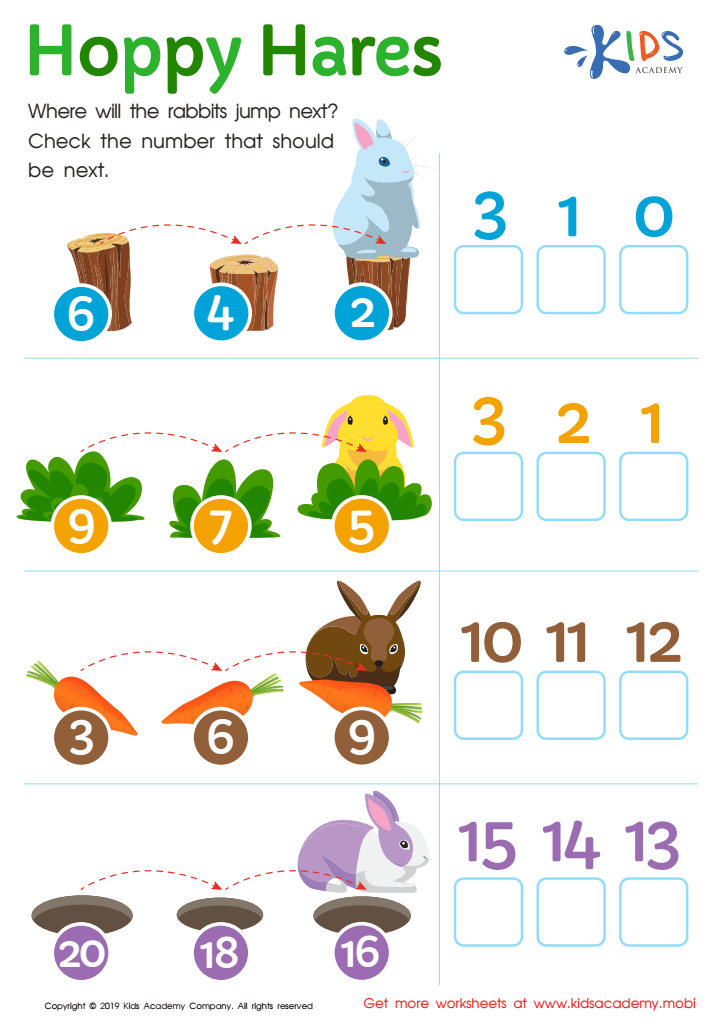
Hoppy Hares Worksheet
 Assign to My Students
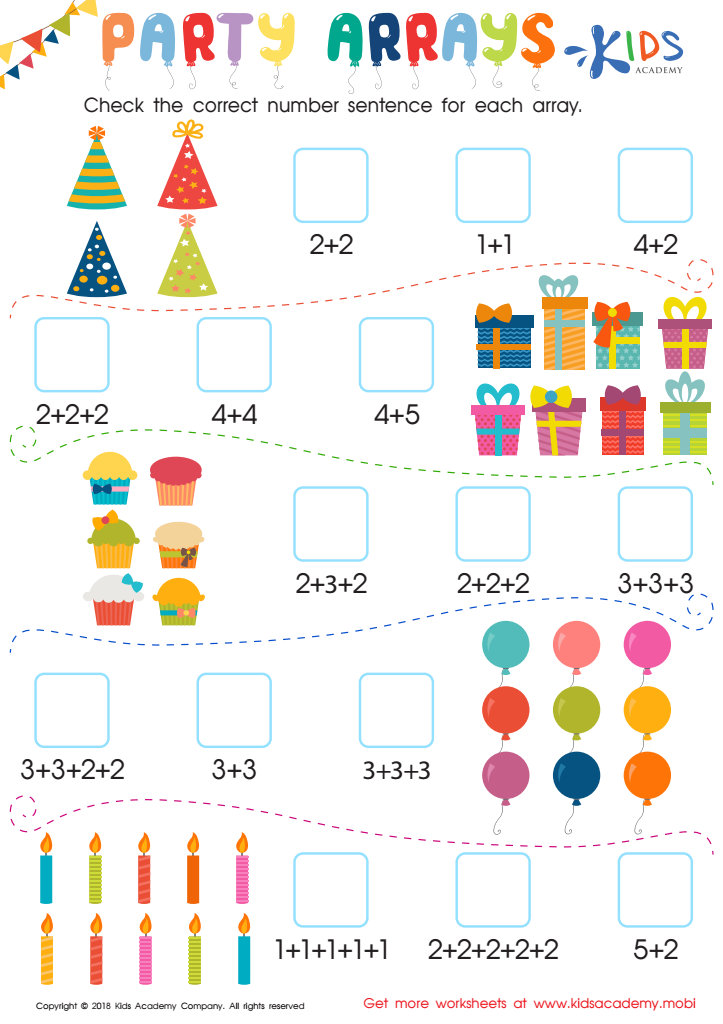
Party Arrays Worksheet
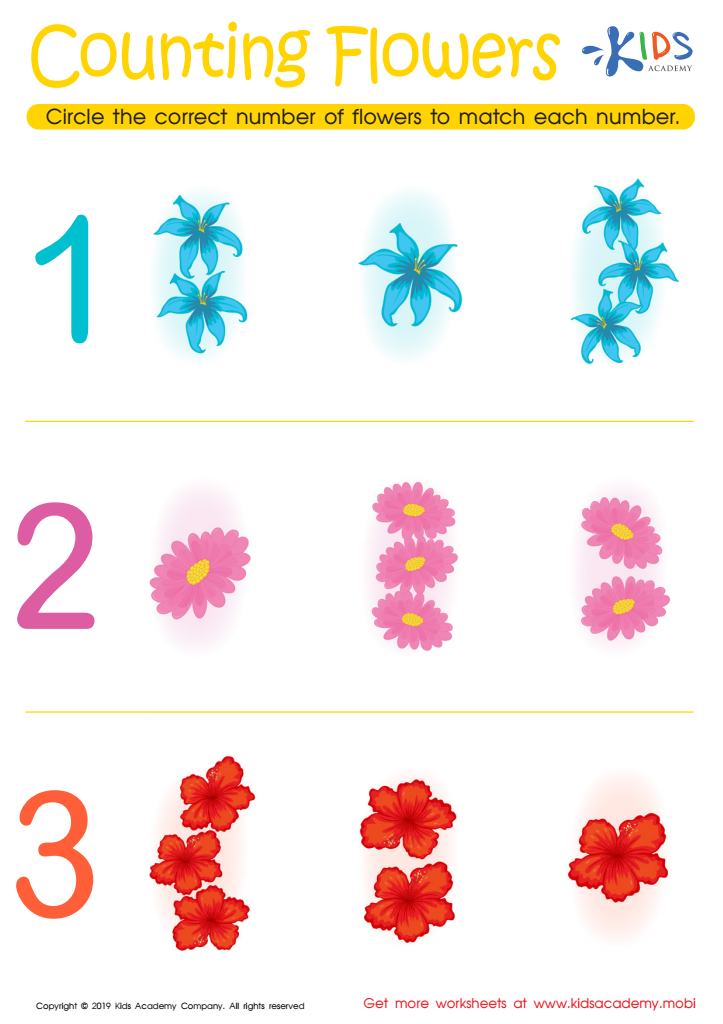
Counting Flowers Worksheet







Fine motor skills, particularly writing and basic math, are crucial for children aged 6-8 as they serve as the foundation for academic success and everyday tasks. During this developmental stage, children are honing their ability to control small movements, which is essential for writing legibly, creating art, and engaging in crafts—all of which enhance self-expression and creativity. Strong fine motor skills not only boost handwriting proficiency but also foster a positive attitude towards learning.
Additionally, easy math concepts introduce children to critical thinking and problem-solving skills. Mastering basic math operations—like addition and subtraction—builds confidence and lays the groundwork for more complex topics as they progress through school. These skills are interrelated; for example, good fine motor skills make it easier to use math tools like rulers or calculators effectively.
Parents and teachers should prioritize the development of fine motor skills and easy math to cultivate independence in children. Activities like drawing, tracing, and simple math games can make learning enjoyable while encouraging growth in both areas. Together, nurturing these abilities will contribute to children's overall development, ensuring they are better equipped for future academic challenges and daily life skills.








