Fine Motor Skills Easy Social Studies Worksheets for Ages 6-8
3 filtered results
-
From - To
Discover our engaging Fine Motor Skills Easy Social Studies Worksheets designed specifically for children aged 6-8! These thoughtfully crafted resources help young learners develop essential fine motor skills while exploring social studies concepts. With a variety of fun activities like tracing shapes, connecting dots, and cutting out images, children will strengthen their hand-eye coordination and dexterity as they learn about communities, cultures, and social interactions. Perfect for both classroom and at-home learning, our worksheets provide a hands-on approach to education, ensuring that kids enjoy their journey through social studies. Download and ignite your child's curiosity today!

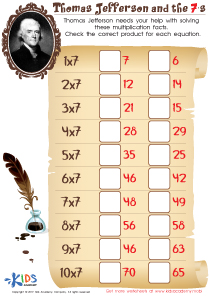
Happy Diwali Printable


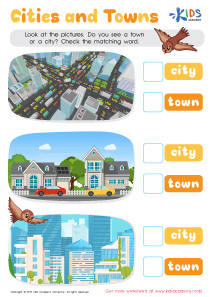
Globe Coloring Page Worksheet
 Assign to My Students





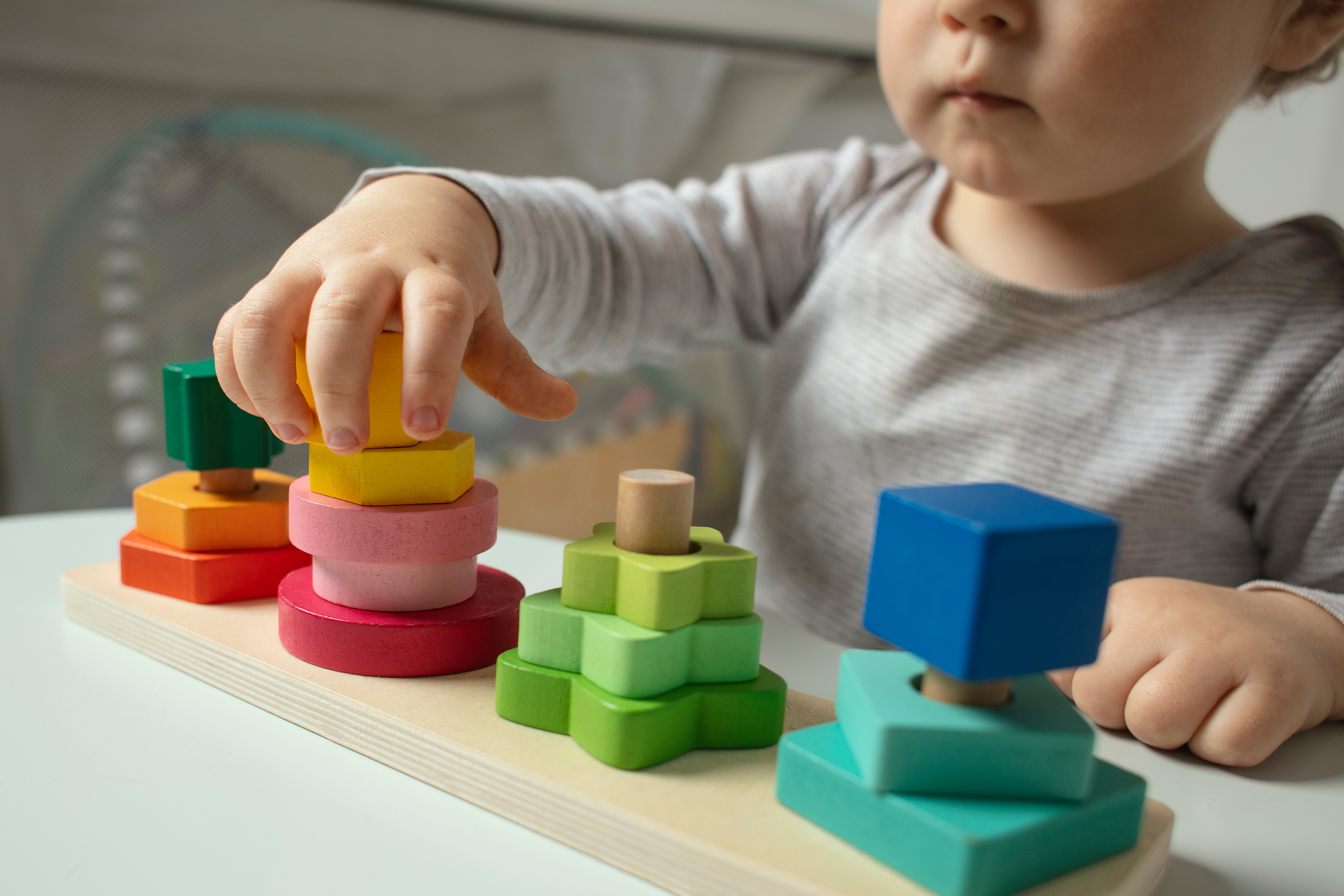

Fine motor skills are essential for children aged 6-8, as they directly impact their ability to participate effectively in various educational and everyday activities. These skills refer to the ability to use small muscles in the hands and fingers for tasks such as writing, drawing, cutting, and manipulating small objects. For parents and teachers, nurturing fine motor skills in young learners is crucial because these abilities form the foundation for their academic success, especially in subjects like social studies, where tasks such as labeling maps or constructing models are common.
Engaging in fine motor activities also promotes critical cognitive development. As children refine these skills, they enhance hand-eye coordination, focus, and attention to detail. These attributes are not only vital for academic purposes but also aid in building confidence and independence in daily tasks.
Moreover, participation in activities that develop fine motor skills often encourages collaboration and peer interaction, fostering social skills. Activities such as group crafts or model-building can promote teamwork, communication, and patience. By prioritizing fine motor skill development, parents and teachers equip children with the tools they need for both academic and social growth, ultimately contributing to their overall readiness for future learning experiences.