Counting practice Easy Worksheets for Ages 6-9 - Page 2
27 filtered results
-
From - To
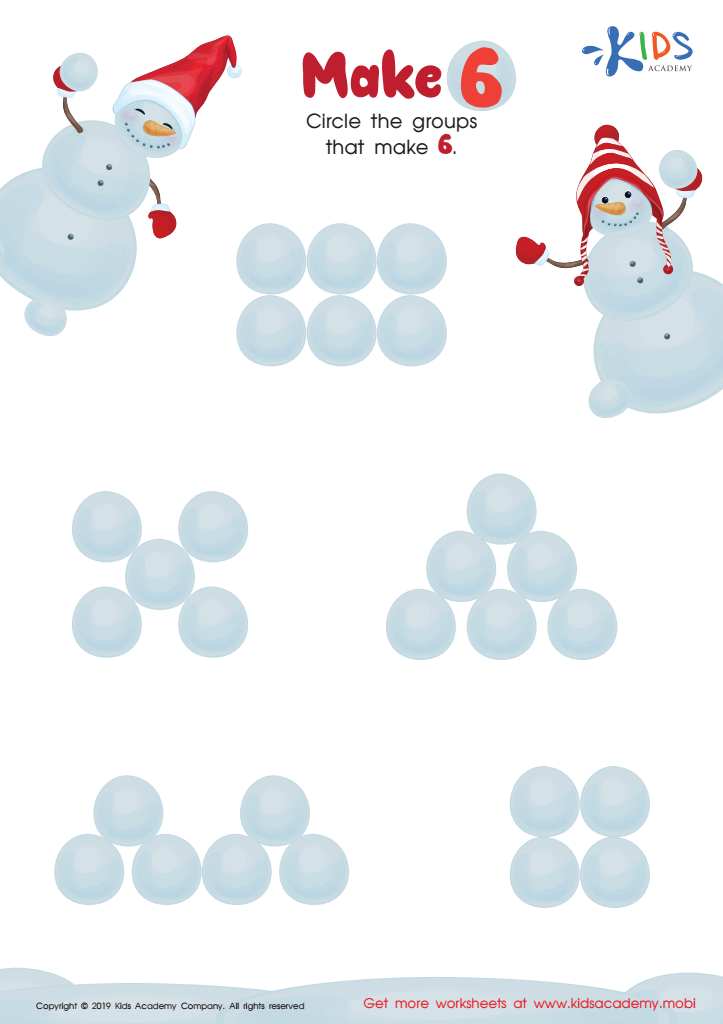
Make 6 Worksheet
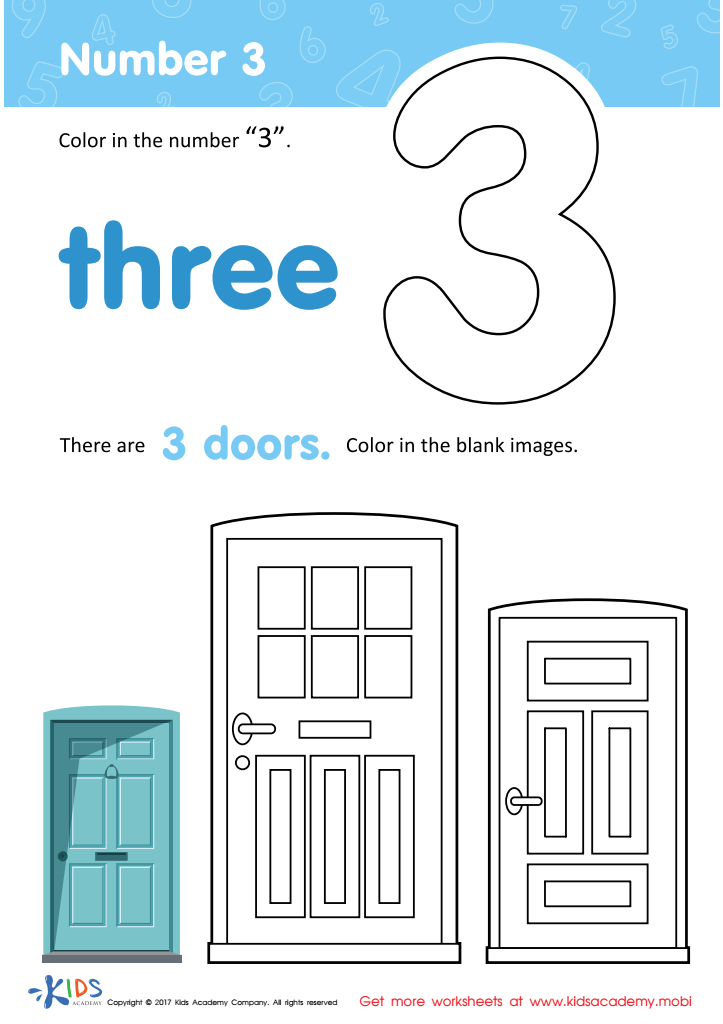
Number 3 Worksheet
 Assign to My Students

Counting on the City Skyline: Dot-to-Dot Worksheet







Counting practice is a fundamental building block for young learners aged 6-9, and it's vital for both parents and teachers to prioritize this skill. Firstly, counting fosters early mathematical understanding, laying the groundwork for more complex operations such as addition and subtraction. Engaging students in counting activities enhances their number sense, which is crucial for navigating math in later grades.
Moreover, counting practice supports cognitive development, as it encourages problem-solving and critical thinking skills. Children learn to recognize patterns, improve their focus, and develop patience while mastering counting techniques. These activities can also enhance fine motor skills through hands-on tasks, like using counters or drawing number lines.
Furthermore, incorporating counting into daily routines—like counting steps taken or items in the grocery cart—makes learning fun and practical. It also helps children connect mathematical concepts to real-world situations, which can foster a lifelong love for math.
Lastly, working together at home or in the classroom creates a supportive learning environment, enriching children's educational experience. This collaboration between parents and teachers can bolster children's confidence, motivation, and enthusiasm towards mathematics, setting them on a path for success in their academic journey.








