Hand-eye Coordination Easy Worksheets for Ages 6-9 - Page 2
27 filtered results
-
From - To
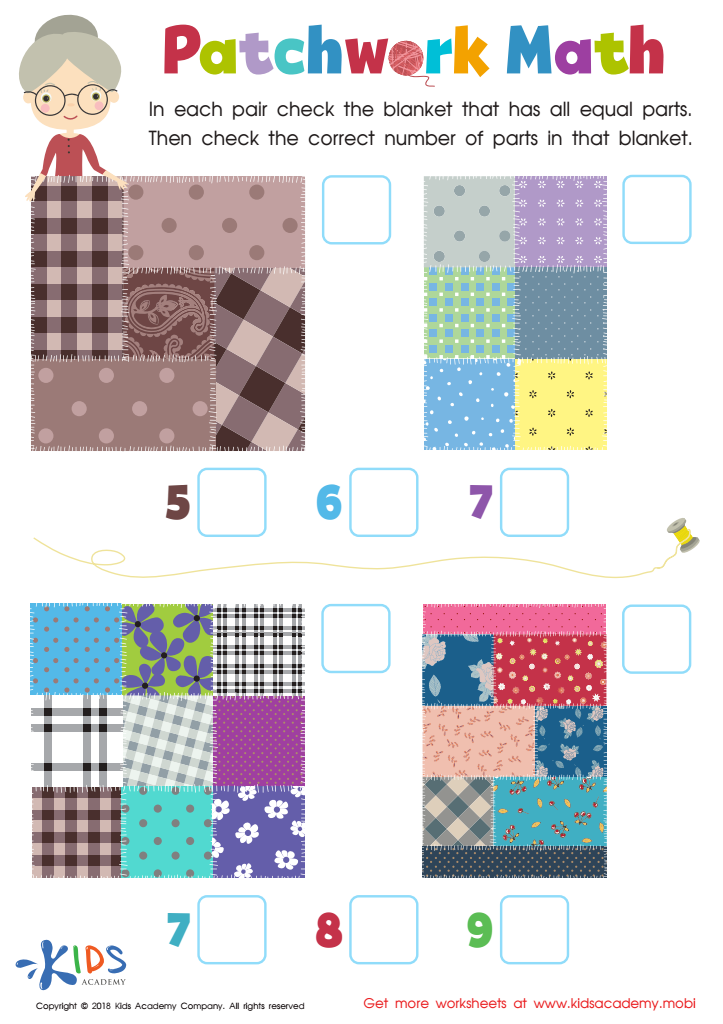
Patchwork Math Worksheet
 Assign to My Students
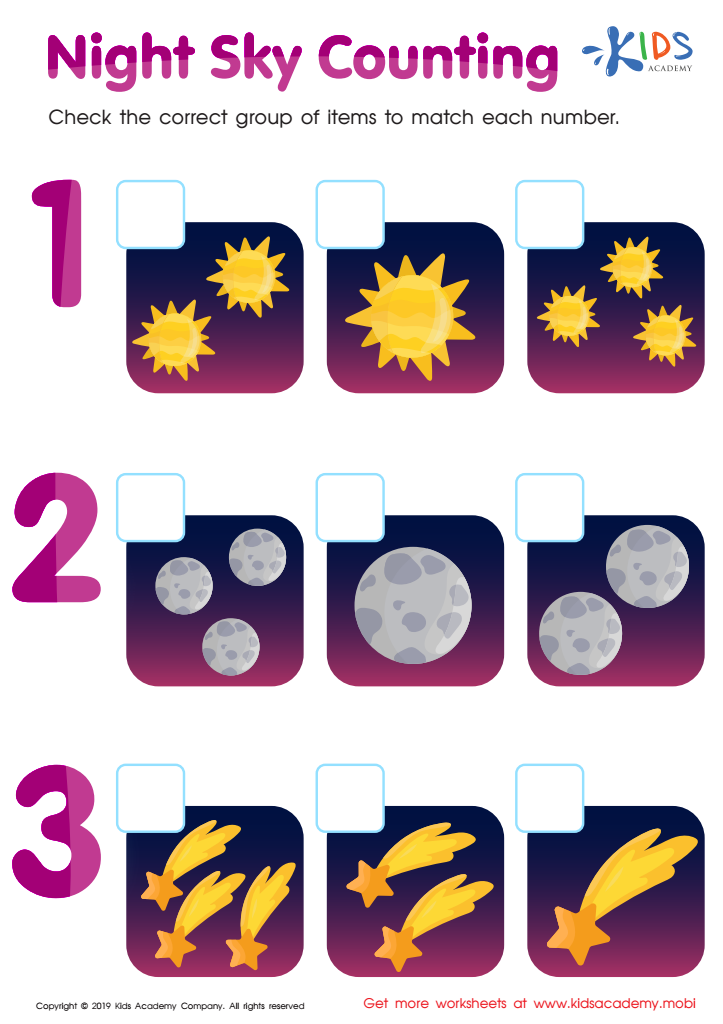
Night Sky Counting Worksheet
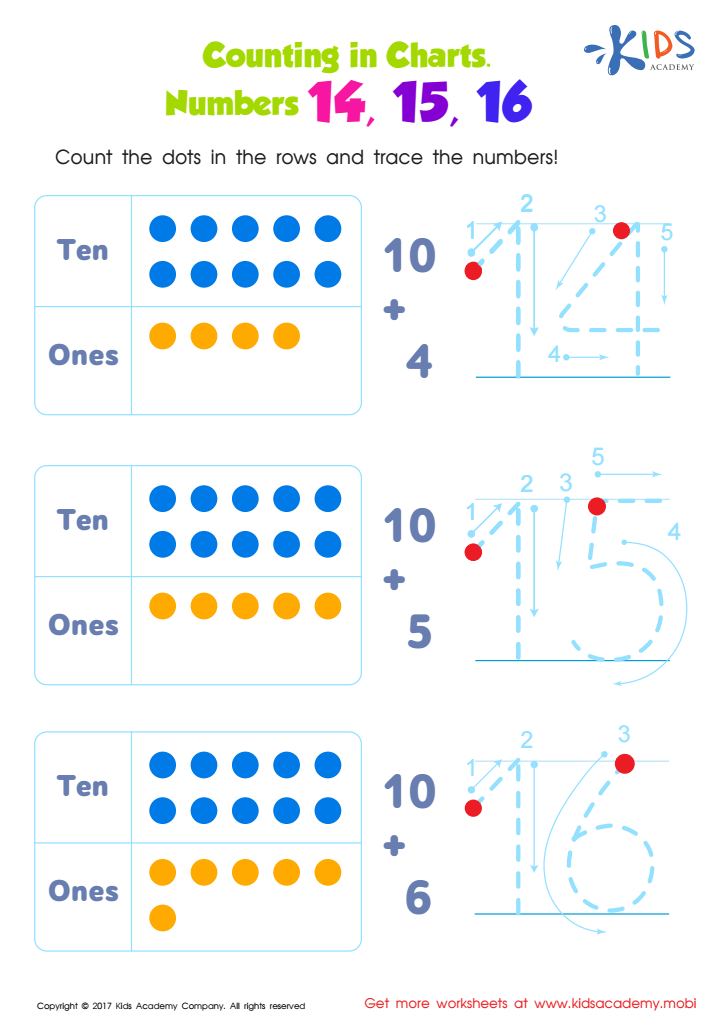
Number Tracing Worksheet







Hand-eye coordination is crucial for children aged 6-9 because it significantly impacts their ability to perform everyday activities and succeed in school tasks. This skill involves using the eyes to direct attention and the hands to execute a specific task, like catching a ball or writing neatly. For young children, developing good hand-eye coordination is essential for both academic and physical success.
From an academic perspective, hand-eye coordination helps with handwriting, reading, and use of classroom tools like scissors and rulers. Children with strong hand-eye coordination can form letters more accurately and quickly, making writing tasks easier and less frustrating. Good coordination also supports reading fluency by enabling children to track lines of text smoothly.
On the physical side, hand-eye coordination is fundamental in activities like sports, playing an instrument, or simply participating in playground games. These activities not only contribute to physical health but also enhance cognitive and social skills. When children can effectively participate, they're more likely to enjoy learning and social interactions, boosting their confidence.
In summary, parents and teachers should prioritize hand-eye coordination because it forms the foundation for many skills children need for academic achievement and overall well-being. Activities like playing catch, building with blocks, and drawing can support this important skill, ensuring children grow confident and competent.








