Problem Solving Easy Worksheets for Ages 6-9
3 filtered results
-
From - To
Help your child develop essential critical thinking skills with our Problem Solving Easy Worksheets, perfect for ages 6-9! These engaging and educational worksheets are designed to make problem-solving fun and accessible. Each worksheet features age-appropriate activities and puzzles, encouraging young learners to think creatively and logically. Kids will explore patterns, sequencing, simple arithmetic, and everyday challenges while building their problem-solving abilities and boosting their confidence. Ideal for home or classroom use, these printable worksheets foster a love for learning and provide a solid foundation for future academic success. Empower your child today with our easy-to-follow problem-solving resources!
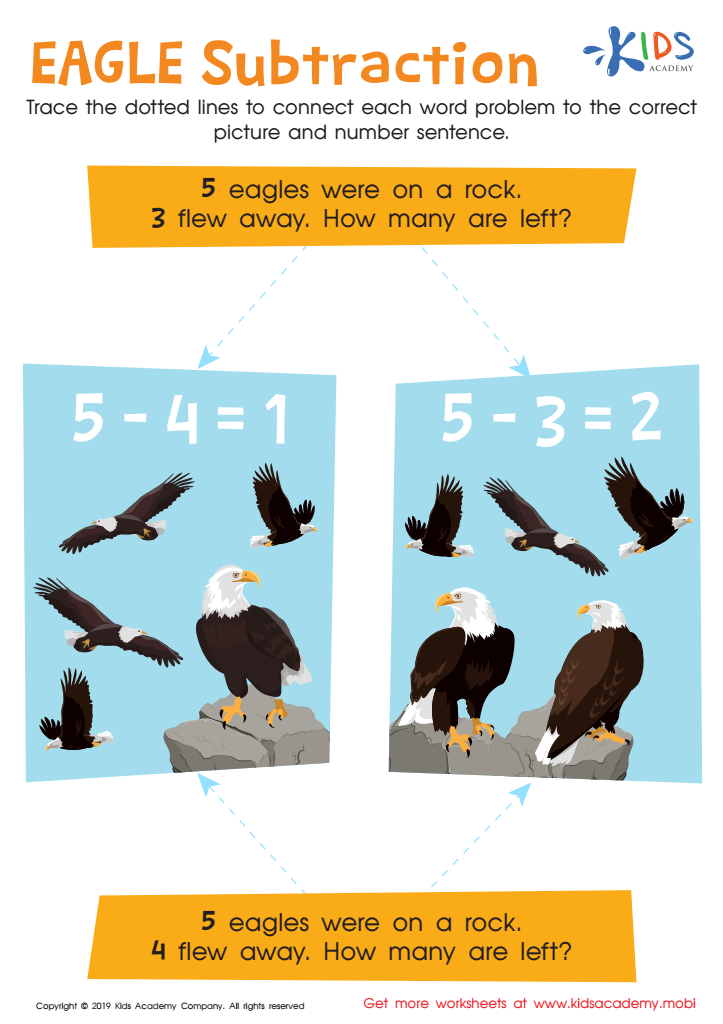
Eagle Subtraction Worksheet
 Assign to My Students
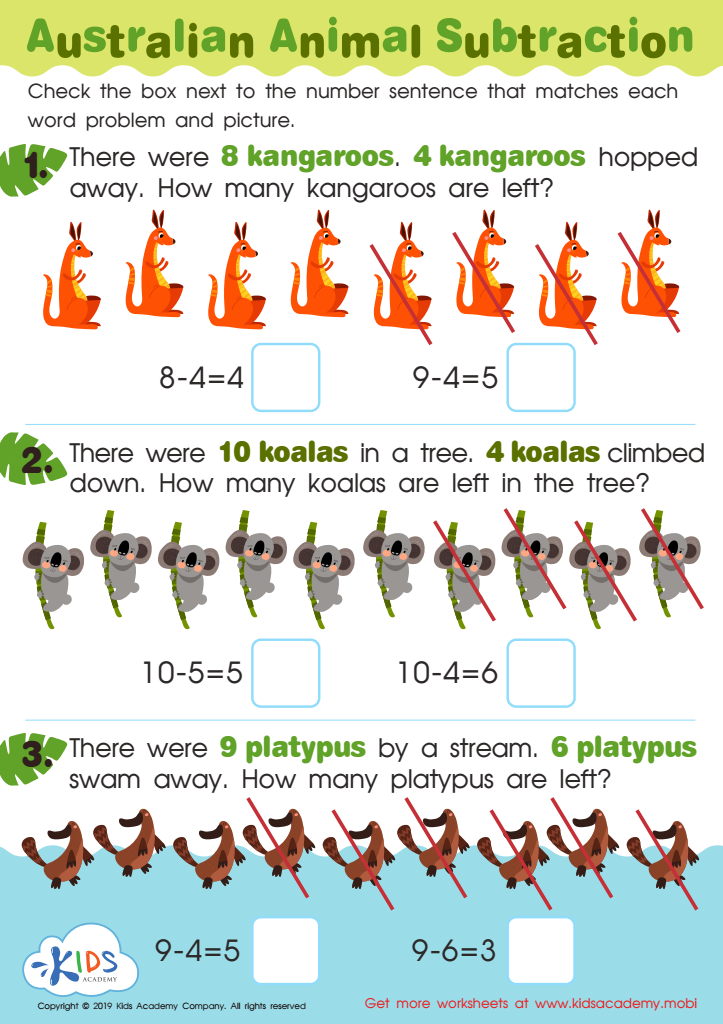
Australian Animal Subtraction Worksheet
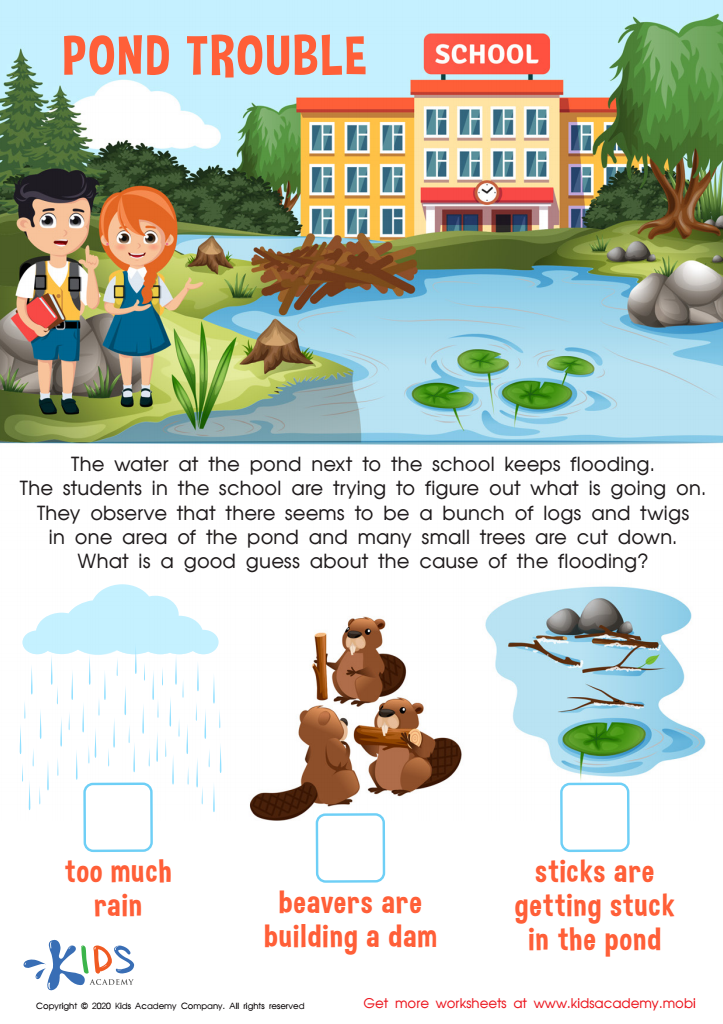
Pond Trouble Worksheet







Problem-solving is a critical skill that shapes a child's cognitive development, fostering their ability to think logically, make decisions, and overcome challenges. For children ages 6-9, Problem Solving Easy activities are wonderfully beneficial. Here's why:
Firstly, engaging in problem-solving at a young age fosters a growth mindset. When children solve problems, they learn to view challenges as opportunities for growth rather than insurmountable obstacles. This mindset lays a foundation for lifelong learning and resilience.
Secondly, problem-solving activities enhance critical thinking. They encourage children to analyze situations, identify patterns, and develop solutions. This sharpens their ability to approach real-life problems methodically.
Furthermore, these activities promote independence and confidence. As children work through problems and find solutions on their own or with minimal guidance, their self-esteem and self-reliance grow. They begin to trust their judgment and capabilities.
Social development also benefits from problem-solving exercises. Collaborative problem-solving nurtures teamwork and communication skills. When children work together, they learn to listen, share ideas, and appreciate diverse perspectives.
Lastly, early problem-solving skills can improve academic performance. They overlap with essential math and reading skills, laying a groundwork that supports broader educational success.
In summary, focusing on problem-solving for young children ultimately equips them with crucial tools for intellectual and emotional development, setting them up for success in school and life.








