Hand-eye Coordination Easy Numbers 0–10 Worksheets for Ages 6-9
10 filtered results
-
From - To
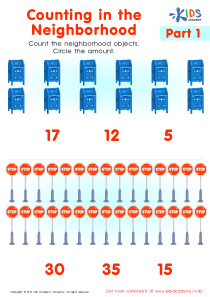
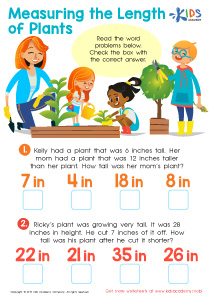
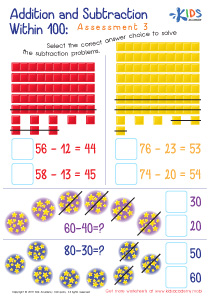
Enhance your child's hand-eye coordination and numeracy skills with our engaging "Hand-eye Coordination Easy Numbers 0–10 Worksheets" designed specifically for ages 6-9. These printable worksheets combine fun activities and number exercises, helping your child develop essential motor skills while learning to recognize and write numbers from 0 to 10. Each worksheet features captivating illustrations and interactive tasks, making math practice enjoyable and effective. Perfect for at-home learning or classroom use, our activities ensure a well-rounded educational experience. Foster your child's confidence in math and improve their coordination with our thoughtfully crafted worksheets that make learning a pleasure!
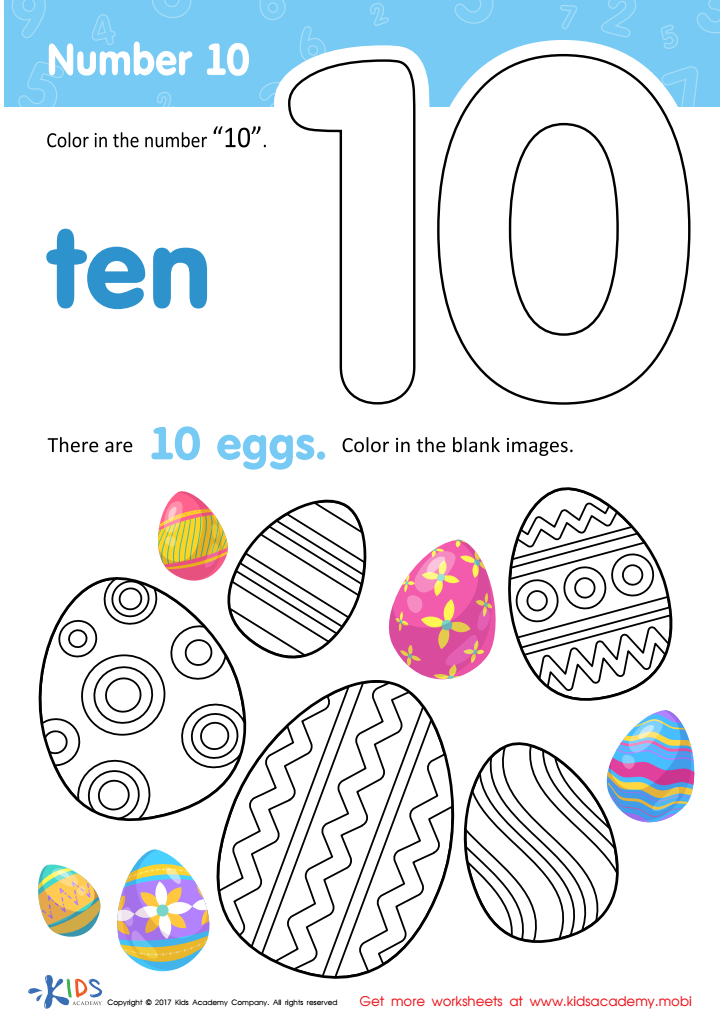
Number 10 Printable
 Assign to My Students
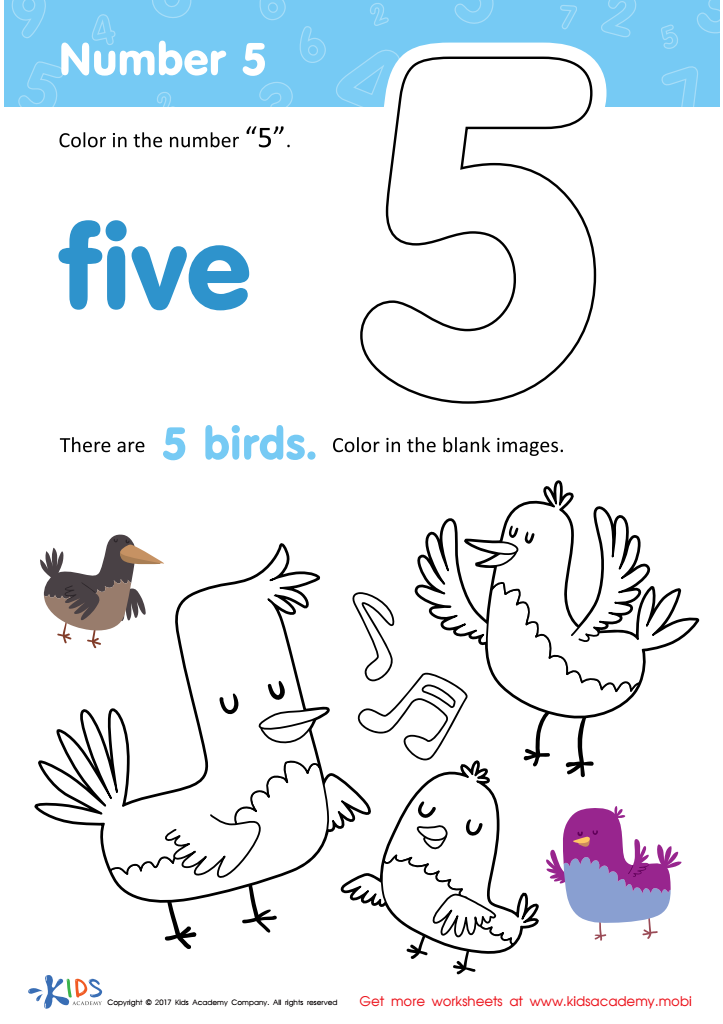
Number 5 Printable
Assign to My Students
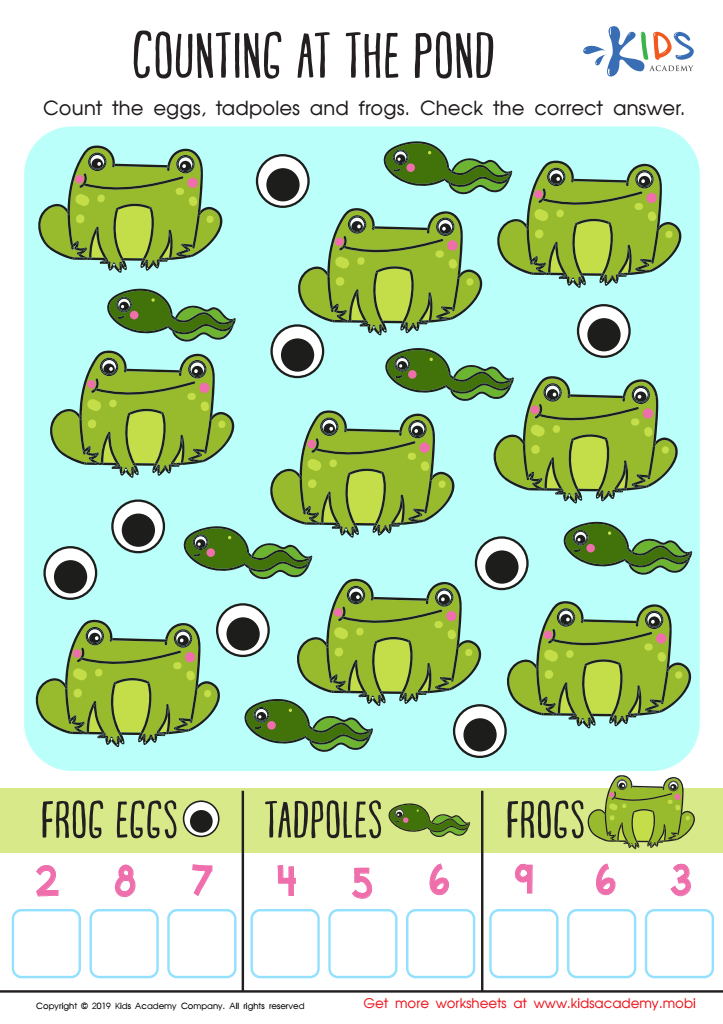
Counting at the Pond Worksheet
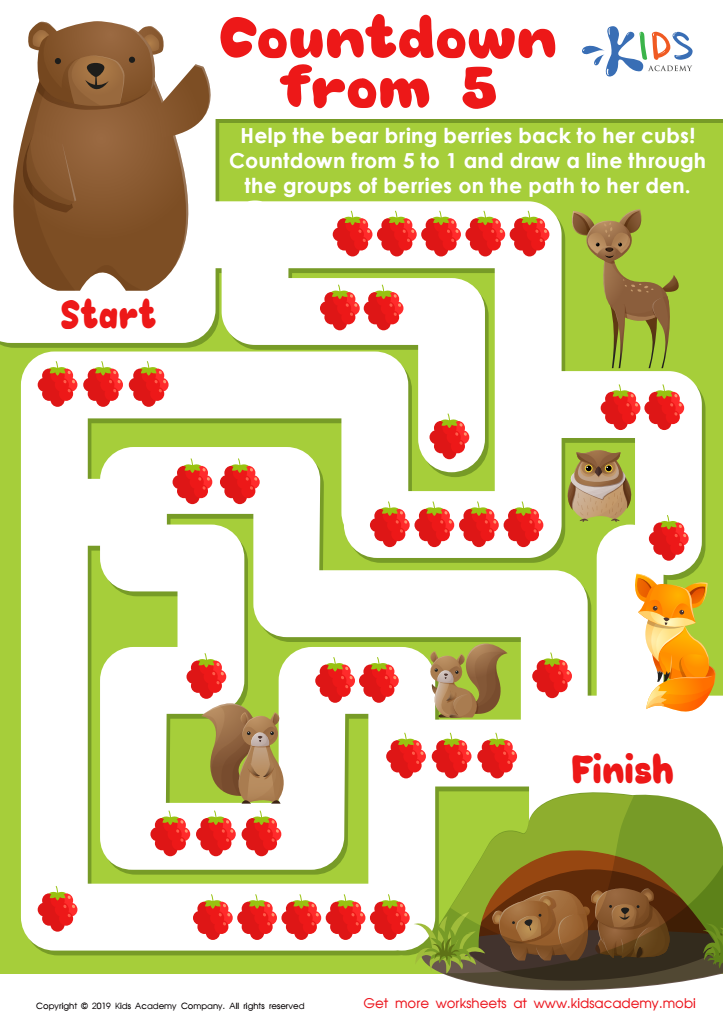
Countdown from 5 Worksheet
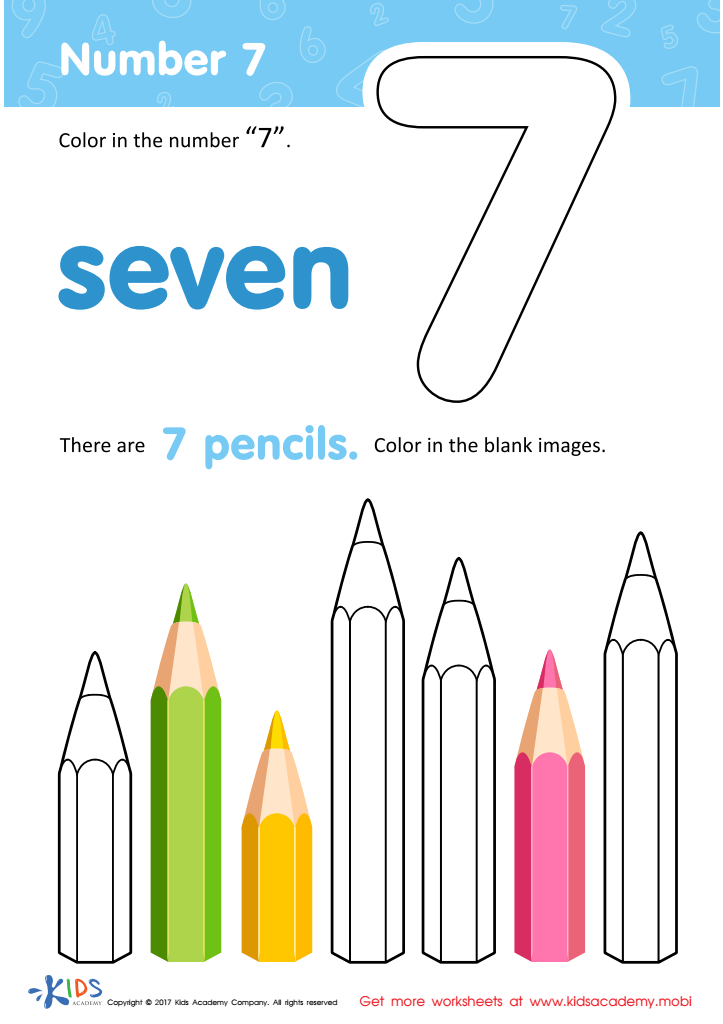
Number 7 Worksheet
Assign to My Students
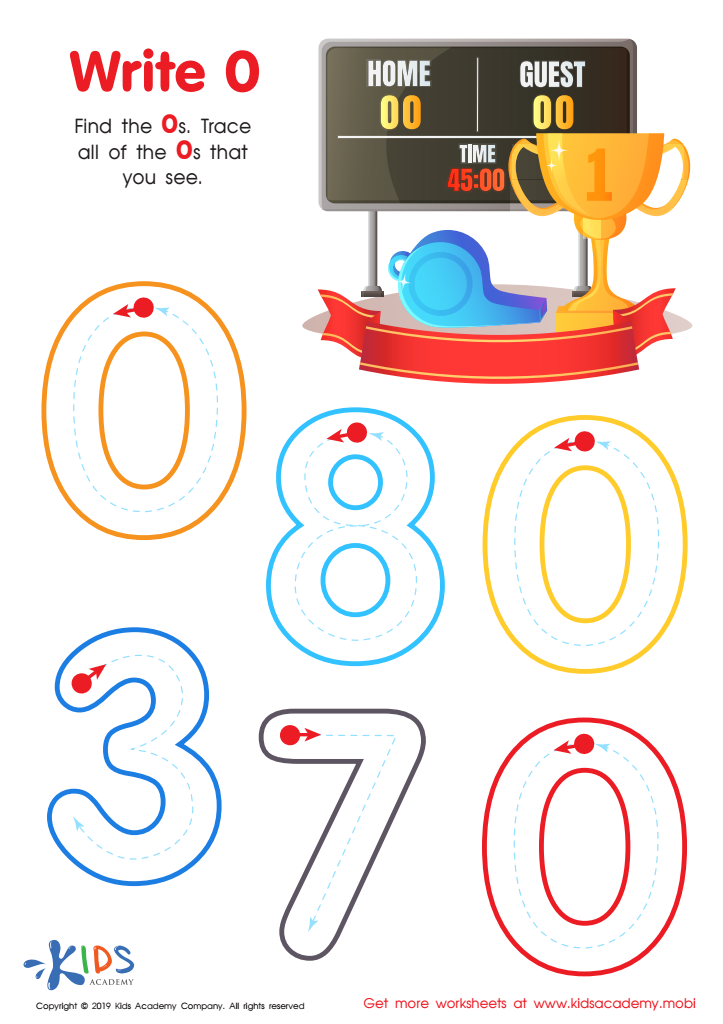
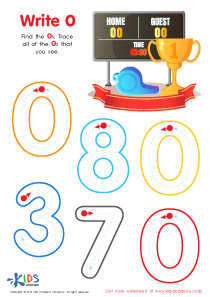
Write 0 Worksheet
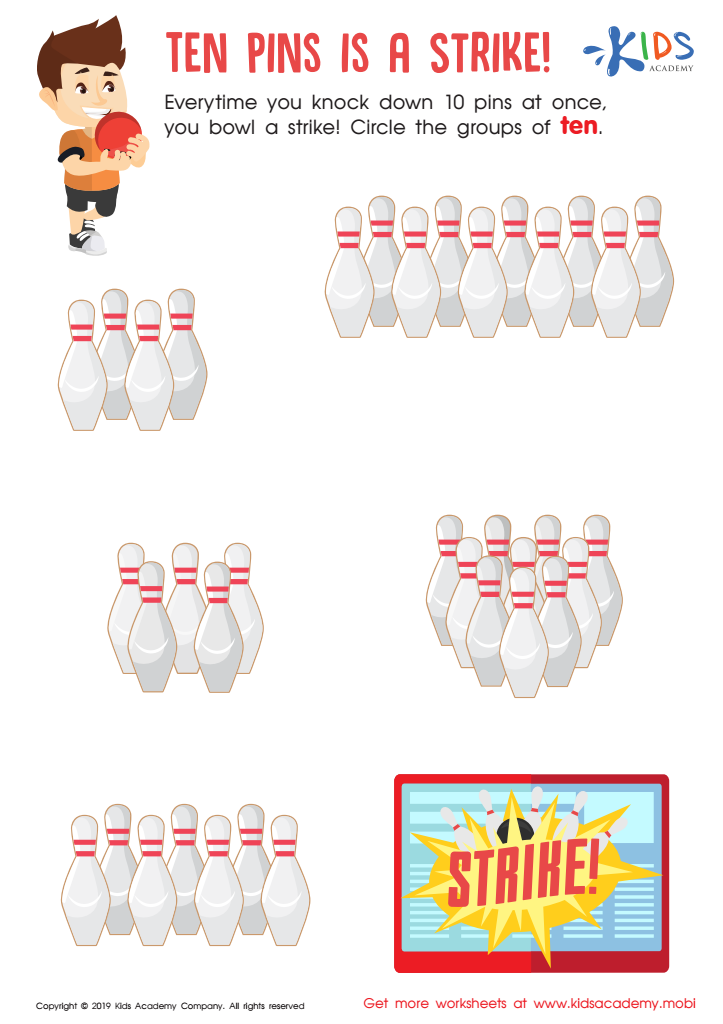
Ten Pins is a Strike Worksheet
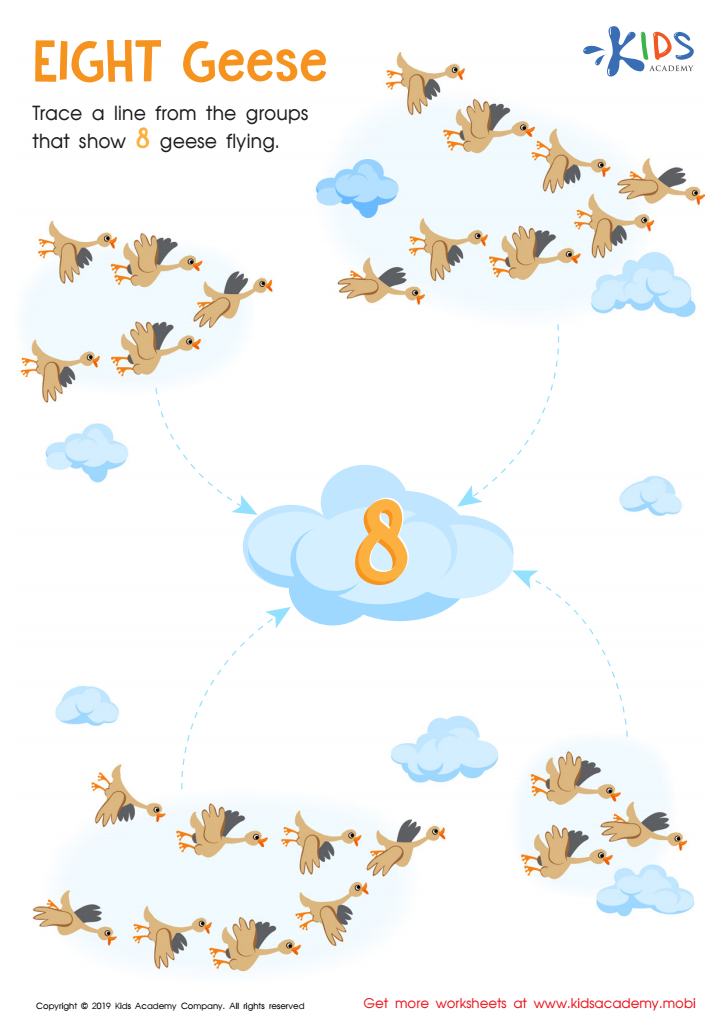
Eight Geese Worksheet
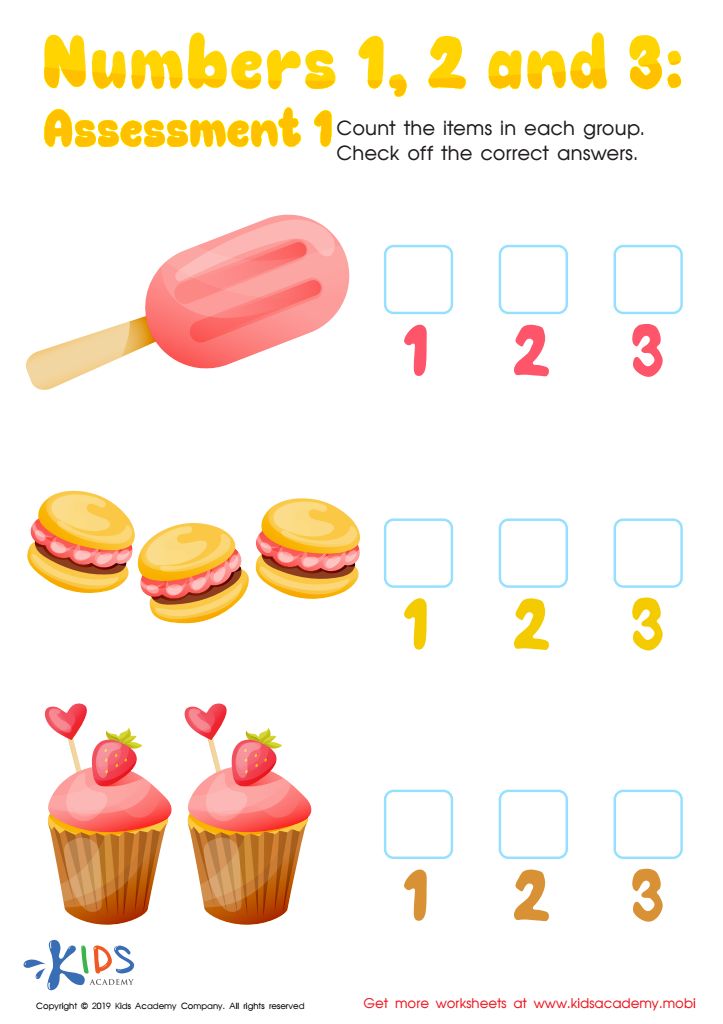
Numbers 1, 2 and 3: Assessment 1 Worksheet
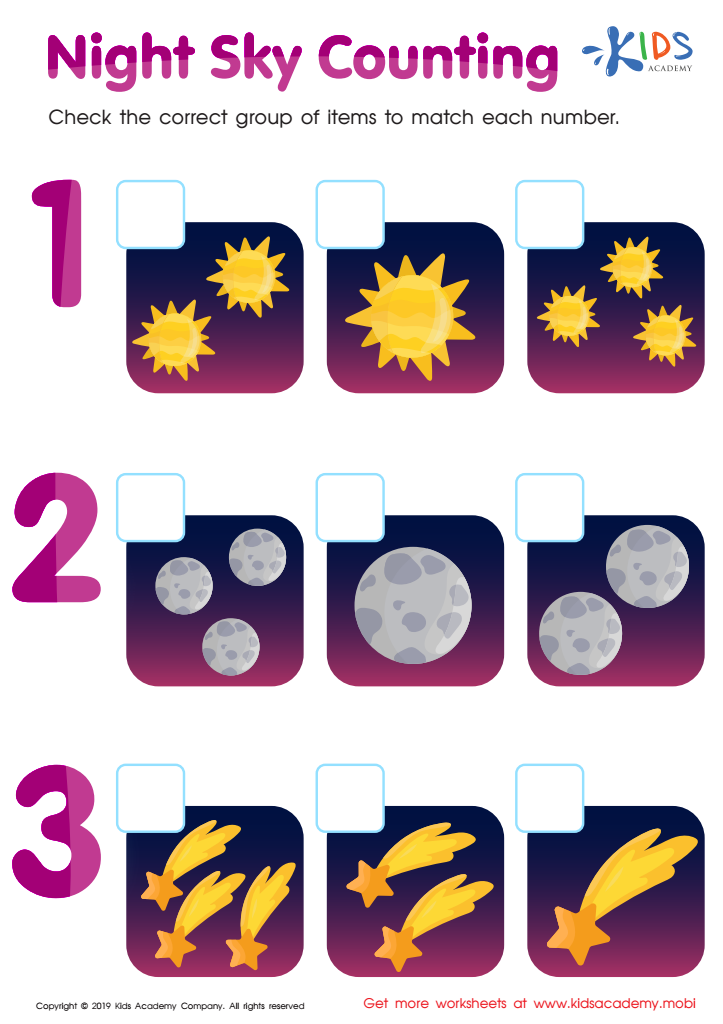
Night Sky Counting Worksheet








Hand-eye coordination is a pivotal developmental skill for children aged 6-9, and parents and teachers should prioritize its enhancement through activities focused on Easy Numbers 0–10. Hand-eye coordination involves the brain's ability to guide hand movements by processing visual stimuli. Strong hand-eye coordination underpins essential skills in academic, social, and daily life scenarios.
For younger children, mastering hand-eye coordination is vital for activities such as writing numbers and letters, engaging in sports, and even performing simple tasks like buttoning a shirt or tying shoes. As children in this age range typically begin to learn basic mathematical concepts and number recognition, associating numbers 0-10 with physical activities—like counting objects or using manipulatives—ceases arithmetic to an interactive experience.
Moreover, fostering this skill during early education lays a foundation for greater self-confidence and independence. It engages children in kinesthetic learning, making concepts more relatable and fun, thus retaining interest in academics.
Parents and teachers should be proactive; integrating hand-eye coordination into play, art, and educational exercises engages children and cultivates both cognitive and physical development, crucial for their overall growth. By recognizing this, adults can effectively support children's journey into more complex skills needed in their educational and future endeavors.