Problem-Solving Skills Easy Numbers 0–10 Worksheets for Ages 6-9
3 filtered results
-
From - To
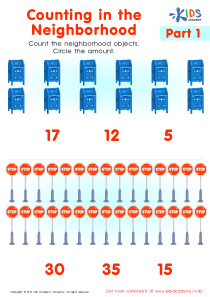
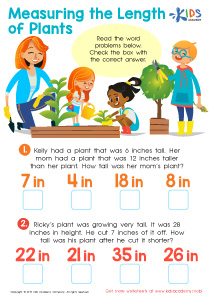
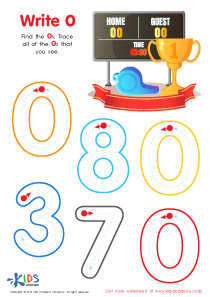
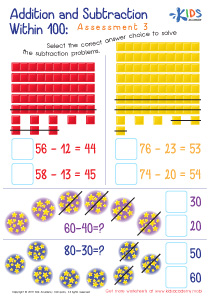
Unlock your child's potential with our engaging "Problem-Solving Skills Easy Numbers 0–10" worksheets designed for ages 6-9. These fun, interactive activities help young learners build essential math skills by encouraging critical thinking and practical problem-solving. With colorful graphics and a variety of exercises, each worksheet challenges students to apply their knowledge of numbers in real-world scenarios. Watch as your child gains confidence in their math abilities while developing a love for learning. Perfect for homeschoolers or supplementing classroom education, these worksheets offer a solid foundation for future success in mathematics. Start your child on the path to problem-solving mastery today!
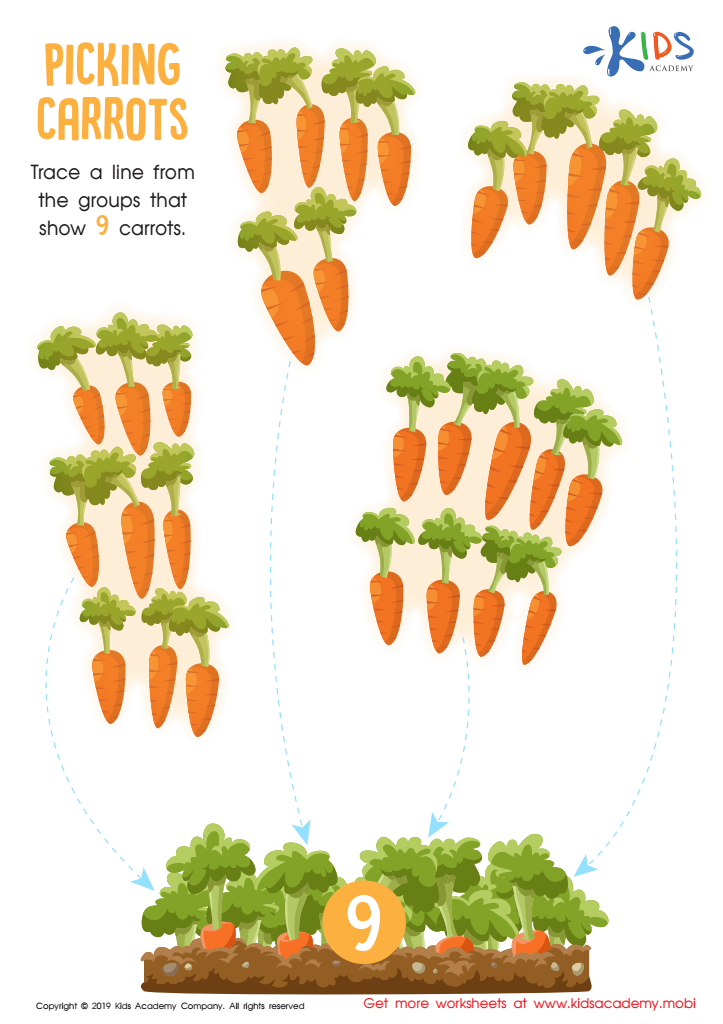
Picking Carrots Worksheet
 Assign to My Students
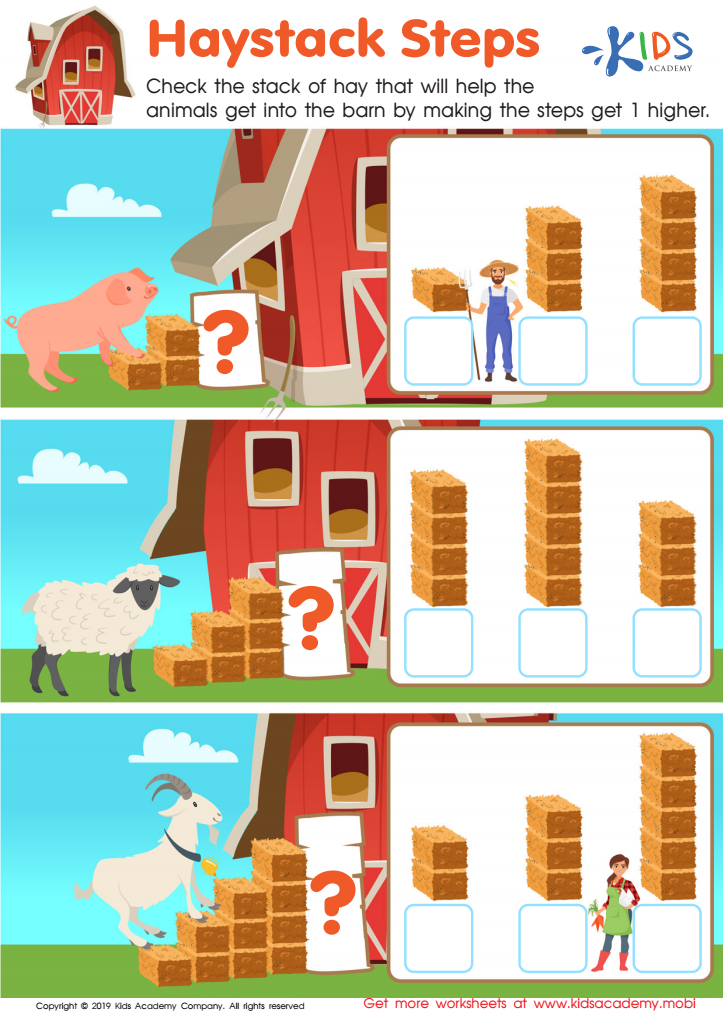
Haystack Steps Worksheet
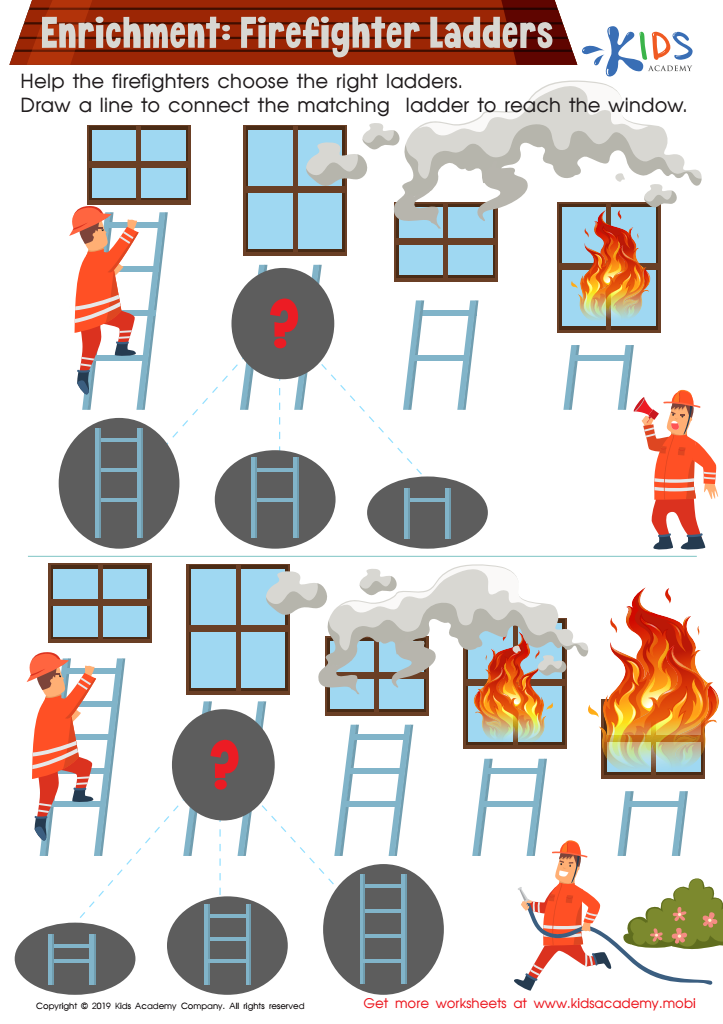
Enrichment: Firefighter Ladders Worksheet








Problem-solving skills for easy numbers (0–10) are crucial for children aged 6-9 as they form the foundation for critical thinking and everyday decision-making. At this age, children are developing their cognitive abilities, and engaging them in problem-solving activities helps enhance their mathematical understanding and logical reasoning.
For parents and teachers, fostering these skills means encouraging children to work through challenges independently, which builds resilience and confidence. Activities that involve simple addition and subtraction problems within this range not only reinforce numerical fluency but also promote creativity in finding solutions.
Moreover, incorporating problem-solving exercises allows children to learn how to approach various scenarios methodically, whether in math or everyday situations. This preparation is invaluable as they progress in their education and face increasingly complex challenges.
By caring about developing these skills, parents and teachers equip children with essential tools that pave the way for academic success and life competence. Ultimately, mastery of basic problem-solving nurtures a growth mindset, teaching children that with curiosity and perseverance, they can overcome difficulties, thus setting a solid footing for future learning and social interactions.