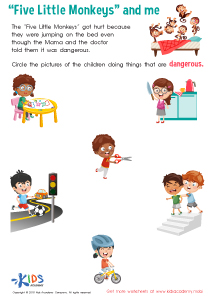
Cognitive Development Easy Building Vocabulary Worksheets for Ages 6-9
4 filtered results
-
From - To
Explore our "Cognitive Development Easy Building Vocabulary Worksheets for Ages 6-9" at Kids Academy! Designed to stimulate young minds, these engaging worksheets help children expand their vocabulary, enhance reading comprehension, and boost cognitive skills. Each worksheet is crafted to be fun and effective, making learning enjoyable. Perfect for practicing at home or in school, these resources cater to various reading levels and interests. Support your child's cognitive development and language acquisition with our expertly designed exercises, helping them succeed academically and beyond. Start your child's journey to a richer vocabulary today with Kids Academy!
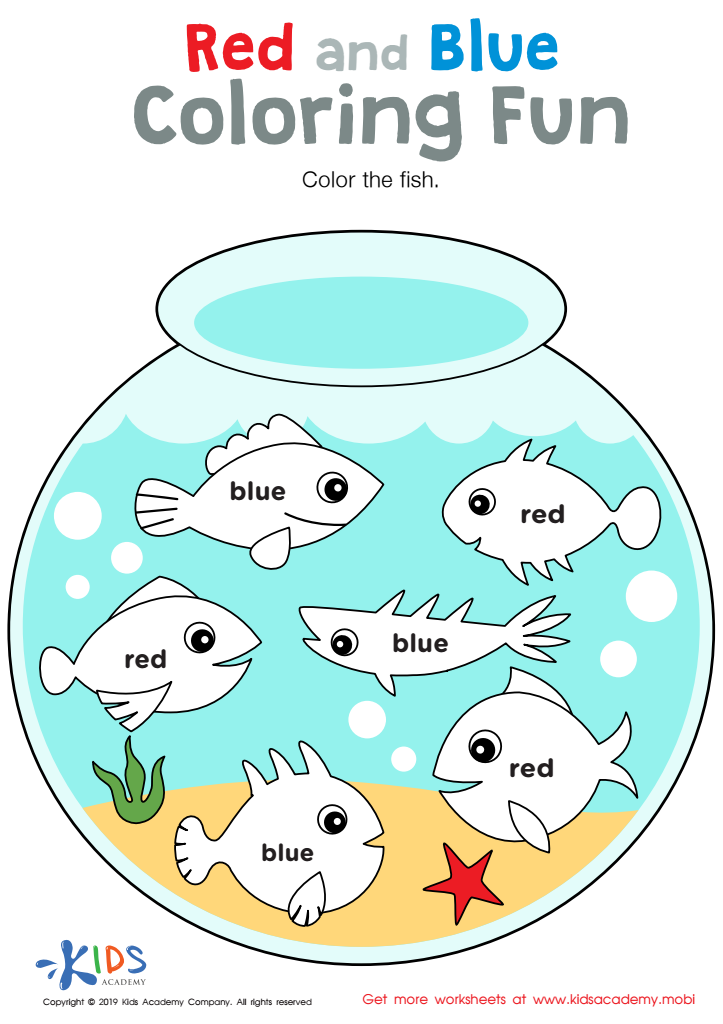
Red and Blue Coloring Fun Worksheet
 Assign to My Students











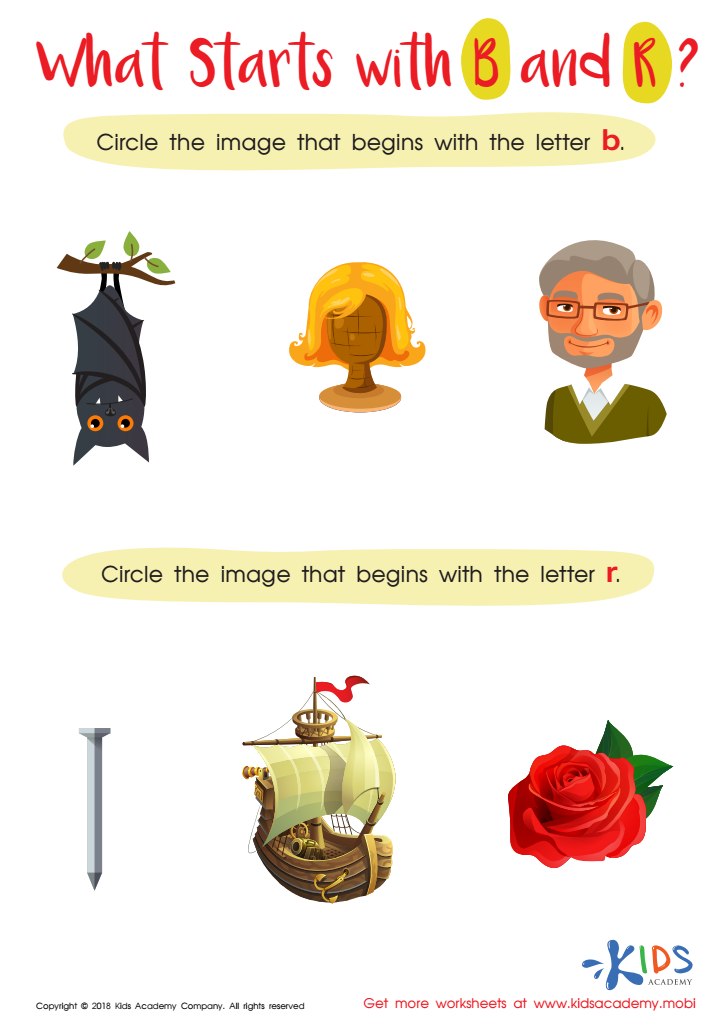
What Starts with B and R? Worksheet
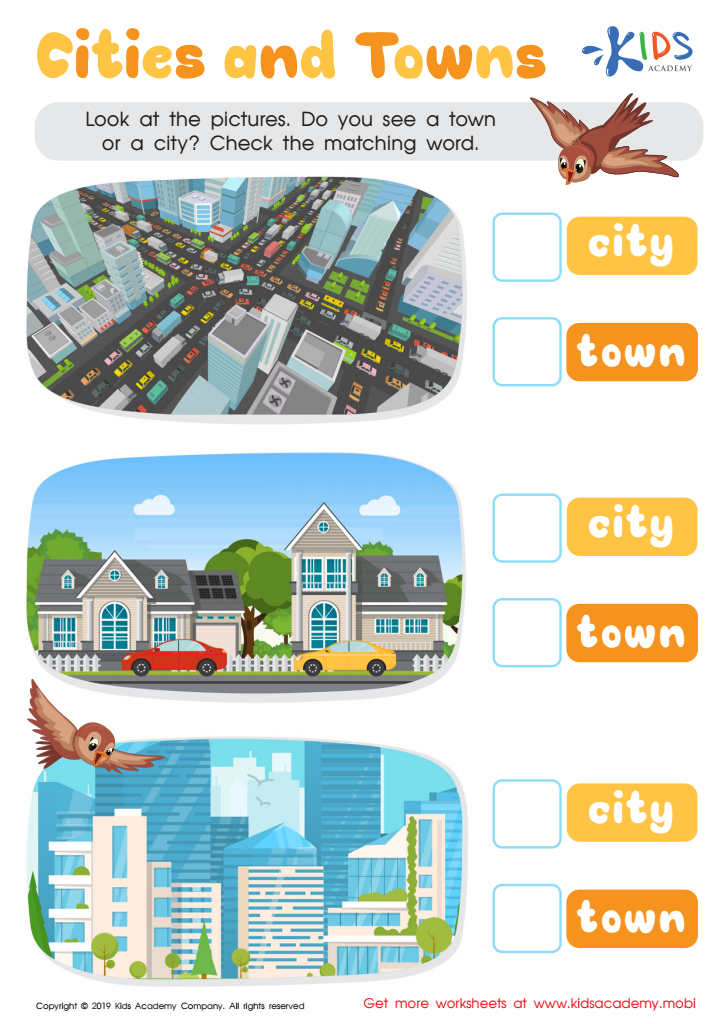
Cities and Towns Worksheet
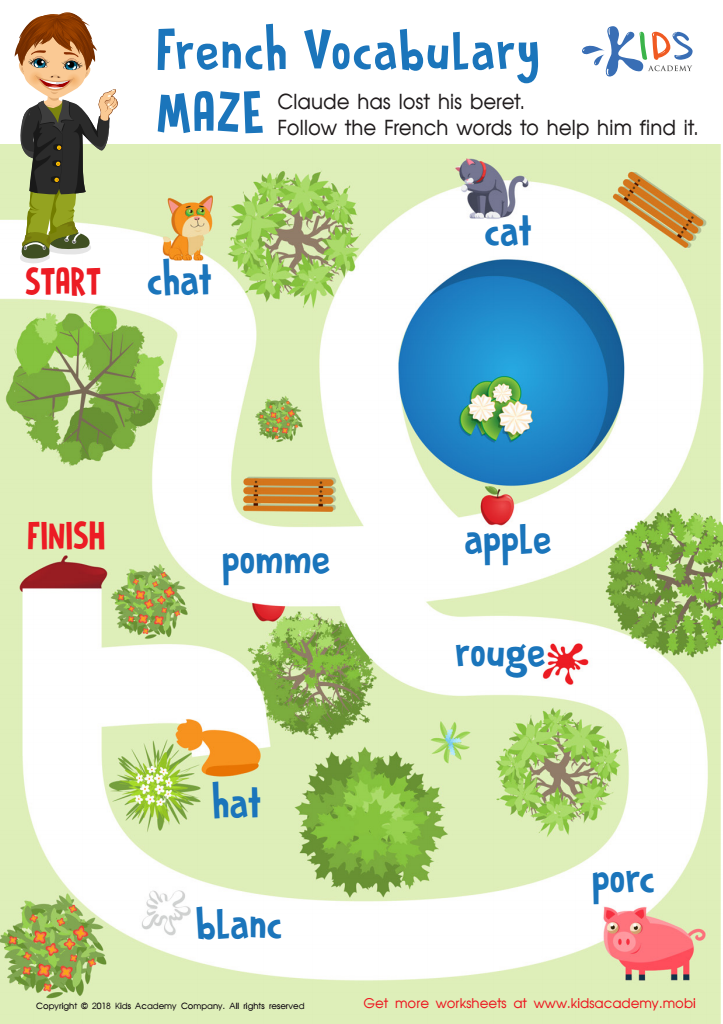
French Vocabulary Maze Worksheet







.jpg)
Cognitive development during the ages of 6-9 is crucial as it lays the foundation for lifelong learning and effective communication. At this stage, children's brains are highly receptive to new information, making it an ideal period to expand their vocabulary. A robust vocabulary enhances their reading comprehension, writing abilities, and verbal communication, all of which are essential skills for academic success and daily interactions.
Investing in vocabulary building at this age supports better cognitive skills such as memory, attention, and problem-solving. Kids with an extensive vocabulary are more comfortable expressing their thoughts and emotions, which helps in social interactions and self-esteem. Furthermore, a strong vocabulary is linked to improved critical thinking skills. Children who understand and use a wide range of words are better equipped to grasp complex concepts and follow multi-step instructions, aiding their overall intellectual growth.
For teachers, focusing on vocabulary helps in differentiating instruction as children with a strong vocabulary can tackle advanced texts confidently. For parents, engaging in vocabulary-building activities, such as reading together, playing word games, and having rich conversations, nurtures an environment ripe for curiosity and learning. Prioritizing vocabulary development in these formative years is essential in setting the stage for a lifetime of academic success and effective communication.