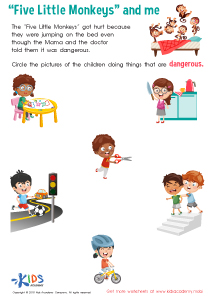
Following instructions Easy Building Vocabulary Worksheets for Ages 6-9
4 filtered results
-
From - To
Welcome to our “Following Instructions” Easy Building Vocabulary Worksheets for Ages 6-9! These engaging worksheets are designed to help young learners develop essential reading comprehension and vocabulary skills through fun and interactive activities. By following clear, step-by-step instructions, children enhance their ability to understand and implement directions, laying the foundation for greater academic success. Ideal for the classroom or home learning, our worksheets encourage creative thinking and reinforce language development. Explore a variety of activities tailor-made for ages 6-9, fostering independence and confidence in following instructions. Empower your child with the skills they need to thrive in their educational journey!
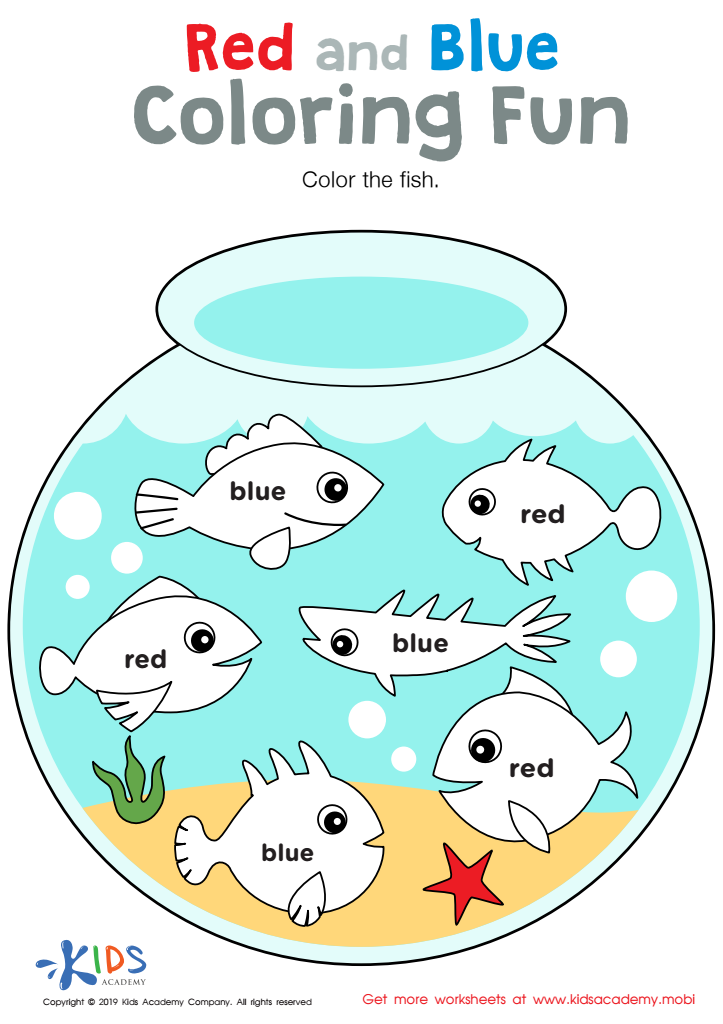
Red and Blue Coloring Fun Worksheet
 Assign to My Students











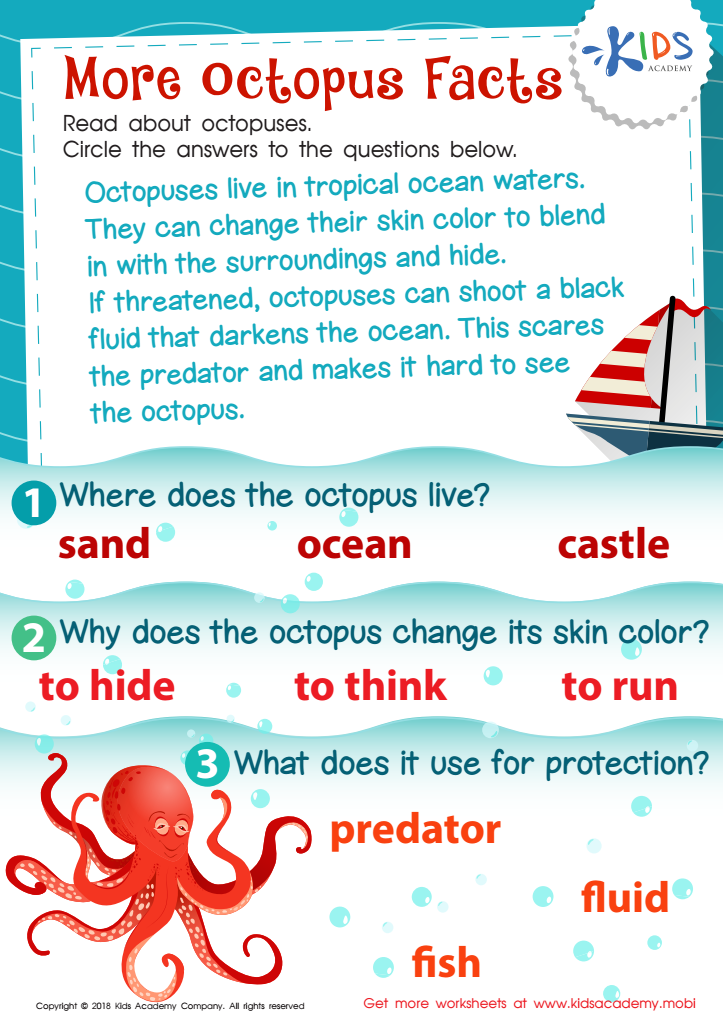
More Octopus Facts Worksheet
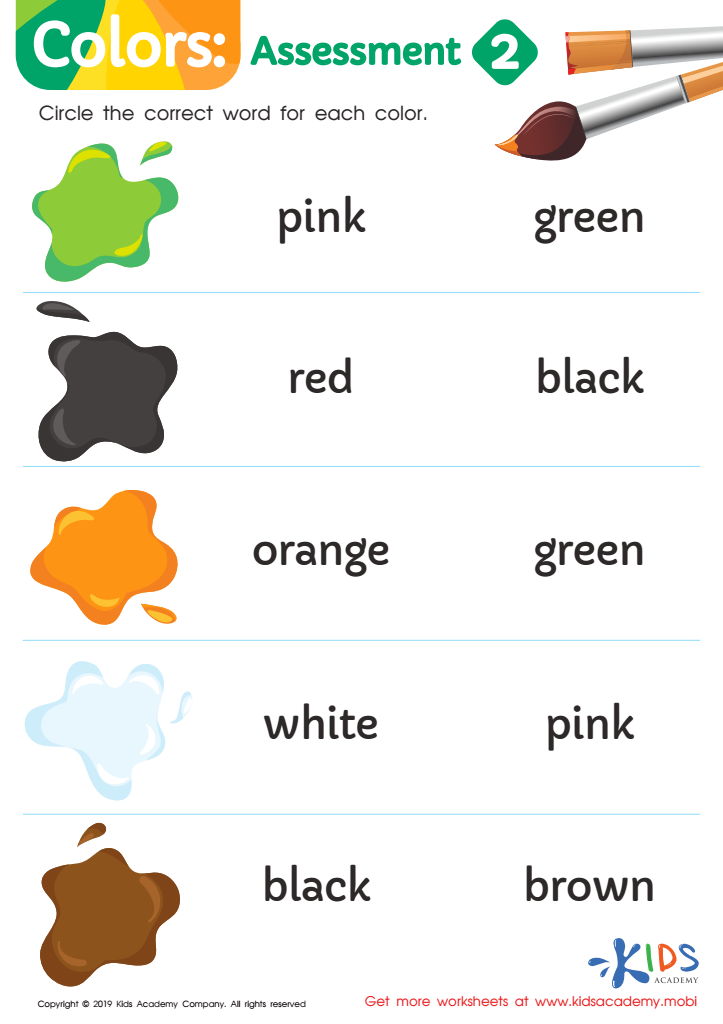
Colors: Assessment 2 Worksheet
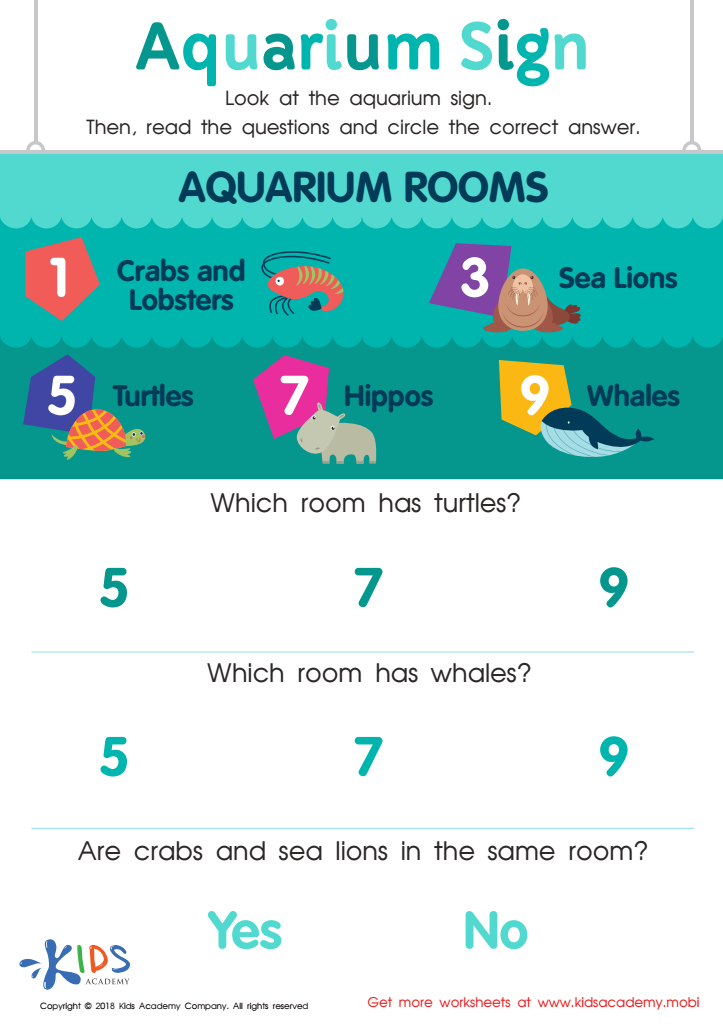
Assessment: Aquarium Sign Worksheet








Parents and teachers play a critical role in developing a child's ability to follow instructions and expand their vocabulary, especially for ages 6-9. During these formative years, children are rapidly developing cognitive and social skills. Understanding how to follow instructions is essential not only for academic success but also for cultivating self-esteem and confidence. When children can comprehend and act on directions, they become more independent, reduce frustration, and enhance their problem-solving skills.
Building vocabulary in this age group is equally important as it lays the groundwork for effective communication. A robust vocabulary allows children to express themselves clearly, understand others, and engage with various text forms—skills that are crucial in literacy development. Through storytelling, reading, and interactive activities, children learn new words and concepts, which also enhances their analytical thinking.
Encouraging a child's ability to follow instructions and grow their vocabulary benefits their overall development and lifelong learning. It fosters a love for learning and promotes academic achievement. Furthermore, it prepares them for later educational challenges, equipping them with the necessary tools to navigate social situations and interactions successfully. Thus, prioritizing these skills is vital for parents and educators alike.