Cognitive Development Easy Reading Worksheets for Ages 6-9
8 filtered results
-
From - To
Discover our engaging Cognitive Development Easy Reading Worksheets designed specifically for children ages 6-9! These worksheets promote essential cognitive skills, such as critical thinking, problem-solving, and comprehension, all while making learning fun. Tailored to enhance reading abilities, our resources feature captivating stories and interactive activities that stimulate curiosity and creativity. Perfect for classrooms or at-home learning, these worksheets encourage young learners to explore new concepts and boost their confidence in reading. With easy-to-follow instructions and colorful illustrations, your child will enjoy an enriching educational experience. Explore our collection today and support your child’s cognitive growth through engaging reading exercises!
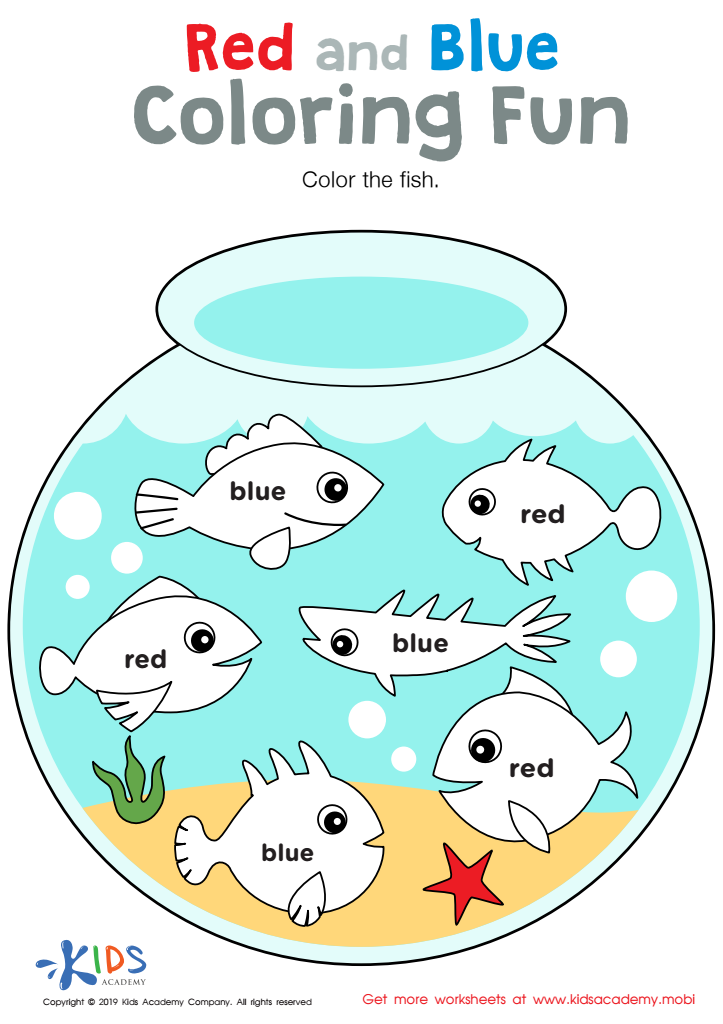
Red and Blue Coloring Fun Worksheet
 Assign to My Students
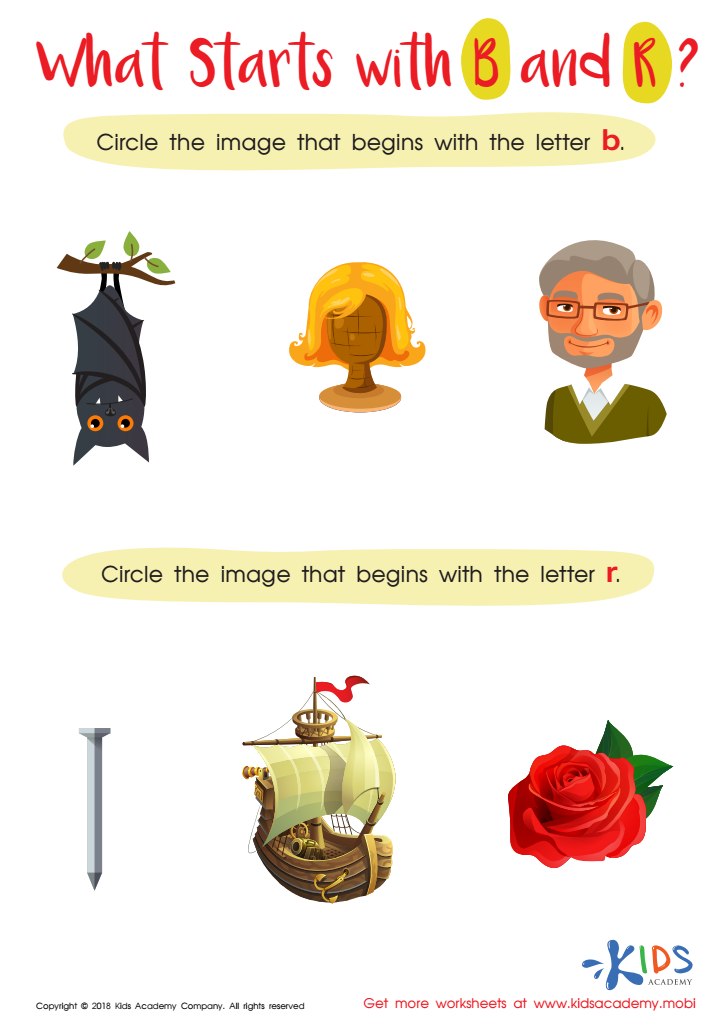
What Starts with B and R? Worksheet
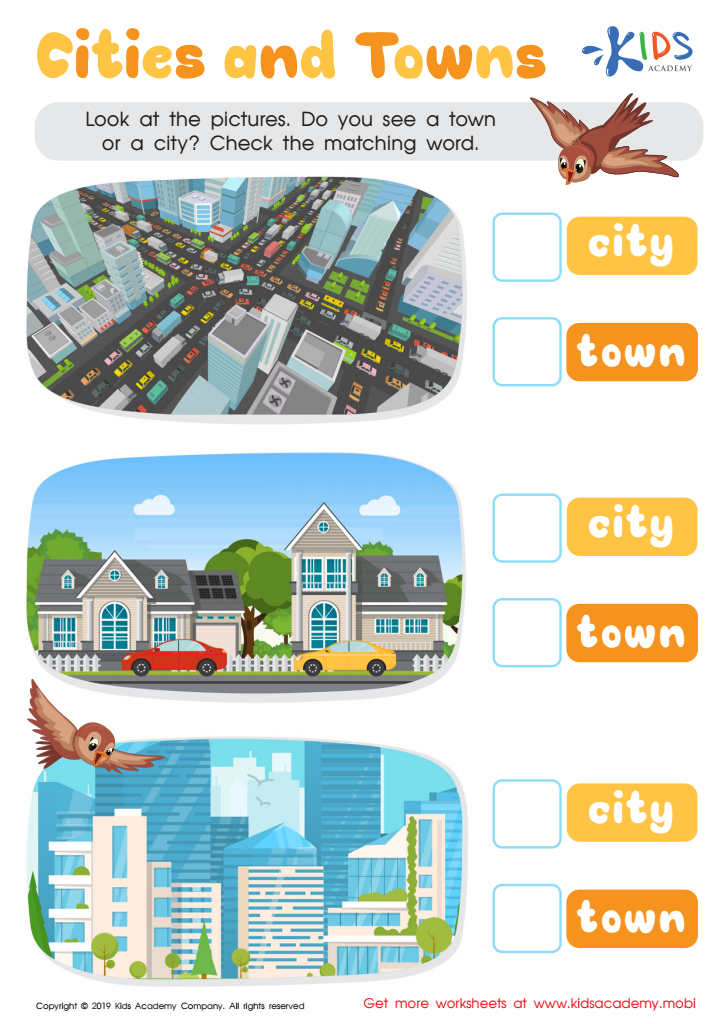
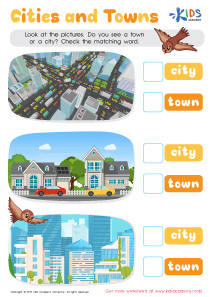
Cities and Towns Worksheet
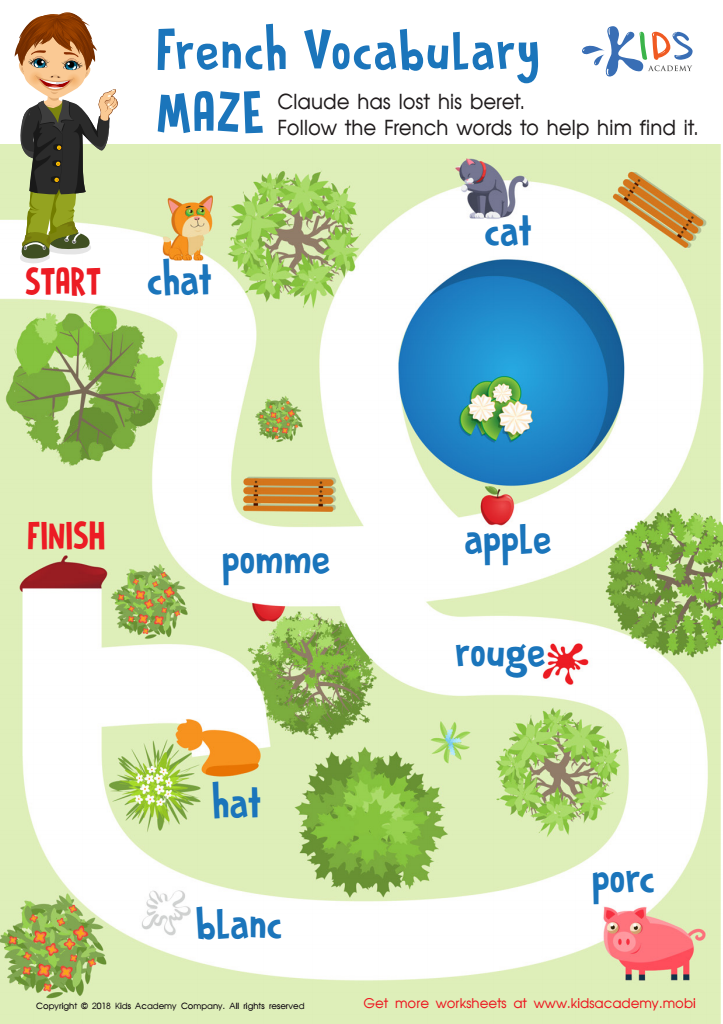
French Vocabulary Maze Worksheet
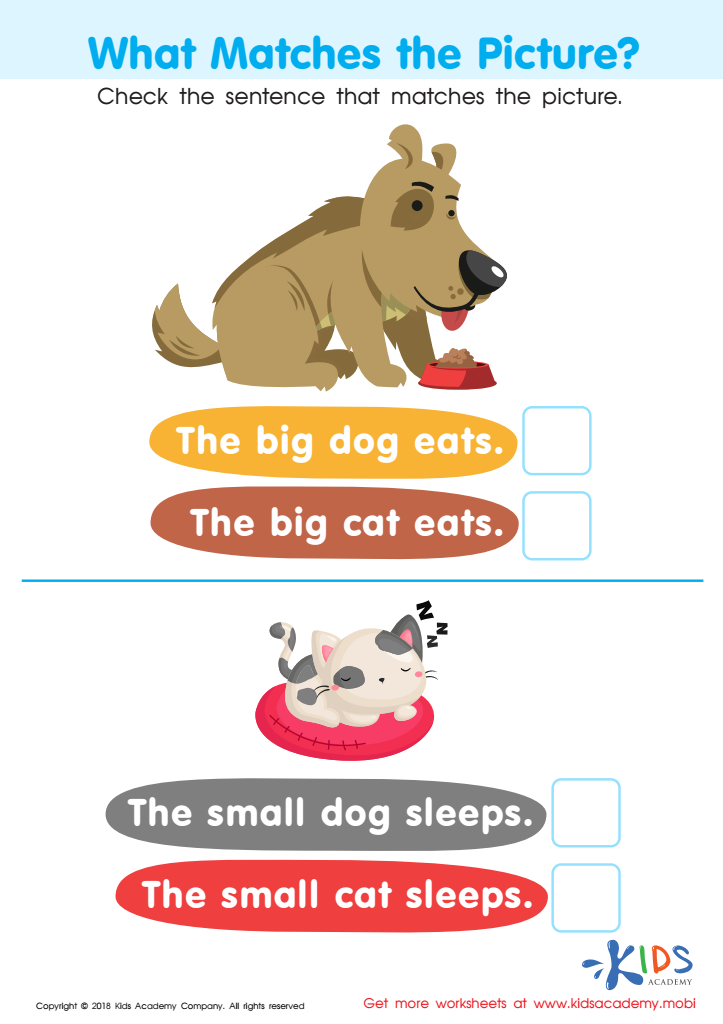
What Matches the Picture? Worksheet
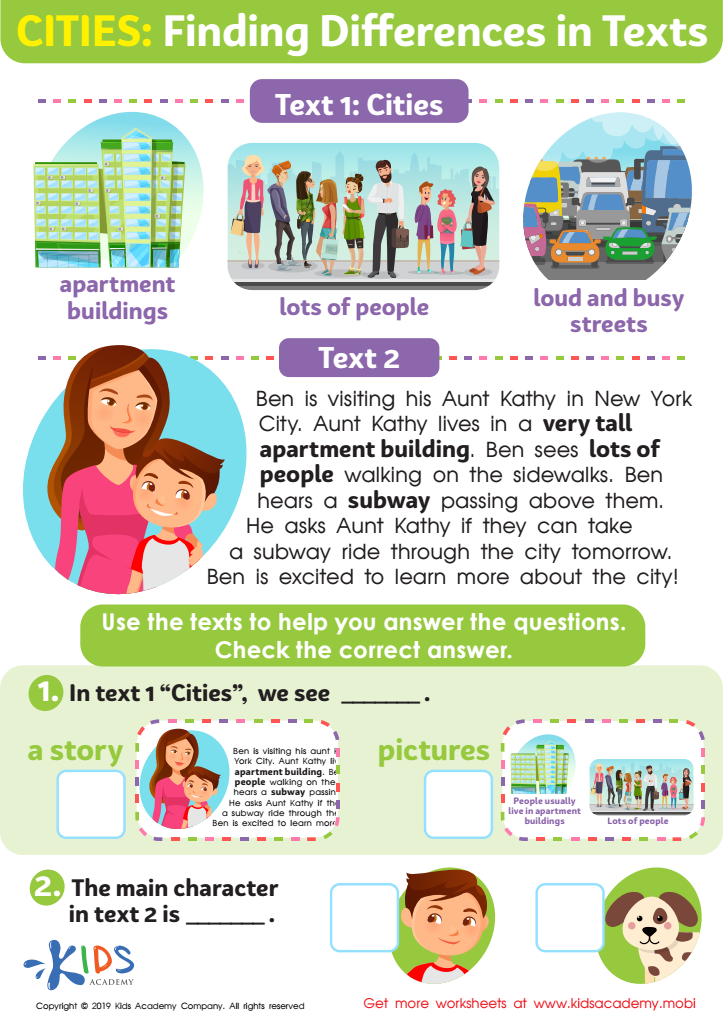
Cities: Finding Differences Worksheet
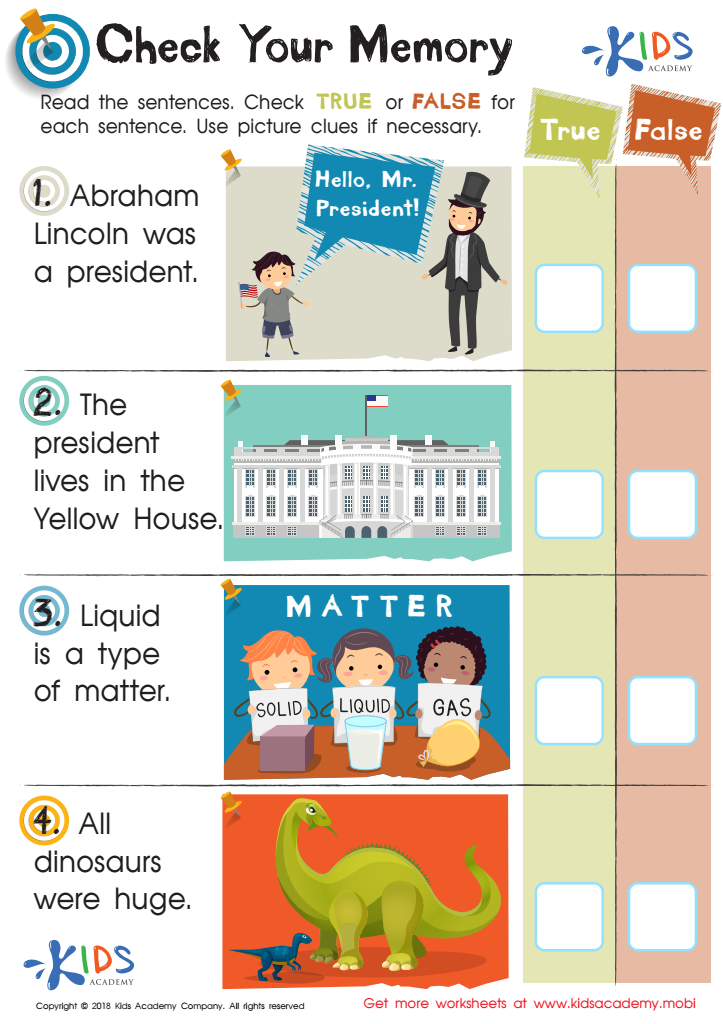
Check Memory Worksheet
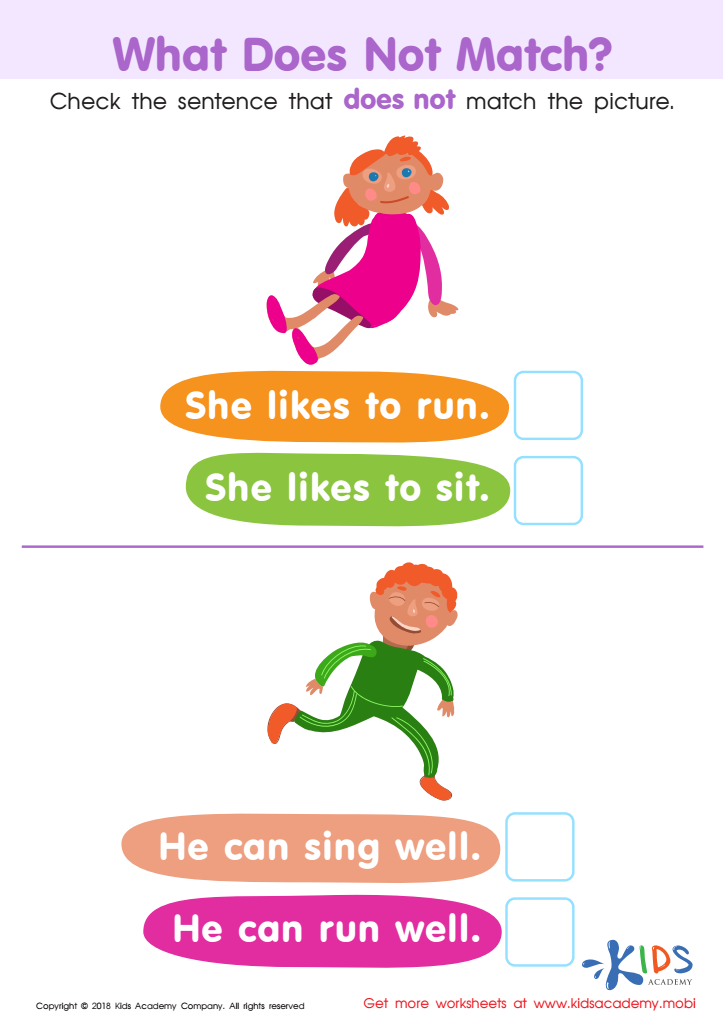
What Does Not Match? Worksheet








Cognitive development in children aged 6 to 9 is a crucial phase where they enhance their thinking, reasoning, and problem-solving skills. Parents and teachers should care deeply about fostering this growth because it lays the foundation for lifelong learning. During these years, children begin to think more logically and understand more complex concepts. Supporting their cognitive development through "easy reading" materials helps build language skills, boost vocabulary, and improve comprehension.
Easy reading also makes learning enjoyable. When children are engaged in stories that match their abilities, they gain confidence and a love for reading, which can extend to all academic areas. This enjoyment encourages self-motivation and curiosity—qualities essential for success in school.
In addition, reading helps improve concentration and attention span, vital skills for effective learning. By providing age-appropriate reading materials, teachers and parents can stimulate children’s imagination and critical thinking. Moreover, reading together encourages bonding and open communication, allowing adults to guide children through challenging topics. Therefore, by prioritizing cognitive development through accessible reading, parents and teachers can significantly influence children’s educational journey and overall development.