Vocabulary Building Easy Grammar Worksheets for Ages 6-9
3 filtered results
Difficulty Level
Grade
Age
-
From - To
Subject
Activity
Standards
Discover the joy of enhancing your child's vocabulary with our "Vocabulary Building Easy Grammar Worksheets" designed specifically for ages 6-9. These interactive, engaging worksheets foster essential language skills while making learning fun. With a variety of activities that accommodate different learning styles, your child will explore new words, practice their usage in sentences, and strengthen their understanding of grammar concepts. Perfect for home or classroom use, these worksheets are a fantastic resource for budding writers and eager learners. Watch your child's confidence grow as they build a rich vocabulary and gain the tools they need for effective communication!
Favorites
With answer key
Interactive
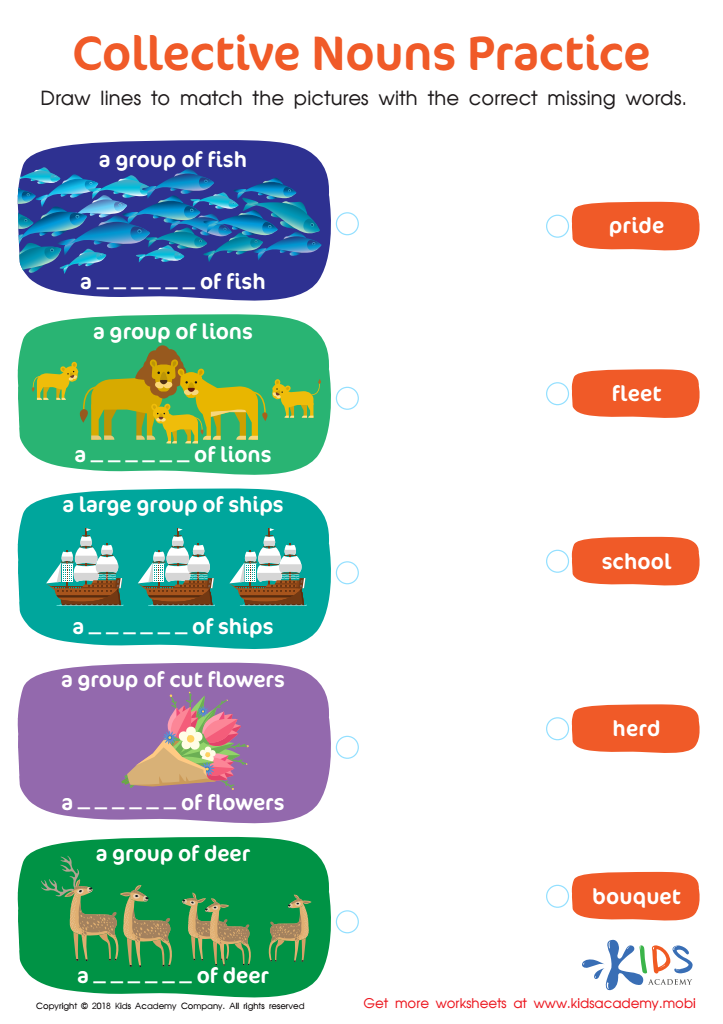
Collective Nouns Practice Worksheet
This worksheet helps your child master collective nouns. Five pictures show different groups of nouns, and your child must draw lines to the right collective noun words. It's a great way to help them sort out the words and understand collective nouns.
Collective Nouns Practice Worksheet
Worksheet
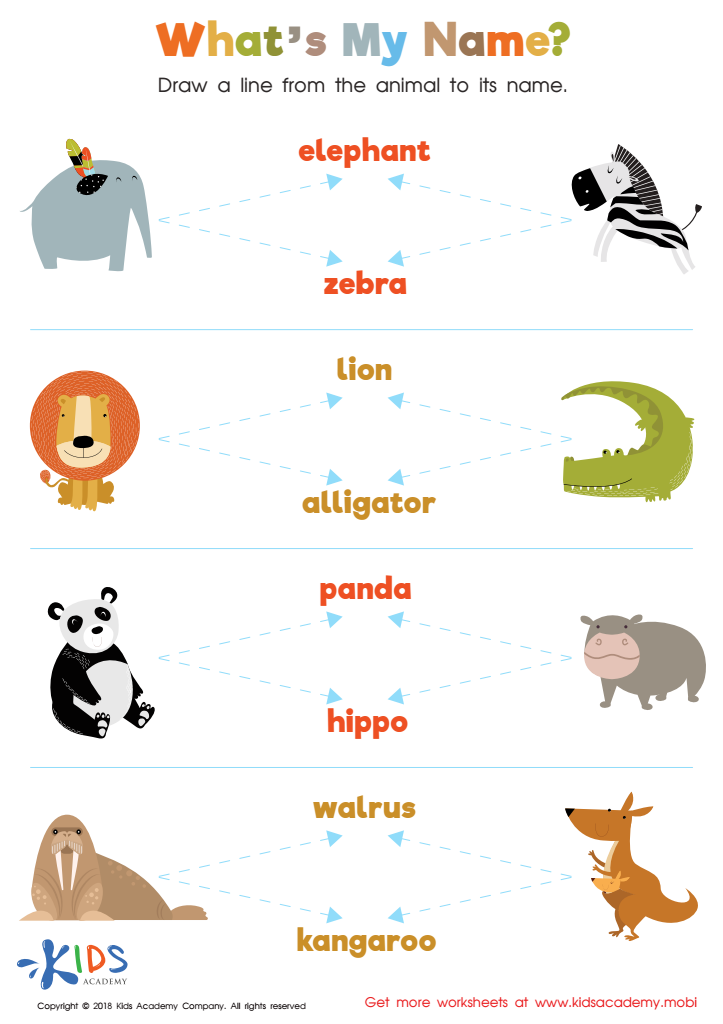
Animals and Their Names Worksheet
Match animals with their names with this worksheet! Draw a line from the word to its picture. Say the name of each animal. Later, search for these animals at the zoo - great for reinforcing learning!
Animals and Their Names Worksheet
Worksheet
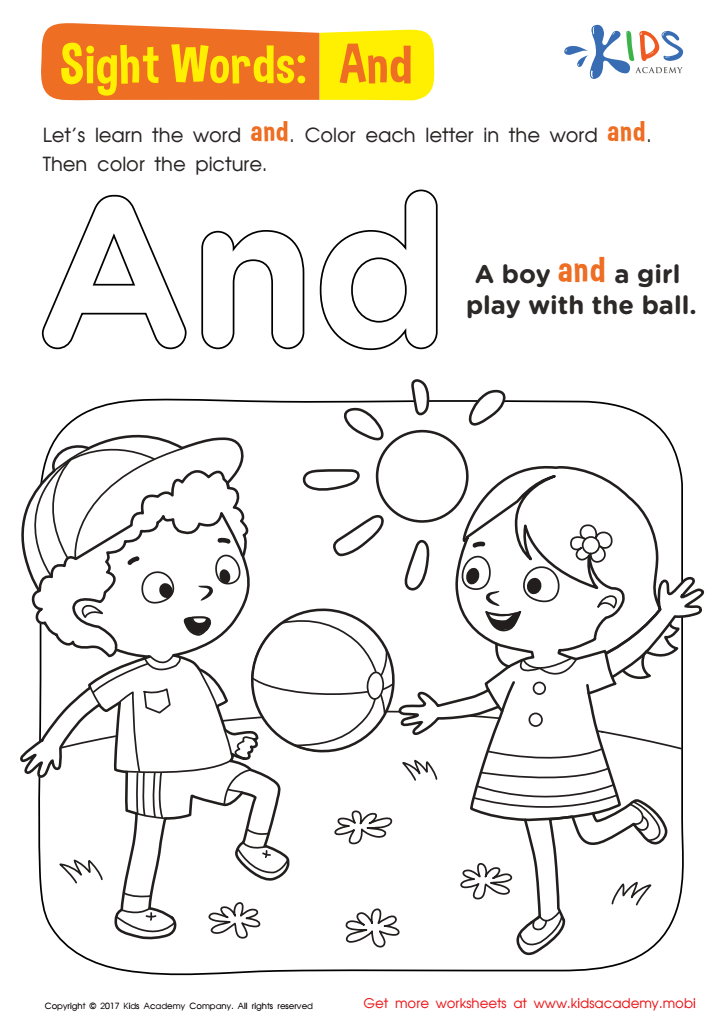
And Worksheet Sight Words Worksheet
Help your child get a jumpstart on reading with sight words! Print out this fun worksheet and get your child to read the sentence. Point out the word "and", then color the word and enjoy the rest of the scene! It's a great way to introduce sight words and get their early reading skills going!
Download (PDF)
 Assign to My Students
Assign to My Students
And Worksheet Sight Words Worksheet
Worksheet
Join Kids Academy for Free
Who is primarily going to use this learning content?








Vocabulary building is crucial for children aged 6-9 as it forms the foundation for effective communication and literacy skills. At this stage in their development, children are expanding their language abilities, and a rich vocabulary enhances their reading comprehension, writing skills, and overall communication. When parents and teachers prioritize vocabulary development, they empower children to express their thoughts and feelings more accurately, leading to greater confidence and engagement in learning.
Moreover, strong vocabulary skills are linked to academic success. Children with a robust vocabulary can better understand lessons, participate in discussions, and access complex texts as they progress in school. This age group is particularly receptive to learning through play, context, and repetition, making it an ideal time to integrate vocabulary-building activities into daily routines.
In addition, exposure to diverse vocabulary allows children to grasp various subjects, fostering curiosity and critical thinking. By nurturing these skills, parents and teachers not only contribute to children’s immediate linguistic abilities but also set them up for long-term academic achievements and life success. Ultimately, making vocabulary building a priority cultivates a love for language and learning that benefits children well beyond their formative years.