Fine motor development Easy Worksheets for 6-Year-Olds
3 filtered results
-
From - To
Unlock your child's potential with our "Fine Motor Development Easy Worksheets for 6-Year-Olds." Designed to enhance hand-eye coordination, these engaging worksheets offer a variety of fun activities tailored for young learners. From tracing and cutting to sorting and coloring, each exercise promotes dexterity and precision, essential for writing and everyday tasks. Our worksheets are simple to use and align with early education standards, ensuring your child’s skills flourish. Perfect for home practice or classroom activities, these resources will not only strengthen your child's grip and control but also encourage creativity and self-expression. Download and watch your child thrive today!
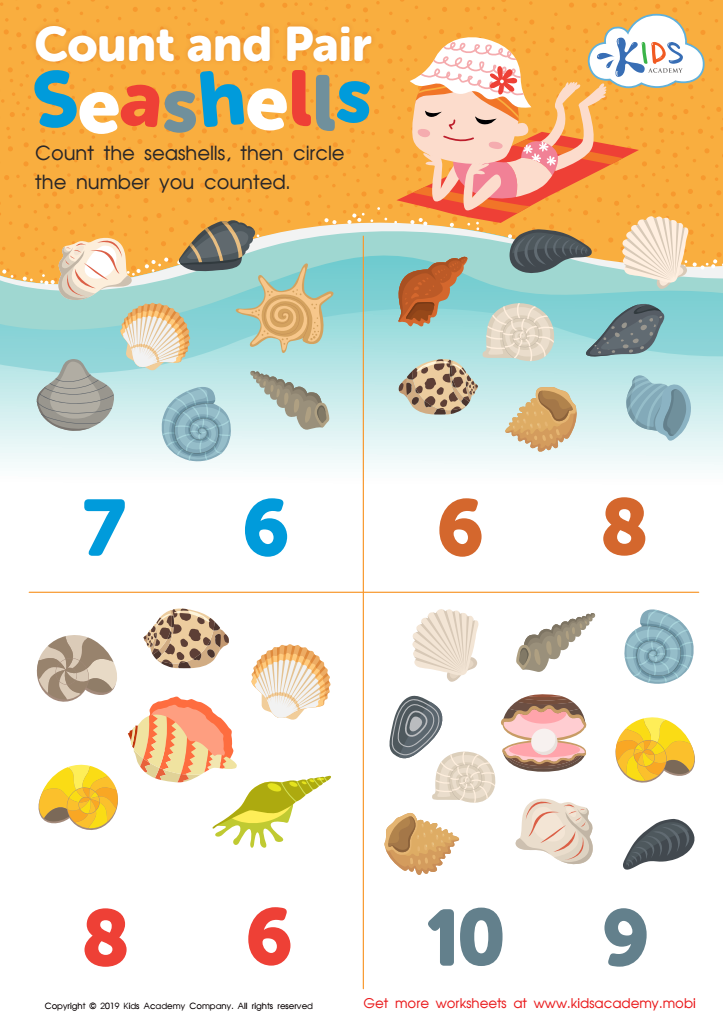
Count and Pair Seashells Worksheet
 Assign to My Students
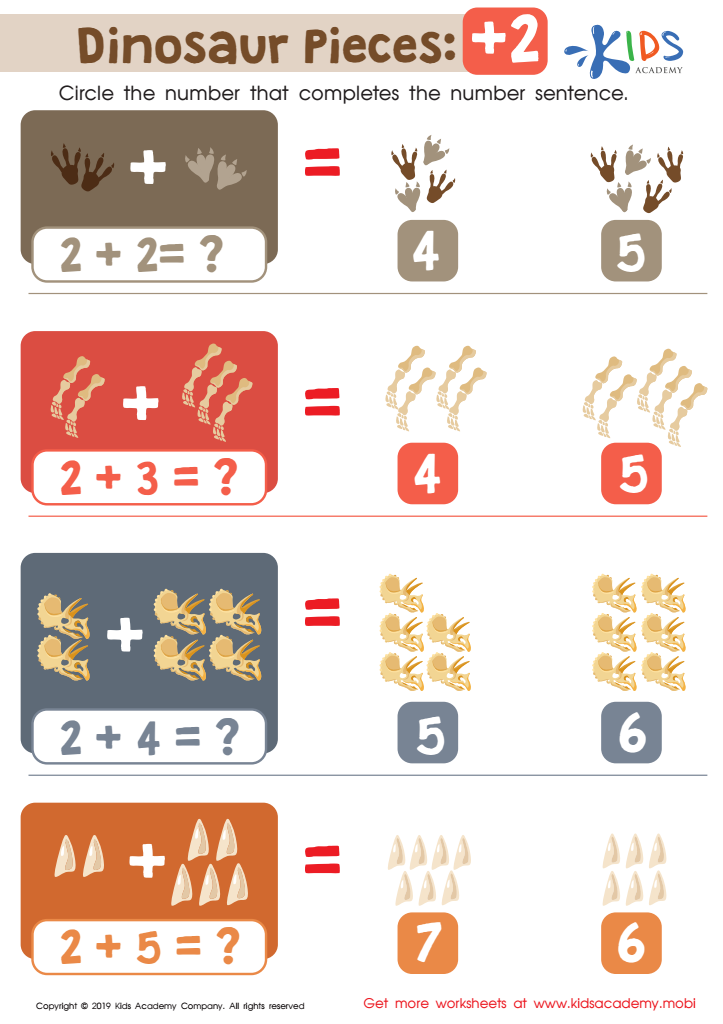
Dinosaur Pieces: +2 Worksheet


.jpg)
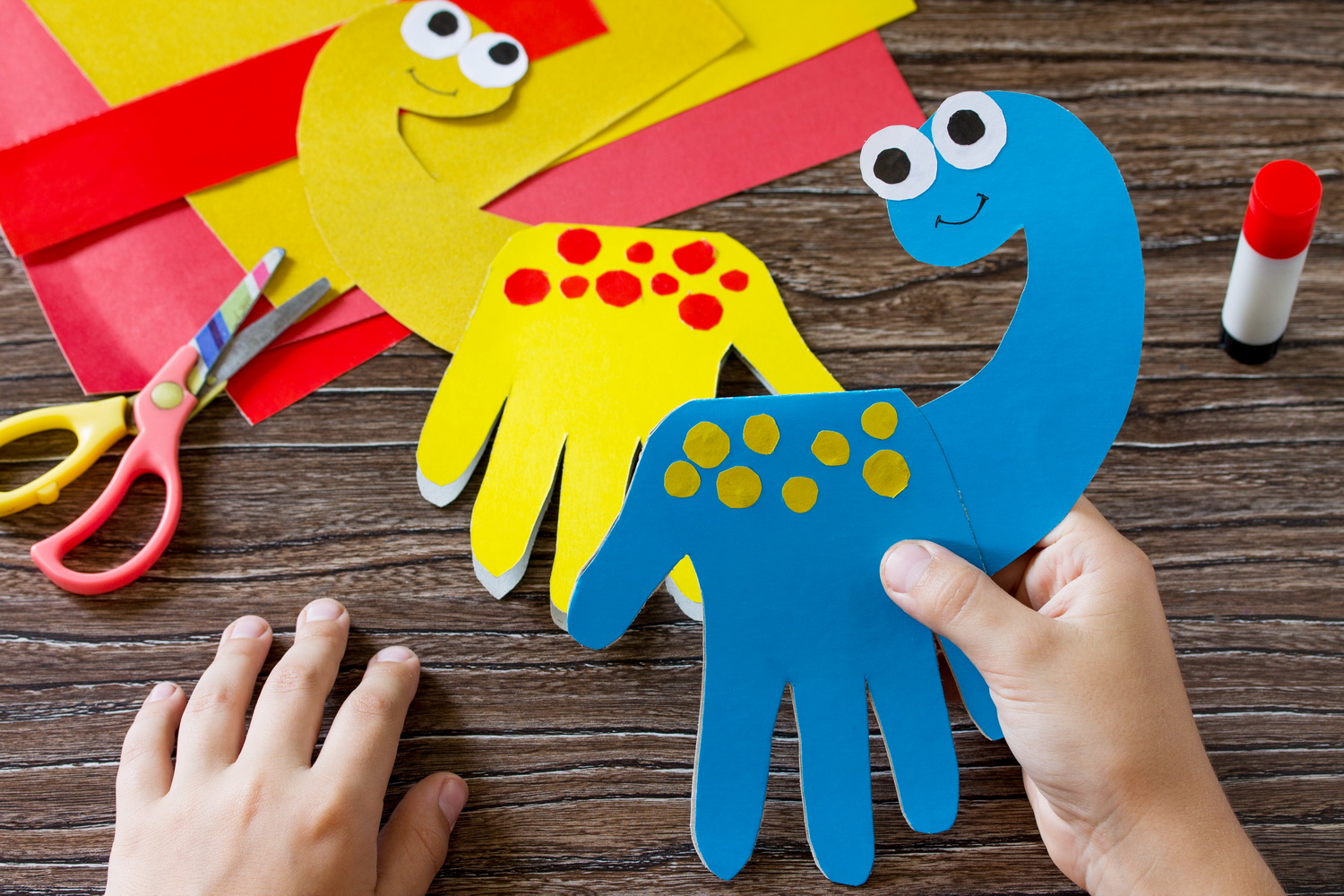



Fine motor development is crucial for 6-year-olds as it involves the small muscle movements needed for tasks like writing, drawing, and using scissors. Parents and teachers should care about this development because it plays a significant role in a child's everyday life and learning processes.
First, fine motor skills help children gain independence. When they can fasten their shoes or open lunch containers, it boosts their confidence and self-sufficiency. Additionally, these skills are essential for academic success. As kids learn to write and draw, good fine motor control contributes to better letter formation and creativity, making learning enjoyable.
Moreover, fine motor activities are linked to brain development. Tasks like threading beads or playing with clay strengthen neural connections, which supports cognitive growth. Engaging in these activities also enhances focus and patience, valuable life skills.
Finally, fine motor play encourages social interaction. Children often work together on crafts or games, which fosters teamwork and communication skills. By supporting fine motor development, parents and teachers help children build a strong foundation for future learning, develop essential life skills, and promote fun, interactive play, laying the groundwork for a successful and enjoyable school experience.








