Map reading skills Easy Worksheets for 6-Year-Olds
3 filtered results
-
From - To
Discover our fun and engaging Map Reading Skills Easy Worksheets designed specifically for 6-year-olds! These printable activities make learning to navigate and interpret maps a breeze for young explorers. Each worksheet focuses on essential map-reading skills such as identifying symbols, understanding directions, and recognizing landmarks. With user-friendly exercises, colorful illustrations, and step-by-step guidance, children will develop confidence and enthusiasm in using maps. Perfect for both classroom and home use, these worksheets are a wonderful resource to inspire your child's geographic curiosity and critical thinking skills. Start your journey with Kids Academy today!
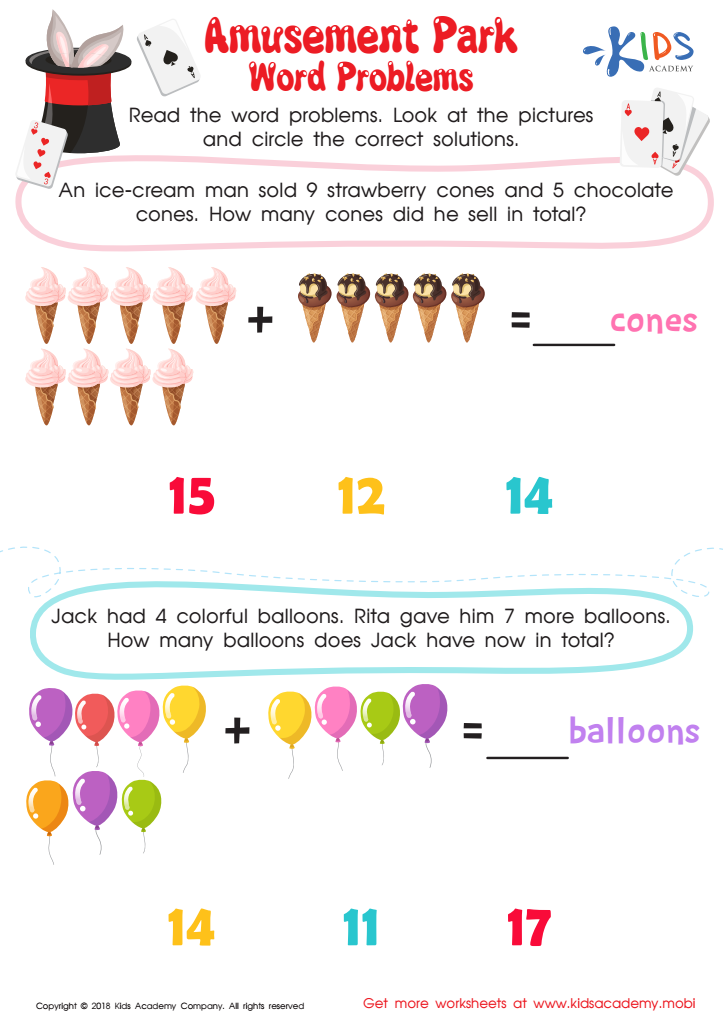
Amusement Park Word Problems Worksheet
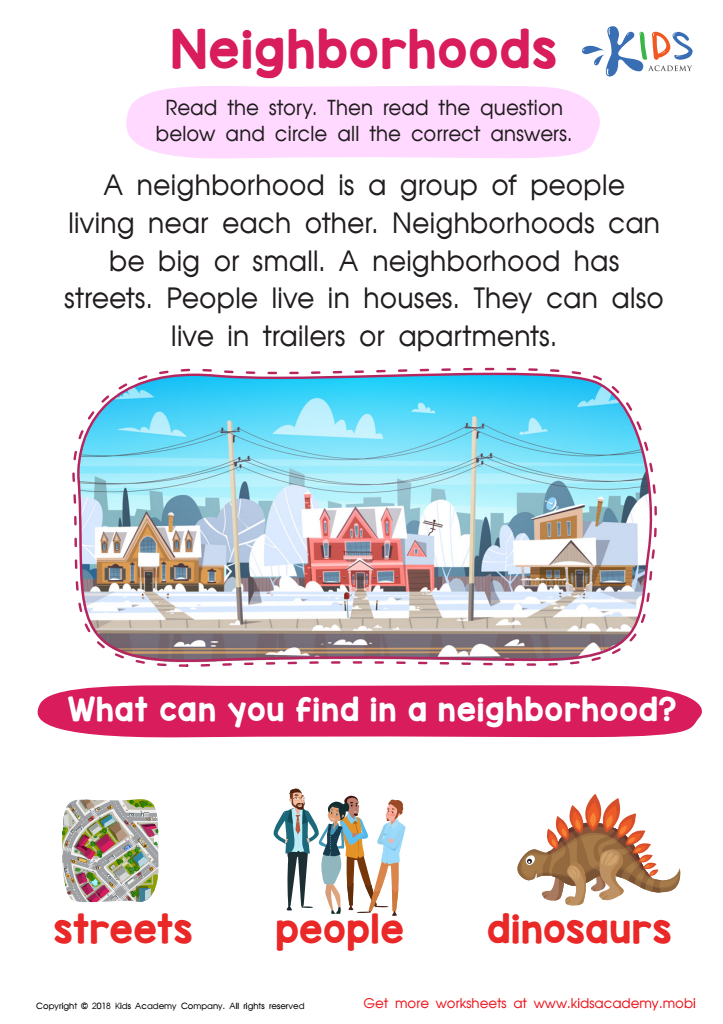
Neighborhoods Worksheet
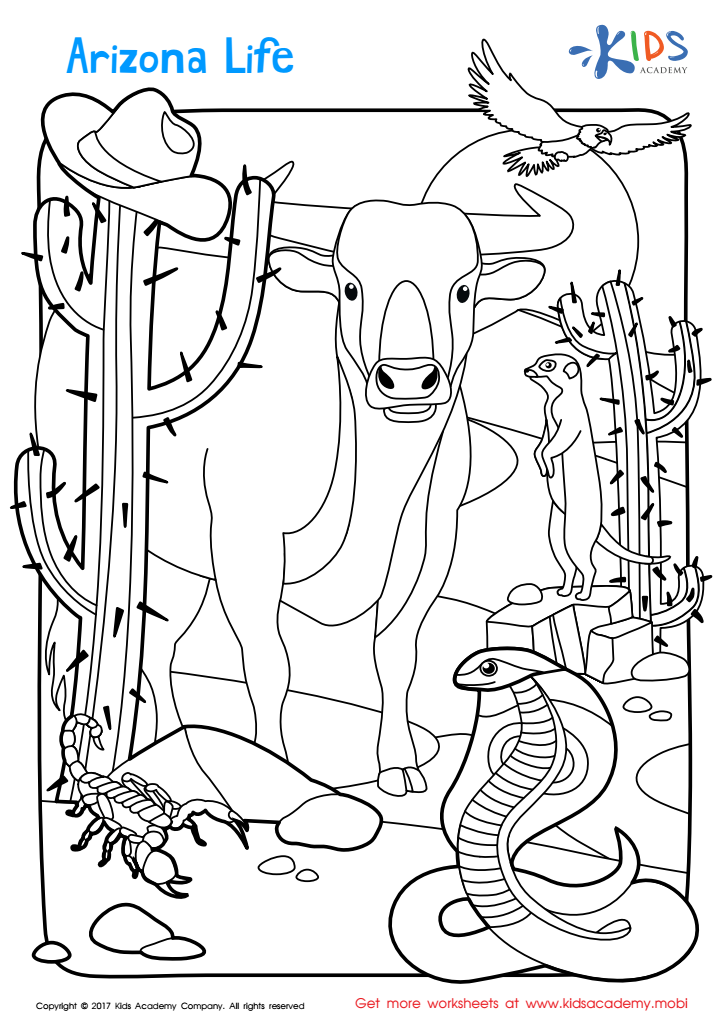
Arizona Coloring Page Worksheet
 Assign to My Students








Parents and teachers should care about instilling map reading skills in 6-year-olds because it builds essential cognitive and practical abilities that are foundational for future learning and problem-solving. Maps introduce basic geographic and spatial concepts, helping children develop an understanding of their physical world. When young kids read maps, they enhance their abilities to visualize and interpret spatial relationships, which is a key skill in subjects like math and science.
Moreover, map reading fosters critical thinking and decision-making. For instance, when children determine which route to take from one point to another, they practice logical reasoning and process iterative planning. These skills are not only academically beneficial but also encourage independence and confidence.
Additionally, through map reading, kids learn to follow directions, recognize symbols, and comprehend distance and scale. These skills translate to better navigation in the real world, whether walking around a park or finding different sections in a shopping mall.
Finally, early exposure to maps can ignite curiosity about different places and cultures, positively influencing their global awareness and empathy. Teachers and parents investing in these skills provide children with versatile tools that promote educational growth and everyday life competence.








