Sorting skills Easy Worksheets for 6-Year-Olds
5 filtered results
-
From - To
Boost your 6-year-old’s sorting abilities with our fun and engaging worksheets! Designed to foster early learning skills, these easy worksheets focus on essential sorting tasks that improve categorization and problem-solving abilities. Each worksheet features colorful visuals and simple instructions to keep young learners captivated while they practice sorting by shapes, sizes, colors, and more. Perfect for home or classroom use, these activities build a strong foundation for math and critical thinking skills. Encourage your child's curiosity and watch their confidence soar as they master these fundamental sorting concepts. Explore our collection and make learning an enjoyable adventure!
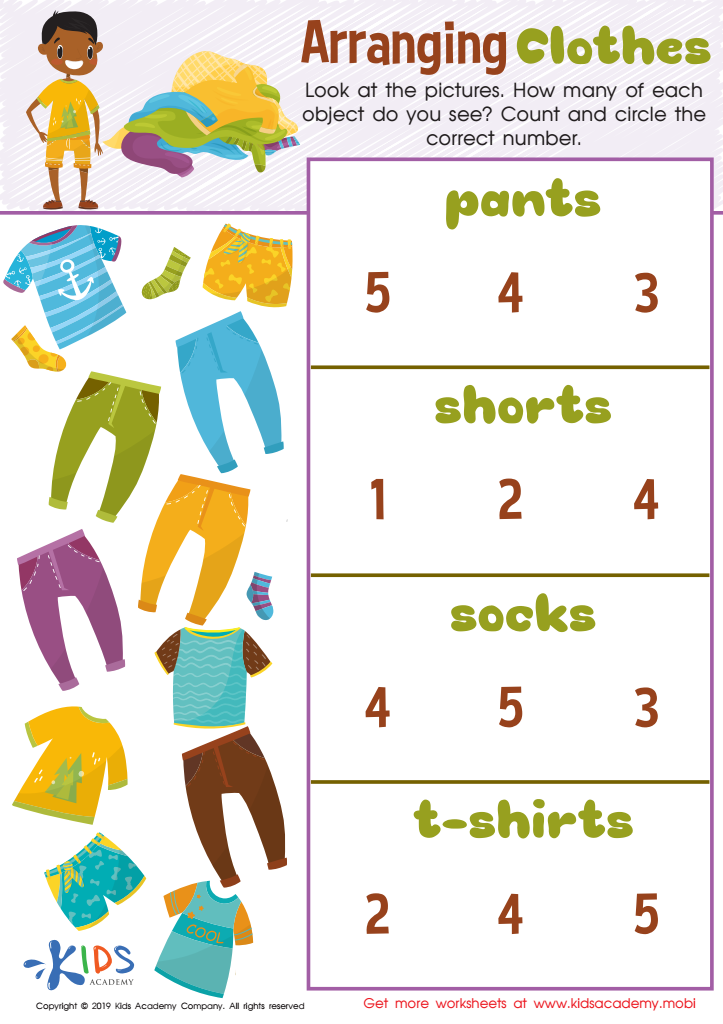
Arranging Clothes Worksheet
 Assign to My Students
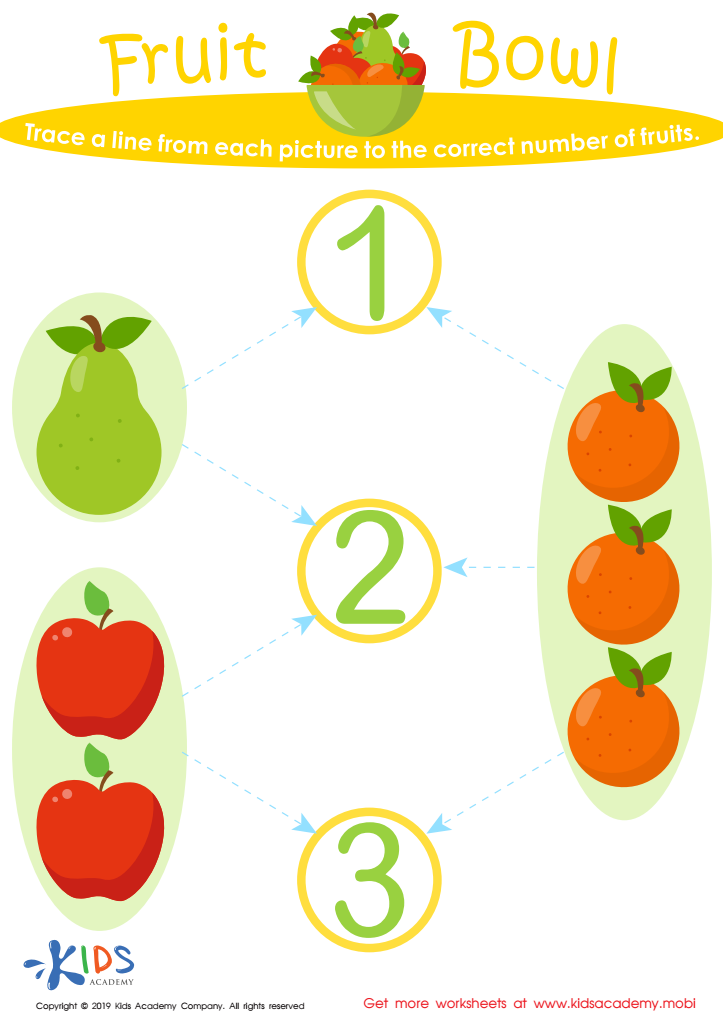
Fruit Bowl Worksheet
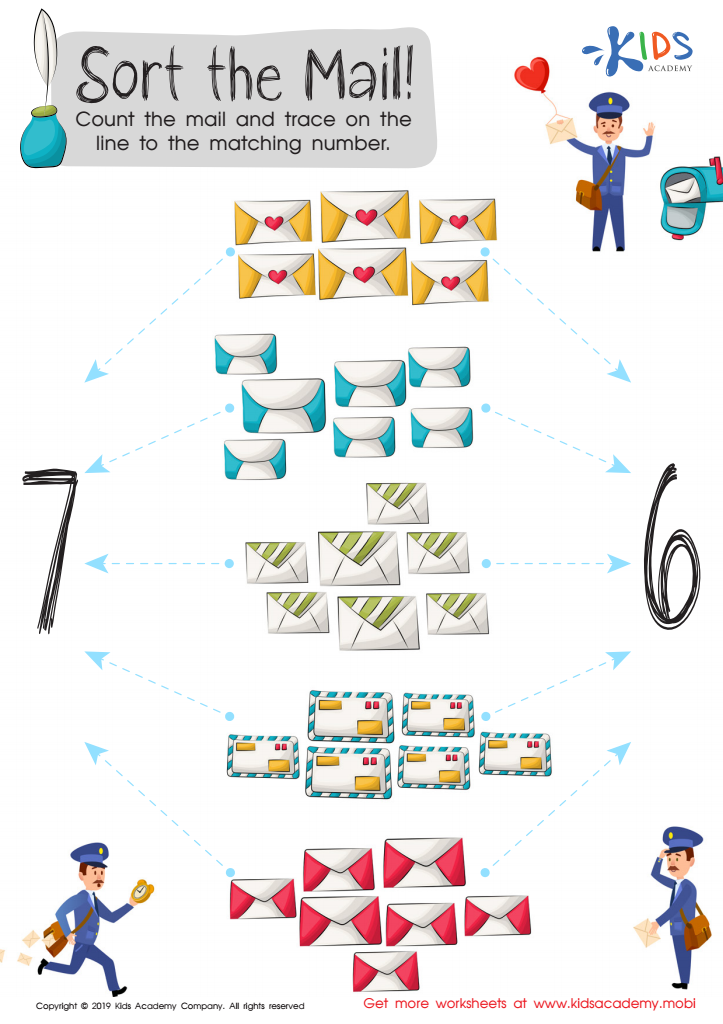
Sort the Mail Worksheet
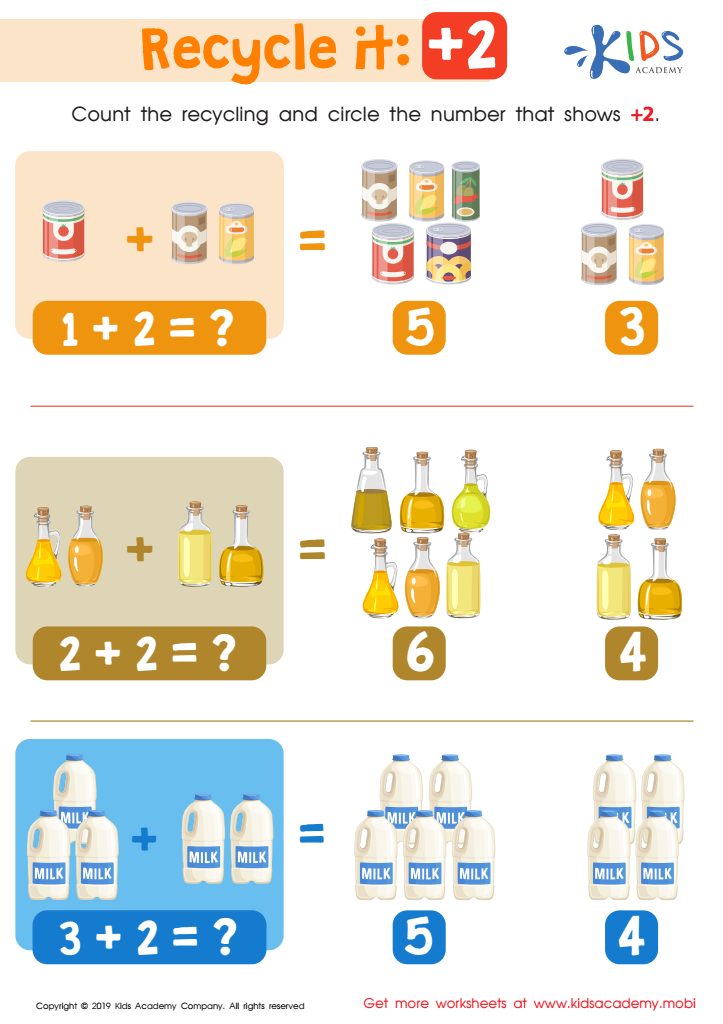
Recycle It: +2 Worksheet
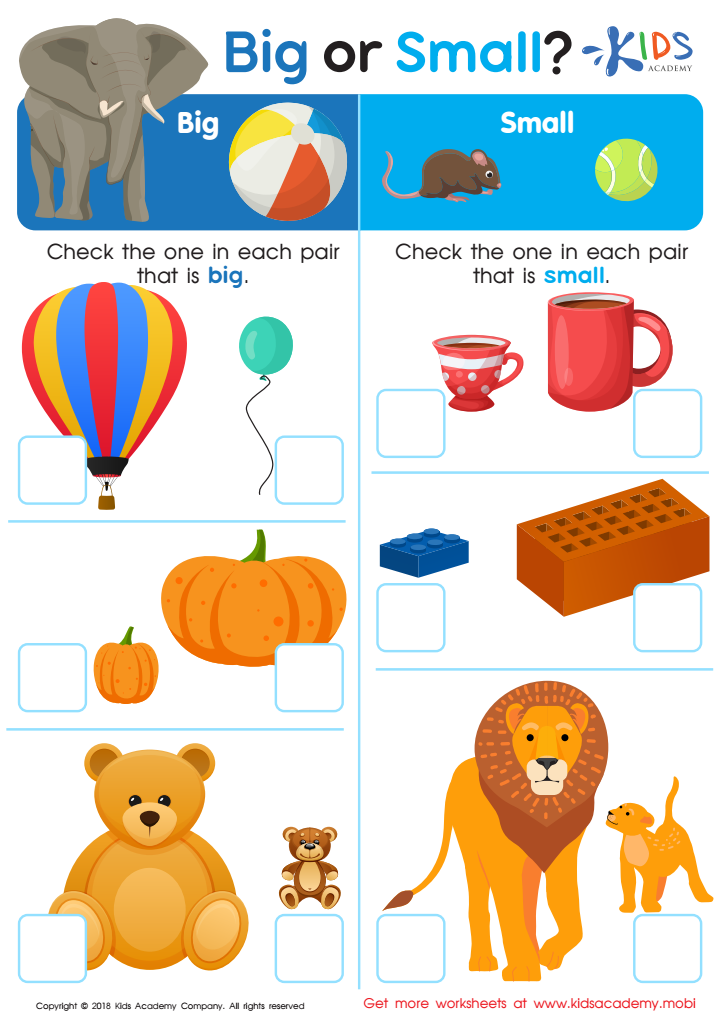
Big or Small? Worksheet







Sorting skills might seem basic, but they lay a crucial foundation for a 6-year-old's cognitive development and future academic success. When children sort objects, they learn to observe, categorize, and analyze, which are fundamental skills in critical thinking and problem-solving. Sorting exercises also help youngsters understand relationships and differences, such as size, shape, color, and texture. This understanding translates into improved mathematical skills as sorting is a precursor to organizing information logically, crucial for operations like addition and subtraction.
Additionally, sorting aids in language development. By discussing their sorting choices, children expand their vocabulary and learn descriptive language. This practice articulates their thoughts and reasoning, fostering better communication skills.
Teachers and parents who encourage sorting activities provide children with a structured environment that promotes patience, focus, and the ability to follow multi-step procedures. For example, sorting different colored blocks or grouping objects by function helps in fine-tuning motor skills and hand-eye coordination. These small but vital competencies build a child's ability to tackle more complex tasks confidently.
In essence, caring about and fostering sorting skills in young children equips them with a toolkit of cognitive, motor, and linguistic abilities that are foundational for their continued growth and academic trajectory.








