Data interpretation Easy Math Worksheets for 6-Year-Olds
3 filtered results
-
From - To
Explore our "Data Interpretation Easy Math Worksheets" designed specifically for 6-year-olds, aimed at making learning fun and engaging! These worksheets introduce young learners to basic concepts of data interpretation through colorful visuals and interactive activities. Children will enjoy sorting, reading, and interpreting simple data sets while developing foundational math skills. Each worksheet fosters critical thinking and enhances comprehension of numbers and patterns. Perfect for at-home practice or classroom use, our easy-to-follow format ensures students gain confidence in their abilities. Empower your child's math journey today with these valuable, skill-building resources that make understanding data a delightful adventure!
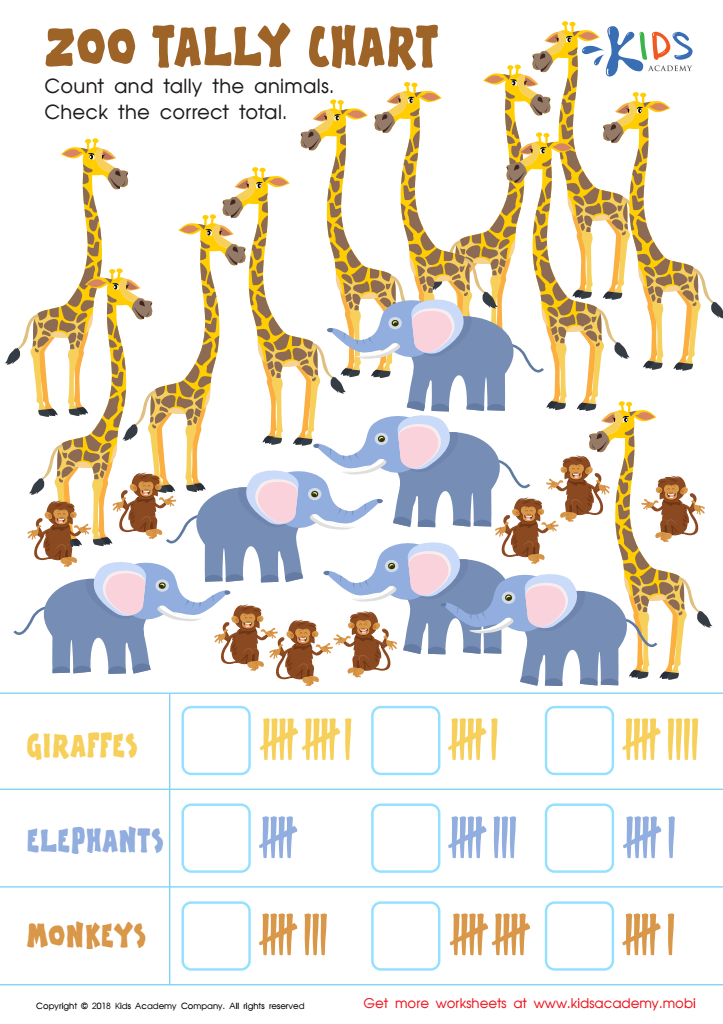
Zoo Tally Chart Worksheet
 Assign to My Students
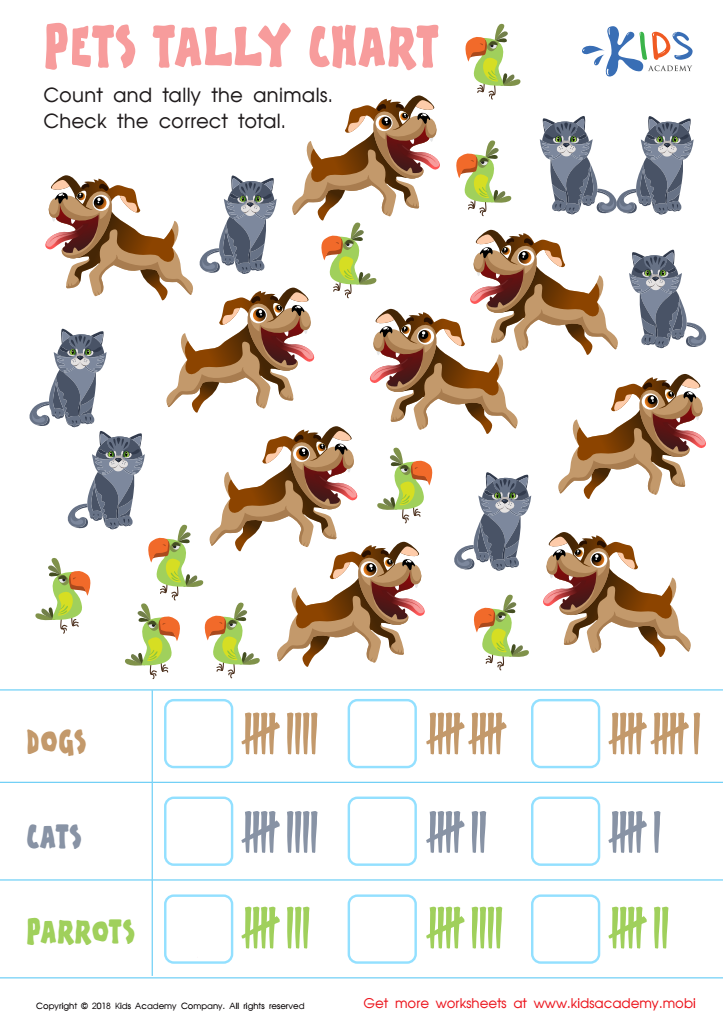
Pets Tally Chart Worksheet
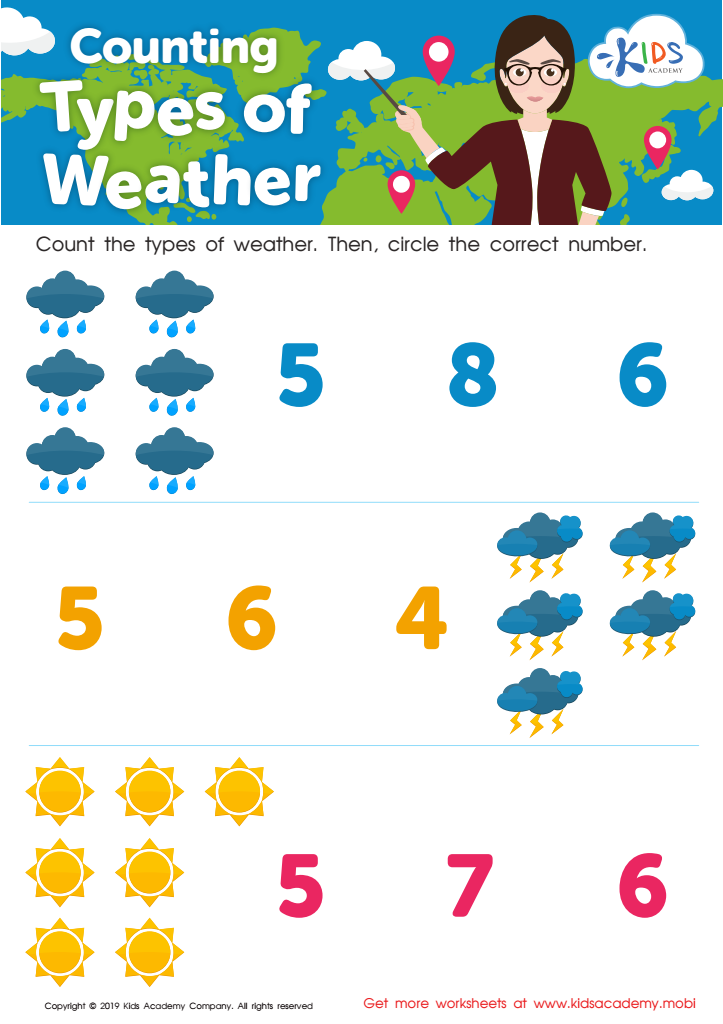
Counting Types of Weather Worksheet








Data interpretation through easy math for 6-year-olds is crucial for several reasons. Firstly, it fosters critical thinking and problem-solving skills. By engaging toddlers in simple data activities, such as graphing favorite colors or counting objects, they learn to analyze information, draw conclusions, and make informed decisions, skills that are essential for their academic journey and everyday life.
Secondly, early exposure to data interpretation creates a strong foundation for future learning in math and science. Understanding basic concepts like counting, sorting, and comparing prepares children for more complex topics. Parents and teachers can use real-world examples, like weather charts or sports statistics, to demonstrate how data is everywhere, making learning relatable and fun.
Furthermore, data interpretation nurtures a sense of curiosity and inquiry. When children explore their environment and express their observations through numbers and graphs, they become active learners rather than passive recipients of information. This enthusiasm for learning can enhance overall academic performance and inspire a lifelong love for the subjects.
In sum, early engagement in data interpretation not only promotes essential skills but also enriches the child’s educational experience, equipping them for future success. Parents and teachers should prioritize these opportunities to help shape well-rounded learners.








