Shape Recognition Easy Math Worksheets for 6-Year-Olds
13 filtered results
-
From - To
Welcome to our Shape Recognition Easy Math Worksheets for 6-Year-Olds! Perfect for young learners, these engaging worksheets help children identify different shapes while promoting essential math skills. Each activity is designed to boost shape recognition, enhance critical thinking, and strengthen problem-solving abilities in a fun and interactive way. With colorful illustrations and age-appropriate tasks, kids will be excited to explore circles, squares, triangles, and more! These worksheets are ideal for classroom use or at-home learning, providing a fantastic foundation for future math success. Start your child’s shape discovery journey today and watch their confidence in math grow!
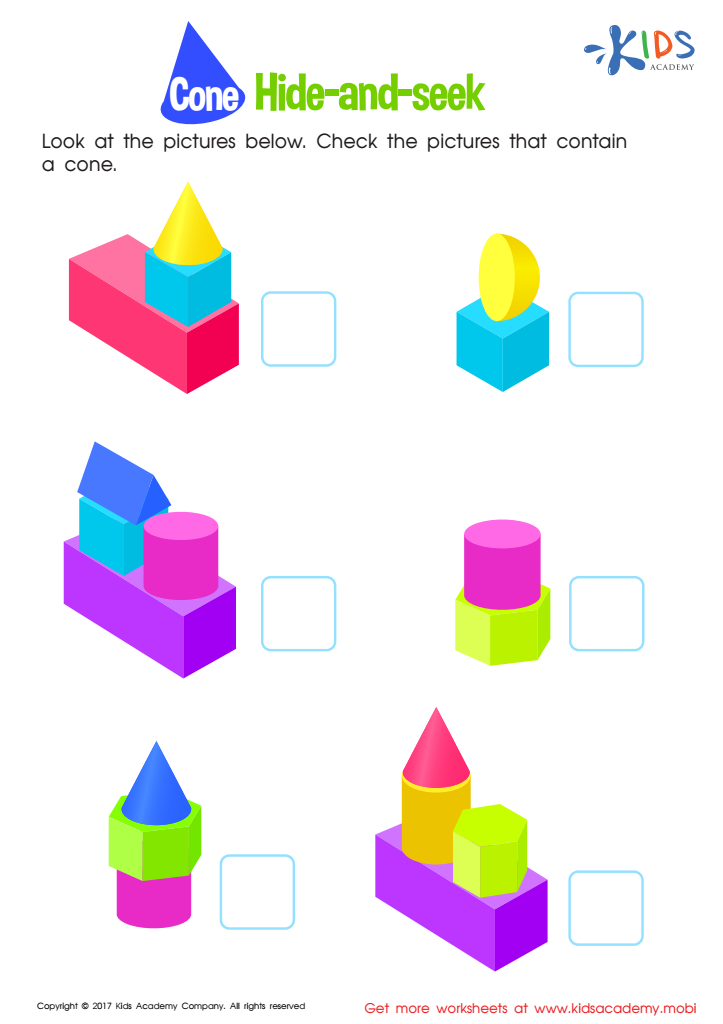
Cone Hide-and-Seek Worksheet
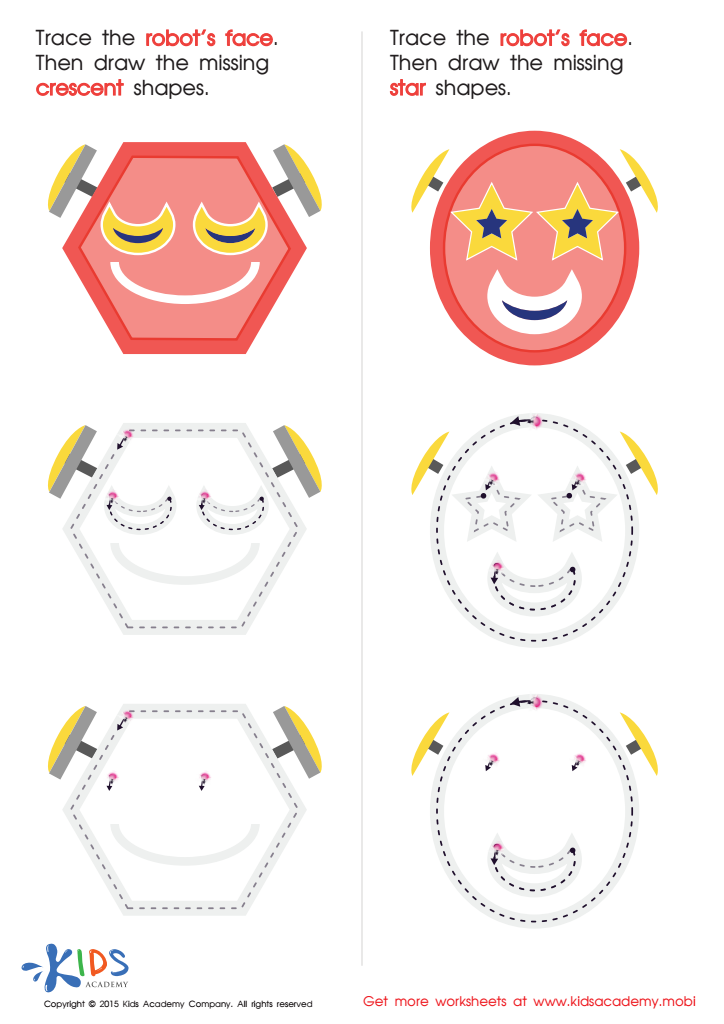
Composing a Robot's Face of Crescents And Stars Worksheet
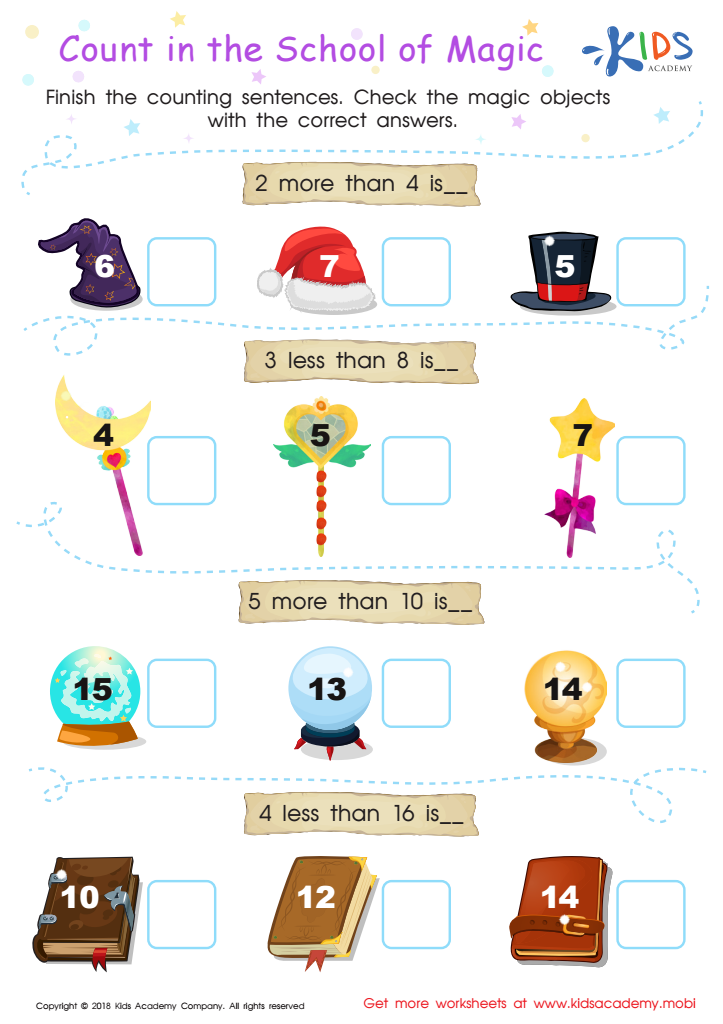
Count in the School of Magic Worksheet
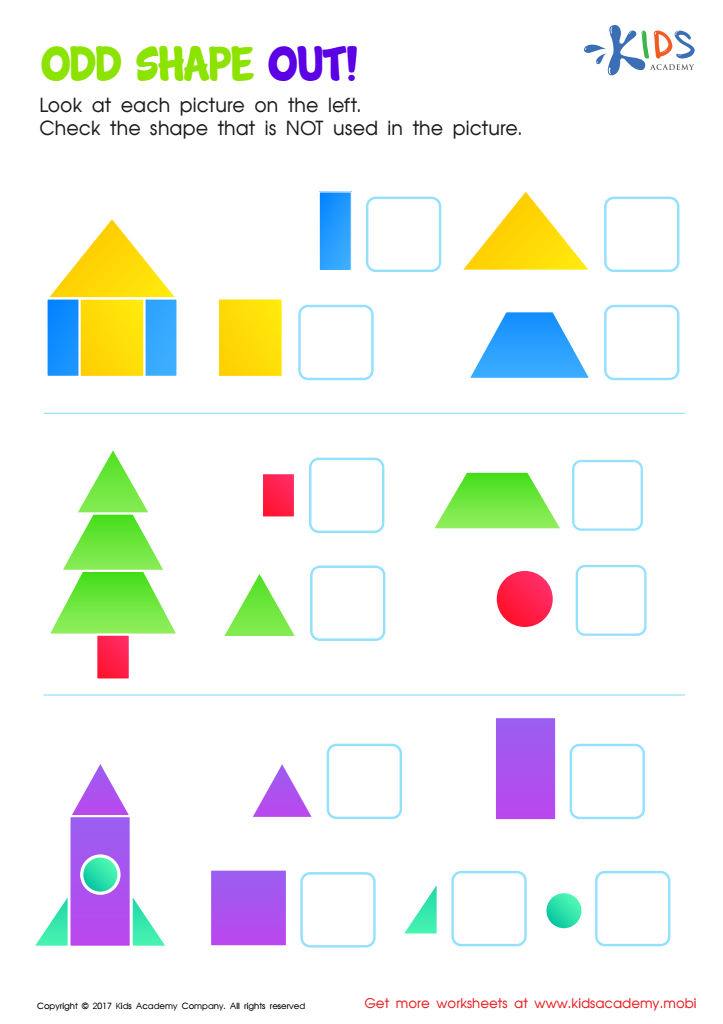
Odd Shape Out Worksheet for Grade 1
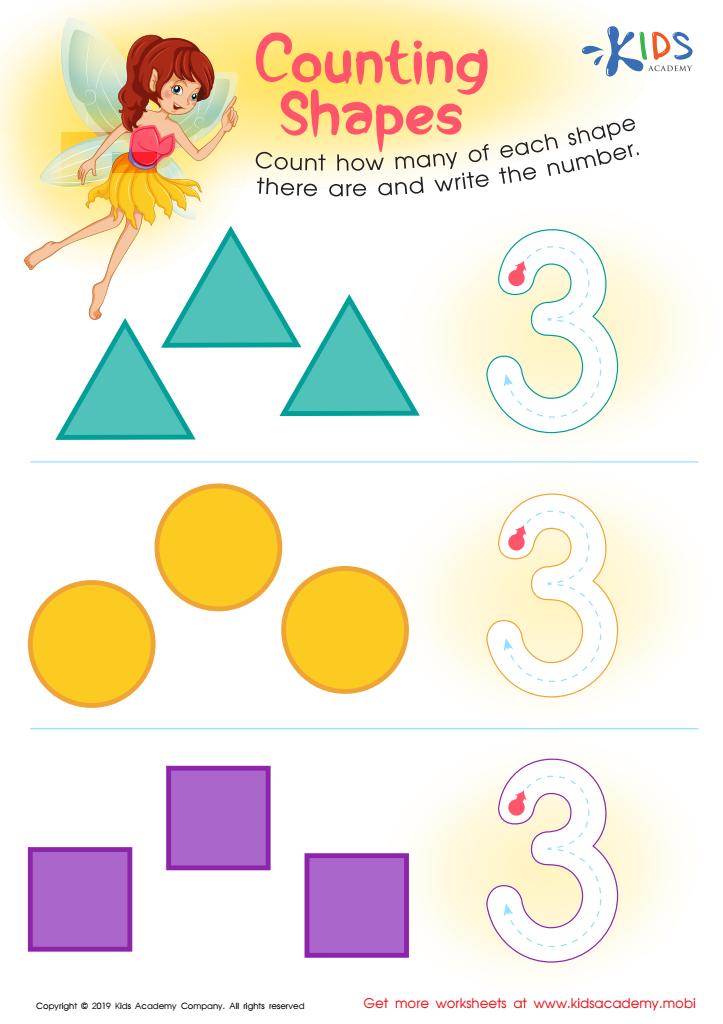
Counting Shapes Worksheet
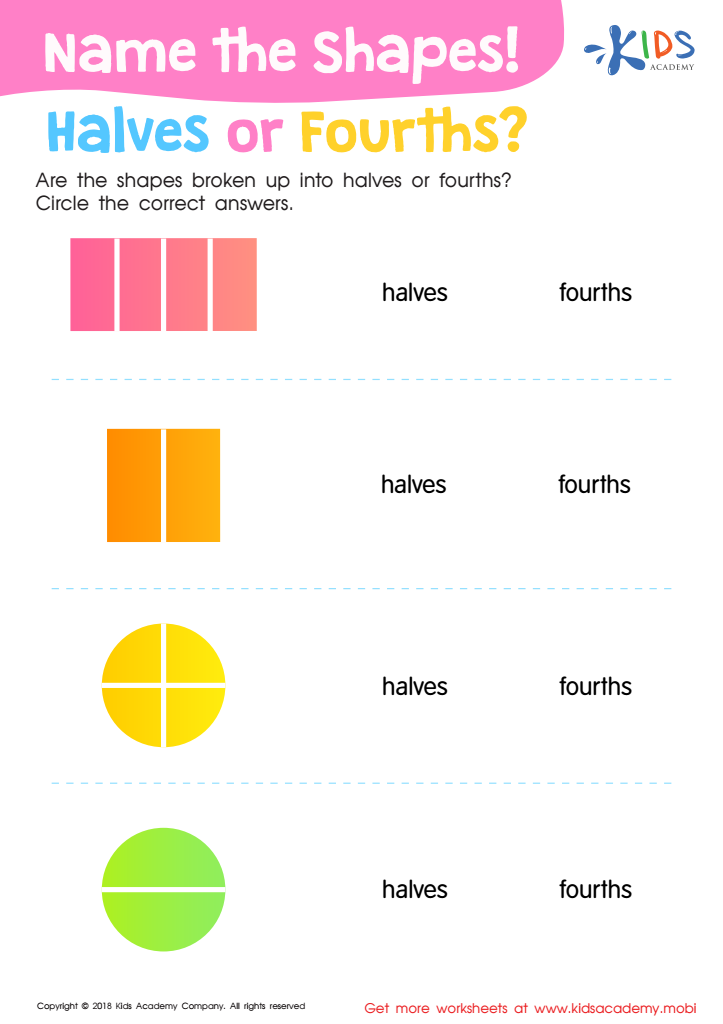
Name the Shapes Halves or Fourths? Worksheet
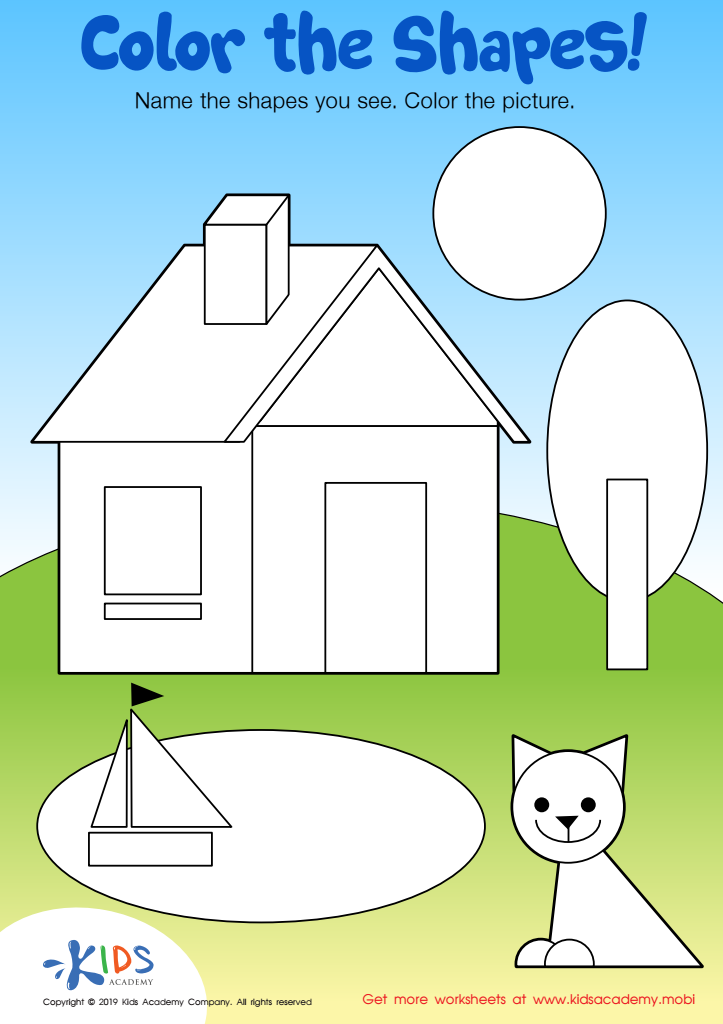
Color the Shapes Worksheet
 Assign to My Students
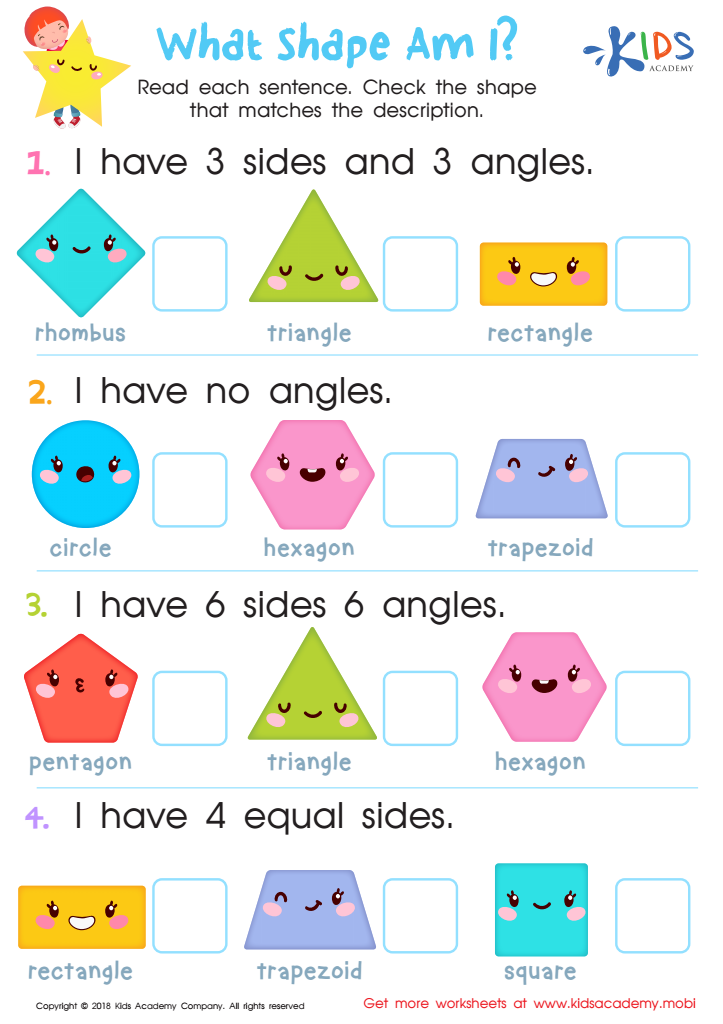
What Shape Am I? Worksheet
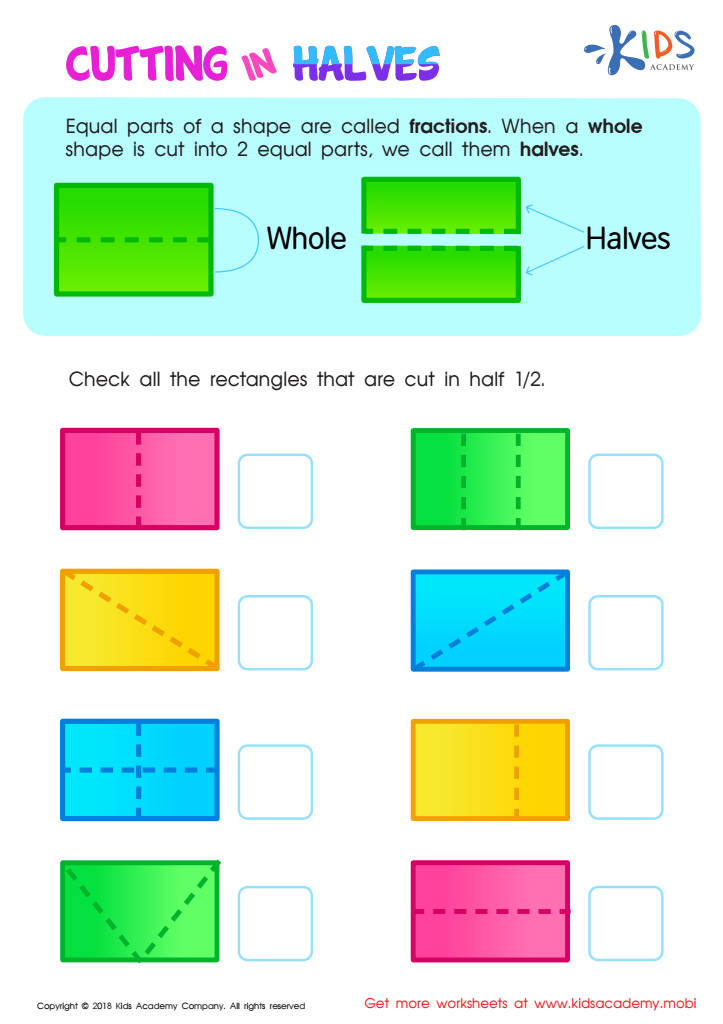
Cutting in Halves Worksheet
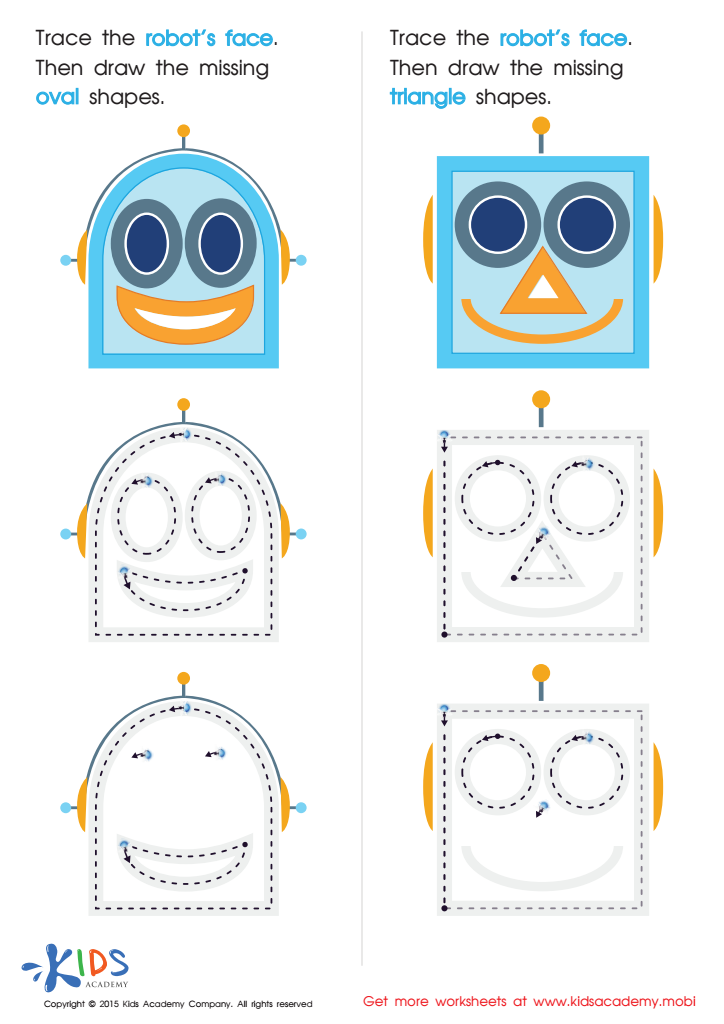
Drawing Ovals And Triangles with Fun Printable
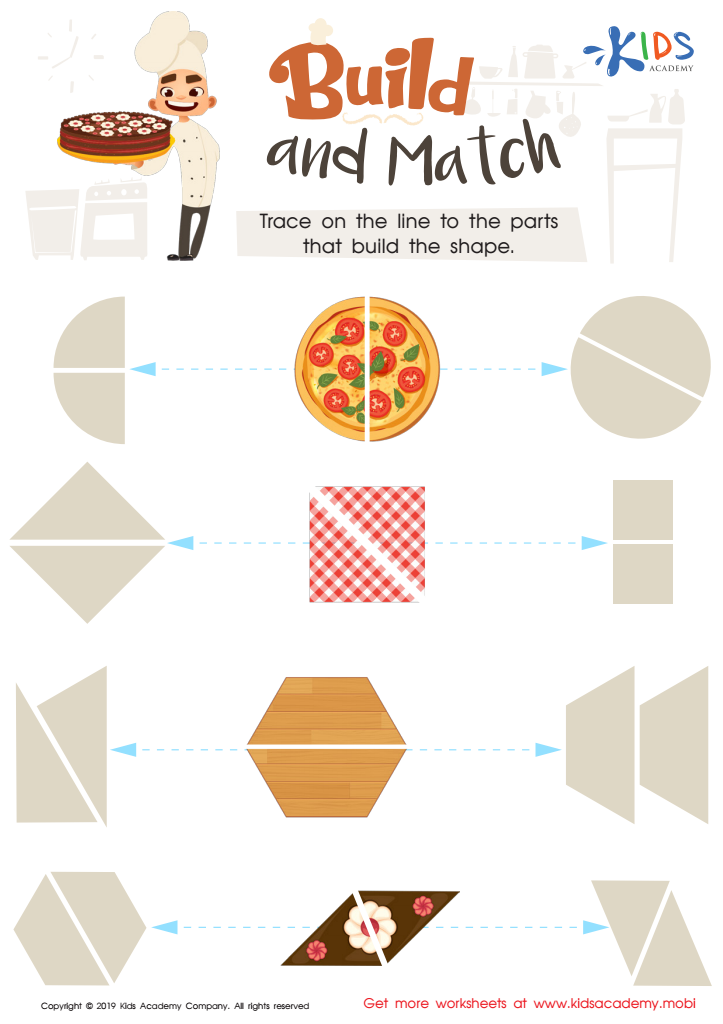
Build and Match Worksheet
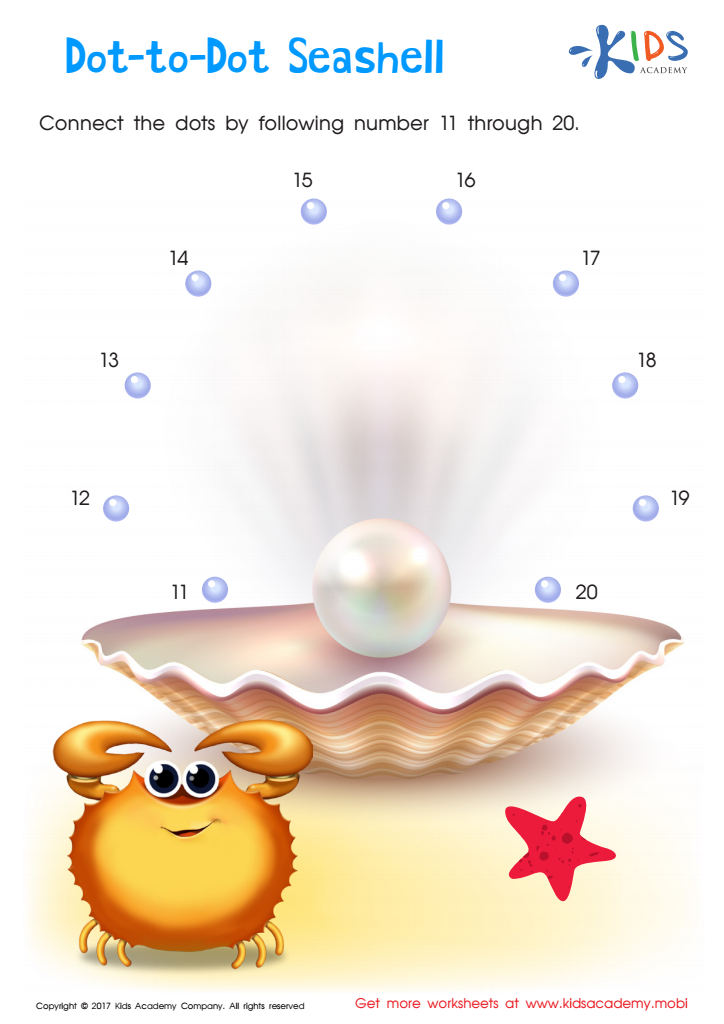
Ordering 11–20: Dot–to–dot Seashell Printable
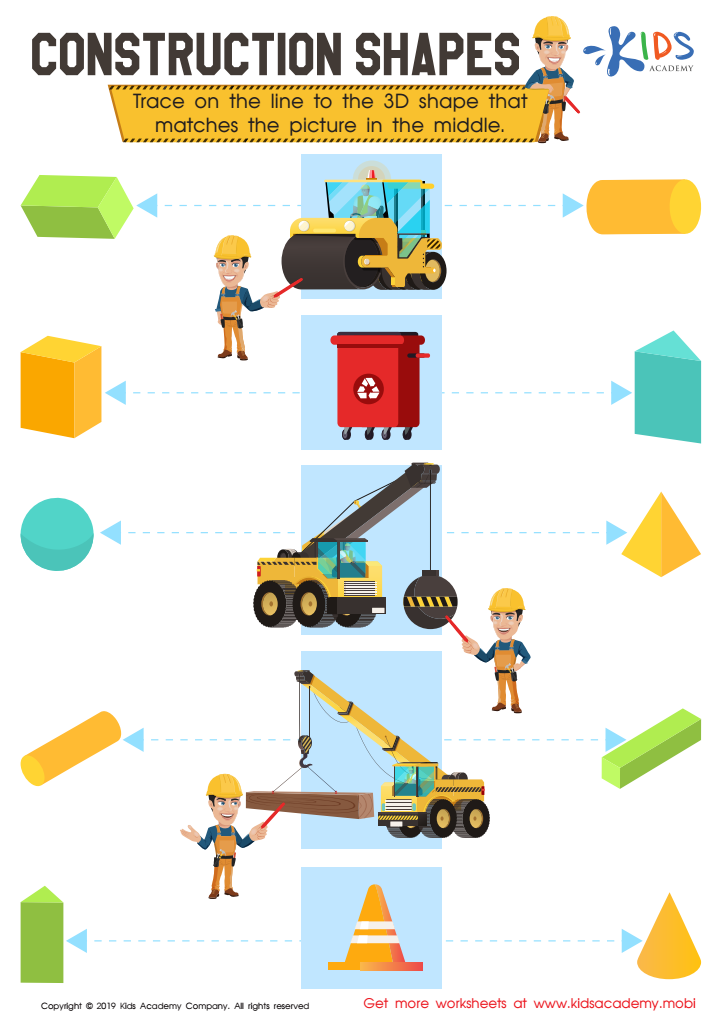
Construction Shapes Worksheet






Shape recognition is a fundamental skill for 6-year-olds that lays the groundwork for future mathematical understanding. Parents and teachers should prioritize this skill because it plays a crucial role in cognitive development and problem-solving. Recognizing shapes helps children classify and categorize objects, fostering their ability to make connections between different concepts.
Moreover, shape recognition is often integrated into everyday activities, such as art projects or building with blocks, making it a fun and engaging learning experience. Understanding shapes enhances spatial awareness, allowing children to navigate their environment more effectively. This foundational knowledge is also vital in more advanced math concepts, such as geometry, which will be introduced later in their education.
Additionally, strong shape recognition skills can support literacy development. Many letters and numbers have similar structures, and a child’s ability to discern shapes can enhance their reading and writing skills. Encouraging shape recognition early not only strengthens observational skills but also builds confidence as children learn to identify and categorize the world around them. Overall, prioritizing shape recognition in early education leads to well-rounded development and preparedness for more complex subjects in the future.








