Understanding Quantities Easy Math Worksheets for 6-Year-Olds
6 filtered results
-
From - To
Explore our "Understanding Quantities Easy Math Worksheets" designed specifically for 6-year-olds! These engaging worksheets provide young learners with essential skills to grasp the concept of quantities through fun and interactive activities. Children will enjoy hands-on exercises that promote counting, comparison, and number recognition. Each worksheet is crafted to foster independent learning while helping them build confidence in their math abilities. With a variety of colorful visuals and beginner-friendly instructions, these resources are perfect for parents and teachers alike. Make learning math enjoyable and effective with our thoughtfully designed worksheets that lay the foundation for future mathematical success!
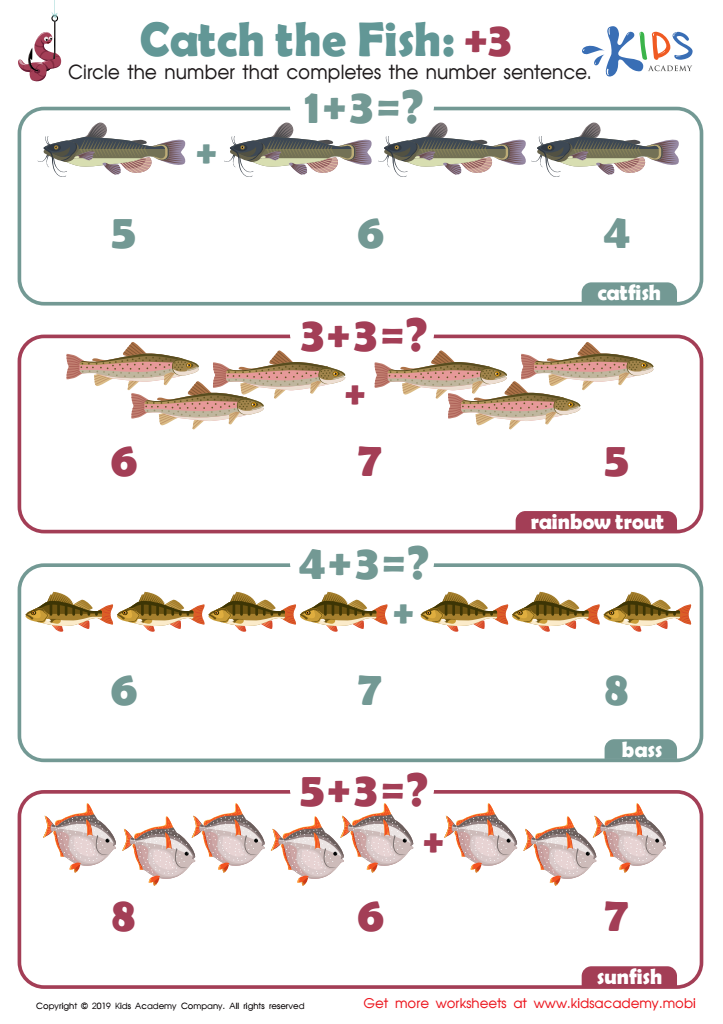
Catch the Fish: +3 Worksheet
 Assign to My Students
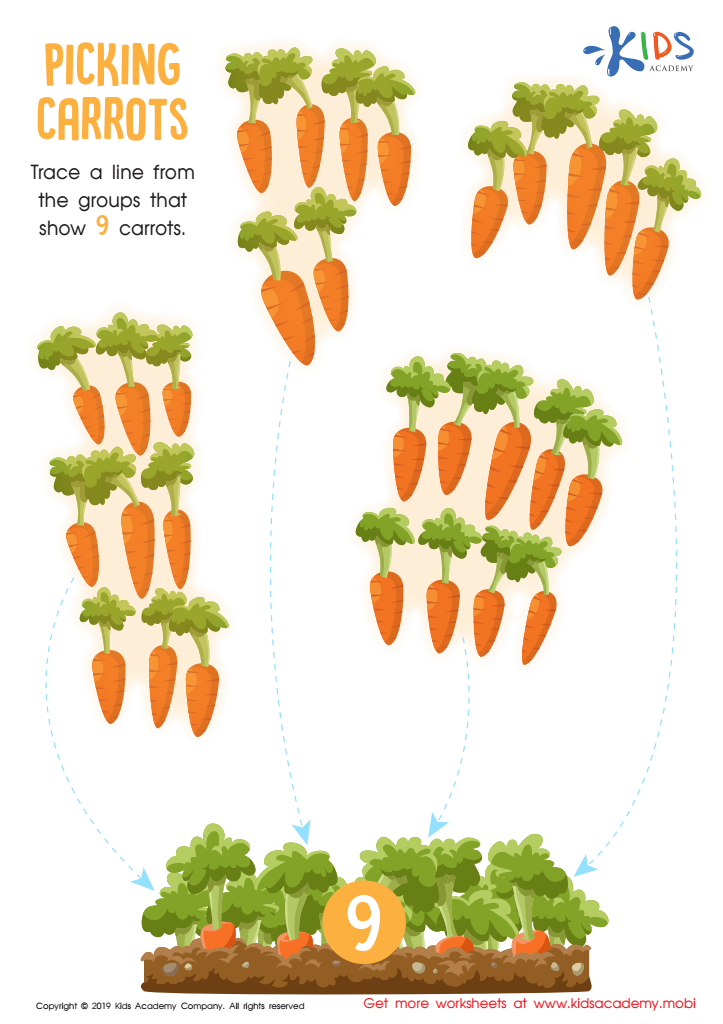
Picking Carrots Worksheet
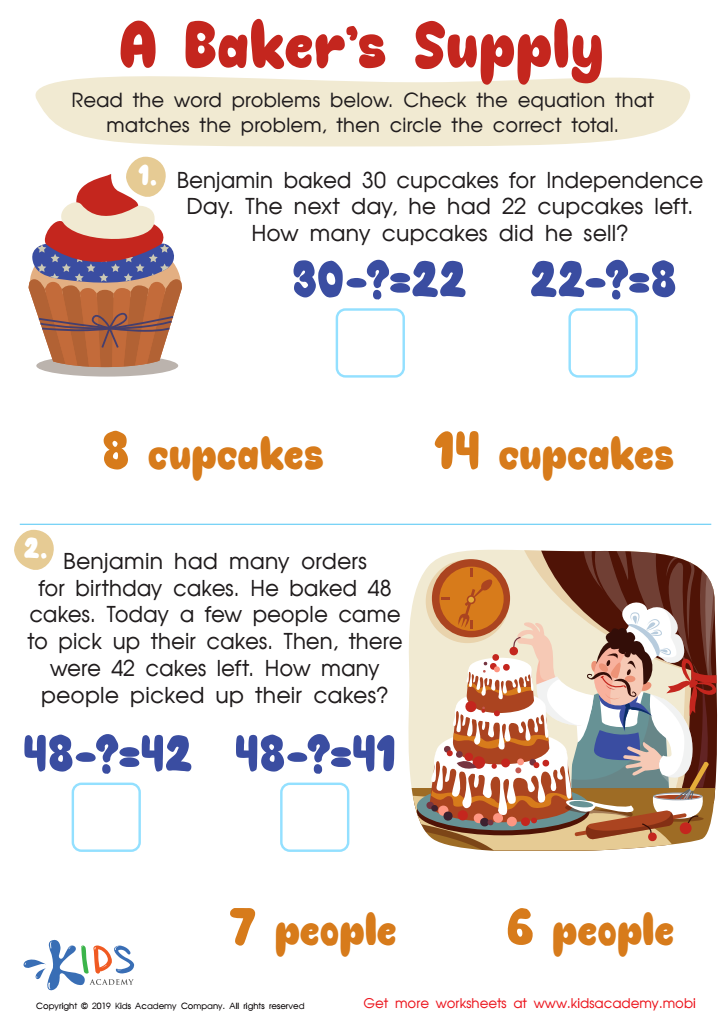
A Baker's Supply Worksheet
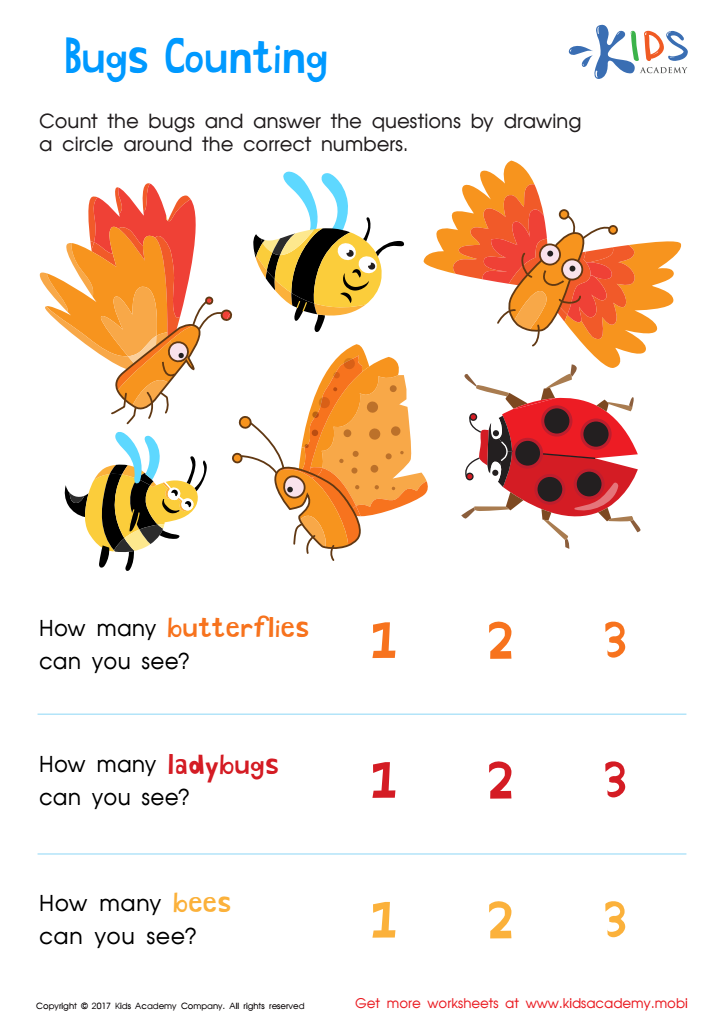
Bugs Counting Worksheet
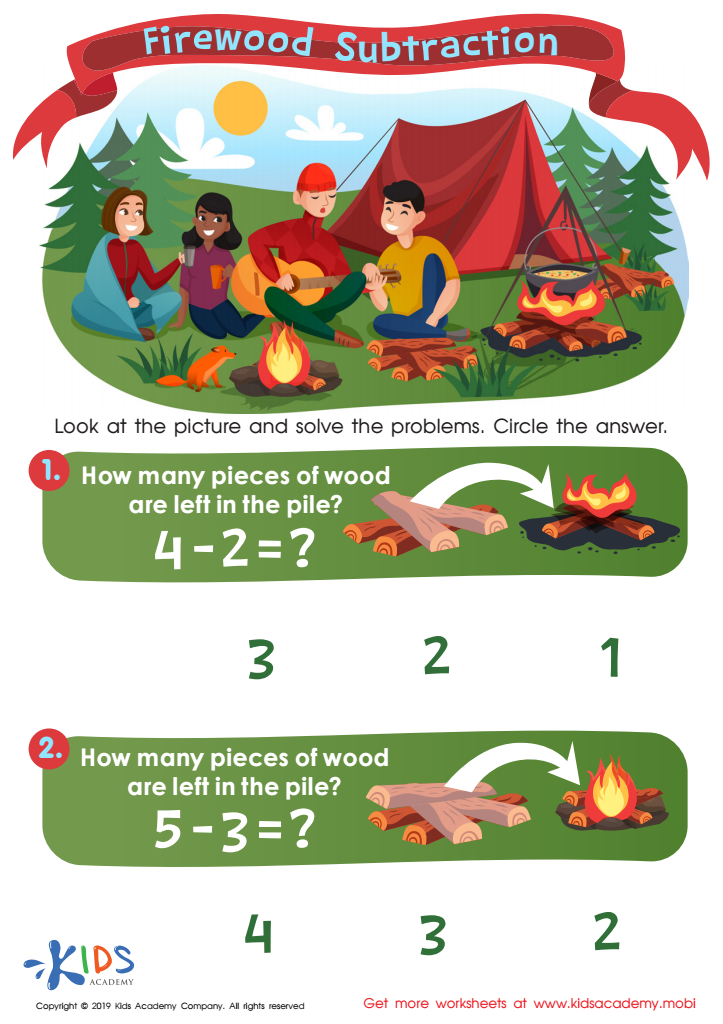
Firewood Subtraction Worksheet
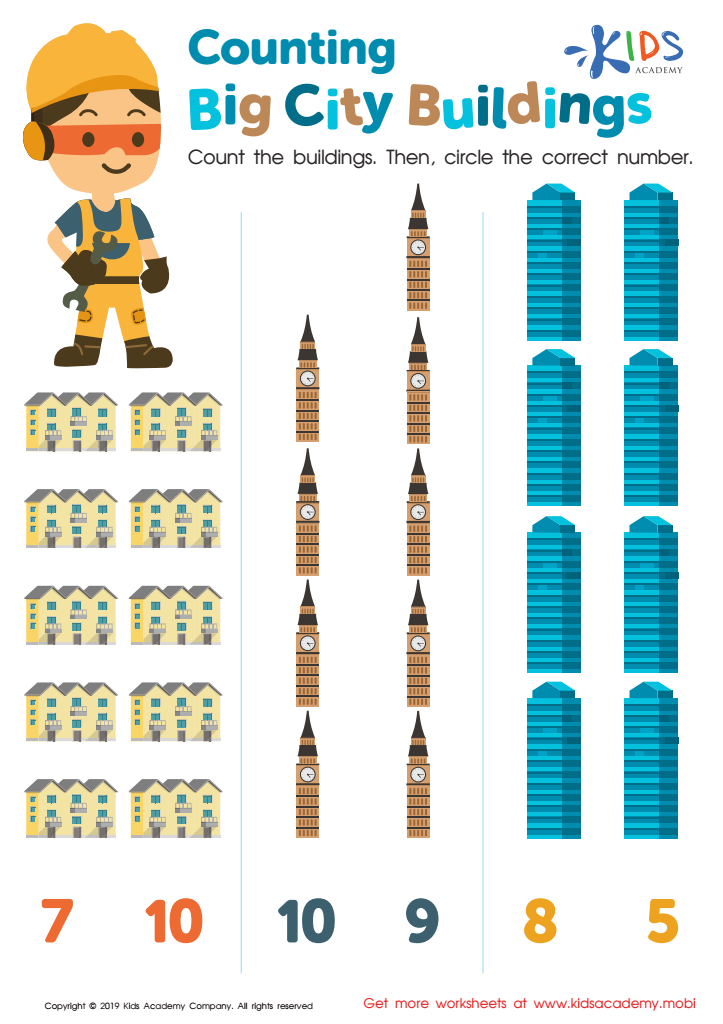
Counting Big City Buildings Worksheet








Understanding quantities is a fundamental aspect of early math literacy that forms the foundation for advanced mathematical concepts later in life. For parents and teachers, fostering this understanding in 6-year-olds is crucial for several reasons.
Firstly, it enhances number sense, enabling children to grasp relationships between numbers, such as more or less, which is vital in daily life. Secondly, early mastery of quantities promotes problem-solving skills, aiding children in tackling both simple and complex mathematical tasks as they progress in their education.
Moreover, engaging children with quantities encourages positive attitudes toward math, reducing anxiety and building confidence. This foundation helps create critical thinkers and lifelong learners who view math as not just a subject, but a useful and applicable skill in everyday scenarios.
In addition, with the advent of a more global economy and the emphasis on STEM fields, developing early math skills can contribute to greater academic and professional opportunities in the future. Thus, parents and teachers should prioritize understanding quantities during these formative years to support their children's cognitive development and set them on a path to success in an increasingly numerically driven world.








