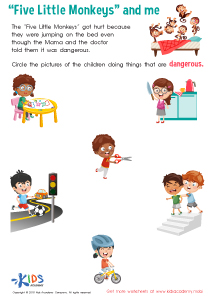
Cognitive Development Easy Building Vocabulary Worksheets for 6-Year-Olds
3 filtered results
-
From - To
Unlock your child's potential with our "Cognitive Development Easy Building Vocabulary Worksheets for 6-Year-Olds." Tailored for young learners, these engaging worksheets promote vocabulary growth through fun and interactive activities. Designed to support cognitive skills, each worksheet encourages creativity, critical thinking, and language comprehension, all while keeping learning enjoyable. Kids will explore words through matching, filling in blanks, and word searches, which help reinforce their understanding and retention. Ideal for at-home practice or classroom use, these worksheets provide an effective tool for parents and teachers to foster a love for learning and boost essential language abilities in early childhood. Explore the adventure today!
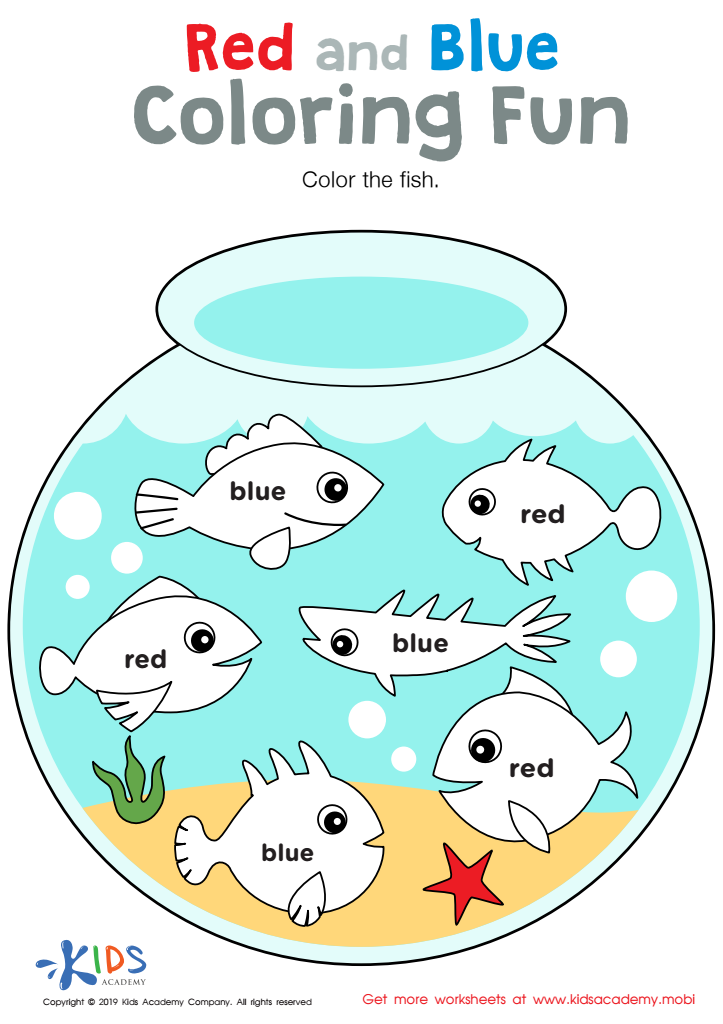
Red and Blue Coloring Fun Worksheet
 Assign to My Students











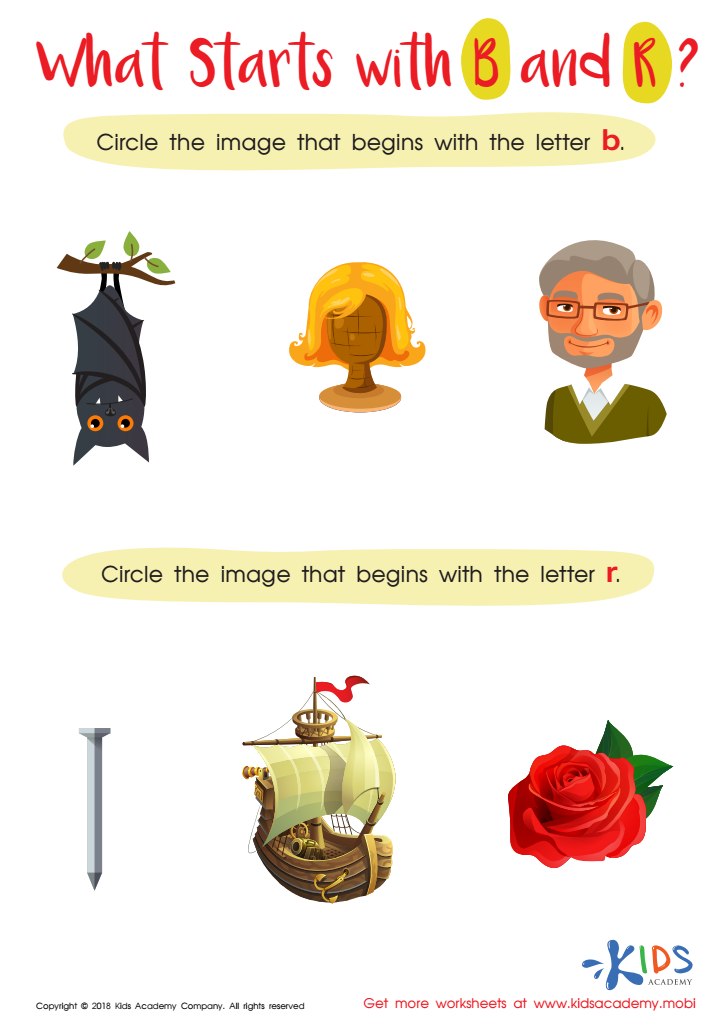
What Starts with B and R? Worksheet
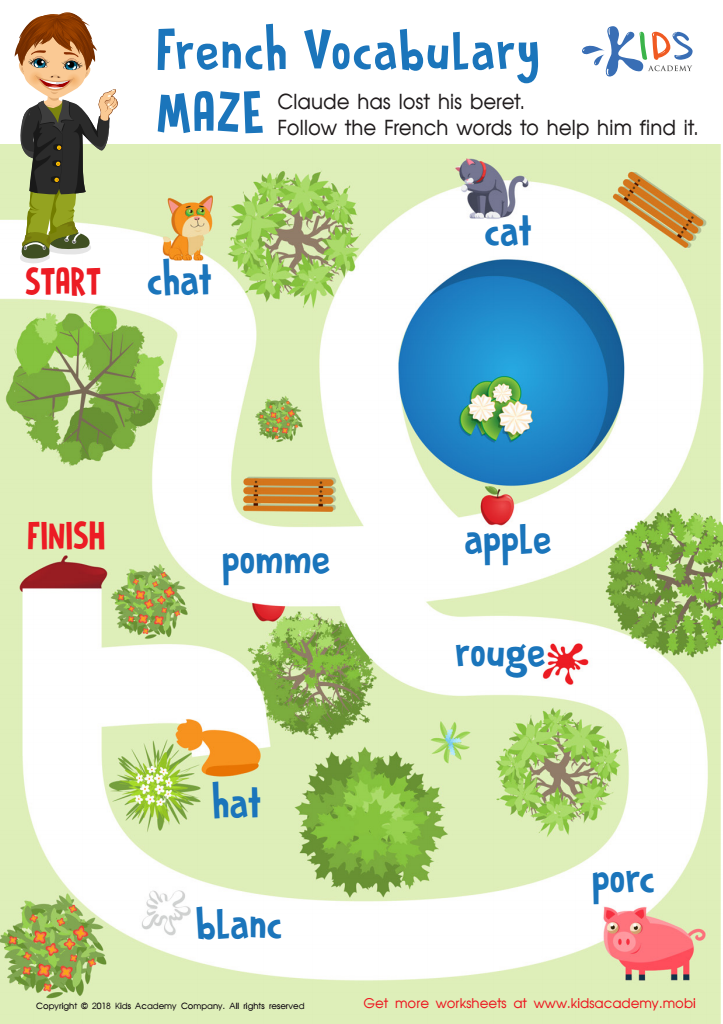
French Vocabulary Maze Worksheet








Cognitive development is a crucial aspect of a child's growth, especially at the age of six when their brain is highly receptive to learning. Building vocabulary during this stage is essential because it enhances critical thinking, problem-solving skills, and overall communication. When parents and teachers focus on expanding a child's vocabulary, they are providing tools that help children articulate their thoughts and emotions more effectively, fostering better relationships with peers and adults.
A strong vocabulary also lays the foundation for reading and writing skills, which are vital for academic success. Children who can understand and use a wide range of words often grasp new concepts more easily, leading to a love of learning. Engaging children in conversations, reading diverse books, and using new words in everyday contexts helps enrich their language experience.
Additionally, cognitive development is closely linked to a child's self-esteem and confidence. When they can express themselves clearly, they are more likely to engage in class, take risks in their learning, and feel empowered to share unique ideas. Therefore, by prioritizing vocabulary building, parents and teachers can cultivate a supportive environment that nurtures holistic development and lifelong learning in children.