Sequencing Skills Easy Worksheets for Ages 7-8
4 filtered results
-
From - To
Enhance your child's learning with our Sequencing Skills Easy Worksheets designed specifically for ages 7-8. These engaging, printable worksheets help kids develop critical thinking and organizational skills as they practice arranging events in a logical order. Each worksheet offers fun, age-appropriate activities, featuring colorful graphics and relatable scenarios that captivate young minds. Perfect for both classroom use and at-home learning, these resources support literacy and comprehension by encouraging kids to understand sequences in stories, everyday activities, and more. Foster your child’s learning journey today with our interactive sequencing worksheets, making educational fun and accessible for your little ones!
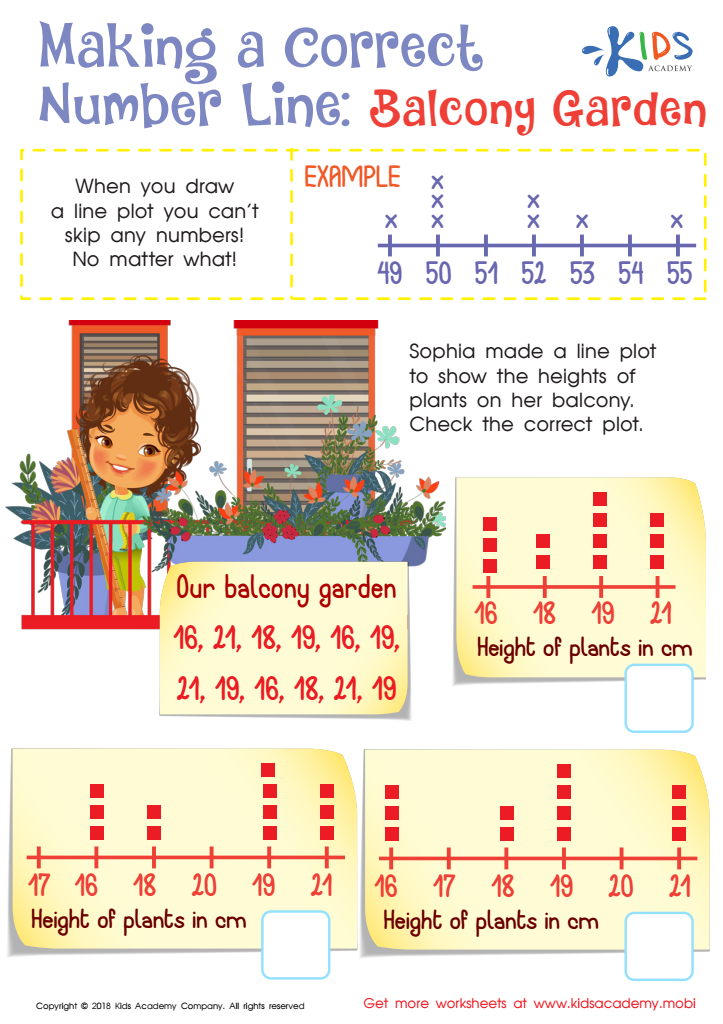
Making a Correct Number Line: Balcony Garden Worksheet
 Assign to My Students
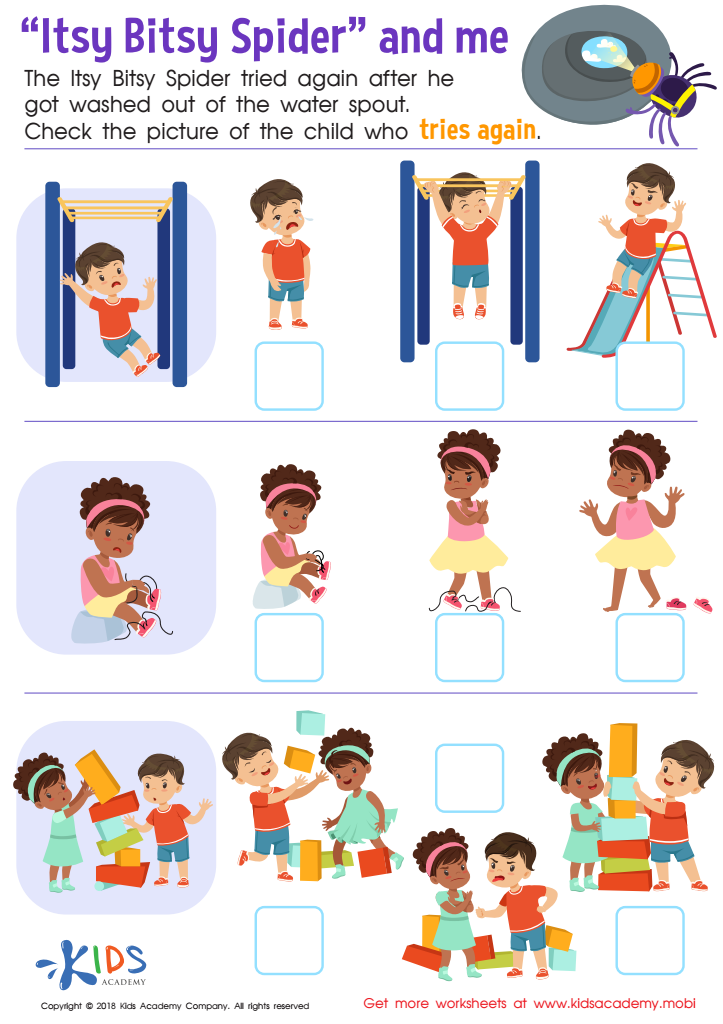
Itsy Bitsy Spider and Me Worksheet
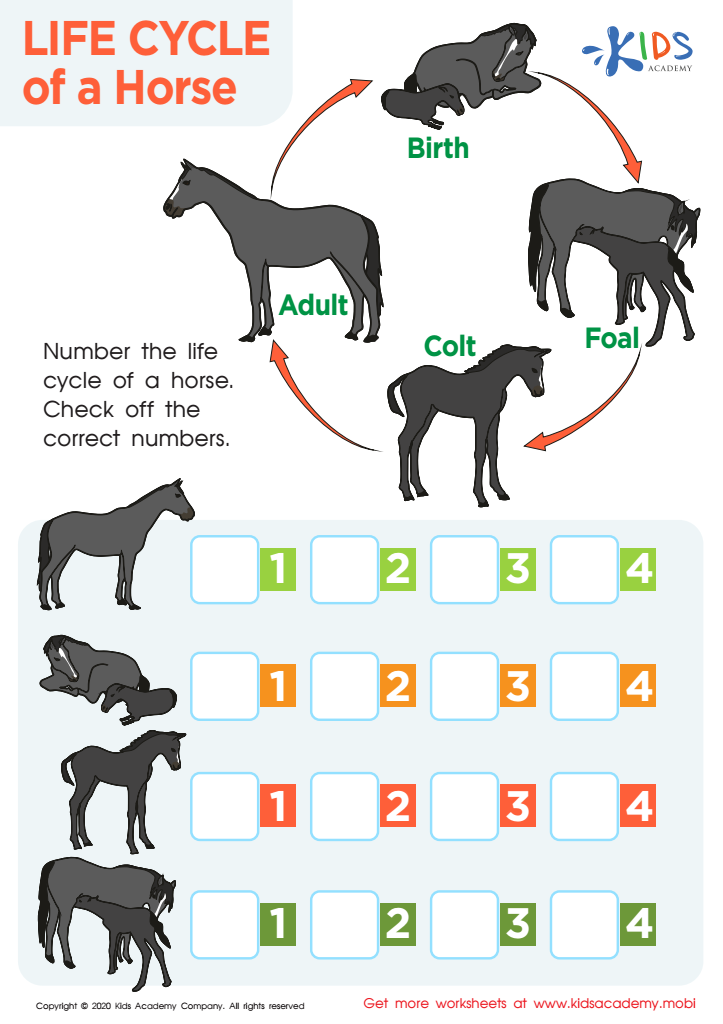
Life Cycle of a Horse Worksheet
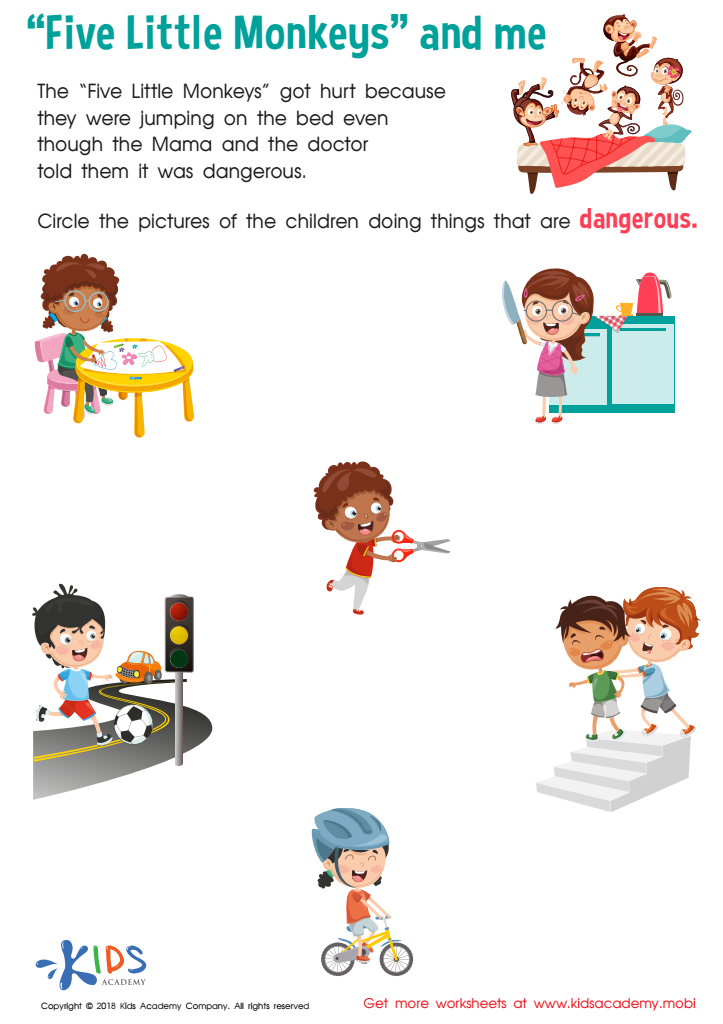
Five Little Monkeys and Me Worksheet







Sequencing skills are fundamental for children aged 7-8, serving as the building blocks for critical thinking and problem-solving. At this developmental stage, children are refining their ability to understand order and how events are interconnected in stories, tasks, and daily life. For parents and teachers, fostering these skills is essential for several reasons.
Firstly, sequencing enhances reading comprehension. When children can identify the sequence of events in a narrative, they are better equipped to understand the story's overall meaning and themes. This skill also aids in their writing; understanding how to logically organize their thoughts promotes clearer communication.
Moreover, sequencing skills contribute to math understanding. Concepts like patterns, timelines, and numerical order rely on a child’s ability to recognize sequences. Overall, these skills are crucial for general cognitive development, allowing children to make connections between different ideas.
By supporting the development of sequencing skills, adults are not only enhancing children’s academic abilities but also preparing them to tackle real-life situations methodically, such as planning activities, following multi-step instructions, and problem-solving. Incorporating engaging activities that practice sequencing—like stories, games, and hands-on projects—will ensure children are well-prepared for future learning endeavors.








