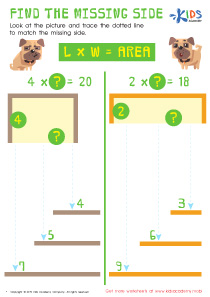
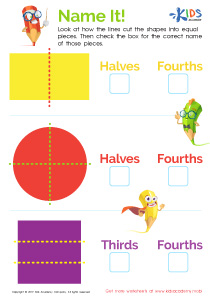
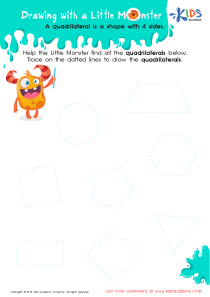
Discover the perfect resource for young learners with our "Shape Recognition Easy 2D Shapes Worksheets for Ages 7-8". These engaging and educational worksheets are designed to help children recognize and understand various 2D shapes, enhancing their geometry skills in a fun, interactive way. Packed with colorful illustrations and creative exercises, these worksheets will keep your kids interested as they practice identifying, tracing, and drawing shapes such as circles, squares, triangles, and more. Ideal for both classroom and home use, our worksheets make learning essential math concepts enjoyable and effective for your 7 to 8-year-old!

Check out this FREE Trial Lesson on 2D Shapes for age 7-8!

Counting Faces 3D

Favorites
With answer key
Interactive
  • 7-8
  • Shape Recognition
  • 2D Shapes
  • Easy
Odd Shape Out Worksheet for Grade 3

Odd Shape Out Worksheet for Grade 3

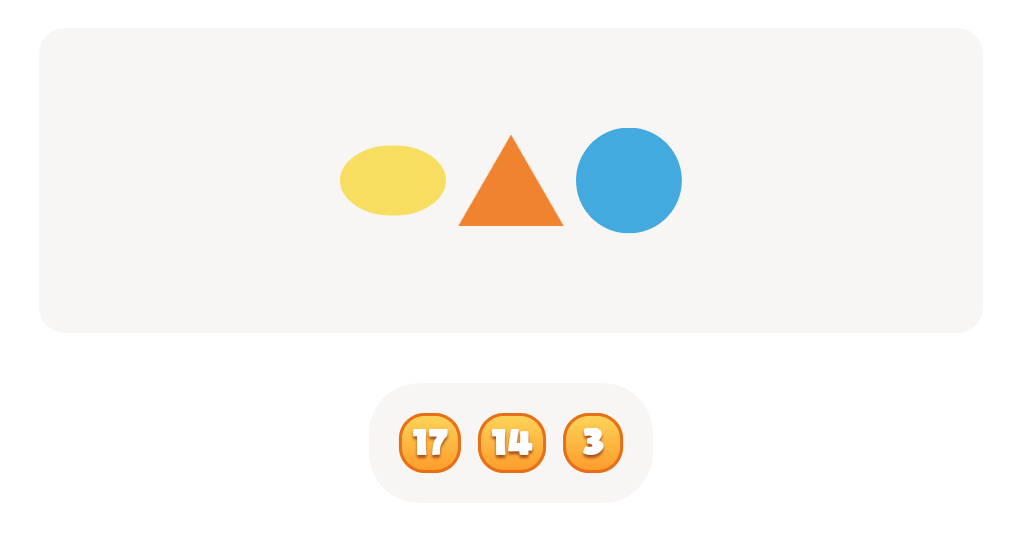
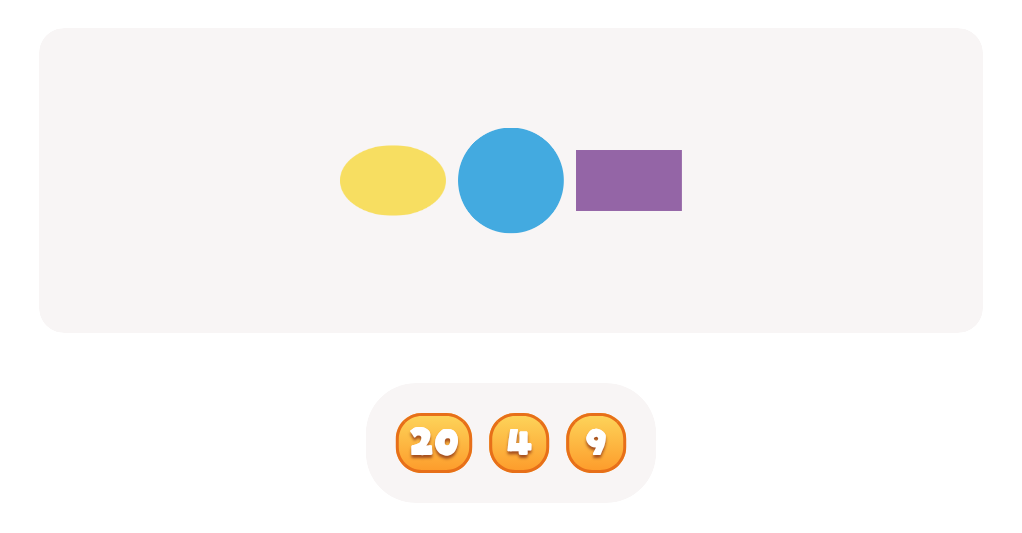
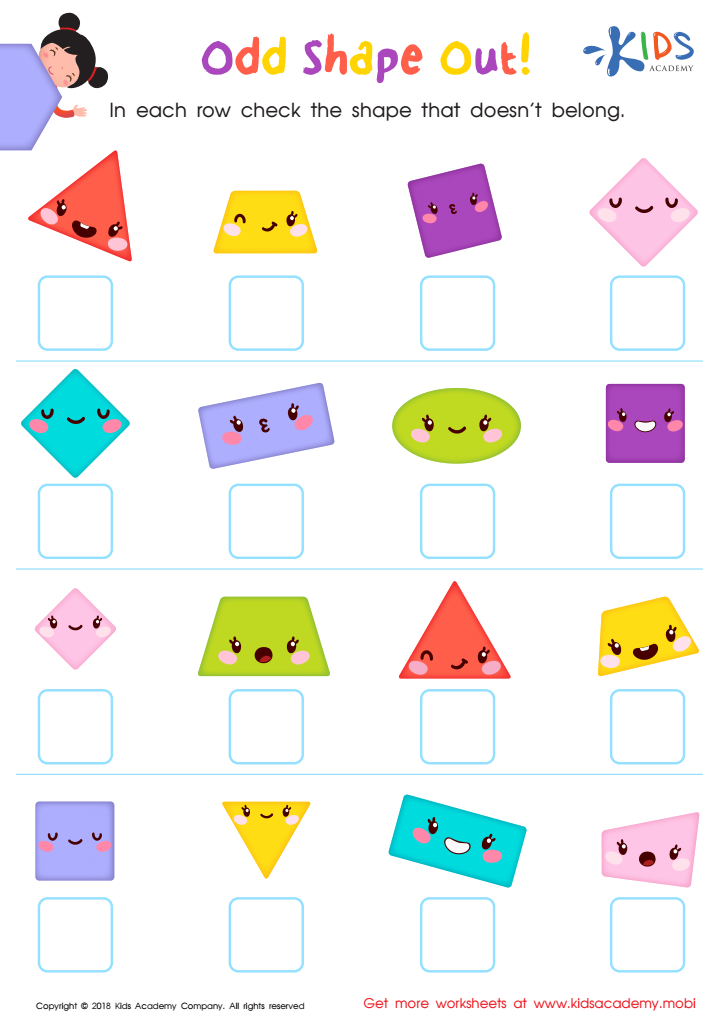
Time to test your child's shape knowledge! With this worksheet, help them find the odd shape out in each row and check the box under it. Print out the pdf and look through it with them – each row has four brightly colored shapes. See if they can spot any differences among them and then check the box below the shape that does not belong.
Odd Shape Out Worksheet for Grade 3
Worksheet
Groups of Shapes Worksheet

Groups of Shapes Worksheet

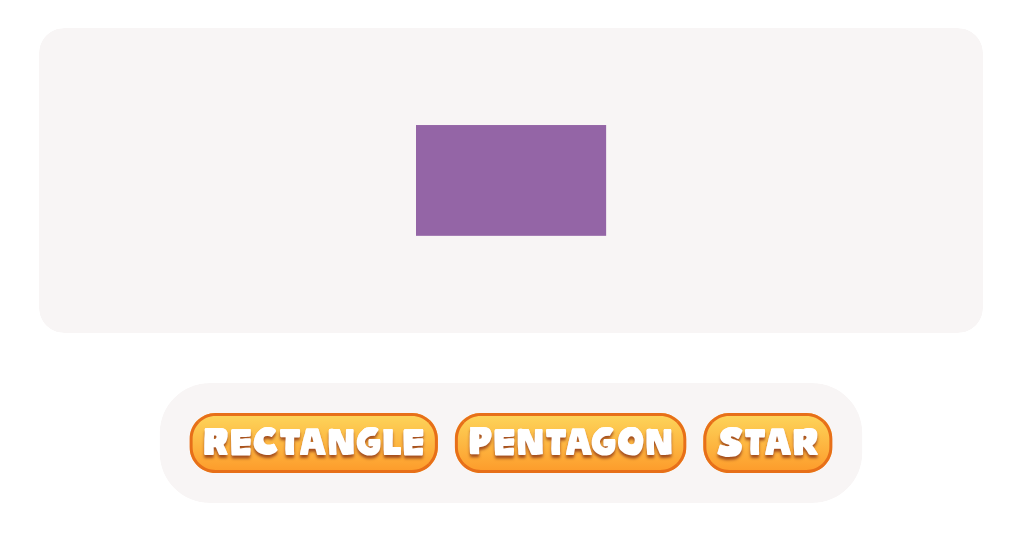
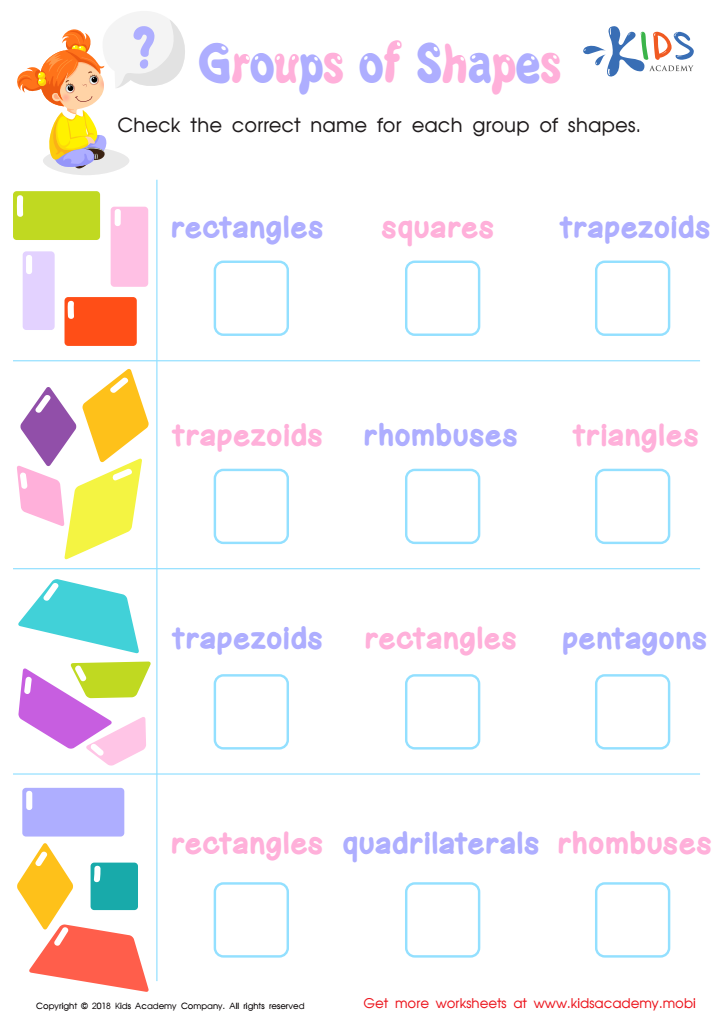
Can your child identify and name shapes? Help them learn the unique features of each and have them check the correct name for each group in the colorful pictures on this worksheet.
Groups of Shapes Worksheet
Worksheet
Faces of 3D Shapes Worksheet

Faces of 3D Shapes Worksheet

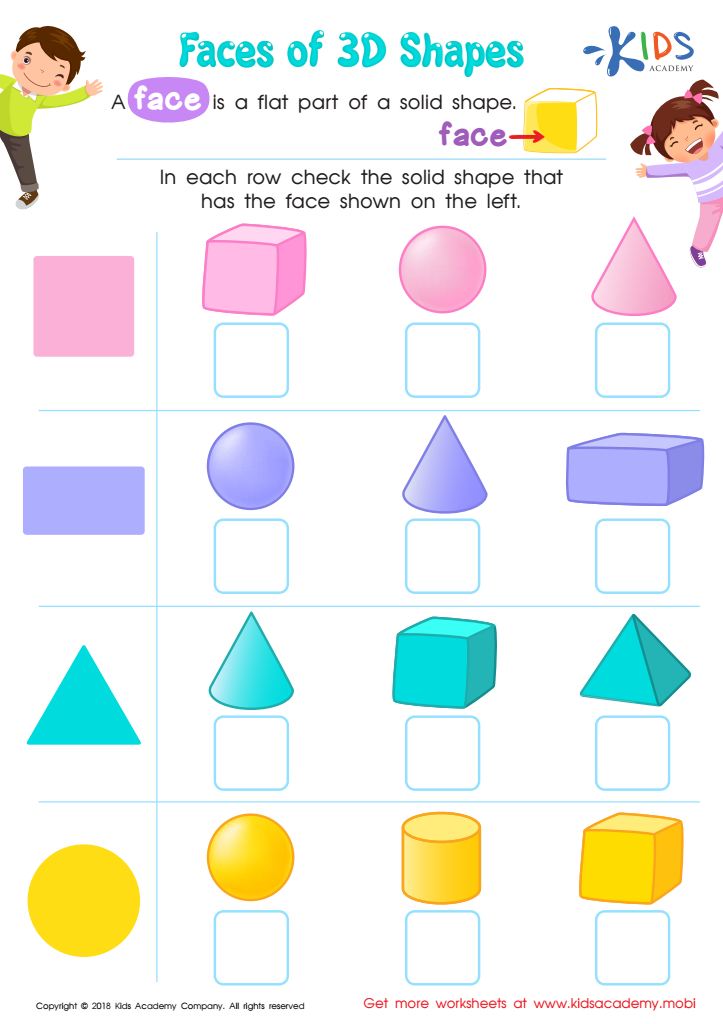
Point at random body parts and ask your child to name them. Point to their face and ask them to identify it. Use this worksheet to show how "face" doesn't just refer to body parts - it can also mean the flat surface of a solid shape. Check the picture to find the matching solid shape for each face shown.
Faces of 3D Shapes Worksheet
Worksheet
Sorting Shapes Worksheet
Sorting Shapes Worksheet

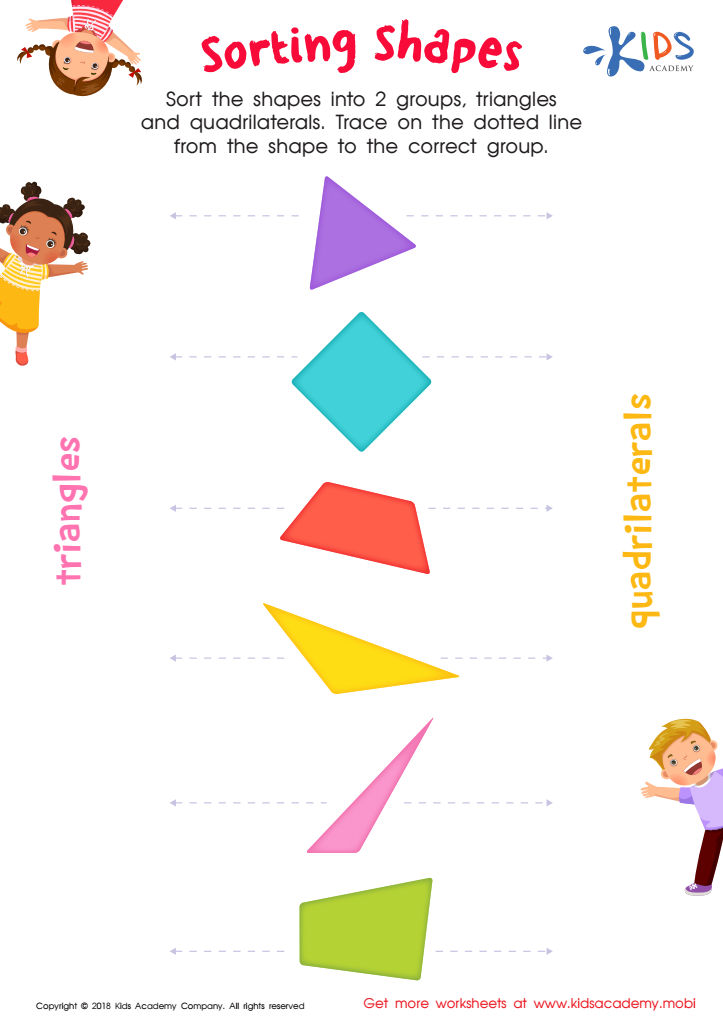
Before beginning, ensure your child is familiar with quadrilaterals (4 sides) and triangles (3 sides). This tracing exercise is easy: sort the shapes into the two groups and trace the dotted lines to the correct group.
Sorting Shapes Worksheet
Worksheet
Odd Shape Out Worksheet for Grade 1

Odd Shape Out Worksheet for Grade 1

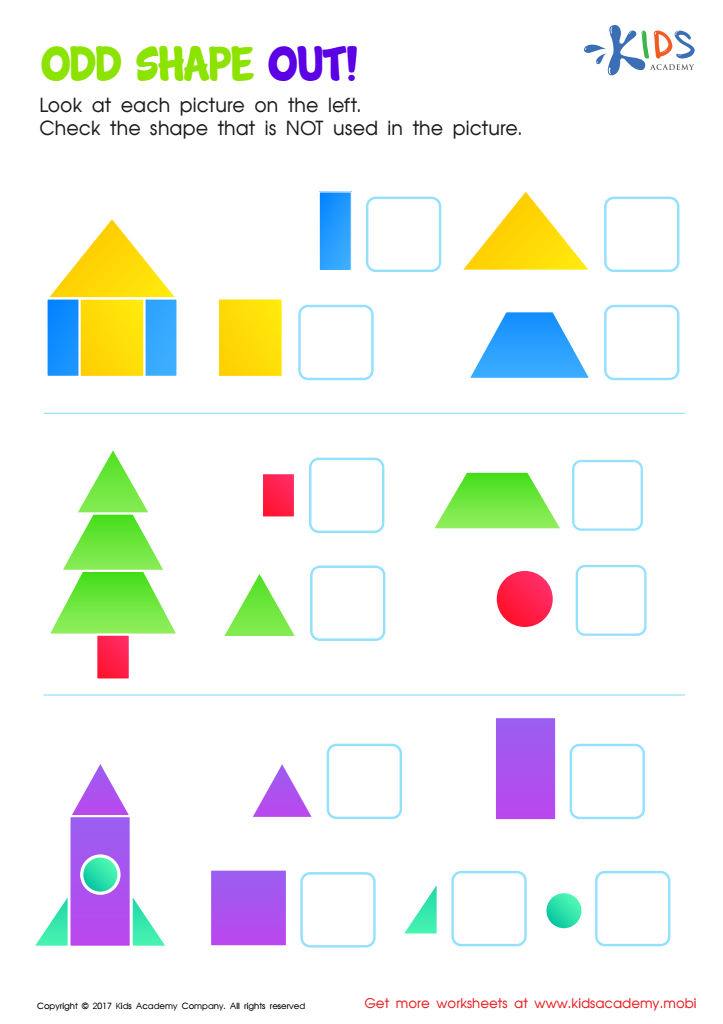
This worksheet can help your kids test their knowledge of shapes. They should have already been introduced to the most common shapes and be able to identify and draw them. Look at the picture and help your child identify each shape. Then, check which one isn't used to make the object.
Odd Shape Out Worksheet for Grade 1
Worksheet
What Shape Am I? Worksheet

What Shape Am I? Worksheet

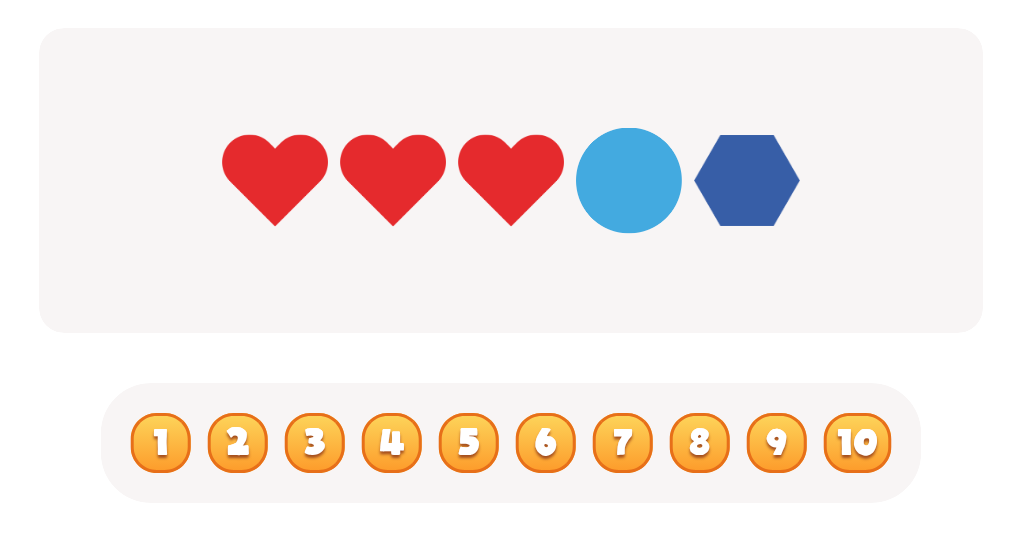
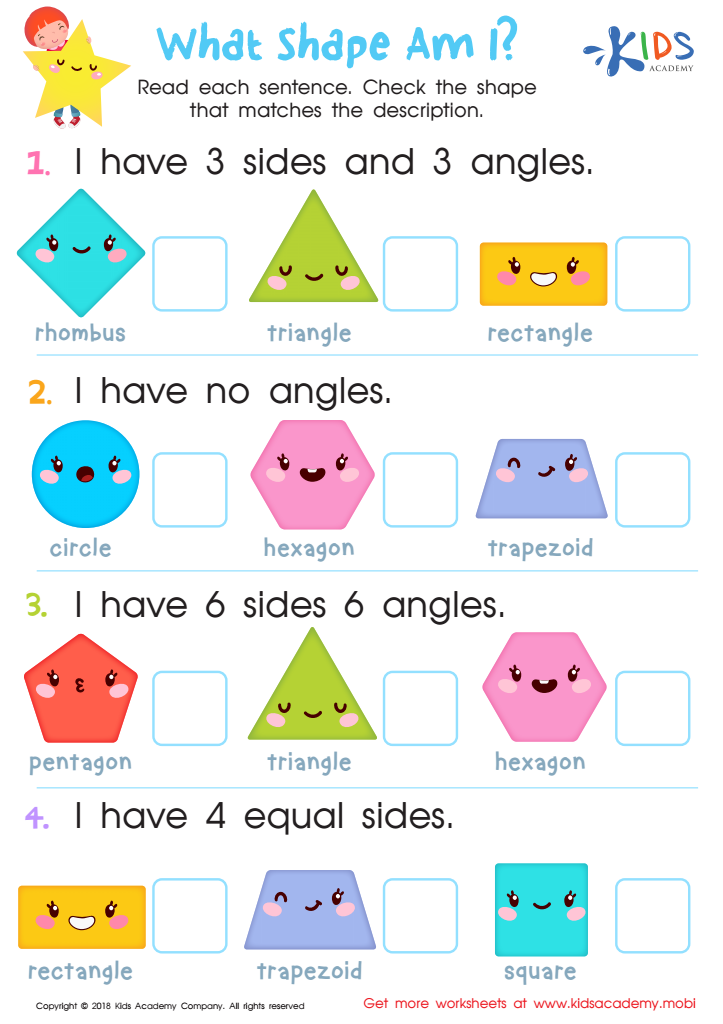
Help your child read each sentence in this colorful worksheet. Have them identify the shapes described and check the boxes. To prepare, ask simple questions like "How many sides does a triangle have?" and "Which shape has 4 equal sides?" Your child will become more skilled at shapes by the end of this activity.
What Shape Am I? Worksheet
Worksheet
Build and Match Worksheet


Build and Match Worksheet

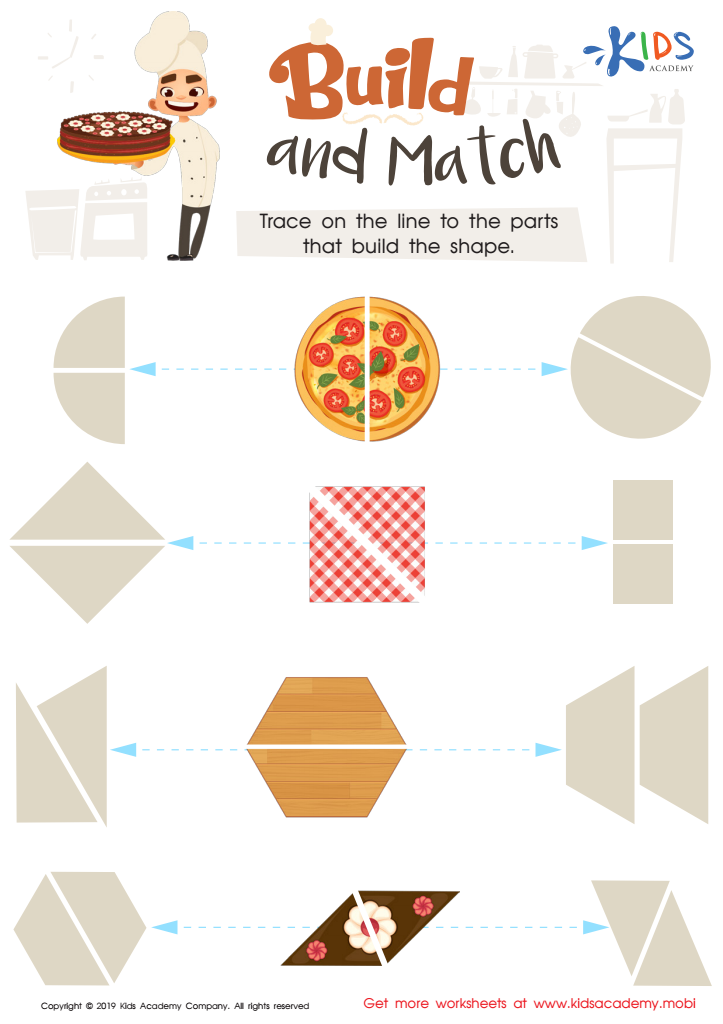
This bright worksheet will get your kids excited to learn more! Use the colorful images and shapes to engage them and have them trace the parts to build the shape. This fun exercise will help them retain the lessons and make it an enjoyable experience.
Build and Match Worksheet
Worksheet


Shape recognition plays a foundational role in the early development of children aged 7-8. Firstly, understanding basic 2D shapes like circles, squares, and triangles helps kids improve their spatial awareness. This is critical as spatial reasoning is a fundamental skill not just for math, but for everyday tasks like reading maps, assembling puzzles, and organizing objects.

Secondly, shape recognition serves as a stepping stone for more complex mathematical concepts. Identifying and understanding the properties of 2D shapes leads to an easier grasp of geometry, measurement, and eventually algebra and other advanced math areas.

Cognitive development is another key area influenced by shape recognition. It enhances visual perception, which is vital for distinguishing differences, categorizing information, and making sense of visual cues in their environment. This cognitive sharpening extends to reading, as recognizing letter shapes is a significant component of literacy.

Moreover, learning shapes fosters creativity and problem-solving skills. Children begin to see relationships between shapes, enhancing their ability to solve puzzles and build structures. Lastly, recognizing shapes is integral to real-world applications; from traffic signs to classroom equipment, the ability to identify shapes helps children navigate their surroundings safely and effectively. Therefore, parents and teachers should prioritize shape recognition to nurture comprehensive intellectual and practical growth.