Problem-Solving Skills Easy Math Worksheets for Ages 7-8 - Page 2
36 filtered results
-
From - To
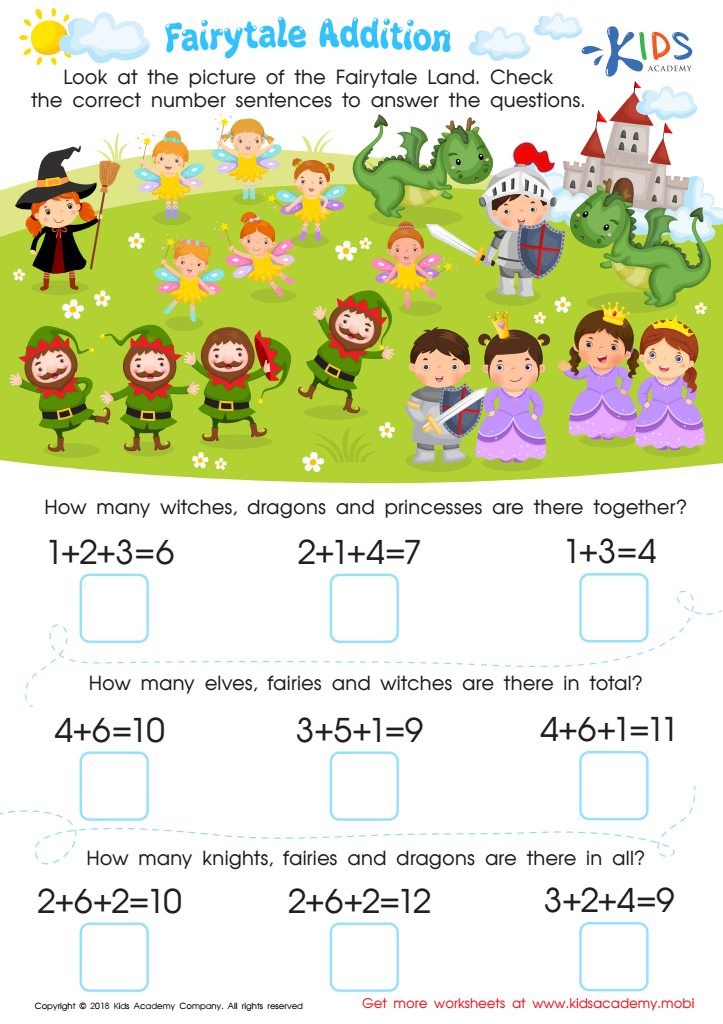
Fairytale Addition Worksheet
 Assign to My Students
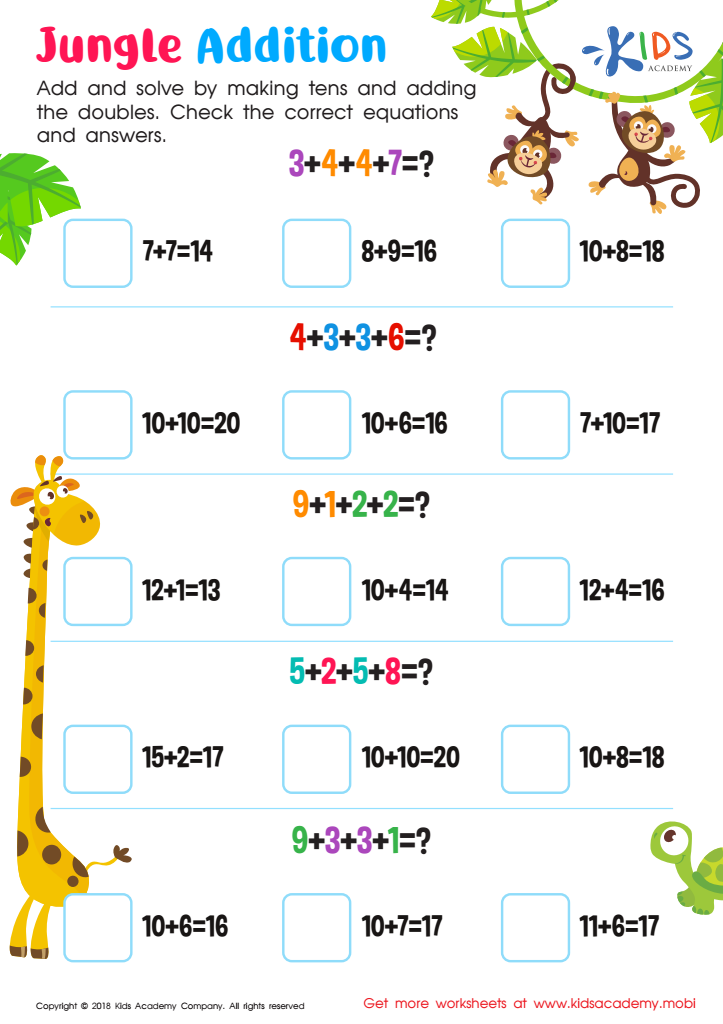
Jungle Addition Worksheet
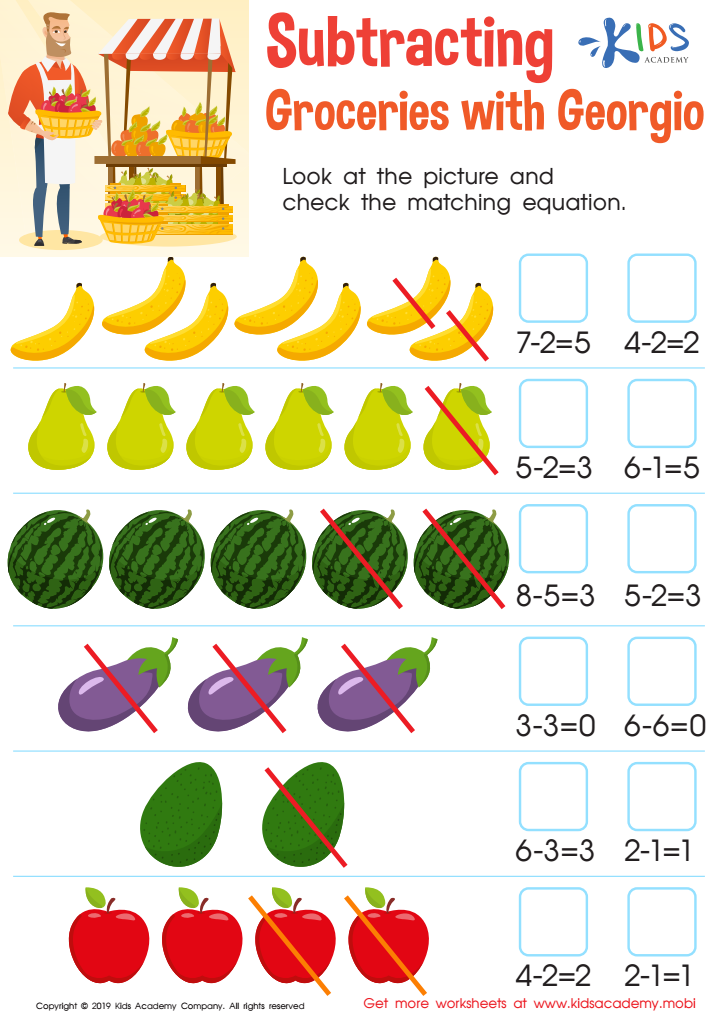
Subtracting: Groceries with Georgio Worksheet
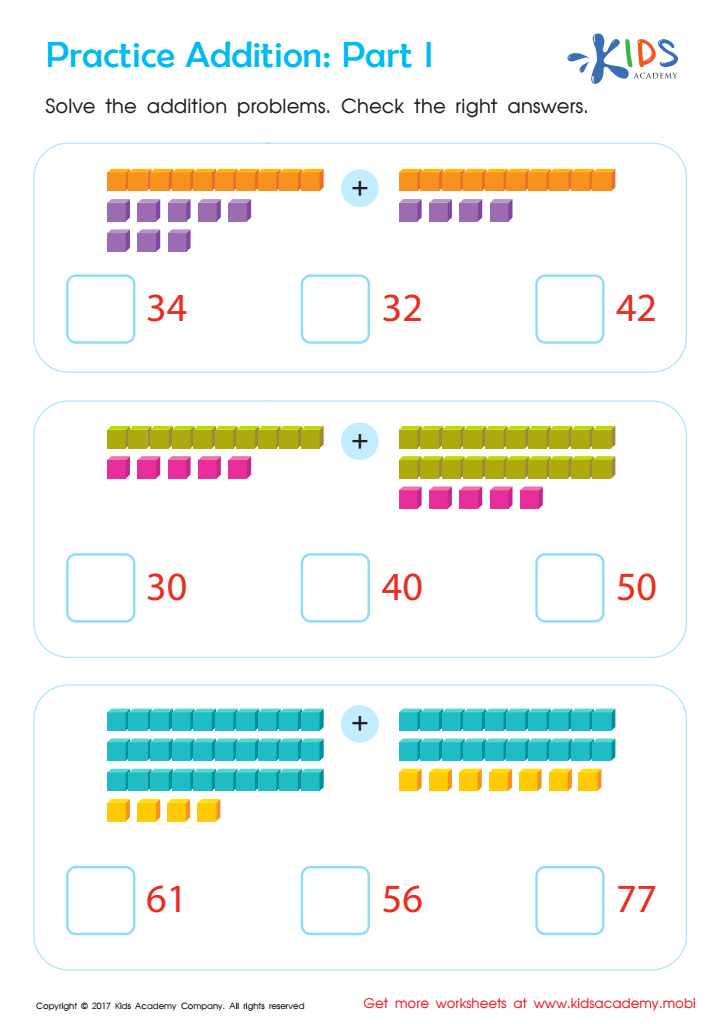
Practice Addition: Part 1 Worksheet
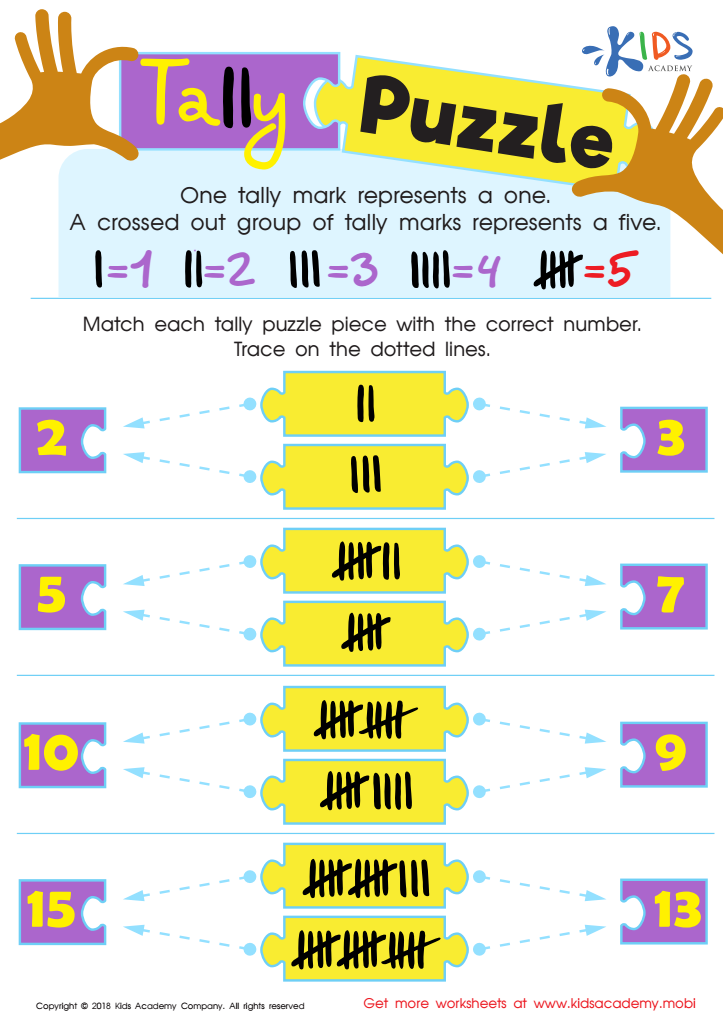
Tally Puzzle Worksheet
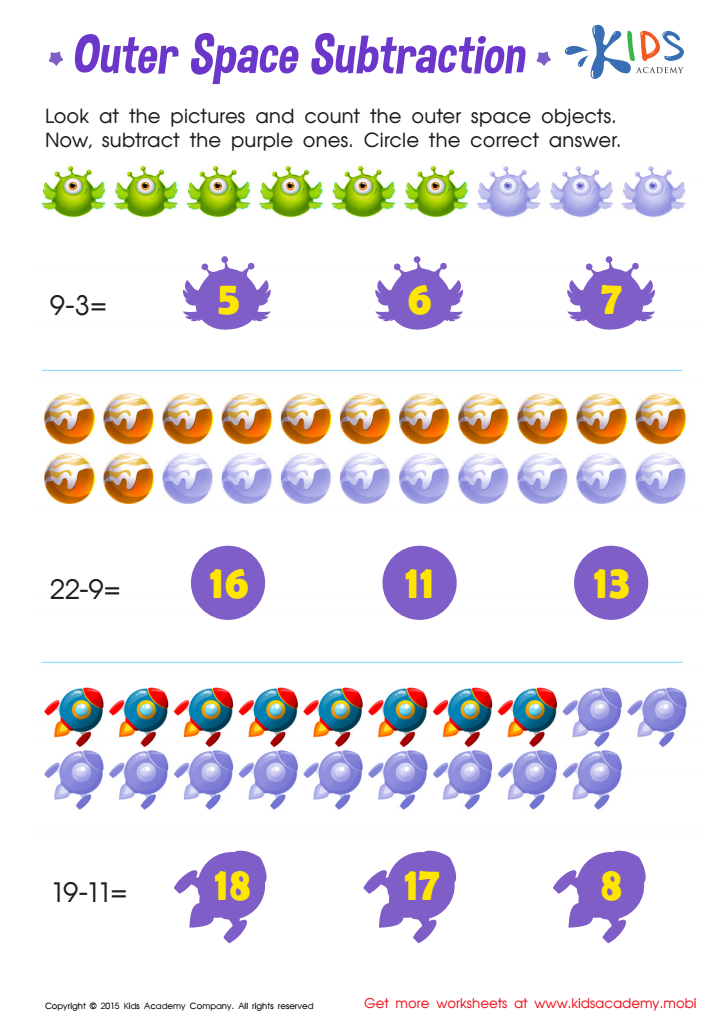
Outer Space Substraction Worksheet
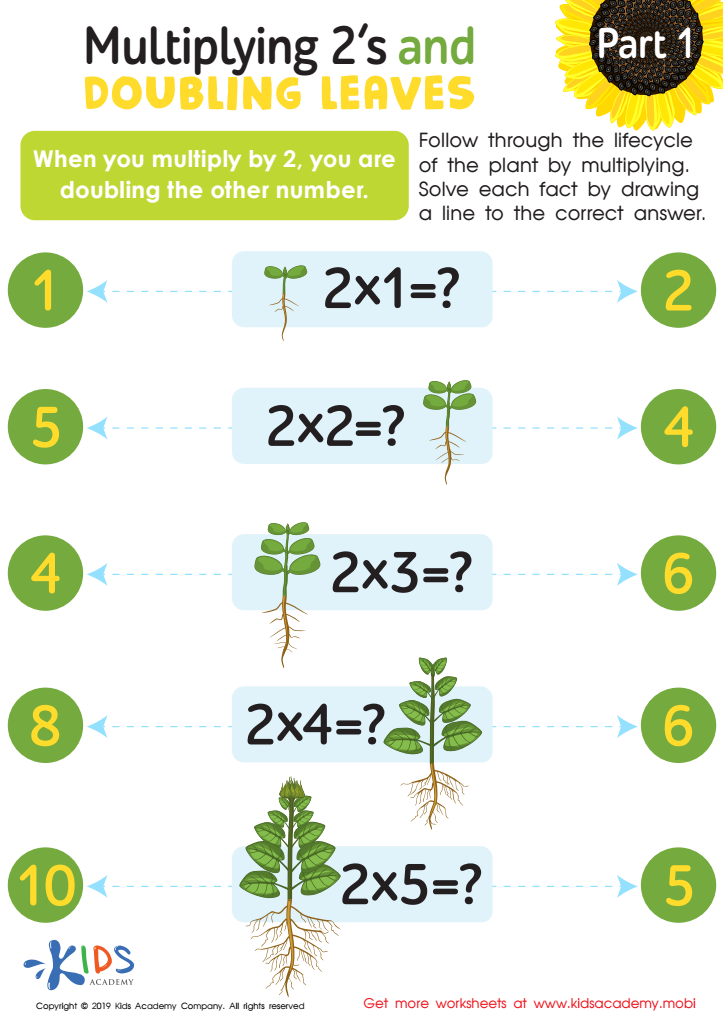
Multiplying 2’s and Doubling Leaves Part 1 Worksheet
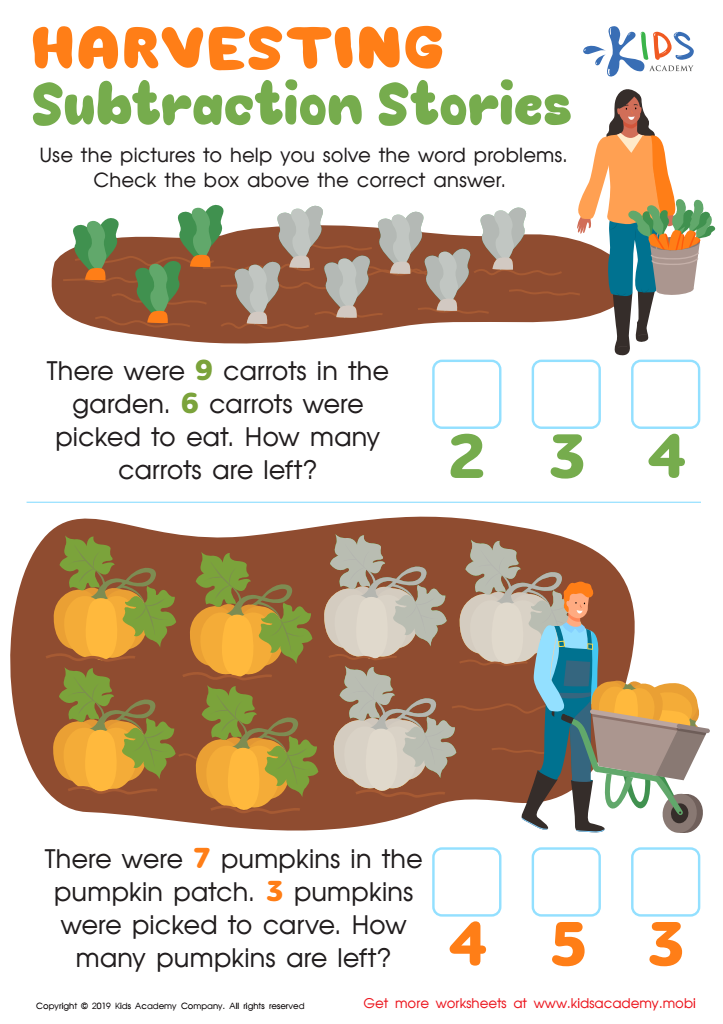
Harvesting Subtraction Stories Worksheet
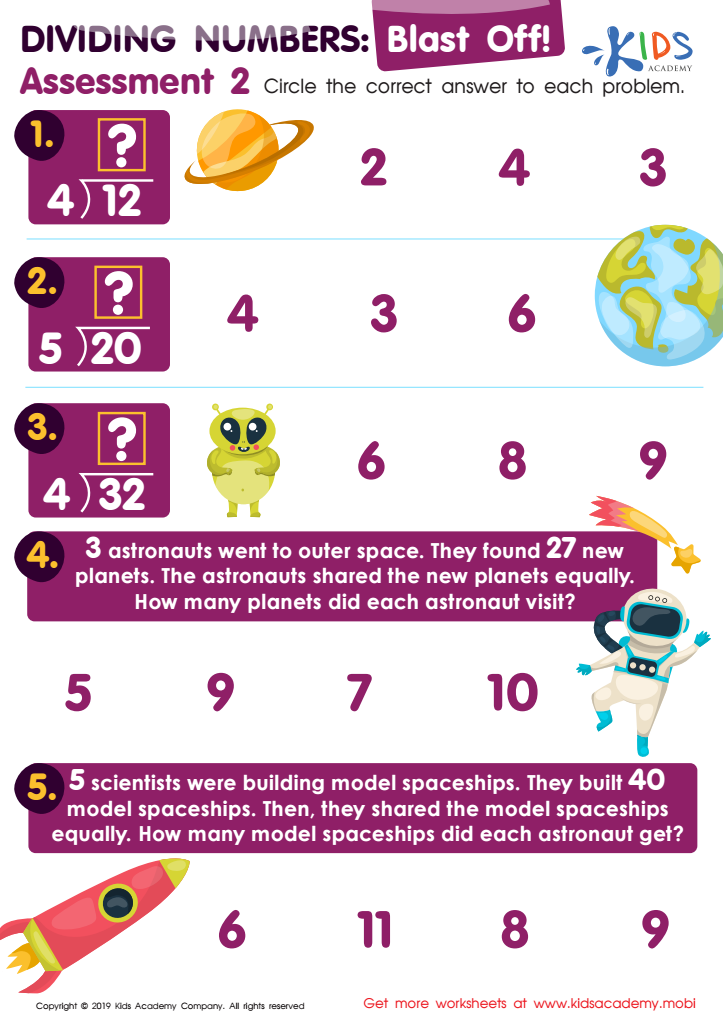
Dividing Numbers Assessment 2 Worksheet
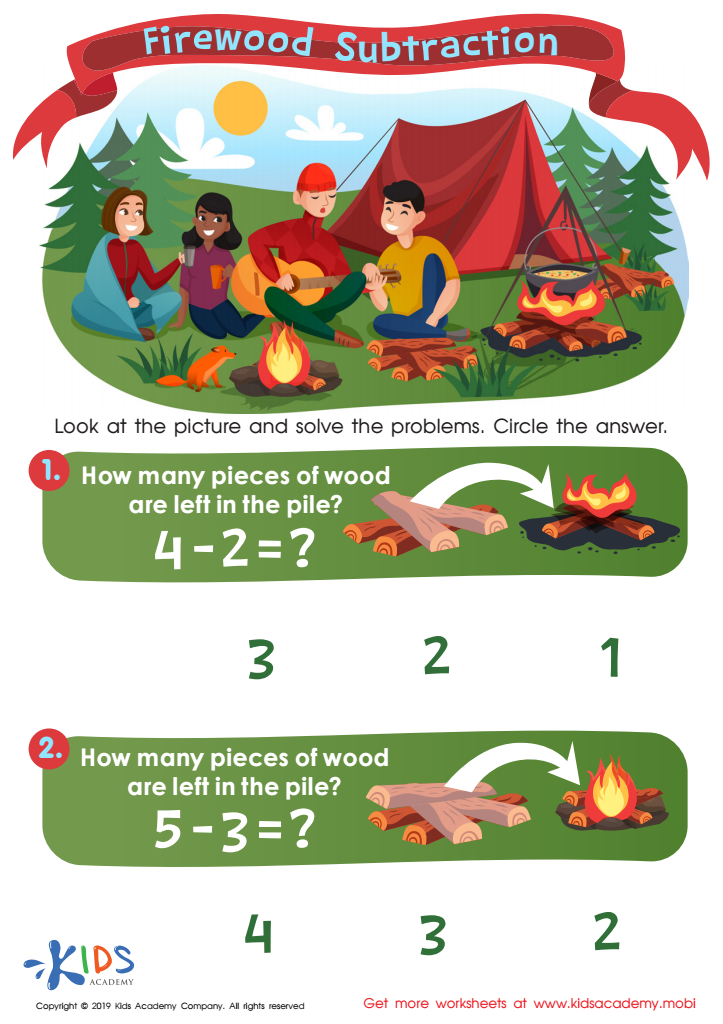
Firewood Subtraction Worksheet
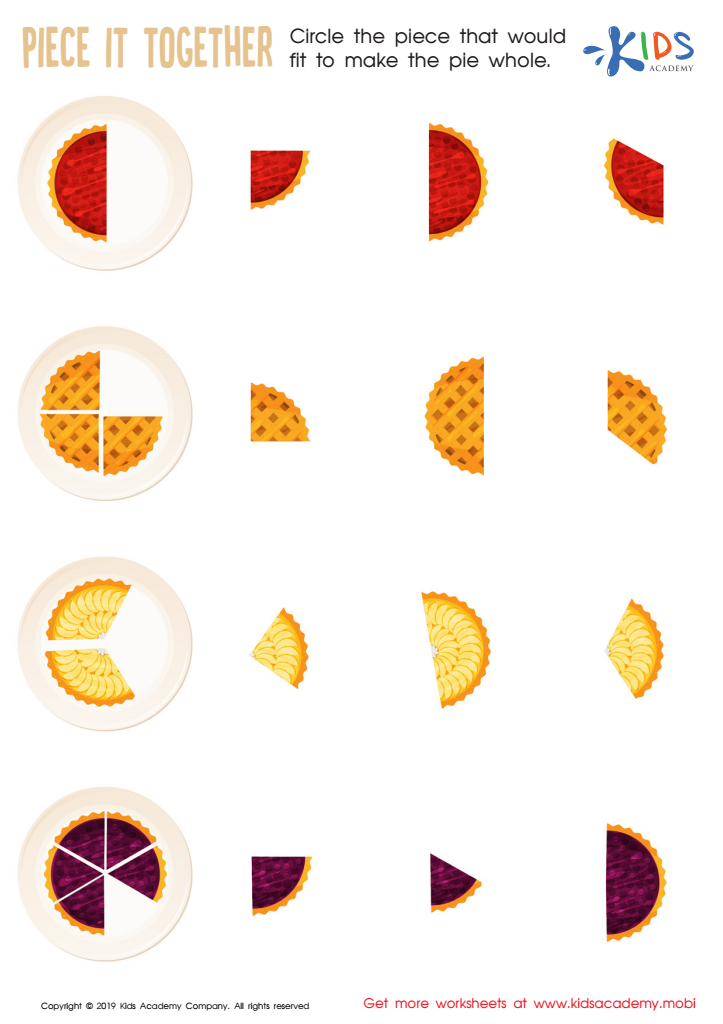
Piece it together Worksheet
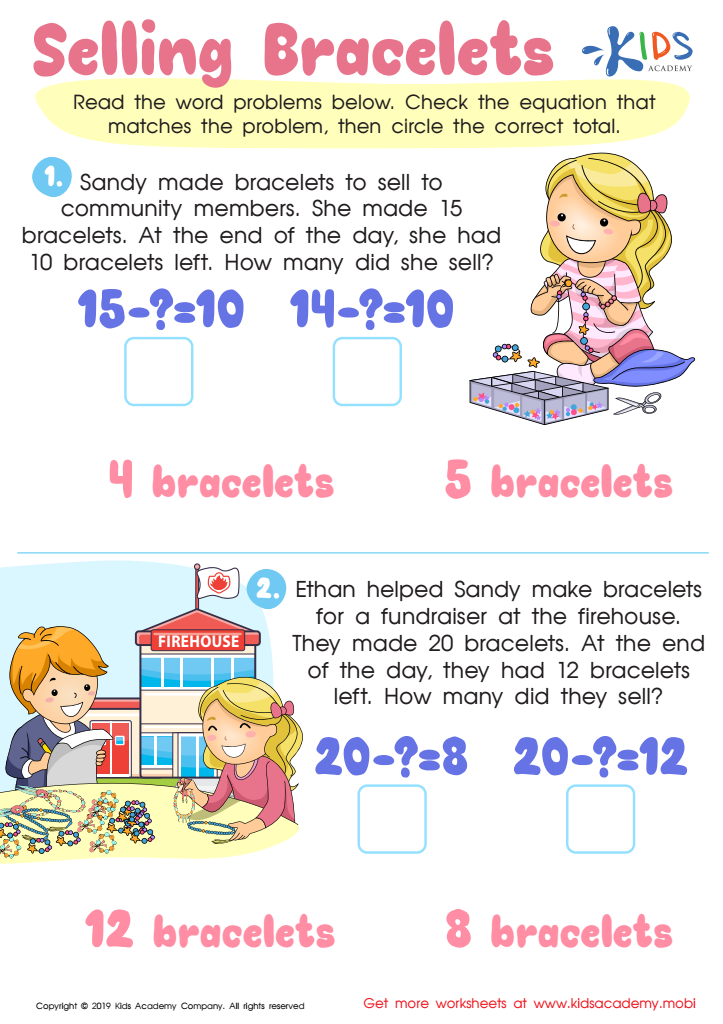
Selling the Bracelets Worksheet



%20(1).jpg)




Problem-solving skills are fundamental for children’s cognitive and academic development, especially in subjects like math. At ages 7-8, children are at a critical stage where they begin to grasp fundamental mathematical concepts that will serve as the building blocks for more complex problem-solving in the future. Easy math problems can gently introduce them to these concepts and help build their confidence.
For parents and teachers, focusing on problem-solving skills in early math education can have several benefits. Firstly, it encourages logical thinking and decision-making. Children learn to approach problems methodically, sharpening their minds for problem-solving in various aspects of life. Secondly, enhancing these skills can foster a positive attitude toward learning and reduce math anxiety, a common issue that can hinder academic performance.
Moreover, early math skills are strong predictors of later academic achievement. Children with strong problem-solving skills in math are more likely to excel not only in mathematics but across other subjects as well. Activities like puzzles, story problems, and games can make learning math fun and engaging, laying the groundwork for lifelong skills in reasoning, analysis, and critical thinking. Therefore, investing time and effort into developing these foundational skills at an early age is crucial for children’s holistic development and future success.








