Number Recognition Easy Numbers 0–10 Worksheets for Ages 7-8
10 filtered results
Difficulty Level
Grade
Age
-
From - To
Subject
Activity
Standards
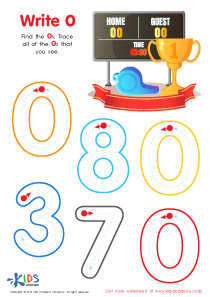
Our "Number Recognition Easy Numbers 0–10 Worksheets for Ages 7-8" provide a fun and effective way to help young learners master basic number recognition. Perfect for early grade students, these worksheets focus on identifying and writing numbers from 0 to 10 through engaging activities like coloring, tracing, and matching. Tailored to enhance numerical aptitude, each worksheet encourages practice and reinforces learning in a student's comfort zone. These resources are excellent for classroom use or at-home practice, helping to build a solid math foundation. Ideal for children aged 7-8, these worksheets make number learning enjoyable and interactive.
Favorites
With answer key
Interactive
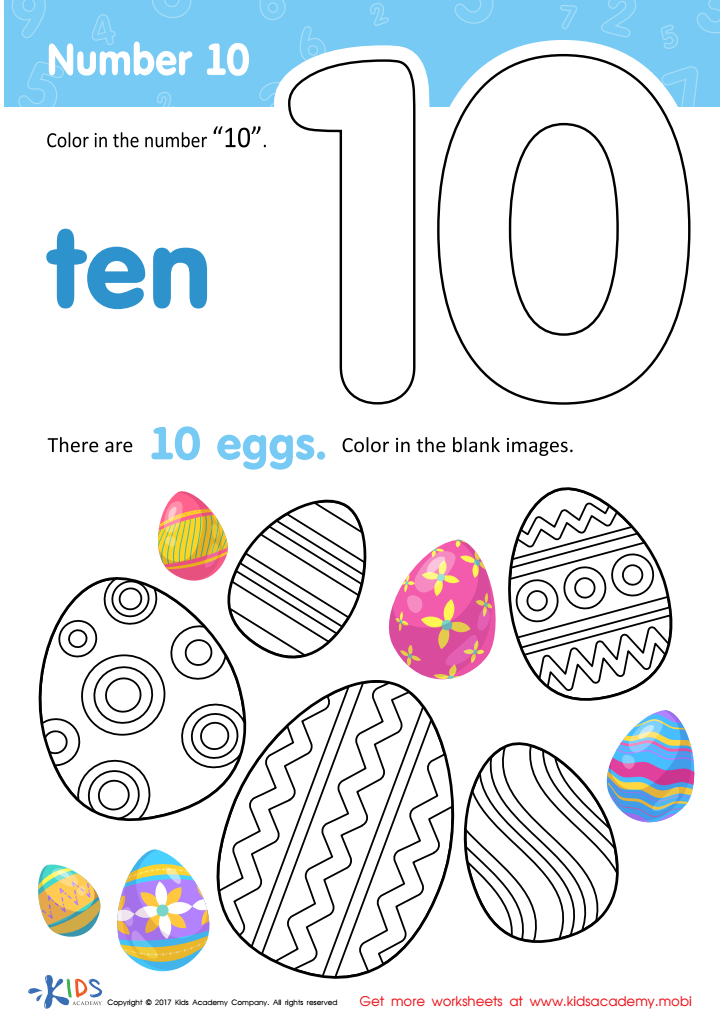
Number 10 Printable
Easter eggs are a great way to combine creativity and learning! Help your child explore the number 10 with our fun coloring page. The intricate designs will spark their imagination and fuel their artistic side, while they practice important numeracy basics. Get creative with eggs and enjoy the fun, no matter the time of year!
Download (PDF)
 Assign to My Students
Assign to My Students
Number 10 Printable
Worksheet
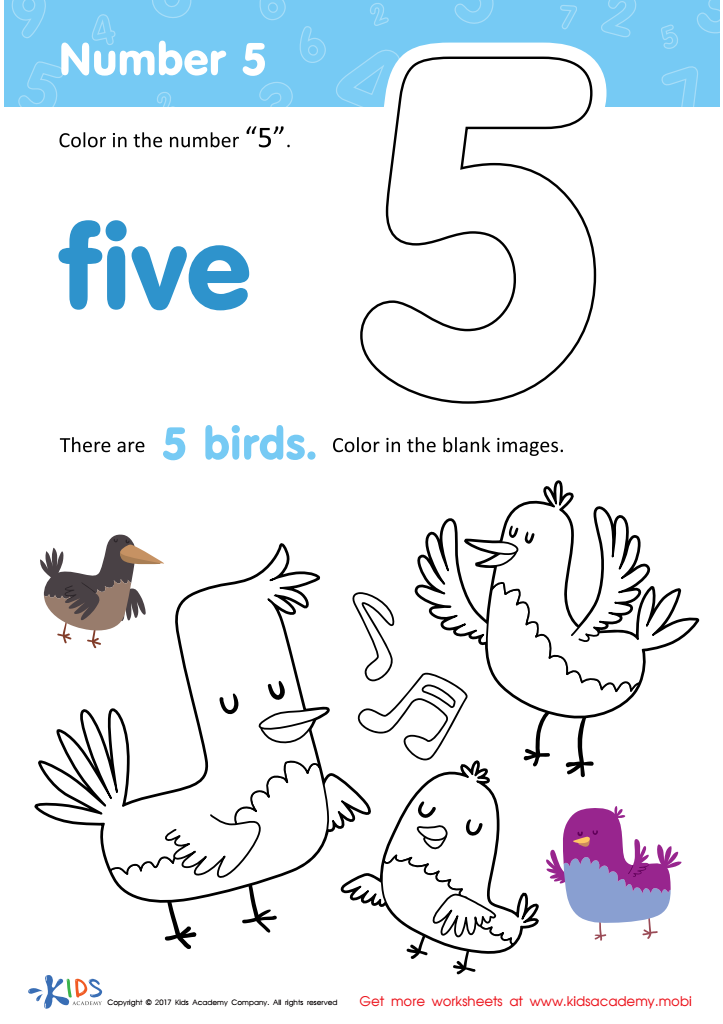
Number 5 Printable
Let your child have fun with this number 5 coloring page! They'll adore coloring the birds and music notes, while learning to recognize the number 5. Enjoy listening to the birds sing their beautiful songs!
Download (PDF)
Assign to My Students
Assign to My Students
Number 5 Printable
Worksheet
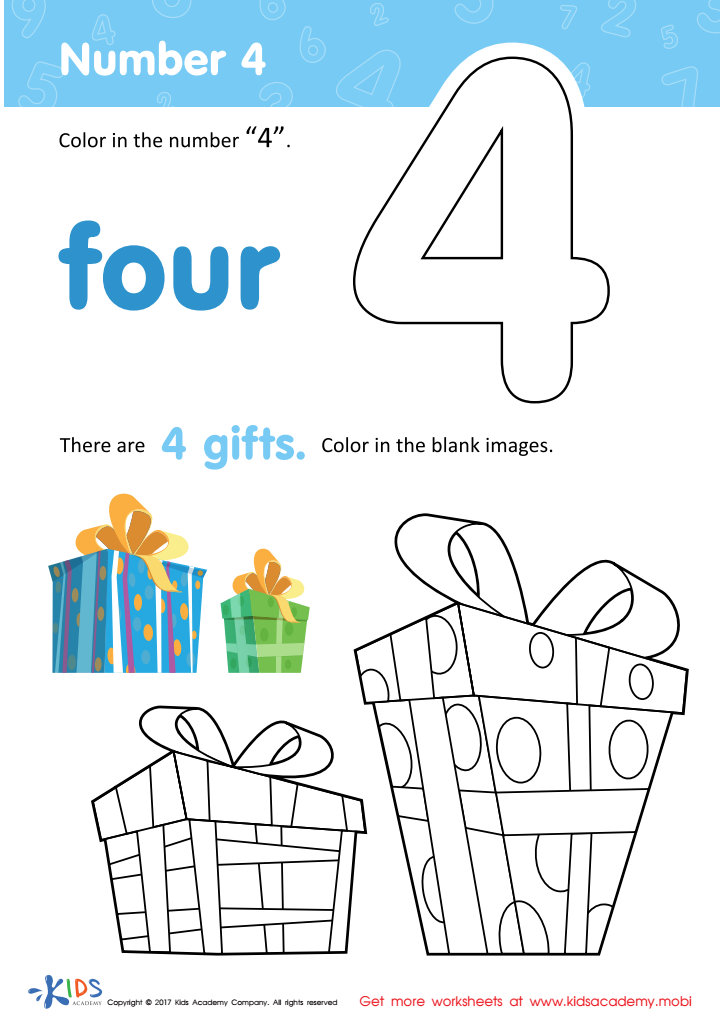
Number 4 Printable
Kids love gifts! Give your child a learning opportunity with this number 4 coloring page. As they design their own wrapping paper, they'll learn to read and recognize the number four. An exciting way to have fun and learn at the same time!
Download (PDF)
Assign to My Students
Assign to My Students
Number 4 Printable
Worksheet
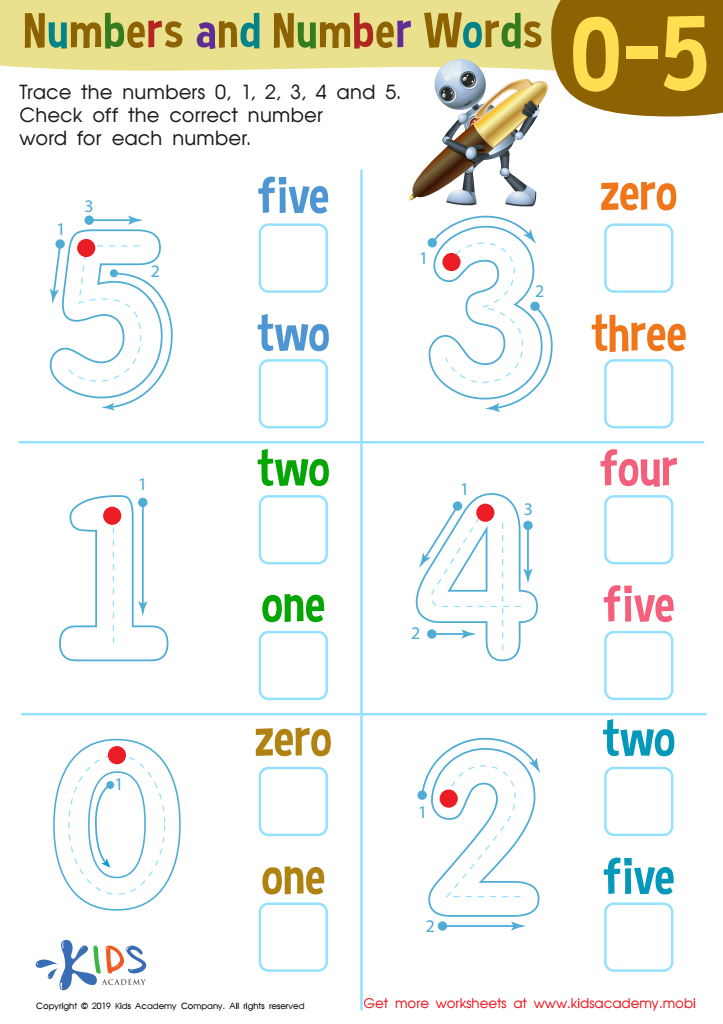
Numbers and Number Words Worksheet
Preschoolers can practice counting and recognizing numbers with this worksheet. Students trace the numbers zero through five and check the boxes next to each number to show the correct number word. Ideal for young kids, this printable helps them learn early math and number words.
Numbers and Number Words Worksheet
Worksheet
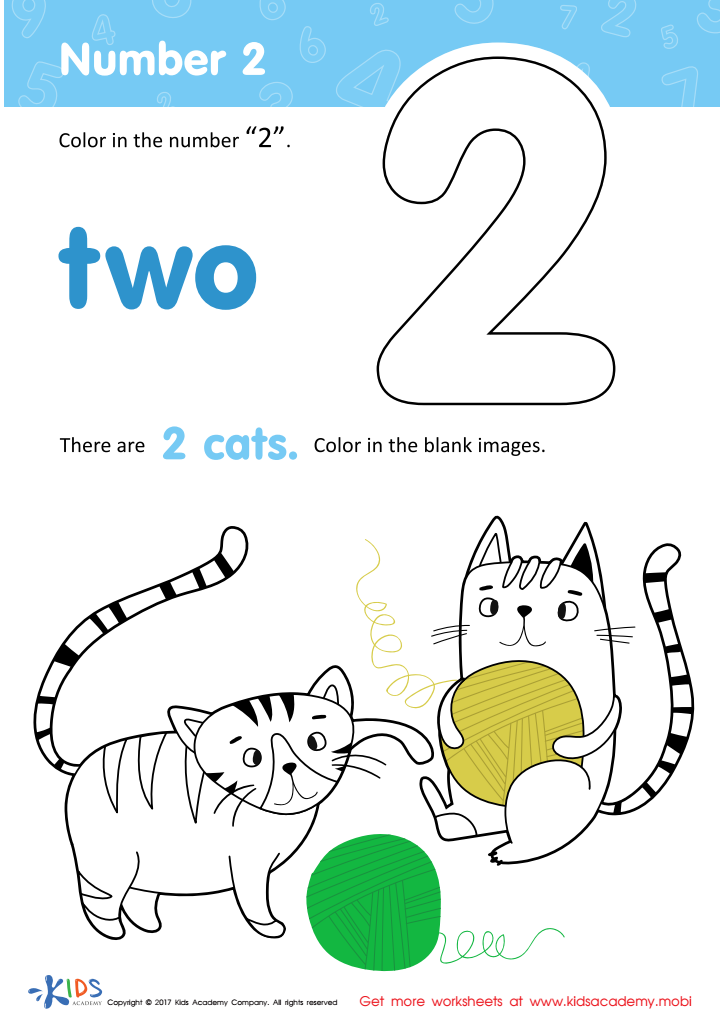
Number 2 Printable
Help your child learn to recognize the number two with these cats and their yarn balls. Print this coloring page – it's great for counting and coloring fun! Your child will develop basic numeracy skills as they visually see numbers in action.
Download (PDF)
Assign to My Students
Assign to My Students
Number 2 Printable
Worksheet
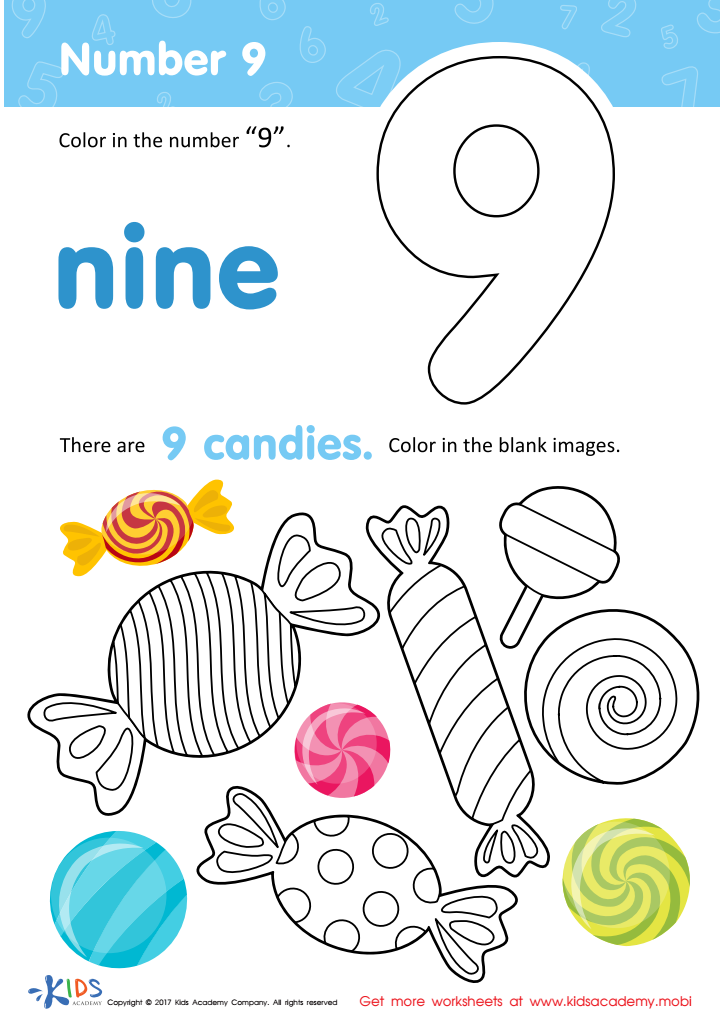
Number 9 Printable
Let your child hone their reading and counting skills with this fun coloring page! With the number 9 candies, your child can decorate their own favorite treats. Make learning a sweet experience and let their mouth water! Help them count and recognize the numbers while having fun.
Download (PDF)
Assign to My Students
Assign to My Students
Number 9 Printable
Worksheet
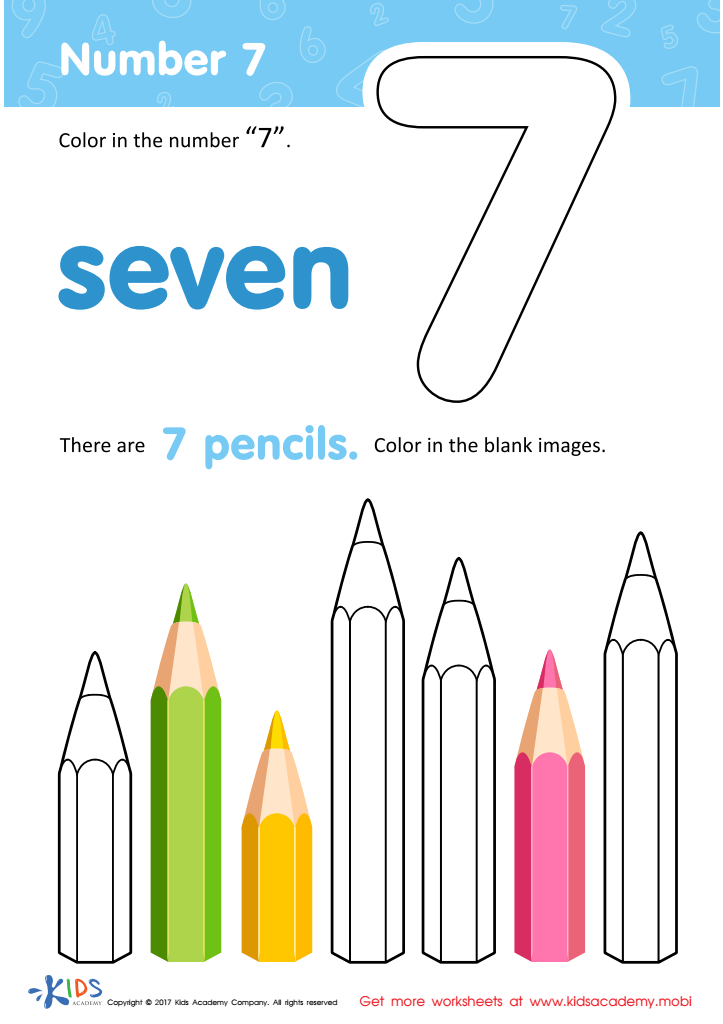
Number 7 Worksheet
Introduce beginning math to your child with this fun number 7 coloring page! Coloring the crayons and using the blank pencils for math equations will bring a creative twist to learning. Your child will love this worksheet!
Download (PDF)
Assign to My Students
Assign to My Students
Number 7 Worksheet
Worksheet
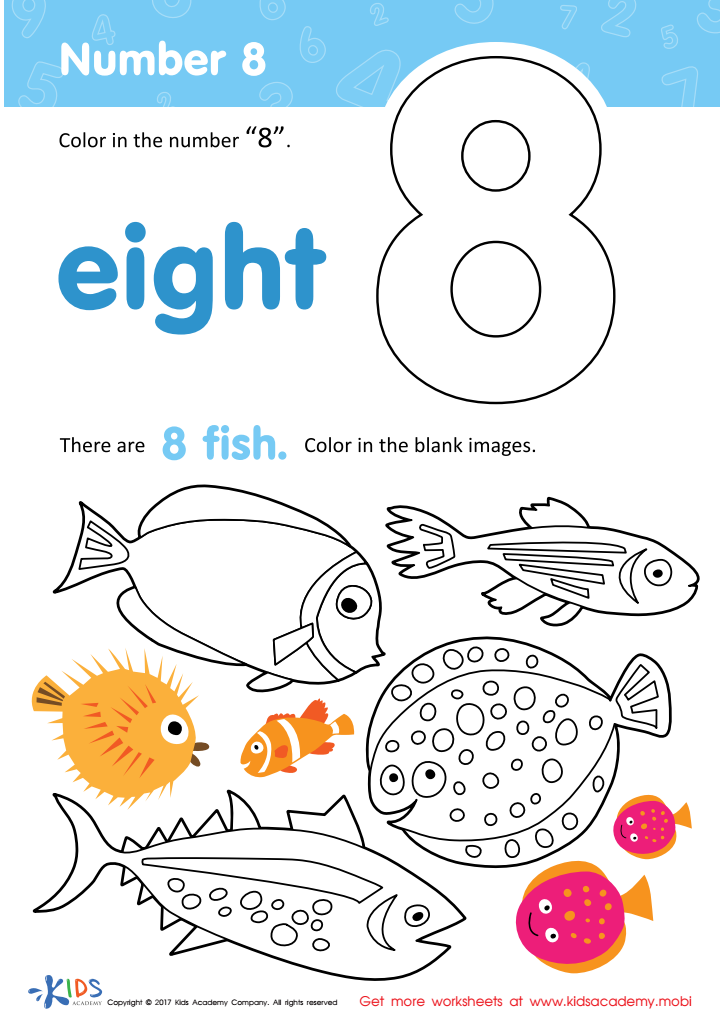
Number 8 Printable
Dive into the deep sea and learn to read and recognize the number eight! Challenge your child's creativity by having them create beautiful fish. They'll love counting and coloring with number 8.
Download (PDF)
Assign to My Students
Assign to My Students
Number 8 Printable
Worksheet
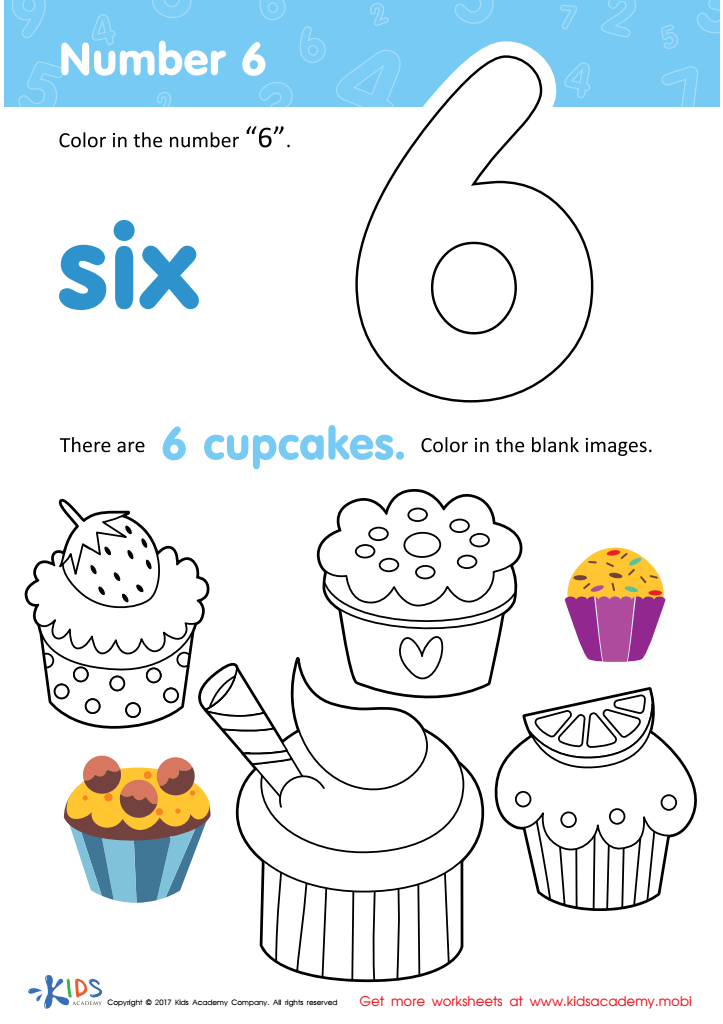
Number 6 Worksheet
Let's learn about the number six with cupcakes! Introduce your child to this fun and tasty coloring page. They'll love designing their own cupcakes while recognizing, counting, and reading the number six. An easy and enjoyable way to learn!
Download (PDF)
Assign to My Students
Assign to My Students
Number 6 Worksheet
Worksheet
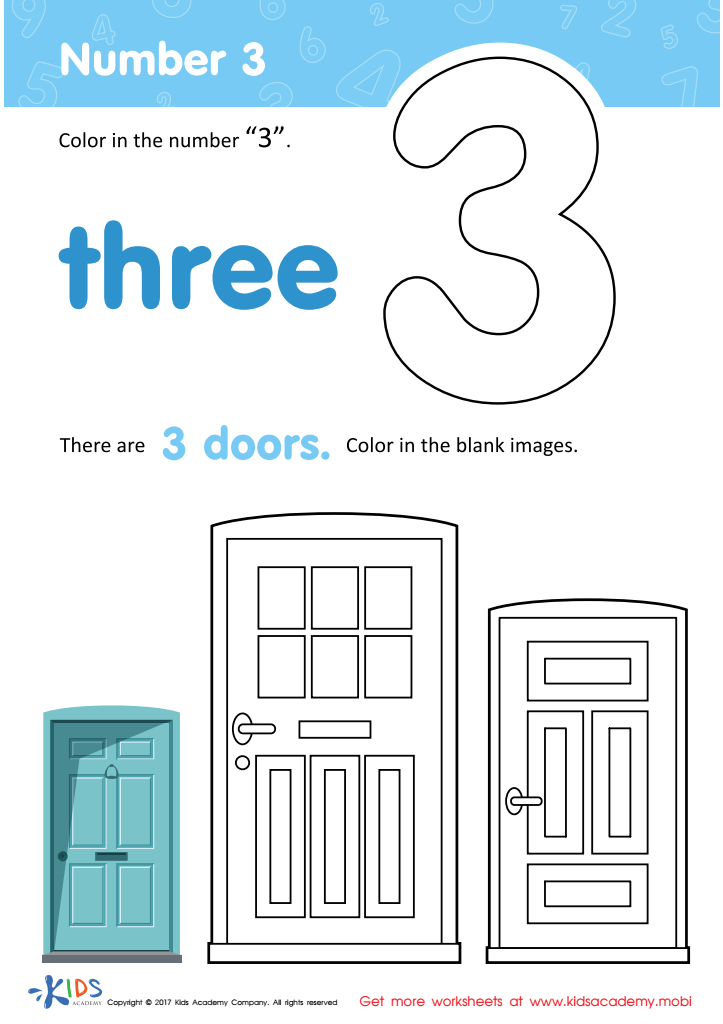
Number 3 Worksheet
Open the door to learning numbers! This counting coloring page helps kids recognize and count to 3, while using imagination and creativity to design lovely doors. It's a fun way to learn numbers!
Download (PDF)
Assign to My Students
Assign to My Students
Number 3 Worksheet
Worksheet
Join Kids Academy for Free
Who is primarily going to use this learning content?








Number recognition between 0 and 10 is a fundamental skill that serves as the cornerstone of future mathematical understanding for children aged 7-8. At this pivotal age, mastering these basic numbers builds a strong foundation for more advanced concepts like addition, subtraction, and eventually, multiplication and division. Without fluent recognition of numbers, children may struggle with these higher-order mathematical operations and problem-solving.
Additionally, a solid grasp of number recognition reinforces a child's confidence and fosters a positive attitude towards mathematics, which is crucial as they progress in their education. This confidence can prevent math anxiety, a common issue that can hinder a child's academic growth.
Equally important, number recognition is not confined to the classroom; it has real-world applications. Skills such as reading bus numbers, understanding prices, and managing allowances all rely on number recognition and are essential for everyday tasks. Including engaging activities like games and hands-on manipulatives to teach number recognition can also enhance other developmental skills like fine motor coordination and cognitive abilities.
Therefore, parents and teachers should prioritize and care about nurturing number recognition in children, as it lays a crucial educational and practical foundation that will support their lifelong learning and everyday functions.