Writing practice Easy ABC Letters Worksheets for Ages 7-9
3 filtered results
-
From - To
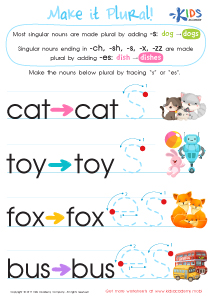
Welcome to our Easy ABC Letters Worksheets tailored for children aged 7-9! These engaging resources are designed to enhance your child’s writing skills while making learning fun. With a variety of worksheets that focus on letter formation, tracing, and practice, young learners can develop essential handwriting techniques and boost their confidence in writing. Our worksheets cater to different learning styles and are perfect for both classroom activities and at-home practice. Encourage your child's creativity and mastery of the alphabet with these thoughtfully crafted activities. Transform writing practice into an enjoyable journey with our easy-to-follow worksheets today!
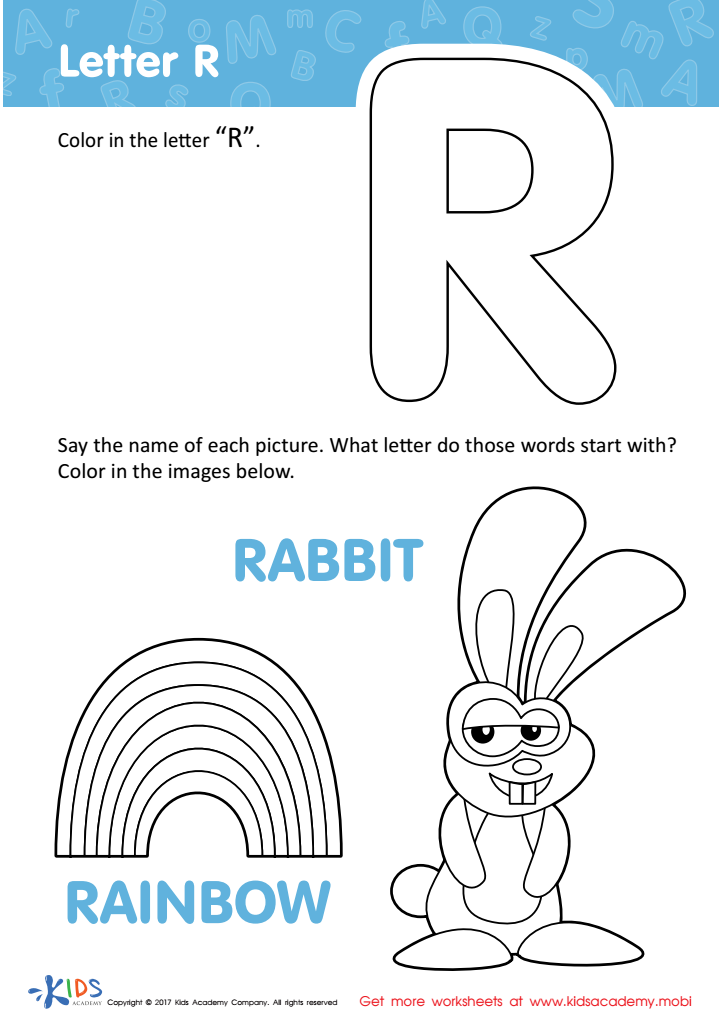
Letter R Coloring Sheet
 Assign to My Students





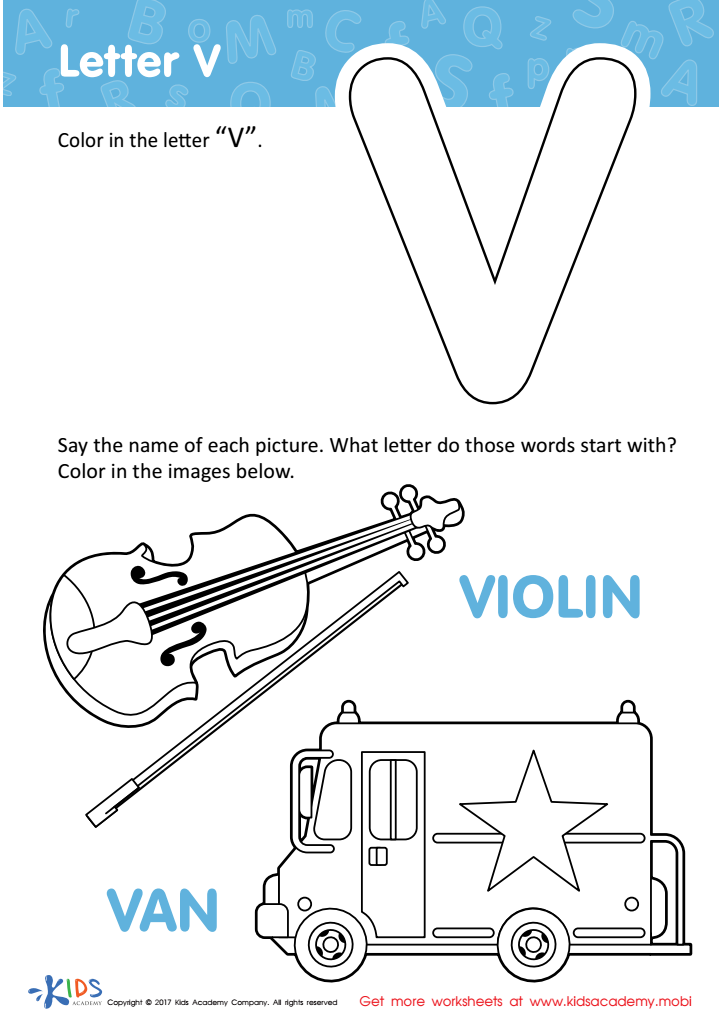
Letter V Coloring Sheet
Assign to My Students
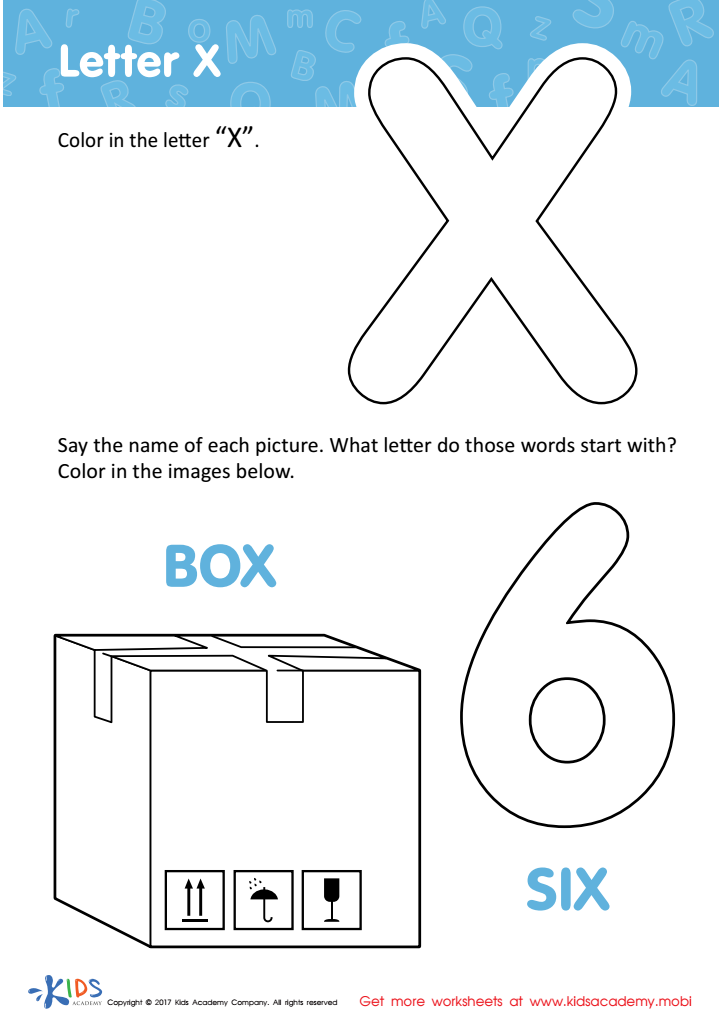
Letter X Coloring Sheet
Assign to My Students







Writing practice, especially focusing on easy ABC letters for children aged 7-9, is crucial for their developmental journey. At this age, children are refining their writing skills, which are essential not only for academic success but also for effective communication in everyday life. By emphasizing proper letter formation, spelling, and grammar, parents and teachers can help build a strong foundation for future writing assignments and literacy skills.
Engaging in structured writing practice enhances fine motor skills, as children learn how to hold a pencil, control their grip, and develop the necessary coordination for writing. Moreover, writing fosters critical thinking and creativity; as children express their thoughts and ideas on paper, they develop their unique voices and storytelling abilities.
Additionally, consistent practice can boost children’s confidence, reducing the anxiety that can accompany writing tasks. When students can articulate their ideas clearly, they are more likely to participate in classroom discussions and collaborate with peers.
By incorporating writing practice into daily routines, parents and teachers can support children in achieving academic goals while nurturing important life skills that will benefit them beyond the classroom. Writing is not just an academic requirement; it is a tool for lifelong communication and expression.